
At PracticalAdultInsights, we're committed to delivering accurate, trustworthy information. Our expert-authored content is rigorously fact-checked and sourced from credible authorities. Discover how we uphold the highest standards in providing you with reliable knowledge.
What is Exercise Physiology?
 Dana Hinders
Dana Hinders
Dana Hinders
Exercise physiology is a field of study devoted to examining the body’s response to physical activity. In a nutshell, its primary focus is "exercise as medicine." Topics of interest for someone working in this field may include human energy expenditure, human energy transfer, and environmental effects on physiology. Exercise physiologists also devote a great deal of study to how physical activity influences the body’s cardiovascular system, endocrine system, and musculoskeletal system.
The field of exercise physiology can be split into two primary areas of specialization: fitness and rehabilitation. Exercise physiologists who focus on fitness may work with professional athletes to improve their performance or counsel private clients who are trying to lose weight and get in shape. Exercise physiologists who specialize in rehabilitation often help people who are recovering from injuries or dealing with chronic conditions such as arthritis and lower back pain by developing a customized exercise program that can be used as part of a comprehensive treatment strategy.

Contrary to popular belief, becoming a successful exercise physiologist requires much more than a simple knowledge of sports and physical fitness. Strong communications skills are essential, since an exercise physiologist must often work closely with a wide variety of patients on a daily basis. Students interested in pursing careers within the field of exercise physiology will also need to complete rigorous college courses in chemistry, human anatomy, sports nutrition, kinesiology, and biomechanics. An undergraduate degree in this field or that of exercise science is typically required and a masters degree may be necessary for certain types of employment. Practical experience gained through an internship or part-time employment is highly recommended for most entry-level exercise physiology positions.

There are many employment opportunities within the field of exercise physiology. An exercise physiologist may find work as a sports and wellness program manager, a sports medicine researcher, a fitness club instructor, a corporate health specialist, nutritional consultant, or a sports physiologist for a professional athletic team. There are also a number of hospital positions available for exercise physiologists who wish to specialize in cardiopulmonary rehabilitation. Salaries for exercise physiologists vary depending upon geographic location, professional experience, and the type of employer.
Dana Hinders
Dana holds a B.A. in journalism and mass communication from the University of Iowa. She has loved being part of the PracticalAdultInsights team ever since discovering the joys of freelance writing after her son was born. Dana also hones her writing skills by contributing articles to various blogs, as well as creating sales copy and content for e-courses.
Learn more...
Dana Hinders
Dana holds a B.A. in journalism and mass communication from the University of Iowa. She has loved being part of the PracticalAdultInsights team ever since discovering the joys of freelance writing after her son was born. Dana also hones her writing skills by contributing articles to various blogs, as well as creating sales copy and content for e-courses.
Learn more...AS FEATURED ON:
AS FEATURED ON:


-
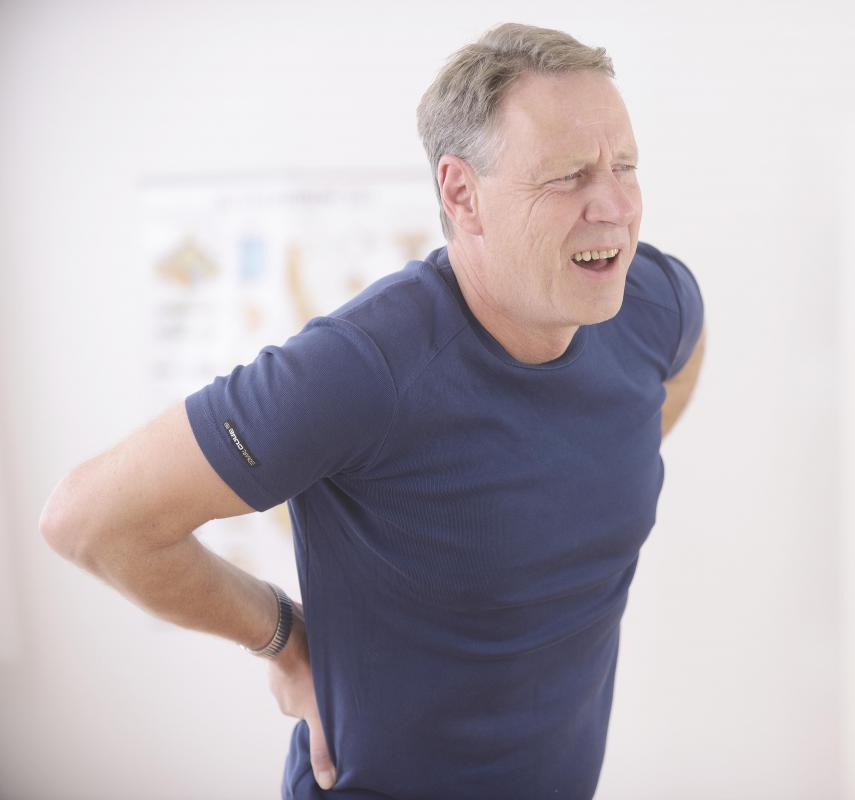
![People with chronic lower back pain might get help from an exercise physiologist.]() By: mangostockPeople with chronic lower back pain might get help from an exercise physiologist.
By: mangostockPeople with chronic lower back pain might get help from an exercise physiologist. -
![Exercise physiologists who specialize in rehabilitation often help individuals who are dealing with chronic conditions.]() By: nyulExercise physiologists who specialize in rehabilitation often help individuals who are dealing with chronic conditions.
By: nyulExercise physiologists who specialize in rehabilitation often help individuals who are dealing with chronic conditions. -
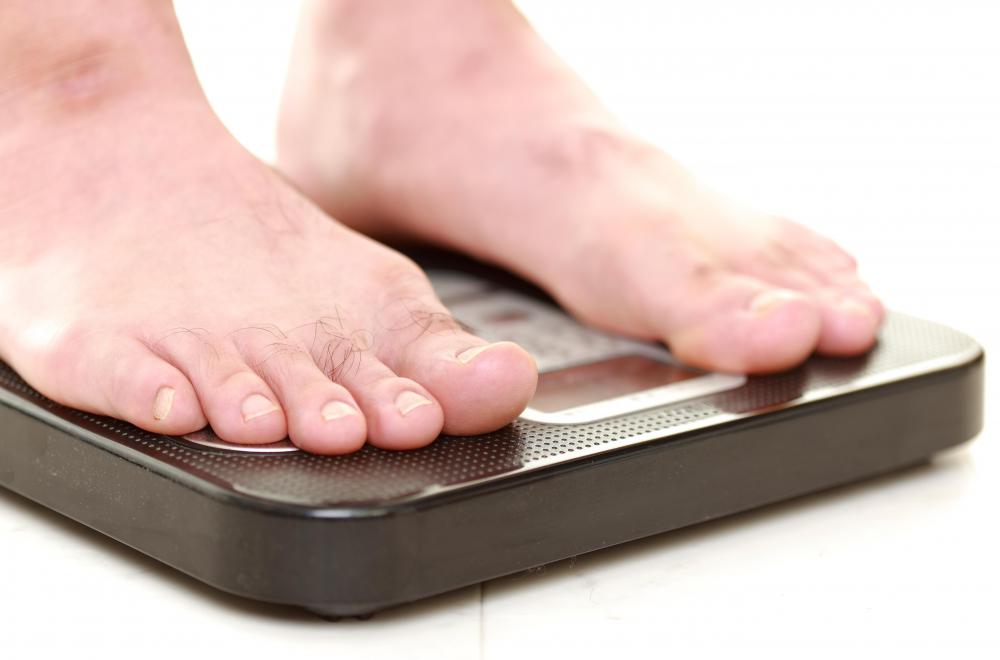
![An exercise physiologist may work with clients trying to lose weight.]() By: jedi-masterAn exercise physiologist may work with clients trying to lose weight.
By: jedi-masterAn exercise physiologist may work with clients trying to lose weight. -
![Joining a sports team is one way to keep fit.]() By: Monkey BusinessJoining a sports team is one way to keep fit.
By: Monkey BusinessJoining a sports team is one way to keep fit. -
![Exercise physiology may help with a person's physical rehabilitation.]() By: iceteastockExercise physiology may help with a person's physical rehabilitation.
By: iceteastockExercise physiology may help with a person's physical rehabilitation. -
![Exercise physiology may help a person with losing weight.]() By: javyExercise physiology may help a person with losing weight.
By: javyExercise physiology may help a person with losing weight. -
![Exercise physiology can help dancers and other performers to stay fit for routines.]() By: WiskyExercise physiology can help dancers and other performers to stay fit for routines.
By: WiskyExercise physiology can help dancers and other performers to stay fit for routines.





Discussion Comments
How many years has it been available?
can you send full information about effects of exercise physiology on the human body?
Anon10431 - Google the American Society of Exercise Physiologists website and you'll find the accredited programs and certification details. Between those two things you should be able to find out all the requirements to becoming a certified exercise physiologist.
how long is the duration of the course? what is the minimum qualification with a-levels?
Post your comments