
At TheHealthBoard, we're committed to delivering accurate, trustworthy information. Our expert-authored content is rigorously fact-checked and sourced from credible authorities. Discover how we uphold the highest standards in providing you with reliable knowledge.
What is Estrogen?
Estrogen is the general name for a group of hormone compounds. It is the main sex hormone in women and is essential to the menstrual cycle. Although both men and women have this hormone, it is found in higher amounts in women, especially those capable of reproducing.
Secondary sex characteristics, which are the defining differences between men and women that don’t relate to the reproductive system, are determined in part by estrogen. In women, these characteristics include breasts, a widened pelvis, and increased amounts of body fat in the buttock, thigh, and hip region. This hormone also contributes to the fact that women have less facial hair and smoother skin than men.

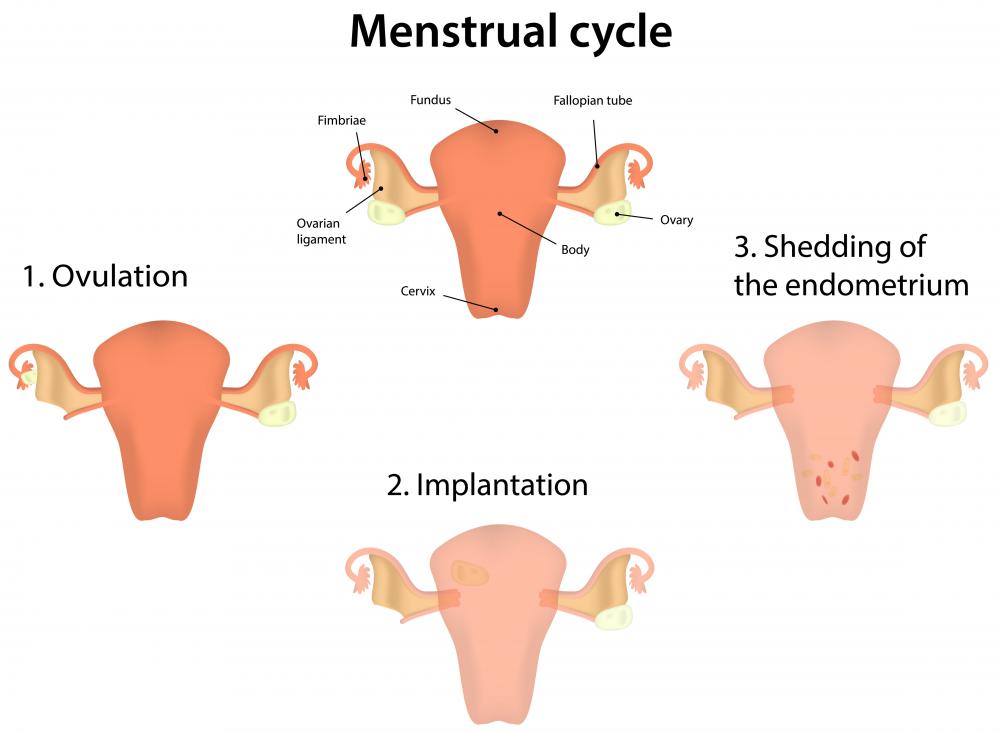
It is also an essential part of a woman’s reproductive process. Estrogen regulates the menstrual cycle and prepares the uterus for pregnancy by enriching and thickening the endometrium. Two hormones, the luteinizing hormone (LH) and the follicle stimulating hormone (FSH), help to control how the body produces estrogen in women who ovulate.
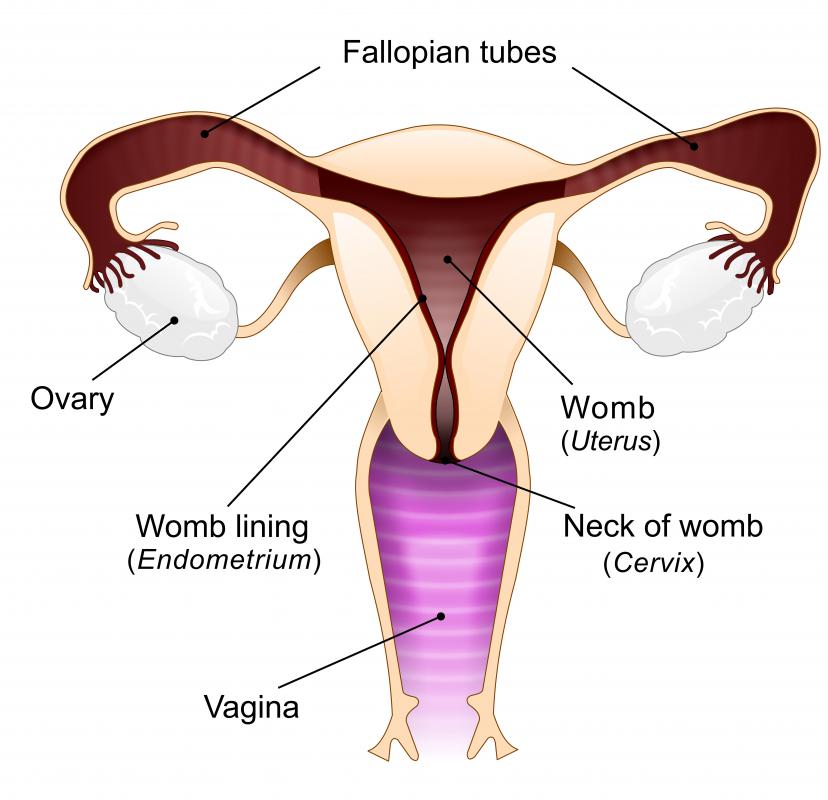
Estrogen is manufactured mostly in the ovaries, by developing egg follicles. It is also produced by the corpus luteum in the ovaries, as well as by the placenta. The liver, breasts and adrenal glands may also contribute to its production, although in smaller quantities.

There are three distinct compounds that make up this hormone group: estrone, estradiol and estriol. During a woman’s reproductive life, which starts with the onset of menstruation and continues until menopause, the main type of estrogen produced is estradiol. Enzymatic actions produce estradiol from androgens. Testosterone contributes to the production of estradiol, while the estrone is made from andostenedione.

Estrogen is important to a woman’s health beyond just how it relates to her reproductive cycle. Although it can cause women to retain fluid, and early exposure through early menses can increase a woman's risk of developing breast cancer, this hormone has significant benefits. It can contribute to increasing high density lipoprotein (HDL), which is considered the “good” cholesterol, and lower the low density lipoprotein (LDL), which is the “bad” cholesterol.

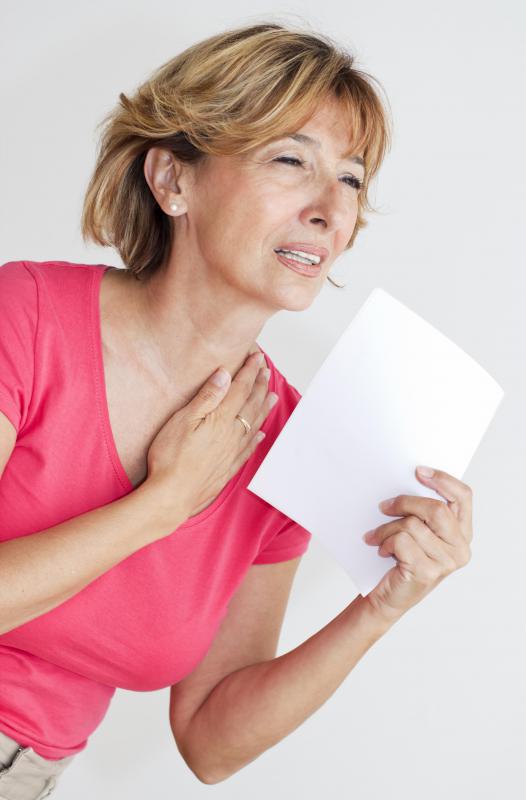
After menopause, women experience a reduction in estrogen. This can lead to vaginal dryness, memory problems, hot flashes, fatigue, irritability and possibly one of the most devastating problems, a decrease in bone density. Although hormone replacement therapy has been controversial, with medical professionals debating its safety and effectiveness, menopausal women should consult with a healthcare professional for the safest and most effective way of dealing with changes in hormone levels.
AS FEATURED ON:
AS FEATURED ON:


-
![In females, the ovaries are responsible for producing most of the body\'s estrogen.]() By: isysteIn females, the ovaries are responsible for producing most of the body\'s estrogen.
By: isysteIn females, the ovaries are responsible for producing most of the body\'s estrogen. -
![The breasts may contribute to the production of estrogen.]() By: Balint RaduThe breasts may contribute to the production of estrogen.
By: Balint RaduThe breasts may contribute to the production of estrogen. -
![During menopause, a woman's levels of estrogen plummet.]() By: Peter AtkinsDuring menopause, a woman's levels of estrogen plummet.
By: Peter AtkinsDuring menopause, a woman's levels of estrogen plummet. -
![The thickness of the endometrium changes along with the female's menstrual cycle.]() By: joshyaThe thickness of the endometrium changes along with the female's menstrual cycle.
By: joshyaThe thickness of the endometrium changes along with the female's menstrual cycle. -
![A reduction in estrogen leads to menopausal symptoms like hot flashes.]() By: brankatekicA reduction in estrogen leads to menopausal symptoms like hot flashes.
By: brankatekicA reduction in estrogen leads to menopausal symptoms like hot flashes. -
![Some medications may cause an increased level of estrogen in men.]() By: sframeSome medications may cause an increased level of estrogen in men.
By: sframeSome medications may cause an increased level of estrogen in men.


Discussion Comments
Is taking estrogen at 70 years old good for you after having breast cancer?
I am a 54 year old male and I've been on 100 mg estrogen patches for two years. It won't make your breasts grow. All that happened to me was I lactated after ix months.
If a man takes estrogen, does it lead to wider hips, bigger thighs and buttocks?
So there's this conditioner for hair called placenta. My mom's coworker suggested it and so I researched it just to see what I'm getting. I read the comments and people were grossed out and I didn't know why. So I asked my mom and she said placenta was a clear "bubble" around babies. Then I got freaked out!
I researched some more and a comment on a website said that too much can cause cancer due to too much estrogen. Then I was speechless. And guess what? My mom's coworker who uses this has a lot of health problems which are connected to the reproductive system and baby stuff. The container is made from cow estrogen and after I read this, I need clarification on this sentence: Although it can cause women to retain fluid, and early exposure through early menses can increase a woman's risk of developing breast cancer, estrogen has its benefits.
I don't really know what it's saying, but this is what I think it means: it helps women maintain body water but when young girls who just started their period use this, it can cause breast cancer. Am I right? I'm 13 and I started my period at 11. I know, I know. That's early and most girls and my friends are starting now! Some didn't already! But I started puberty at age 8. I know again, that's like really early. My periods are disgustingly messy. They're not evenly coming and going.
I currently am having mine now and its been three weeks. The first two were so very little droplets of blood but then it got "normal" (my normal) which is very very heavy and a lot! So if I used this would I be in risk of like growing bigger and cancerous breasts?
Please clarify that sentence I quoted. Please respond. I'm 13 and I really want to know. Thank you.
So I have discovered a solution: energy drinks. They are very high in caffeine, which contributes to more estrogen production. There are side effects, though. If you could research effect of caffeine on breasts because of the type of genes, you have, your breasts can get smaller or larger mainly larger in men, Asians and black people.
High caffeine has its side effects though so be ready for nausea, sleeplessness stomach ache, tiredness, tender breasts, faster heart beats, feeling nervous, etc. I came across this as a coincidence but I got bigger breasts, and my buttocks are growing as well as my hips and thighs, but just research on the side effects and have a look at the ingredients in the energy drink. There are specific ingredients for specific effects.
I drank an energy drink called energize. It's in a red can and much cheaper than red bull. Choose wisely if you want this because I went through hell because I didn't know what had caused those side effects until I read about it!
Estrogen is not an entity in itself and the term cannot be used as it is here. Estrogens are a group of steroids with hormonal activity. For instance, estrone is an estrogen, estradiol is an estrogen, and estriol is an estrogen, but there is no single steroid or hormone that is estrogen. Roy D., Ph.D. Organic Chemistry Stanford, 1959
I have posted on this post before and I now want to ask:
A)What product will increase my Estrogen levels and help with my desired breast growth that I am looking for?
B)As the readers will know, I am a male and want to grow my breasts. If I get Estrogen, will it do this for me, and are there other side effects that I should know about?
Thanks very much and your input will be greatly appreciated.
I am having concerns about suffering from some PMS so I found this article really helpful. Thank you for the information.
I am a male who wishes to increase the size of my breasts and nipples and need help to do this. Firstly, how would I increase my estrogen levels to do this, and is it possible? I am trying many natural herbs so long and a product called Bio Bust (cream and tablets).
I have been doing this for one month now, but need more help. Please help me if there is a solution.
I am 26 years old, and since I started menstruation at the age of 18, it has never been regular. I've learned my hormones are imbalanced and I can't conceive. I have injected estrogen and only menstruate during the period of the medication. I have taken other things and can't still find a solution. What should I do again? Please can someone help me?
I am 27 years old. When I wake up in the morning my body has swelling. What am I supposed to do? Should I consult my doctor?
i am male of 35 years and want to have boobs and heavy hips. can anyone tell me if there is any medicine for that?
It's funny estrogen and cystic acne is mentioned in post 49. I am currently doing some research to see any connection between the two. I'm a male and two years ago I was taking chia seeds for health benefits but phytoestrogen is found in the seeds and also in some other nuts and seeds.
Anyway, every time I took chia seeds I got cystic acne around the neck area, around ears, cheeks. Unbalanced estrogen will most likely create symptoms it seems on various degrees.
I get big pimples like cysts on my chin, which are hard when touched. This comes on a few days before my period. I am 49 years old. Does this have anything to do with estrogen levels?
I started to write a blog on menopause because my friend Esther was having a great deal of trouble. My company offers a natural supplement called Estro-rhthym which I offered to Esther and it is helping immensely. Even though I'm 59 years old I never suffered hot flashes so in this regard I'm pretty lucky it seems. Thank you for writing this article.
I am 50 years old and I have not had a period in two years. I swear when air hits my body, it's very bad. please tell me what to take, I do red raspberry and red clover. help me please. thank you.
I am a 51 year old woman and I suffer from hot flashes. My body literally feels like I am on fire and then I get cold, but I don't sweat. I am tired all the time, my sex drive is gone,I've gained weight and I really don't want to be bother with people anymore.
I need help. I'm afraid to take estrogen for fear of what it may cause. Currently I take no medication -- only a vitamin. I just want my life back. can anybody give me some suggestions.
I'm 29 and is not having any menstrual cycle for the past three years. I went to the doctor and was given fertility pills for a period of three months and the menses came. One month after treatment, the menses stop. What to do?
Get your estrogen naturally and start drinking teas, they come from mother earth and not fabricated in a lab. Red Clover and Red Raspberry Teas are meant specifically for women. Look them up and find the alternative and cost effective way.
I am 40 years old. Every month, before, during and after menstruation, I suffer with bad headaches, fatigue, moodiness and feel exhausted. Also experiencing a lack of sex drive. I have been doing some research and it seems to be caused by a lack of estrogen. I would like to know which is the safest solution to this problem.
Answer to number 38: If you are on estrogen and your breasts hurt, it is because you are getting too much estrogen. Cut back. Maybe cut it in half and see how you feel. you should feel "balanced" and good. But no tenderness in the breasts.
I'm 45 years old been on estrogen for four months. now my breasts seem to hurt. what could be wrong, if anything?
what age can you begin taking estrogen? do i take it every day like a vitamin?
i have never had it, so how does it work?
I am 65 and take estradiol and medroxypr. Should I quit taking the medroxyr as I heard it causes uterine cancer in women over 65. Should I take the estrdiol because I still need it? I still have bad hot flashes if I don't take Hrt.
I am 42 years old and have breast cysts i was told to take evening primrose oil and DIM. both of these natural herbs are very good for balancing out estrogen levels.
I am a 42 year old woman, who, at the age of 19 years old had a hysterectomy and I did not start taking estrogen until about one year ago because I heard so many stories about that it causes breast cancer and blood clots and many other side affects.
I went to my doctor and she started me on Evamist 1.50mg. I used it for two weeks, then I started to notice numbness in my hands and arms. Has anyone else taken this estrogen before and if so, did you experience this problem?
i heard that estrogen makes your breasts get bigger. Is that true? and what are some of the risks/symptoms at a young age?
my boy, 20 months old, has been taking silk soy mlk for 10 months now. Is it true that giving soymilk to boys would somehow affect their gender because of its contents that are beneficial mostly to women?
I am 38 and had my uterus removed two years ago and recently my doc has me using estrace cream. does this cause weight gain? my doc said this would help my sex drive but i haven't noticed any difference. it's been three weeks now. i do notice i am not as grouchy and my breast are very tender.
curves38
during menstruation, estrogen also is decreased.
I'm 38 years old and have myoma uteri. i want to know what food should i take and what food should i not take and what supplements or vitamins should i take. thanks a lot.
I have done quite a bit of research on estrogen and there are indications of "not good." Cancer could be one of the many.
Experiencing such conditions can be very lethal. Don't ignore these symptoms. Please go and see your primary medical practitioner or gynecologist immediately.
am using depo-provera and i don't have menstrual cycles. can it affect my health.
I am only 21 and I have to take a estrogen pill to raise my estrogen. I don't know why it's so low.
I'm 38 years old and have fibroids in my uterus. i want to know what food should i take and what food should i not take and what supplements or vitamins should i take. thanks a lot.
I have no female parts left and am 40 years old. Should my doctor be giving me estradiol?
I started my period when I was 10 years old. For years had the worst periods. Never on time and sometimes would last for a couple of weeks with severe cramping and bleeding.
Between the ages 21 to 30 I had five children. My cycles are still strange, but cramping and time of cycle shortened. I was always told that menopause would be hard on me.
I am now 49. I think that I've been approaching menopause for years. Periods have completely stopped. The hardest part for me is getting old. Wrinkles are setting in, weight gain and my extreme desire for sex was almost gone.
Notice I said was. I don't like taking medicine for anything so I had to figure out how to kick this. Exercise is one big factor, along with vitamins for women and the miracle cure: I've started using just a dab of Estriol Cream each day. Man, I am a new woman again! Better than ever! Seriously! Who says life gets worse at fifty?
Don't give up and don't give in. There is a better way for everything. Embrace this life and live it to the fullest!
I am a man passing through to learn about women since I work with all women. After reading this I understand a little more. Reading this will help me to be a better companion and friend to the women in my life. Thank you for sharing and best wishes for your lives. May God and people of goodwill be with you all. :)
It is highly possible to have menopause at 26. I am 26 years old and I am living proof. I have had four children and I started feeling a lot older than I actually am around the age of 23. Depression is the most common sign for women to pay close attention when something is wrong. Our sex drive becomes weaker, so you see your relationships are failing at this point and you're still ignoring the signs telling you that it is you.
Our body changes from a teenager into a young adult, so we expect that it will change again but not at our age. We have been told by many people that 26 is too young to have many health problems; but that is not true.
Menopause doesn't mean that you no longer have a cycle; because some women in their 50s are still going through this process; but it isn't regular. Your daughter should try asking her doctor about estrogen therapy. Ask him/her to give you some information on how to start and what is suitable for her. Tell her that she isn't alone and her life is just beginning.
I had uterine cancer a year ago. I had a complete hysterectomy including ovaries, suffered from severe hot flashes, insomnia, and other menopausal symptoms, and recently my doctor prescribed HRT. I am hoping it helps with my symptoms, but heard it can cause weight gain. Is this true?
also I have to wear a patch(hrt) and sometimes it feels itchy, no redness to skin, but just itchy. is this normal?
i am 38 and have been prescribed modus 10 mg for the hormonal imbalance problem. how long does it take for the endometrium thickness which is enlarged to get back to its normal size? what are the side effects of the drug? and in future is there a risk of cervical or breast cancer due to the hormone therapy?
Is a lack, insufficient or inadequacy of an estrogen in a lady of 25 years, who just lost her virginity (not through actual sexual intercourse) responsible for the pains and discomforts she goes through during intercourse? Please need your help on what to do in such a situation.
I have done some research and found that I have both symptoms of estrogen dominance and estrogen deficiency. How is this possible? How do I approach this topic with my doctor?
Is high level of estrogen good for a high sex drive or does a high level of estrogen decrease sex drive?
I am 40 years old experiencing a lump-like stuff under my right nipple. I am beginning to feel some hurting sensation there, but it doesn't hurt when I press it and its giving me a lot of concern.
i have a cyst in my breast. it's so tiny. what can i do to stop spreading the cyst in my breast.
Polycystic Ovarian Syndrome (PCOS) can cause anovulation and can cause hormonal imbalances that may make you think you are in menopause (hot flashes, mood swings, changes in appetite etc.). Not having a period with no known reason behind it (certain types of birth control can suppress a menstrual cycle, for example) is not a good thing and you definitely to have it checked out.
Check into Premature Ovarian Failure if you don't get your cycle and are only 26.
Estrogen also controls appetite.
am 24 and i don't have my menstrual cycle often. am finally going to take hormone pills, but some times it feels like i have menopause. it can be a year i don't see my menstrual cycle.
Does DepoProvera cause facial hair growth?
I am presently on DepoProvera. I am bleeding heavily for 8-10 days.
How can i reduce bleeding? Are there any particular foods that could help? --Stephania
Is it possible at age of 26 to feel like she is having her menopause at a young age?
Post your comments