
At TheHealthBoard, we're committed to delivering accurate, trustworthy information. Our expert-authored content is rigorously fact-checked and sourced from credible authorities. Discover how we uphold the highest standards in providing you with reliable knowledge.
What is Emotional Abuse?
 Tricia Christensen
Tricia Christensen
Tricia Christensen
Emotional abuse is a general term for types of abuse that tend to be non-physical in nature. This includes things like verbal abuse (or deliberately withholding words with things like the silent treatment), shaming people, or forcing them to witness the abuse of another person or animal. This may be much more common than physical abuse, and can be just as devastating. Children, spouses, boyfriends or girlfriends, and the elderly are at risk for being abused emotionally. Such situations can arise in any circumstances where one person has or wants to gain power over another; for example, abuse could occur between a teacher and student, a boss and employee, or between siblings or friends.
Parents may be concerned that occasionally getting mad at a child or blowing your top may constitute emotional abuse. Typically, this is not the case if the parent very occasionally get angry, which most people do from time to time. When a person is emotionally abused, he or she is usually consistently or frequently abused. Defining the term may have as much to do with evaluating how often the abuse takes place and how severe it is. It doesn’t usually refer to the one day last month when the parent got mad at a kid or spouse, provided that this behavior does not continue and does not have elements of physical abuse.

One example is the deliberate terrorization of a person, such as intentionally threatening violence against that person or other people. Extreme neglect or isolation, such as limiting a person’s exposure to almost nil with the outside world, is also abusive. Constantly shaming a person, name-calling, or rejecting him or her (like by preferencing one sibling over another) are other examples.

Failing to act with any emotion toward a person, like denying all physical affection, can be construed as abusive, as is deliberately exposing people to corruptive influences (such as letting a child watch pornography). Again, there is a fine line. If a child walks in on a racy R- rated movie that his parents are watching, it may upset the child, but it was not the parent's intent for the child to see the film, so it is not intentionally abusive.

Though emotional abuse is not physical abuse, it is violent, and it has far reaching consequences for the person abused. It can result in depression, problems with self-esteem, anxiety, post traumatic stress disorder, poor sleep, alcoholism or drug use, and suicidality, among other things. People who are being abused may feel absolutely trapped in a relationship that they cannot escape, and begin to feel that they somehow deserve the abuse. Children who are routinely emotionally abused by parents may be most at risk, since this can occur all through their childhood, significantly impairing their relationships and development without suitable intervention. Just as with physical abuse, it can be passed down from one generation to the next when intervention does not occur.

People who recognize that they have been emotionally abused or who feel that their behavior may be abusing someone else have a number of ways to get help. They can start by talking with a licensed counselor who can help guide them to either changing their behavior to stop abuse, or help them recover from such abuse. Individuals who are the victim of abuse have many resources available to help. Those who are too young to get to a counselor on their own can talk to a trusted teacher, a counselor, a family doctor, or a friend’s parents to help stop the cycle.
Tricia Christensen
Tricia has a Literature degree from Sonoma State University and has been a frequent TheHealthBoard contributor for many years. She is especially passionate about reading and writing, although her other interests include medicine, art, film, history, politics, ethics, and religion. Tricia lives in Northern California and is currently working on her first novel.
Learn more...
Tricia Christensen
Tricia has a Literature degree from Sonoma State University and has been a frequent TheHealthBoard contributor for many years. She is especially passionate about reading and writing, although her other interests include medicine, art, film, history, politics, ethics, and religion. Tricia lives in Northern California and is currently working on her first novel.
Learn more...AS FEATURED ON:
AS FEATURED ON:


-
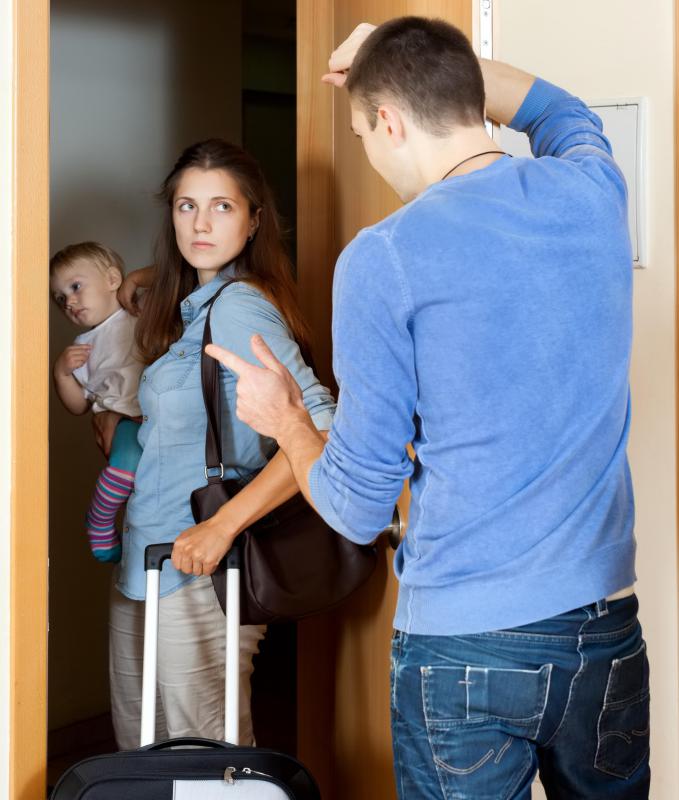
![Verbal aggression and exerting control over others are examples of emotional or mental abuse.]() By: auremarVerbal aggression and exerting control over others are examples of emotional or mental abuse.
By: auremarVerbal aggression and exerting control over others are examples of emotional or mental abuse. -
![Emotional abuse can lead to issues like alcoholism and drug use.]() By: kmiragayaEmotional abuse can lead to issues like alcoholism and drug use.
By: kmiragayaEmotional abuse can lead to issues like alcoholism and drug use. -
![Emotional abuse can lead to insomnia.]() By: Photographee.euEmotional abuse can lead to insomnia.
By: Photographee.euEmotional abuse can lead to insomnia. -
![Emotional spousal abuse should never be tolerated.]() By: JackFEmotional spousal abuse should never be tolerated.
By: JackFEmotional spousal abuse should never be tolerated. -
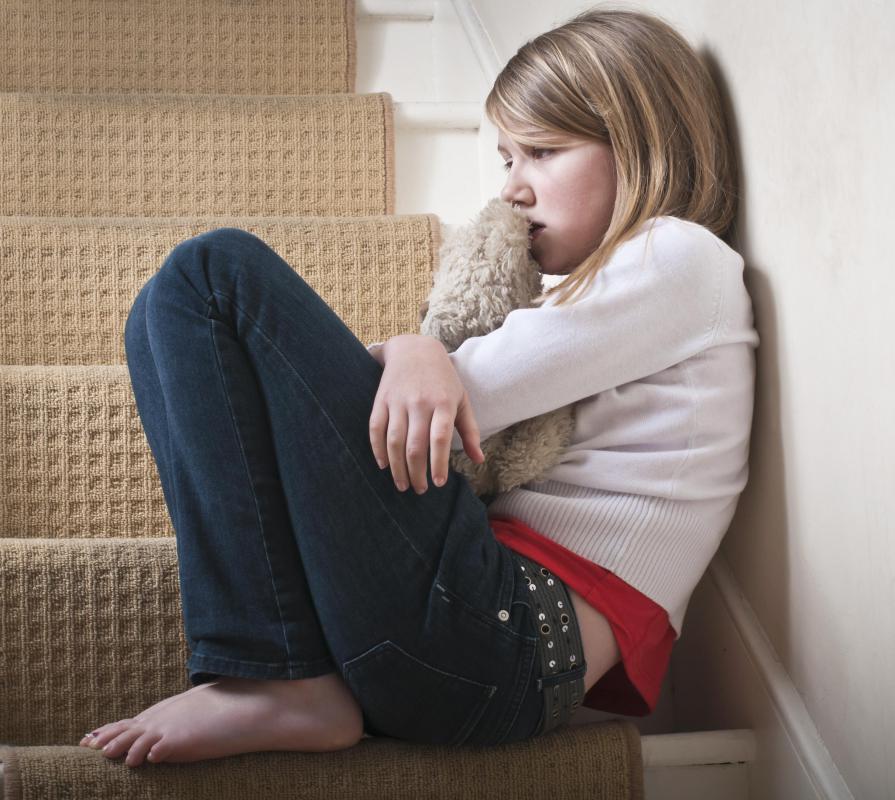
![Children who feel neglected suffer emotional abuse.]() By: fasphotographicChildren who feel neglected suffer emotional abuse.
By: fasphotographicChildren who feel neglected suffer emotional abuse. -
![People who were emotionally abused tend to seek out overly affectionate partners.]() By: Hunor KristoPeople who were emotionally abused tend to seek out overly affectionate partners.
By: Hunor KristoPeople who were emotionally abused tend to seek out overly affectionate partners.



Discussion Comments
@anon332901: No, it's not normal. Honestly, it sounds like your mother has serious mental and/or emotional issues, and it's not your fault.
Please talk to a trusted adult about what's going on in your home. You need to get a teacher or counselor at your school informed about this. No child should have to deal with this.
Be prepared for your mom to say you're lying, but also have friends who know your situation speak up for you. Please reach out for some help.
My mother has been so cruel to me throughout my life. I'm 14 and some people may say that I'm overreacting because I'm a teenager, but that's not true at all. I grew up watching my step-father, who was an alcoholic, abuse us physically and emotionally. My mother stood back and watched it happen for as long as I can remember. She blamed me for her divorce from him to my face and then she started dating again. I told her I didn't like her boyfriend because he was an alcoholic and she threatened me, yelled at me, threw me inside my bedroom and forced me to pack my bags because she was going to put me in an orphanage.
Then, after her boyfriend attempted suicide, she dumped him and then went on to the next guy. He swore at me and called me obscene names in front of my brother. I told my mum and she grounded me and took my stuff away from me. Then she dumped him because he ''insulted'' her, which really made me feel as if she doesn't care about what he said to me.
She started dating this other guy who is O.K., I guess, but then it started getting worse. My mum now doesn't even spend time with me or even look at me anymore. She always spends time with her boyfriend and when I say I miss her and want to spend time with her, she says she can go to his house whenever she wants and then started calling me a pig, disgusting, etc. Now my brother is acting like he's the boss around my house. He made accusations against me and my brother that weren't true then took my door off its hinges and kept my brother's door on, even though he was accused of the same things, too.
One time I didn't finish a meal and they kept me at the table and forced me to eat it all and I was crying my eyes out because my stomach hurt that bad. I got up and went to my room and he followed me in there and threatened to take my computer away and everything if I didn't finish it even though it really hurt. Then he said he would take me to the doctor so we could see who's lying. In the morning, even though it was the holidays, we had to wake up at 10 a.m. and he forced me up and threatened me saying 'if you don't get up I'm taking everything away from you,' even though we didn't even do anything that day.
I hate crying and feeling empty and picked on. I'm hate feeling sad and feel like crying when I sleepover at my friends house because their mums are hugging them and treating them like they are the center of their world and yet I don't even remember the last time my mum even talked to me, hugged me or told me she loved me. Is this normal behavior for families?
We are a military family that has to deal with deployments after deployments and that's the choice I made when I married my hero. We have two wonderful children together and our son has ADHD which is controlled by meds.
Three years ago, right before my husband was to deploy again, we found out my mother-in-law, who has bipolar/schizophrenia, lost her job because she had breast cancer and was going through treatment and became too weak to even get off the toilet. My husband and I made the decision together to move her in and make her our dependent.
It took me three weeks to get her healthy again with homemade soups and boost drinks, but she was able to walk up stairs and looked really healthy before my husband deployed two weeks later. Then, six days after he deployed, she woke up with bell's palsy so I took her to the hospital because I thought it was a stroke. The hospital then sent her out to a hospital two hours from us (I told them about all her meds and the times she takes them). A week later they released her to me, which I didn't think was a good idea, I but took her home anyway. Come to find out, she was off all her meds. She was seeing vampires and critters and was tearing up my house and wasn't sleeping at all.
I took her to the hospital to get her help and no one would help until I had the police remove her from my house. Eleven days of hell was too much for me because she was mean and she said she was going to hurt me, not the kids. I then had her at six hospitals over seven weeks from Barstow to LA. Finally, we got the help we needed and after about four months, we were back on track.
Now my husband is deployed again and we have been in the hospital two times for her going off her meds and the meds not dissolving in her system the right way. They have now changed all her meds over and they say she is doing better but I don't understand why she lies all the time and throws fits like a four year old. I have also asked her doctors if she has other issues because her memory is never there. You can tell her one thing today and tomorrow she says she didn't remember. She also is like moody one minute and happy the next. Yet they think she is O.K.. It is like living with too many personalities and nothing is the same from day to day.
I feel bad but I am stressed to the max and don't think she can live under the same roof as my kids and me. It seems like she has no respect for any of us and she is always arguing with my 10 year old son who doesn't understand what he did wrong. Is it wrong for me to give up? I hate giving up but don't think I can take any more of this. My friends and family can't understand why I have put up with this so long. They would never have dealt with this for so long.
There is no one else who will take her in and all I want to do is find her a senior home with help for her problem. She tells her doctors that I shouldn't have to put up with her like this, that I have saved her life so many times, But isn't that what you do for family? I try so hard to communicate with her but most days you don't know who she is. I have talked to her doctors about her mood swings too and they keep on trying to adjust her meds but I am ready to throw in the flag for the sake of my kids and my health. But I feel so bad, but why do I feel this way? Her own family wouldn't take her on. Please give me some advice.
Sorry to hear about everyone's emotional or physical abuse. I sympathize with you guys as well. I have been emotionally abused by my dad ever since I was little. My mom and I still goes through the torment. I am 25 and it feels terrible still that he calls me worthless and a failure as a human. I am about to graduate with a BS, which I am proud of. I am hoping to buy a house within the next five years or so and get my mom out of this abusive cycle.
Any ideas on how to soften the pain that she gets? He torments her more than me. I still feel her pain though, as a son. And what makes it worse is that he gambles and smokes.
I wish everyone well even in darkest times. We'll all pull through this and keep hoping. That's how I got through 20-plus years of torment and how I will get through anymore crap that comes along.
@anon21523: I know it must be hard to be abused, and like me, still feeling the abuse. All I can say is you're grown and I hope you have your own place. Your mother and sister can't prohibit you from seeing your ailing dad. So when you have them alone you should confront them about their abuse. That's what I plan to do is confront my dad when I move out. Then at least you can get it off your chest that you're so angry about what they've been doing. Making them realize you're not so weak as to be pushed around is the only solution if you can bring up the courage to do it. Good luck with what you're going through. You're going to be fine.
I am 23 and I have been married for two years this month. We have one child together that wasn't planned. (he's the reason we got married) We live with my father in-law. My husband has blamed me for everything that has gone wrong in our relationship. He blamed me for getting pregnant, he blamed me for keeping the baby and kept reminding me that it was my fault when I told him I was in pain.
He has been physically abusive in the past (he once pinned me down and slammed his forehead against mine repeatedly), he drinks a lot and yells at me for tiny little things like cooking the pizza too long. He brings up divorce when I tell him he's being mean.
Just today is a good example of how our marriage is: I just started my period (I have very heavy periods that sometimes make me get sick because the cramps are so bad). I was supposed to get up at 6 a.m. to go to work today. I woke up at 5 a.m. with excruciating cramps in my stomach and back. He told me I could call out from work as long as I jerked him off. I ignored that and called in anyway, thinking that he was just kidding. After taking care of our 21-month old son all morning, I climbed back into bed still in a lot of pain and he tells me to rub him. I said I didn't feel like it and he said "I let you call off of work. You have to do what I ask now." I told him I didn't feel well and I had been throwing up in the bathroom, and his answer was, "Oh, you're PMS-ing? You're fine. Now rub me."
If anyone read this, I hope you can understand. All you have to do is take action. No matter how much abuse you are getting, you can get out of it just by taking action.
For example, if you are forced to lie to Child Services, do not lie and keep telling the truth and scream to get their attention so they can come to your house. Just one scream or a sense of trouble will alert them. Do not hesitate because if you do, you will continue living in a living nightmare.
My situation is one of having been bullied very badly at work by some ambitious students while I was pregnant. My boss supported this because he knew the bullies and I was fairly new to the workplace.
I fought for my place and won, however it still gave me a sense of failure and this has affected my confidence at being a mother.
There has not been support in the community to my role as a mother who is breastfeeding, learning how to look after my babies, etc., and I have struggled on, doing the best I can.
Even though I won my battle contractually, I haven't won this emotionally. I am supposed to return to work but I just don't want to. I haven't been near the place during all of my maternity leave or kept in touch with any work colleagues. I have the feeling of not wanting to let myself down by giving up my job and maybe suffering financially, but I find it impossible to be positive about returning to work.
Unfortunately, I feel like a failure because I have also put on weight and seem to be only doing things to help my babies to the absolute neglect of myself. I don't seem to be able to do anything to benefit myself at all. The only reason I have not resigned is that I am worried that I may be rash in this. I don't think I can see the situation objectively.
First, I want everyone here to know that I read all your stories and empathize with each and every one of you. I hope your situations improve and that you can heal the damage done to you. I wish you all health and happiness.
I am now 45. My mother, who was my emotional abuser, died in 1999. That relationship has no closure for me. I have had a hard time putting that past behind me. I also have trouble functioning like a normal person because I have such low self-esteem. This has hurt me professionally, as well as in my personal relationships.
Luckily, my husband knows everything and has been amazing. He has been helping me see a realistic body image (as opposed to what I see in the mirror) and to feel smart, capable and worthwhile as a human being.
My dad died of a heart attack when I was three. The few memories I have of him are happy ones. After his death, my mother drank too much on a regular basis. I suppose a lot of people would say she was an alcoholic, but I think her problems went a lot deeper than that.
Really early on, I learned the difference between private and public. Public was for show. Private was in the house, full of secrets that no one except she and I could ever know. Private was reality and real consequences.
Mostly there was emotional abuse. There were some incidents of physical abuse too (black eyes, boiling water and a hot sauce pan tossed at me in anger, beatings severe enough to break the skin with switches, hair brushes, electrical cord, metal spatulas, etc.) The emotional abuse was so much worse because it was a near constant. That was our norm. Being emotionally abusive was how she related to me when we were in private. When in public, she played the perfect mom.
Growing up, kids I knew in school or in the neighborhood would remark how nice she always was or how they wished their moms were more like her. She made a point to meet my new teachers and make friends with them. She had a knack for charming strangers in seconds flat. Our neighbors all loved her. As far as I know, no one from my childhood ever suspected how I was treated.
When alone, there was a steady stream of verbal abuse. Basically, she hated everything about me. I was too lazy, too messy, too fat, too stupid, too ugly for her or anyone else to want anything to do with me. She wished that she had aborted me. I ruined her life. I didn’t deserve food or a roof over my head. I killed my father with worry. I drove her to drink. She could have found another husband if it weren’t for her having me as bad baggage.
She was only physically affectionate when playing to an audience. In public she kissed, hugged, doted like an Oscar winning actress. In private, nothing I ever did was enough. After I did my chores, she would check if I did them right. Of course I failed to do anything the way she wanted it done. Eventually, by the time I was seven, I was doing cleaning, laundry, cooking, dishes -- everything -- but still nothing was ever up to her standards.
Whenever I got a toy, usually from an older relative or my school friends on birthdays, I couldn’t play with it because she didn’t want me to ruin it. I had to keep all my toys in their boxes or on display shelves. I had to keep my room spotless. If I got up in the middle of the night to use the toilet, I had to make up my bed first. I had to dust or vacuum everything in my room every day. It was the only time I was supposed to touch toys. I used to ask relatives not to get me anything for birthdays and Christmas until my mother found out. Then I had to ask them for money which I handed over for to her for my keep.
My grades were pretty good. I loved school because it gave me room to be a kid five days a week. Except for one year when I was hospitalized for a week (an unrelated accident) I had perfect attendance. I always managed As and Bs even in high school and college. But my grades were never high enough. Getting a B was the same as an F in her mind.
When I was cleaning, I found one of her old report cards from her high school. That semester she was a low B student with a C and one D in the mix. But, I knew better than to bring that up to her when she complained about my grades.
Any sort of perceived criticism toward her was dealt with like a war had been declared. Failure to obey, failure to maintain secrets, having a smart mouth, acting out -- all these things were tantamount to declarations of war. And going to war meant I lost big time.
I had a cat named Stretch for maybe half the year when I was about 9. That cat was my first pet and dearer than my life to me. She took it to the pound one day when I was at school. I looked all over the neighborhood. I walked to school every day calling “Here Stretch!” for about six months before she finally told me what happened. She said Stretch was put to sleep just because I couldn’t obey her simplest requests. That was how my mother engaged in war.
I became a very peace-loving child. I obeyed without question. I walked on eggshells. I put up with whatever was getting dished out. I promised never to talk about anything that happened in the house with anyone. It didn’t matter how well I behaved. I was still a disappointment. Her constant put-downs remained.
In high school, I wasn’t allowed to date or see friends outside of school, because nobody would want to spend time with me unless they wanted something from us. Between my studies, an after school job, and the housework I really didn’t have the spare time anyway.
All the money I made got charged for room and board. I couldn’t save any money for college and never had spending money, like not even a quarter for a pay phone. I tried to hoard some money but she found it. She used to go through my things all the time. Anything mine was really hers. My mom bought all my clothes until I started buying my own in college, so you can probably imagine how cool I looked. She always dressed me younger than my age, junior dresses in high school that little kids wouldn’t want to wear, t-shirts with muppets, lots of pink and hair ribbons -- that sort of thing. As a result, I attracted more than my share of creepy old men trying to lure me into their cars, while being a virtual pariah to boys my age.
I got several academic and need-based scholarships that mostly paid for college without accruing too much debt, thanks to the insane dedication of my high school guidance counselor (I can never thank you enough Mrs. Watts). I got a student job on campus and had my first taste of spending my own money. Unfortunately, even though I was a five hour drive away my mother still haunted my life.
My freshman college roommates (there were four of us in two rooms with a shared bathroom) were the first ones to figure out that there was something wrong with her. She called me excessively all hours, day and night. She demanded my class and work schedules, which I refused to give her. She got rid of everything in my room and rented it out to an lady on social security. She tried to enlist my roommates to spy on me for her and report back. When all three said no she was forever sweet-talking them trying to get them to tell her who I was seeing, where I was going, how did I look, did I talk about her, was I still a virgin? We managed to get a new phone number and requested it not be given out to anyone. I still called her regularly from a pay phone because I didn’t want her to show up.
The summer after my junior year she fell and broke a hip. I ended up moving back in for a couple weeks to take care of her during her physical therapy and recuperation. A lot of people have asked me why I would do that. My only answer is that she was my mother. I loved her in spite of how she treated me. I wanted her to love me too. I could never figure out how to make that happen.
Her health slowly declined after that. At several points after college, I ended up moving in with her for a time: two knee surgeries, another broken hip, a ruptured disc, ulcer surgery, to name a few. Some health problems were directly alcohol related, like most of the broken bones resulted from her stumbling around drunk.
As bad as the verbal abuse got when she felt fine, you can imagine what it was like when she was laid up and in pain. I did it anyway. She was my responsibility, I felt. There was no one else, I told myself. Really, I did it all in hopes of hearing a kind word from her, a realization that I wasn’t all bad, maybe even an apology from her for being so horrible all those years. I wanted us to turn over a new leaf.
Yes, I realize how crazy it is to put myself through more of the same hoping for something different. I just couldn’t do anything else. My greatest wish from childhood, apart from seeing my dad again someday, was just to get along with my mom.
Thirteen years ago, I got a call from the police that she was found dead in her house. Had she been mother of the year material, I don’t think I could have mourned her any more than I have and do. I’m still coming to terms with her death. I’m also dealing with what she has done to me.
I don’t like myself. Every time I look in a mirror I see the blob of ugly fat she convinced me I was. I have struggled with eating disorders my whole adult life. As far as my character, I still see myself as the sum total of all the flaws she saw in me.
My greatest fear in life has been getting pregnant. I’m terrified I’d be the kind of mother I was taught to be. My husband says it’s okay that we don’t have any. I know he wanted one though and feel terrible that he has denied himself fatherhood because of me. I told him to marry a woman who could be a mother instead of marrying a basket case like me. He said, “Too late. I love you.”
I have never asked for a raise as long as I have been working, though I’ve received a few. I have never been able to convince myself that I deserve one.
I can’t convince myself that I deserve love, though I have a husband who loves me. Lately I can almost see myself as my husband sees me. Sometimes, I even feel pretty because of the way he looks at me. I do realize that some day I’ll have to start defining myself, rather finding definition in how others perceive me. I know that intellectually. Maybe one day I’ll get there.
My family is dysfunctional. My mother says she only cares about herself and doesn't want her children. I keep getting sucked in by this. She asks for help with something and I think I can help her then she uses it as a chance to explode at me and make me look bad. She especially hates it when I seem happy and look good or get a boyfriend. She goes completely psycho. The pattern keeps repeating and I have to get out of it as it is so destructive to me.
@anon21523: I've been in similar situation, seeing my parents each and successively taken advantage of by a mentally ill brother and his wife who lived there at the house and ultimately wanted complete control of their finances. No adult protective services agency was interested in intervening.
The legal system allowed my brother to declare himself power of attorney with absolutely no legal justification. Kaiser Permanente gave him POA, even though he was a mental patient with records right there, and over the objection of other family members. They said to "get an attorney" if I disagreed, but no attorney would take the case because it was not "profitable" for them.
So my best advice is to walk away and just live your life and leave them all to themselves. They'll only drive you crazy, and your dad will likely get better care than in one of those for-profit nursing homes, no matter how marginal it is for him at home.
I made the mistake of getting in touch with an old lover while looking for ways to find a job. Now a billionaire industrialist, he seemed glad to hear from me. We had separated because of his older sister calling me and telling me it was over, that he never cared about me and that I would never be accepted by his Chinese family, coupled with the fact he was too cheap to call me. He claimed his sister's comments would have never altered his decision, even though he was the only boy.
Instead of inviting me to dinner once back from a yearlong research gig, he had refused to do anything more than talk in a car or to demand why I never answered his love letters on my front porch with my parents there. I couldn't because they had been intercepted all year long by my mother, who worried about me getting involved with such a mean family, and I had assumed it was over. Moreover, I was angry he'd waited nine months to finally call me, only to say he didn't want to spend valuable money we'd be using on our European trip on phone calls or even to have a conversation then, even though everything by then was already ruined. It was too late to make plans.
So finally, after 30 years of not talking, he told me I “deserved” dinner after all, and it was an expensive one and he gave me some cash afterward -- enough to make a couple of health insurance payments, when I told him I'd probably become homeless if unable to find a job soon, and not until he'd been able to hear my explanation about his family's interference (which he denied) and my own, being able to blame it all on me, and then tell me "You're on your own." And despite having free cell phone service and visiting the local area frequently in his business travels, never hearing from him again. He said his older sister wouldn't "let" him help me (crap), because when I called her and asked her why she'd done such a mean thing, she'd laughed/cackled, and said that she'd do it again and the same exact way because it was simply "so effective," and again laughing as if she had enjoyed it, and he said it was because I'd called his sister that he wouldn't talk to me anymore, even though he'd completely denied her involvement and I wanted to prove him wrong. No, she proudly took complete credit for it all and laughed about it.
He had carefully manipulated the situation so that he got his emotional revenge for being rejected himself years before, even if it was because he absolutely refused even so much as a date for dinner or coffee to discuss things face to face and because the phone call came much too late. Then, after driving me to tears telling me, "So you see, I was supposed to be with you," because he said that he'd never found anyone else he loved despite all his efforts and eventually settling down, he derided me with "that was 30 years ago" and laughed it off. I told him all I'd asked him for was help finding a job, but he refused by telling me I had to go do it myself or get retraining, even after telling me I was as smart as any of the people he knew, including all the Nobel laureates he'd worked with.
Months later, I crashed my car. I flipped it and took out a power pole because I'd been so depressed, and then I stayed at home for four months and lost 40 pounds because I stopped eating as well. I told him by email by phone by letter, but I got no response. Yet he had said, "This dinner is all for you." And as for the discussion of "old times" referred to as "your therapy" when in fact it was nothing short of cruel. He was just getting even, I guess.
This is good site. I am from India. I thought the problem is mainly in developing nations like India, China, Brazil, etc., but here I am witnessing it everywhere including in developed nations. My story is as follows.
I have strict parents and we live in a joint family, which means more than one family lives together. I have beaten up so many times through out my life. I am 25 today and even now, still they can beat me whenever they want. Beating a small child was not an issue in our family. The crying of a child was not an attention seeking event. The main problems were due to financial constraints.
My parents always compared their children with each other, selecting who is the best. That ruined the child selected as worst.
Today they tell me that because of me, they have sacrificed their whole life and now if I won't even serve them, then what is the meaning of their life?
I am able to cope with the situation because of my interest in lots of fields like quantum physics, astronomy, etc. I am lucky to be able to avoid them as much as possible.
It is sad when we are treated badly by the persons we trust the most: our parents.
My father jumped at me several times with a knife and yelled at me. The last time he has threatened me with a knife was yesterday.
After years of this abuse I found one interesting pattern: he always gets in a fury when you tell him logical things. For example, yesterday when he got mad at me, I asked him how he can be so bad to his own son. His reaction was was even worse and he jumped at me with the knife.
I would like to find the reason for the pattern of his furious behaviors. He is so totally irrational. For example, if I make him tea and bring it to him, it triggers this furious reactions in him. But if he asks me, for example, for tea, and I say that I won't make any tea, he acts normal and doesn't have his rages.
I was a healthy person until I was 15. Then I moved from my mother to my father and from there on my problems began. I wish I was never born. I can't deal with it any longer.
There are plenty of parents who are worse than mine, don't get me wrong. However, both of my parents have repeatedly hurt me emotionally.
My parents got divorced, and my custodial parent decided that, even though I was only 11 at the time, that I should know all the details. I heard things from both my parents, about one threatening to kill the other, one physically abusing another, an affair one of them had when I was six. They told me these things.
I had witnessed many arguments between my parents, and at least one incident of what seemed to be an attempt by one to physically harm the other, but most of it was a bunch of "She did this to me" and "He did that to me". After my parents divorced, my custodial parent manipulated me and for a little while, and at least succeeded in making me think the other parent was evil. Of course, the other parent was hurt and exploded when me and my sibling finally came around and tried to reconnect. At least an apology was offered in that case.
But you know what one of the effects of all that was on me? I felt very guilty. I felt like it was my fault. I felt like I had hurt my other parent. I felt bad. I also became very very resentful of my custodial parent. My custodial parent would act like a child, and say hurtful things to me, and blame me for things that weren't my fault. My custodial parent would date people, and when the relationships would end me and my sibling were blamed for it. My custodial parent would claim to be suicidal over the break-ups that were of course *our* faults.
My custodial parent is a wall, and just simply won't listen. My custodial parent is also very religious, and yet also very hypocritical, and uses religion in hurtful ways at times. Both parents use a specific tactic when I do things that frustrate them: "You're acting like your mom/dad." Considering that both of them have expressed hatred for one another, I don't feel very loved when being compared to the object of their hatred.
It all just really hurts, even as I'm getting older and more independent. I love them, but they've really dealt me a lot of pain.
This is an excellent site. I was interracially adopted and was sexually abused as a child. I don’t remember it, though. But I was the one who told my mother it was happening. It was by a foster child.
My concern, however, is not with the sexual abuse. It is about the emotional abuse doled out by my mother. Because she adopted black children and is financially generous, she has created this false image for people to believe she’s a saint. It is really quite disturbing. I am fortunate that through counseling and my relationship with God, that I’ve experienced a tremendous amount of healing and insight. This has helped me develop important boundaries in our relationship.
However, because emotional abuse is so insidious, it becomes exhausting at any level of engagement with her. Also, I’ve found that the fear of confrontation about this behavior has hindered my ability to write. As a writer, it is important for me to speak from a place of truth, and it has really been hard for me because one to things about emotional abuse is the fear of exposing them. I may not even decide to share the story, but there is a fear there that ticks me off that I have to work on.
anon242128, Post 48. So this is me again, but now I have something new to write because today contradicted my old story. On the way to the meeting, my husband at first asked that I give him $20 for heroin. Now again, I repeat, at first I said no. I was tired of enabling him. Then he said I was dumb and stupid and he said I didn’t care about him because he has this so-called symptom and he is always in pain. He said he needed the dope to help him a little but since I was not giving up the money, I didn’t want to help him.
Soon after this emotional abuse he put me through, he said he didn’t need my money because he was going to rob someone to get it (he didn’t). This is one of his ways of getting me to give him money because I get scared that he will go to jail. Before he got the money he didn’t care if I left or stayed, none of that, but after he got the stupid 20 dollars, he started kissing up and then being all nice again.
I just don’t know what to do anymore. I’m so tired of this. If I leave, I will have no one to take care of my children. I won’t be able to work or go to school and therefore my kids won't have anything in life because I know I can’t depend on an addict to support us. I know I don’t deserve this but I feel so stuck and even though he treats me like crap whenever he starts wanting to smoke crack or do dope I still sympathize with him.
He threatened to hit me today if I didn’t shut up (because I was griping) but he didn’t -- he punched through my car window though. These threats do scare me because again, like I said in my previous passage, he used to hit me. I’m so tired of crying and being hurt just because I’m trying to help him. I’m trying so hard to ensure a good life for him and my children and I just don’t understand how he can emotionally abuse me like this.
It’s 3:30 a.m. and I have to wake up, get my daughter ready for school and go to work in the morning, but I can’t sleep because I’m so stressed out. He says that he’s made so much improvement because he doesn’t go out with his friends any more or hit me so this drug habit shouldn’t be an issue because he’s trying to change.
I’m only 22 years old and yet I feel 50. I have no good ending to this story as he lays drugged out next to me. I’m developing a hatred for my life. It’s just so sad. I really don’t want to be hurt or scared or anything like this. I grew up with my mom being an addict and now my husband. I know the only chance I have is to keep faith in God.
axWell I don't know how I came upon these post but I did and I felt the need to share my story because there was not many like mine. Where to start. Well my mother was a single mother, she worked a full time job just to support me and her husband ( which was not my biological father was in and out of jail so much I. Barley saw him but when I did he was fighting with my mother or drunk as hell. My mom was a functional attic using crack only on the weekends and always making sure all her bills were paid. I use to wait for every Saturday and Sunday With those being here days off but most of those days she would use crack. I remember at the age of 9 I use to find her pipes argue with her and cry. She would always promise not to do it anymore but she still would. She did take me out on occasions and we did have fun for the most part she was a really good mom. So to continue with the story at age 12 I started smoking and drinking with my mom being aware of this she would give me cigarettes and sometimes buy me the alcohol to try to get me to stay home. Sometimes if she didn't I would not come home for a couple of days and with her being at work she had no clue what was going on. After 2 yrs of recklessness drinking smoking pot having sex ( started at 12 by the way). I met my husband at the age of 14, I'm now 22. He used heavily of pot and alcohol 3 months later I was pregnant and my little girl was on the way. In the beginning my husband was physically abusive for years, he's no longer like this now he just has a heroin and crack addiction. Us being at the birth of 5 children 3 being placed for adoption because I felt I could not take care of the last 3. We have 2 of our kids with us my 7 year old girl and my 5 year old boy. My husband tries to use every single cent on drugs and I try to control it. I no longer use drugs or drink. I try to be the best mom I could be. I'm now in college for my degree in nursing and a manager at a fast food location. Although I'm doing all this I feel emotionally abused by my husband because of the lies and continues drug abuse ..but that's an arctic right? Either way I found that maybe I don't leave him because of my mom being a user so therefore I have insight about the issue. Life changes so much and as of now I feel fine but when I do get upset I cry badly especially about the three children that were placed and I blame him because in a way I feel if he were not an addict we could have kept them all but with his addiction we simply could not afford them. I'm currently staying with my mother in law who gets on my nerves but is an angel she watches them for free and only charges us 200 a month for rent. She knows her son has a problem and because of it she helps us so much. She has pretty much been raising me since the age of 14. She buys our kids clothes and books and every thing when they really need it. She inspires me to stay in school and sympathizes with me having to deal with her son .although I'm in school and have a job I'm still upset because I know I will be the base bone of this family and I don't want to deal with my husbands drug problem every day but I do. He's a great father uses heroin only occasionally since he started his methadone program, so until the paycheck comes in he's a good guy. He doesn't hit me anymore none of that but when money does fall into his hands it pure drama, lots of tears because of many broken promises and fighting because I won't give him the money or he will refuse to go to work if I don't (fyi he gives me his check after he takes out about 50 bucks but with a crack addiction he wants more once that 50 is gone ) its just crazy. I hate it how I'm doing so good but he is messed up. He cries when he is sober and caters to me like a princess and claims he won't touch it he chooses me over it and I can trust him but again once the money rolls in it all changes. I guess the only thing I can do is pray tomorrow we are going to church and to an n.a meeting. I just felt like I needed to get this out thank you for listening
I thank God that I have found this site. My situation has been getting completely out of hand, and I feel so alone. I am sorry for everyone that we have had to go through this, but I am grateful that there is a light at the end of the tunnel and that I will escape this!
I am a 25 year old, single female who still lives at home. I graduated with my bachelor's degree three years ago in elementary education and have been working as a substitute teacher. It has been difficult to find an elementary teaching job with the recession and the excess of elementary teachers in my area. To bide my time, I am also in graduate school to get my licensure in special education, and only have two semesters left. I have been a straight A student my entire life, and have never touched alcohol, drugs, cigarettes, or messed around with guys.
I have been accustomed to emotional abuse by my mother for at least 10 years now, but presently it has become unbearable. My mom's anger has greatly increased due to the fact that my 22 year old sister has become recently engaged to be married, and has started to assert herself. They are constantly butting heads and after my sister leaves the house in a huff, my mom turns her anger on me.
You see, my mom is a very religious and spiritually abusive person, and believes that because we still live under her roof, we have to "obey" her. That means we have to ask her for permission to go hang out with our friends, eat food in the house, etc. But this also means that if we are "insubordinate" to her, that she can technically "punish" us. Her punishments have been taking away my phone, taking away my keys (even though I have to go to work or school), taking away my advil when I was in excruciating back pain, and refusing to let me see or talk to my friends (and she constantly reminds me that I do not have any). She says that if I tell my friends about our family problems, she will make my life a living hell.
To add insult to injury, she calls us "pharisees," even though we are active in our local church, and asserts that we are not real Christians and are "full of demons". She believes that she has a great relationship with God, even though she swears at me on a regular basis, and has called me every name imaginable. The most hurtful things she has said to me are "I hope you get raped" or "I wish you would have died when you are born." She gets a kick out of calling me "fatso" even though I am about 5' 5'' and a healthy 135 pounds. She has gotten angry enough and has hit me a couple times, and when I threaten to call the cops, she just tells me that she didn't do anything wrong and that she was reacting to me abusing her.
The worst is when she pits our family members against each other. She hates my father and wishes to divorce him. Granted, my dad is not perfect, but he is not a terrible husband. My dad will refuse to do something if she asks only if she has insulted him to the point of making him "shut down." She always insults his weight, his appearance etc. and accuses him of looking at porn and other jacked things.
When my dad refuses to give into my mom's bogus requests, my mom will threaten to punish me when I cannot make him do what she requests. This, as of today, includes telling me that I can "never drive her car again" and that she will call my pastor and spread lies that I shouldn't be working with children.
Because of my limited income and the fact that I have to pay $400 a month to live in a home where I don't feel emotionally safe, plus $200 a month for my own insurance, I do not have much money for a car to get away from my situation. My mom seems to get a kick out of threatening me to not let me use the car, and it has been the source of many sleepless nights wondering how I am going to get to work in the morning. A lot of times she will send me on grocery runs because she barely leaves the house these days, promising to pay me back, but when I ask her to pay me back the $100 I spent she says, "How dare you! After all I have given to you!"
I have confided in my friends, and they are willing to pick me up and get me out at any time. I am just afraid because when I leave, I do not want to come back. She has threatened me saying that if I leave, she will give my stuff away to the Salvation Army, spread lies about me at church (even though no one would believe her) etc. I am just getting tired and scared. The only reason I am able to post this tonight is because she finally got pissed enough and left to spend the night at my grandmother's house.
Just pray that I have the courage to love myself enough to get out. I have broken down emotionally several times in the past couple months and it is affecting my work and my school work. Thanks for listening.
My parents said they weren't abusing me, but everything on this page made me say "Oh, my God!" because it was exactly what was happening. Should I listen to them? (I mean, this was years ago, I'm not at home anymore, nor do I talk to them).
I can relate to some of these. I was the youngest of 8 children. I think mainly it was mostly neglect. I don't remember my mother ever really doing anything at all for me. It was always my older sister. She, in all truth, was my mother for all practical purposes.
One memory I have most vividly, was before I started to school. My mother was asleep on her bed, which was usual, and all the other kids were in school. I was maybe four. I started getting hungry, and I went to wake her up, She kept telling me to leave her alone. Well, I crawled up on her bed, trying to just be close to her because I was lonely, and she basically tossed me off the bed and into a wall. I got up, went to the kitchen, and ended up eating stale bread.
When my sister who raised me got married and left home, she begged my mother to let me go with her. She refused. I felt devastated. The only person I trusted was leaving me. I didn't know what to do.
I started hearing stories from my sister when I was older that my mother had never wanted me, and that when she was pregnant with me, she stayed drunk trying to lose me.
When I was 14, I asked her about it. She told me straight to my face I was nothing but a mistake, that she was on the pill when she got pregnant and she never wanted me even after I was born. I was heartbroken. I went into a deep depression, and tried to kill myself at age 15. She never noticed the fact that I was crying out for attention. She didn't notice the fact that at 5'2, I weighed only 70 pounds due to bulimia. She didn't notice me.
My mother was an addict: gambling, bingo, cigarettes. Whatever you can think of that was legal, she was addicted to it.
I moved out at 17. After years of trying to forget, I was finally able to get past it.
My mother has since passed. I miss her, but I can never forgive her. I am so messed up mentally that it isn't funny. The only thing she gave me is a strong resolve to be nothing like her with my daughters. I would die first.
My parents and my sister have abused me since the age of five. My mother cannot take care of her affairs and she blames me for her problems. I had paid $3,200 toward the utility bill because she does not pay her bills. She abuses me and has told me throughout my life that there is something wrong with me. I got straight A's. When it was time to go to college, she did not drive me there or help me fill out the applications so I had to do it alone.
I wanted to model and become a singer at a young age, but she never took me to the agencies. She has called the police on my friends for drinking alcohol. Once she did, indeed, tell me "If you come out of this room, I swear to God I'll kill you." She is a sick, heartless person and I do not have any ease of character. I feel very constrained in my emotions because I am afraid to express them due to being afraid of somebody doing the same thing to me.
I really do believe this is hard-core abuse. When I meet the one that I spend the rest of my life with, I hope to join in on his loving family. I pray for all the other abused children out there and I hope you make it to where you want to be. Never give up on your dreams.
Just finished crying. Except I can't go to sleep and it is now daylight. I somehow wandered on this page. My story is very similar to the majority. I grew up without my dad but I know him. My mother was hurt as a child and hurt by all the men in her life. She virtually ignored my oldest sister emotionally. When her adopted mother tried to fill the emotional gap, she hated that and made her resentment clear. She abused her mom sometimes, although it was well known to everyone in the house that grandma was very mischievous. She lied, manipulated and stole, but all of us children were sure she loved us in her own way, but her manipulating schemes made that feeling hard to trust.
My mom bullied and destroyed my older sister's self esteem, often calling her degrading names and telling her she was worthless. For a time, she too, was a bit promiscuous, and I have learned in recent years that she was molested by my uncle and my grandfather. There seems to be many more secrets in that vein where my mother and older sister were concerned.
I was aware of all the chaos around me from early on and tried my best to block it out, often seeking to be alone. I appeared extremely bright as I found a friendly companion in books and they were a source of escape. I used to read anything – even labels – to avoid the chaos. I soon became aware of the problems between my parents when she didn't want us to see him anymore. Every time she had a problem with him, she took it out on me, and out in a position where I felt like I had to defend my father or feel guilty about how I felt about him. She alienated me in favor of my twin and the chaos I had tried to avoid was mine to deal with.
I was physically, verbally and emotionally abused by her for may years and I hated her. She made it clear that she preferred my brother by telling me I was my father's child and he was her son and no one can take him away from her. During this time, my older sisters were already grown and had moved out.
She left when I was 12 and I haven't seen her since. She sent money every month. Somehow I was pushed into her shoes. I was responsible for managing the household because my grandparents were old by this time. I was forced to grow up suddenly. I was lonely and stressed out a lot. I felt like I was missing something. I found it briefly with a 25-year-old man when I was 14 and I lost my virginity. When I was 17, I found it again with a 19-year-old guy. Turns out he was narcissistic, emotionally abusive, manipulative and I think there were some possibly bipolar tendencies thrown in somewhere. I stayed looking after my family and getting good grades while this young man filled who filled the hole a little, while at the same time abusing me. My main motivation for doing well in school was the urgency I felt to leave and be independent of my family.
Neither parent was interested in anything I did. I lead my life. My twin after my mother left gave up on life, has been depressed and suicidal for years. He has dyslexia, low self-esteem, many phobias, bursts of rage and insomnia. We didn't communicate a lot when mum left because we both resented each other. I am not sure what his story is. Part of it is that my mother crippled him by not allowing him to take responsibility for anything, accepting his violent behavior towards me as children and not allowing him to do anything for himself. He was waited on hand and foot, especially by me. He was and is still a liar. He lies even when he doesn't have to. I think he probably feels inadequate because I and the oldest are successful and he tends to lump himself with our older sister who, like him, didn't do well in school.
I eventually left my abusive boyfriend, only to find that I had developed a dependence on him and I did and didn't want to be alone. I left home for college. I thought it would be easier but I was unhappy. I was alone more than ever. I had no boyfriend and I seemed to have a lot more time to think. I started to have the same nightmare over and over of a hand touching me as a small girl and that same hand taking my little tiny one to place on their large private part. I met the owner of the hand in my dreams one day. It turned out he was a family member. I instantly hated him and I knew then my dream was a memory. Apparently, he had also molested my older sister too.
I started to rebel. All my life, I was a fairly good girl, considering. I started drinking heavily to numb the pain. I started to swallow hard liquor like it was water and found I had high tolerance for it. It would sometimes take a lot to have the desired numbing effect. My grandpa was a drunk too. He used to smack ma grandma around a little, and also mom when she was younger.
I started to have short sexual relationships with men five to 10 years older. As soon as I developed any sort of emotion or feeling for the guy, I was gone. I wanted the relationships on my terms, so that way they couldn't hurt me. Anyhow, I just needed somebody to hold me even if it was a damn lie. After having sex with about three different guys in three days, I sought the help of a counselor. Everything I had suppressed: every memory, every emotion, anger, hurt, sadness, loneliness, frustration, the burden of knowing there wasn't anyone I trusted enough to tell everything – all just came crashing down on me and I couldn't breathe. For the first time in many years I was actually crying real tears (I had disconnected over the years emotionally from everything and over the years I developed amnesia when it suited me). I realize I've written a lot and it's basically just a sketch.
I am nowhere near healing, and neither are my siblings or my parents. I am usually well liked. I actually have a social life. I push myself to deal with life every day and to trust the other people in my life. I still, however, have problems with setting boundaries when it comes to guys. I cheat, I'm ashamed to say. I have decided to stay out of relationships until I get myself together. I don't know what to expect from a guy in a relationship. I don't know how to deal with emotions. When I'm confused by my emotions, I tend to shut down and I become cold and detached, but on the inside I don't want to be that way. I can give a speech and write the best paper in class, but I can't communicate how I really feel. I don't know how to trust or who really cares about me.
Now I've tried to reach out to my mother but she makes it difficult because of the bitterness, resentment and hurt she holds inside. She is always cynical and negative and she finds a way to bring up her resentment for my father. We sometimes have a good moment on the phone and she ruins it and I hate her all over again, then feel guilty for hating her.
My dad shows me some affection mostly when he thinks he's disappointing me. But I find that I latch on to that little bit of affection and it feels good. He has tried for the last two years to have some sort of a relationship. Maybe my mom was right, because somehow it's easier to forgive him and wanting him to love me and say so.
@anon237725: I read your post. I am so sorry about what your brother did. I can understand your rage and bitterness.
Is there a trusted adult you could talk with? A school counselor, clergyperson, youth leader, someone? You need to talk with someone about this incident.
I completely understand you not wanting to create a rift in your family, but what if your brother is doing this to other people? I really feel you need to speak to someone who can counsel you face to face. Please don't feel ashamed, or as if you're the only person this has happened to. I guarantee you are not. But you do need to deal with this, so please talk to someone who can help you cope with these legitimate feelings of anger. Good luck.
I know no one might even read this but I feel like I just need to get this out. It all happened two, almost three years ago, when I was 14 or 15. I was sleeping and I felt cold hands on me under my shirt and pajamas -- hands where they shouldn't be. I couldn't wake up. I just couldn't. I was so scared that if I woke up that person might do something worse if they knew that I found out it was them so I pretended to sleep through it. After I couldn't feel the hands anymore, I woke up and looked around to see my brother lying on the carpet, pretending nothing happened and he told me that he couldn't sleep and needed to borrow one of my books. I knew that moment that he was the one molesting me. I was just so angry, sad, bitter, and I just can't explain what I was feeling. I told him that I was sleepy and to get out so I could sleep. He left and the whole night I just cried and for the next couple of days, I just avoided him. A couple of months later (I don't how it happened. I don't. I can't even explain it. The only reason I can come up with now is that God woke me up because I didn't even hear any noises to begin with -- nothing disruptive to wake me up), it just happened like I just woke up and I saw my brother's hand kind of reaching for me and the moment he saw me awake, he jumped a little and got scared, and when I asked him what he was doing in my room, he said he needed my alarm clock but by the position of his hand I could tell he was lying because the clock was higher on the headboard of my bed and his hand was lower, kind of reaching towards me.
He left my room and I was just so angry, so I followed him and asked him what he was doing in my room and he told me to go to sleep and to calm down and “I wasn't going to touch you.” If he wasn't there for that reason, then how come he said that? I know he was there for that reason because he had already done it. He's never tried anything like that since, but sometimes I keep on thinking about it and I just want to ask him why but I can't. It's like this unspoken thing between us. I still talk to him, but when I remember I just get really bitter towards him and I just want to slap him and tell him to leave. My mom once asked me why I hate my brother so much (I told her that I hated him and I wished that he weren't my brother), but I just couldn't tell her. I know if I do, something bad might happen because my mom loves my brother and thinks he's really innocent and her sweet, loving son, so if I told her I think my family would come apart, so I just wanted to get this all out.
My mom has always been a high strict mother ever since I was a child. During my high school years, I felt the need to go out because I was always indoors. I did not have friends, so I never went out to see a movie or go out to eat at a fancy place or play sports with friends. During my senior year, though, I made friends and now have some fun. My older sister always did what she wanted to do without being told much. She was able to go out and come back home at 3 in the afternoon.
I only go out every Saturday and when I come back home the front door to my house is locked. I used to have my keys to my house but my mom stole them from me to find out what time I come home when I go out. I am already 18 and this is getting to me. I can't move out because I am studying at a local community college as a first year student and I feel quite pressured every time I am at home.
Not too long ago I insulted my father and called him stupid because he has anger management issues. Every time my little sister does something silly or is being spoiled he says this, "You all are making me so angry and I should have not taken you all out to eat.” I always defend myself and tell him that I did not do anything. Well, this time he kept arguing back so I called him stupid and now my mom got into the conversation, calling me a stupid boy and etc. It's been two weeks and she still insults me and tells me not to talk to her. She uses the silent treatment on me and it gets to me.
I have been dealing with this ever since I was at a young age. I feel like I deserve it, but then again I don't. I can't say any bad words at all. She is constantly being nice to my older sister and little sister, buying them new shoes, new clothes, make up and all this other good stuff. And I feel useless because I don't know why she is treating me like this. She says I have to buy my own toothpaste, towels, blankets and such, but just me.
I somewhat feel like a loser and a nobody. I can't supply myself with money since I don't have time for a job and am going to college.
I was a victim of verbal, emotional and physical abuse for a long time until my brothers moved away.
I'm the youngest in my family, with four half brothers, four half sisters and two brothers. I didn't really connect with my half brothers and sisters until much later in life, maybe because they had different lives.
I hated my brothers, and I still do, really, for what they've put me and my parents through throughout the years.
My brothers would fight as they usually do, but quite often it would go beyond the normal rough and tumble and get extremely violent. I remember when I and lets call him “brother x” locked ourselves in the toilet because “brother y” was very angry and threatening us with a knife. He might have been angry at Brother x, but to be honest, all I remember is sitting on the edge of the toilet crying my eyes out because I was so afraid he'd kill us.
I also remember one instance when brother x was looking after me. He came into my room asking where his comic book was. I don't know why, but I mouthed off to him, saying I didn't know where it was and he beat me with a belt and shoe because of it. I still remember how sore I was afterward.
Brother y and I were the closest in age and argued quite a lot. I remember one instance when we were arguing (over what, I have no idea), and he somehow got me on the floor and was standing on my chest refusing to let me get up, until I was screaming at him to let me get up.
Brothers x and y were very clever and graduated from grammar school. I, unfortunately, wasn't so academically gifted as they were and went to a normal high school and got six GCSEs, none above grade C level. Brother y would constantly tell me how stupid I was until it got to the point where even now I still now believe I'm stupid and worthless. I never had any friends in high school and because of this I was bullied. I simply just hid myself away even when I was at home, preferring to sleep rather than deal with people around me.
I did go to a child psychologist but it didn't help much. The only time it got better was when my brothers were out of my life for good.
While my parents never abused me, I seem to feel there is some emotional abuse -- not from my father, but from my mother.
As a kid, we moved a lot, so all I had was my family for friends. My little sisters being my closest friends
Life was okay growing up. We did get lots of presents and never felt like we were poor. But, you know how people can get when they spend too much time together.
Well, being little kids, we'd fight. A lot. My mother would constantly tell us how ungrateful we were and how she would "Swear she'd walk over that hill and never come back to her ungrateful children, so help her god!"
We did get spanked like normal kids if we were bad. My parents fought a *lot* around the time I was five to seven. They did get divorced around that time as well and she ended up bringing a new guy into our lives. He was creepy, acted weird, and scared my siblings and me. (He also turned out to be a registered sex offender- which we didn't find out until 2010 or so). That guy left and soon my dad came back.
My mom was really strict while we were growing up and still is, even now that I'm an adult. She'd never let us outside alone. She watches crime case shows so she is constantly scared of the world outside our home. We were never allowed to leave the house unless we were going with someone and she knew exactly where. If we went to a friend's house or even a birthday party at a restaurant, she'd have to meet the parents and then keep watch. If we walk out the door just to take out the trash and she didn't know it, she would automatically think we were kidnapped.
We basically had to stay home much of our childhood because we really couldn't do much with friends, because we were either not allowed to because it was dangerous or couldn't find a way to get there. And, if we did want to hang out with friends, we would have to do chores to "earn it".
Through high school, we were constantly made fun of because we couldn't do much with friends. We mainly had to have friends come over to our house to hang out because we rarely got to go to their houses. My sister had a hard time going to her best friends' house because she had a brother (who was gay) but because he was a guy, it scared my mother. It took a long time for her to trust him.
In high school, we weren't allowed to go anywhere with friends (like to restaurants for lunch) unless we made phone calls. If we did sneak off campus without telling her, we'd always be afraid she would catch us. The one time I got caught walking one block down the street with some friends to get something to drink, they made me get into the car and then escorted me back onto the school grounds. If we wanted to do something fun, our parents were mostly always there or at least examining the area and people before they left.
In high school, we never got allowances or random presents unless we "earned" them. Or unless it was a holiday or birthday. We basically had to do what we could to make our mom happy. We always got good grades, never did drugs, never drank, never walked the streets, did our chores, went to school and never really dated much outside of holding hands. We weren't allowed to get jobs because "we didn't need to" and then she'd complain about not getting good Christmas presents.
Our mom never showed she was happy. She constantly told us we were ungrateful and bad children who were spoiled. Sometimes we'd forget to do chores and it was like the world ended. She never took into consideration that my middle sister and I never did anything bad, unlike our friends who were druggies, promiscuous, failed/dropped out of school and walked the street. Even when we told her that, she would still call us "spoiled ungrateful selfish brats".
She constantly tells us about how we owe her the world because she ruined her body to have us. While we do feel grateful for her for bringing us into this world and raising us, she never showed how grateful she was that her kids grew up to be the good and safe kids she wanted. We always feel like we're unappreciated for having done what she wanted us to.
When I graduated and went to college, she made a deal with me that she'd give me a place to stay in exchange for half my loan refund and if I made dinner for the family every night. And, well, I did just that for the three years I went to school.
Near the middle of the third year, she began telling me she was going to charge me rent and ask for help with food. I had no job and was still in school past full-time.
Well, I started scrambling to find jobs and earn the money to pay for rent. My sister had her boyfriend living with her in our house so she didn't need to pay rent because he was paying for them both. I found it unfair I had to pay the same amount they were paying for two and was called selfish when I mentioned it.
My boyfriend, who occasionally spends the night but doesn't live with me, is called "a selfish pig" because he won't buy tons of food or give my parents money. He "owes" them by simply staying one or two nights in the house. We don't eat their food because we buy our own food. And, I do pay my rent which is more than half my paycheck. But I'm selfish because I won't give her more money. Which is dumb cause she and my dad make about three times what I make a month. I understand they have bills, but they filed bankruptcy so their medical bills aren't bothering them anymore right now. And they have the basic bills- mortgage, insurance, electricity, etc. So where is all this money going to?
I live with my parents still because I never got to save up money because I was never able to get a job until now. And, yet, when I do try to save up money, some of it always manages to disappear. I have my mom constantly try to ask me what I made and if I can give her some money because they're broke. Even when I was about to have a second surgery for my disability in my right arm (a surgery that was needed because I was in a lot of pain and had no idea if my health insurance would cover it all, so I'd be in need of money.), she was asking for money.
As of right now, I'm still trying to save up. My boyfriend and I have full time jobs. We're trying to get out of this (my boyfriend and I) house which is no easy task. My mom constantly tries to find ways to find out about my money and is always telling me I have tons of bills to pay and can pay her the money so she'll pay for them but she never lets me see the bills. The same thing goes for my student loans. She says she's paying them but I have no proof of it and my loan site never lets me tell if they are being paid off or not.
To make matters worse, it feels like I am seen as the worst out of my siblings. My middle sister failed college, has no job, and automatically got a new boyfriend whom we're supposed to call family one day after divorcing her husband she dated for four years! My younger sister is spoiled. She gets allowances (of $10-20 a week which she finds isn't enough), is allowed to go places with friends without having to earn it, fails a lot of classes in school, causes constant problems with teachers and can date and be promiscuous with boys and my mother condones it. I find it ridiculous how my little sister is turning out. She does things I was never allowed to do in high school and when I mention it, my mother tells me I'm a grown woman and jealous of my little sister and how she has to spoil my little sister because I cause her to live in hell.
There are times when my family drives me so insane, I just cry at night til I go to sleep. I know it could be worse, like, I could be dying or could be beaten. But, still, I know my mother is somewhat emotionally abusive. And it stinks, because until I earn enough money to move out, I'm stuck with her. And, even then, I'll probably be stuck with her. She's constantly telling me she won't let me move out because "she's not ready for me to move yet". And then tells me stories of couples my boyfriend and mine ages and tells us of how they moved out and were raped and murdered.
I understand my mother has bipolar disorder, was depressed when I was younger, has had a lot of surgeries, and was molested when she was a child. And, I do feel sorry for her. I understand things like that can mess you up. But, sometimes, I just find living here kind of hard. Especially when people tell me how weird my mother is.
Post 29 and 34 do we have the same mom? This is insanity!
I'm 38 with a 10 year old son and just realized when I read this article that my parents (via my mom) emotionally and physically abused me. The first memory I can think of my mother is being sick sitting leaning up against her in the car on the way home from church and she pushed me away with both hands saying, “Don't lean on me! I'm holding the baby!” My mom used to tell my dad as soon as he walked through the door from stress at work every little thing I had done, like getting a C on a report card and she had to always embellish everything to make it look worse than it was so he would beat me after she had already beat me.
One time in particular, someone told her they had seen me smoking. I was 16 years old. I remember vividly having a denim skirt on and getting ready to catch the bus that picked me up in front of my house. She was yelling and screaming and spitting and raising hell to me so bad that I was in tears and I ran outside with my purse and books in my hands. Well, she comes outside screaming, “How dare you walk away from me!” and scratched me on the face and pulled my hair out. Well I snapped. Instinct took hold and I grabbed her hair to make her let go of me and took off running for the school bus. After I had been in school for maybe an hour and a half, the principal called me in there that my father was there to check me out and I told him that he was going to beat me and to please not let him take me, but my dad insisted to him that we were having a family meeting. Needless to say, my mom must have gone through every single hair brush in the house and had a ziplock bag slap full of hair and called my dad at work and told him that I just attacked her for no reason. He beat me that day so bad that I had bruises for a year on my legs. Child protective services did get called but I was made to lie and tell them everything was fine and that I deserved the spanking.
Now fast forward to me being 34 years old and having a six year old son and having to live with her after getting out of an abusive marriage after my father died. She didn't like that I drove an older model car. My dad bought her a brand new home in a new subdivision and it was embarrassing to her that my car was parked into her driveway. She went to my sister's husband, whose father owns a car dealership – the kind where they fix up wrecked cars and sell them. I got home from work and there sits a little red car. When I went in to see who was there, she handed me the keys and told me the car was an early Christmas gift and to pay her half of the $10,000 she paid for the car. Three months later, she got her $5,000 and won't sign the title over to me. I have had problems with the wheel bearings and axles on the car and put around $3,000 into it for repairs and stuff and when I was diggin around in the glove box, I found where she forged my signature on five different documents, and one of them was even notarized. These documents put this car in my name and signed her name on it as lienholder and my sister's husband allowed her to do this to me! I don't even know if I just were to give her the car back how do I get it out of my name when I didn't put it in my name to begin with! Every time I have asked her about it, basically she downs me and says something to the effect of I may pawn the title, or she didn't buy me that car to trade in on a gas guzzler or just won't respond at all.
I could have her thrown in jail if I were as callous as she is! I'm at my wits' end with her! She has made my life a living hell and my son now is having mental problems that I believe are being caused by the stress of my mother upon me that I always feel bad and sick and it's just not fair!
She treats my sister wonderfully. They are just alike. They both hate my guts for some reason. Sometimes I just wish she wasn't a religious nutcase (and believe me they were telling me when I started to public schools not to accept candy from the other kids because they would drug or poison me) and now it's coming down to affecting my son. Just like the dog on post 29, my son told me the other day that "Spunky," her spoiled rotten Jack Russell Terrier bit him a few years ago and what did she do? She hollered at my son for aggravating the dog! But my niece got bit and it's "Oh baby, I'm so sorry! Do you need a band-aid?" She knows all the problems my son has had in school, but when he won an award from the county board of education she didn't even call and congratulate him, but they drove an hour and a half this past weekend to go pick up my sister's son to keep him all weekend so they can go to their football game that they get home season passes to (neither he nor she went to that college and she's not even a fan). My son said her husband told him, "At least I'm a Papa to someone!" and that really makes me mad because that is the name that was given to my father before he passed away but they chose the same name to give to her new husband (whom she couldn't wait till the ground settled on my dad) when my son knows who his real Papa is, and that man is going to give him grief for calling him by his real name?
I swear, this woman has ruined my whole life and I wish she had just put me up for adoption or had an abortion rather than me having to live 38 years of misery and just accepting the fact that she and my sister are better than I am because they have more money! At this moment I hate them both with every ounce of energy and every single bone in my body!
I'm going to end this like an AA meeting: Thank you for letting me share.
This is crazy. I can definitely relate to post 29. I just started my first year of college and it's beyond stressful. I wanted to major in Biology but I quickly got a reality check now I'm thinking of nursing but I'm just so stressed out. I live in the dorm, but also come home often more like every day, because I love being at home where I feel comfortable.
It's not like I don't feel that way in my dorm room but I feel like whenever I'm a home it is a problem for my mom. She's always on my case about something. She's always telling me that I need to lose weight, or not wear makeup or dress fancier. She says all the time "When I was your age I was so skinny and I helped my mom with everything" like I don't help out enough. I clean and take care of everything in this house but I feel like my mom doesn't see pass that and she's always lashing out at me.
I have decided that I'll officially start living on campus and stop coming home because it's a problem for my mom. I'll only come home once in a while to see my sister and dad. It hurts me writing this but I feel so unappreciated in my home and it's bringing tears to my eyes. I hope that one day I can find someone who appreciates me before it's too late. Sometimes I wish my mom was like my aunts. They are kind, understanding and want the best for everyone. I know this might not make sense to a lot of people, but it made me feel better.
My husband is very abusive at times. In fact, he's been abusive at times all throughout my marriage. I can't say I haven't been or learned to be abusive back towards him – usually out of self defense -- but nonetheless he's still been a total jerk to me many many times. He also drinks like a fish but knows how to "contain" it so he can work. He buys his box of red wine all the time and drinks it almost nightly. Alcoholism runs deep in his family of origin. One of his brothers is in jail and is an alcoholic, his other brother drank and committed suicide, his other brother drinks vodka like water from what I've heard and is also venomously angry at times and has communication problems, much like my husband does. He doesn't know how to appropriately handle his anger sometimes or verbalize his feelings, actually.
That's where it starts. Not knowing how to say how he feels when he feels it, but rather stuffing his feelings then exploding all over me verbally a short while later, abusive words, shaming me, making me feel terrible, like a nothing. He misconstrues what I say a lot and believes the worst about me, which isn't me. I'm not perfect, but I have a lot of love and great qualities and I've been loyal and ridden the wave with him and years of trauma in his family of origin and major losses as well. It hasn't been easy, to say the least.
We have one son. He's 16. I've done my best to protect him and nurture him, even though it was many times at my own personal expense emotionally. I put on a lot of weight but every pound probably has emotion attached to it. I take meds for a medical issue as well which contributed and I'm trying to lose the weight and get healthier and have better habits. That's until my husband decides to explode verbally all over me again and now I have trouble sleeping because I'm afraid of him. I don't trust him. Who would? When the dog runs, you know there's a problem. The dog ran. Our son feels the tension in the house many times when my husband explodes and or I explode back.
Sometimes I start it, because I've forgotten how to take care of my own needs after taking care of everyone else. I know I'm not alone. We've gotten help in the past, therapy, marriage counseling, family counseling, and our son presently gets counseling. We need marriage counseling again, but my husband won't go. He's a stubborn jerk at times. Stubborn and doesn't do what he should sometimes to help us as the leader of the house. Anyway, thanks for listening.
I was born prematurely with brain damage and with it came a gift and a handicap.
Because I was brighter I got picked on more but also because of my illness (epilepsy) I was also picked on more. It wasn’t just school children bullies, but also teachers and people in authority.
This drove me to a nervous breakdown back in 1973 where I needed sedating with Valium and locking up in a cell in an adults’ psychiatric hospital and I was only 12 years of age. I was regularly sedated and locked up and a patient for about five months in this hospital.
It was the trauma I was going through which made me behave with such violence and defensiveness, but the authorities wouldn’t listen to me -- they tried to suppress the truth by silencing me and subjecting me to years of oppression. Consequently, I had to get violent and destructive to get myself heard and to protect myself.
Later on after graduating, I was also treated as subnormal in spite of having an IQ of over 150 and a degree in mathematics, so being treated worse than everyone else made my behavior very disruptive. In addition to this, I was denied all my disability benefits since I was seen as not needing any support. So the state used my intelligence to deny me my disability benefits while using my epilepsy to treat me as subnormal and denying me a fair chance.
For many years I was quite dangerous when I got worked up and put the fear into many. I would never go out to cause trouble but if I got pushed beyond the point of acceptance, then not a few, but many people would know of the consequences. I was beyond control for anyone -- even people who were physically stronger who could restrain me my emotions and temper would keep going until I had drained them.
Unfortunately, some people will never forgive me for defending myself and making their tactics backfire on them, trying to make out they were victims of a malicious attempt by me when they were the ones who were malicious but their plot didn’t work, so rather than admit defeat they continue to resent me with envy and would never leave me alone or accept the truth of the situation. They are too stubborn to accept the truth and I couldn’t get anywhere peacefully, so I had to resort to violence with these.
Most of this happened between 1973 and 1993 when I was living in the Bridgend area of South Wales, which in 2007/2008 became the suicide capital of the UK.
Although I have undergone brain surgery and rebuilt my life, I have moved on as an engineer, maths tutor, singer (tenor/baritone) and performer on stage and appeared in small roles several times on TV, I still suffer the effects of the childhood trauma I experienced.
I recently found out that a new condition Developmental Trauma Disorder (DTD) has been defined. It is similar to PTSD but because it happened during childhood and years of development it is called DTD, whereas PTSD is reserved for trauma when someone is mature.
I cannot forgive those in positions of authority who abused their power in order to exercise false one-upmanship on the vulnerable child I was. I know I am not the only one but I am very open about how I was treated and will expose all evidence and knowledge I have of how so many cowards of the weakest link in authority try to make stronger people look weaker by labelling the strongest as the weakest if they have a medical condition or are disadvantaged.
There are too many sick people obsessed with false one-upmanship in positions of authority who use vulnerable people (children and adults) to exercise their abuse on in order to get a feeling of satisfaction relating to power and control and they feel as if they have achieved something in a proper way. But they know they are doing wrong and abusing someone else for their selfish gains.
Such people can never achieve anything without wrongdoing or abusing because they haven’t got the capability to progress positively and constructively so they destroy others lives in order to feel they have accomplished something. They are often over protected as they are seen as “innocent until proven guilty” while the victims are treated as “guilty until proven innocent” and thus not listened to, so the abusers get away with it and often never get found out; only a minority do get found out.
When treated properly, I am very well liked and most people I get on with want me for this side even though they know there is a risk I might get worked up, but I only get worked up if I am treated inappropriately and someone else is trying to tailor things in their favor against me and gaining at my expense. So if I am treated properly or at a decent standard there is no problem. I don’t like being told what to do or spoken to in the wrong tone of voice. I must be asked and not treated like a dog’s body. Otherwise, the person concerned will be seen as abusing their power of authority. Or, if they haven’t got any authority they will be seen as a bully or control freak. This as well as being blamed for others’ faults when treated as in the wrong because of being different when I have done nothing wrong is what gets me going after how I was treated and abused as a child.
However, with all these experiences, I will go out of my way to help anyone who is in need of support where I can help. I won’t let beggars or exploiters take advantage of my goodwill though, and some know it because if they get found out my temper will erupt and the damage caused will outweigh the benefits of my goodwill they got under false pretenses. I have left a visible trail of destruction in my path over the past 38 years and that is evidence of trauma caused by emotional abuse which changed me from being “A very capable boy who has been most cooperative during the year. He has good all round ability but is particularly good in maths at which he could go a long way.” into being one of the most disruptive and problematic people most people know.
My father was not home much. When he did come home he'd go to his room and watch TV. I never really knew my father. I remember once when I was a kid I was being punished by standing in a corner. A man came in the house and talked with my mom about me. After I got the spanking and the man went out, I asked "who was that?" I was told it was my father. Of course that was when I was real little, about 5, and he was around a little more often when I was about 9 and moving forward, so I was able to recognize him then. But I've thought back to that as an adult, that I did not know it was my father that was spanking me.
Whenever I would go to friend's houses it always felt so uncomfortable when the father was in the room or let alone a man, because I just was not used to that.
My father had a real hard time giving compliments. As I sit here now I do not really remember any, very few as an adult. I did, however, grow up watching him from afar and got his smarts in business. He did end up realizing that I got that from him and complemented me on that later in life. He also apologized to me when he was in his last year of life. He knew it was coming up. I let him apologize to me and was grateful that he did. I forgave him. It is hard to forget what did and did not happen though.
My mother was submissive with my father and us kids also while at the same time, she was verbally abusive and would go into tantrums where I would see her slamming things or even at times hit herself or pull her hair.
Based on what my older sister said, there were times when I was little where she may have been physically abusive toward me.
She has been living with me now for almost two years because she had a very bad stroke. I cannot stand it when I see her do that now, with her hair. Now I stand up to her and let her know to not do that, not to act like a mad woman. I have to say though, being back around my mom has brought back feelings that I thought I had dealt with completely. I guess we never get over them completely, although I do think we can learn to handle them better. That's what I'm doing right now. I am somewhat religious and I pray a lot, so this has helped.
I grew up in a large family and for the most part, we all turned out normal. My baby brother does have problems, though. Some of the behavioral issues we kids learned from our parents were taken out on him, so I try to be as understanding as I possibly can. He is getting better, though.
All in all, my world is not too bad now. I have a loving husband, a mom with problems whom I love and can handle now most of the time and a father whom I was able to have a talk with before he passed on. I do wish I could work more past the scars when it comes to confidence. It is weird, in some ways I feel confident while in others I am shy and not as much confident.
I live with my girlfriend and her mom. I make a very small living – barely enough to make my own way. My mother and father love me so much, they spoiled me as a child, and they are divorced now but they never speak ill of each other. It was all very civil and they worked so hard to keep us kids happy no matter what. They divorced when I was 14. It affected us kids astoundingly little. Regardless of the divorce, they both always took such good care of us, never argued with each other once in my whole life. I've never seen anything like it. They are amazing.
I love both of my parents so much. They both constantly beg me to come live with them, save my money, and they will let me live with them for free (my dad lives in Hawaii, my mom in Texas). But I refuse. I cannot afford to take my girlfriend away. She has two dogs and four chickens. She is mentally disabled (a lot of anxiety, phobias, childhood trauma). Her dad died four years ago. I am 21 right now, and she is 20. I can't afford to rent a room that allows a couple, all of her pets, and still afford food. My parents say that I allow myself to suffer while living with her horrible family and they won't allow her to come live with them. So I stay with her at her mom's house. Her mom is a witch. She knows I will never leave her daughter no matter what, since we've been dating over three years. Her mom abuses that fact. She charges me as much money as she possibly can to live here.
I can barely afford rent, food, and car related stuff. I choose to maintain a car so I can help my girlfriend escape from this insane nightmare occasionally. We go for a ride to get a cheap burger or see our friends sometimes. Her family forces me to take them freaking everywhere though. They abuse me so much and know that I can't afford to leave and take her with me. Being on such a tight budget has made me stronger, though.
One of many things is that I refuse to live here while simultaneously not owning a car. I could never afford a mechanic. I've had to go to swap meets, find good deals, and do yard work all in efforts to obtain the tools I need to do repairs myself. I'm 21, have no official training, and I can do anything. I can take apart and reassemble engines and transmissions. I can do almost anything a local mechanic can do.
My girlfriend's sister is 22. She is a major meth head, threatens to screw up my car if I ever say no to something she asks for. She asks for rides and a ton of cigarettes every day, and when she doesn't get what she wants she screams and panics. She never got over her dad's death, but she's apparently always been like this. Her brother is 23. He's okay, but is a creep. He hangs out in the front yard and guzzles beer with his buddies, smokes weed, piles beer cans on my car pretending it's his, he and all his friends make fun of me, give me crap because they're all hard core body builders and I'm 6 3" and I weigh 142 pounds. Her mom is a raging alcoholic.
I don't even know here to begin. It's just a screeching nightmare day after day, terrorizing us. The youngest daughter just turned 18, she's a hypocritical bible thumper, also a major witch. Her little brother is the only cool one. He and I are friends. None of them have jobs. It's a living hell. I could escape to a tropical paradise with my dad or live in Texas with my loving mother, all for free, but I choose to stay with my girlfriend. They would torment her beyond belief even more without me, as they always have, taking advantage of someone vulnerable, targeting the weak as all bullies do.
They're jealous of my knowledge. I have a college degree and landed a part time job a while ago, the 23 year old brother and 22 year old sister never even graduated high school or got their GED. They're all so messed up from alcohol, meth, crack. You name it and they've done it, and right in front of me bragging about it. Even when they're not on it, the effects are so permanent that they can barely speak. They sound so idiotic when they talk. I think they're jealous of the fact that I don't say “uh” millions of times in one sentence and I actually have a vocabulary of over 30 words and I know how to scrub a toilet.
That's another thing: I'm the only one who cleans. They are disgusting. I maker sure my girlfriend has a nice clean bathroom to shower and use the toilet without spiders and piss and crap stains everywhere, shaven pubic hair, everywhere all the time. I clean it up, and I do it every day so she doesn't have to suffer as much and the same goes for the kitchen. I spend hours cleaning it almost every day. The older brother comes home and in five minutes it's trashed, literally, I kid you not people. It's so unbelievably pathetic. No one cleans their dishes. Every spoon, fork, knife, plate, bowl and cup – anything anyone uses whatsoever, I wash it, period.
I pray the day comes soon that I save up enough money and start making more steadily in order to move me, her, and her animals that she refuses to be without all out of this snake pit. I wish luck to all you poor souls that suffer this similar fate. We must all pray for each other.
I am 16 years old and living with my mom and stepdad.
My mom is so crazy and mean. She calls me foul names for no reason.
Example: I went away for 10 days, and when I came home I wanted to eat a family dinner.
My mom sat with my step dad on the couch and ate.
I said, “Can’t we just eat dinner together for once?”
She yelled, “You don’t appreciate anything I do! You’re a bleep!”
She always flips out for no reason. She’ll say something that I have to do by the next day, and then I do it. The next day, she’ll change her mind about what she wants from me and then yell at me about it.
And I try to talk to her calmly, but all she does is yell over me “I don’t really care! You've done nothing! You don’t do anything!” and then occasionally she’ll throw in “all you care about is sex! You’re a bleep!” or “you’re boyfriend is a ‘jail-head’!” I don’t know where she came up with that term, or that crap, because my boyfriend has never been to jail. And no matter how many times I say “stop screaming, stop screaming, stop screaming” (calmly) she just continues to yell over me or says something like “don’t talk to me!”
My mom also doesn't seem to give a crap about me. I went away for a month to New York City. I lived in a college dorm and took college credit classes. My mom didn't call me for the whole time I was there. And the one time I called her, she answers, “why are you calling me?” like I’m burdening her or something.
Another time, she and my step dad went on vacation for a week. As she was leaving, she walked right past me, said “bye Taz” (that’s our dog) and then walked out the door. She said goodbye tot hte dog andnot to me! So I walked outside and said, “Mom, you realize you just said bye to the dog, and not to me?”
She responds, “Pfft, Michelle. Stop it” as if I’m griping about some crap and being melodramatic.
I haven’t hugged my mom in months.
My mom always puts me down, telling me I’m not good enough. Apparently, she brags about how good I am to her friends, but I think that’s because she cocky and enjoys the attention. Because when we're at home, all she ever does is tell me I am a disappointment or a failure and yell at me.
My mom is attention seeking and self-pitying. She always name drops when we go out and embarrasses the hell out of me. She also always complains about how “hard her life is” and how “she came to the united states with no money”. She makes like half a million now a year so like shut the bleep up and stop complaining about how you were “poor”.
My mom also lies a lot and won't ever own up. If I catch her lying about something, she always turns it into, “oh yeah that’s what I said” or “that’s what I meant”. She even lied to her friend about my brother’s SAT score because that’s how much she likes attention. She’ll constantly brag about my accomplishments when were in public and name-drop. Saying “she danced at Alvin Ailey” or “she took college courses at PRATT”. It annoys the hell out of me for two reasons: no one likes a name dropper and
my accomplishments are never talked about at home. I’m never praised for the good things I do. If I get an 80 or 70 on a test I’ll get yelled at like crazy and grounded, but if I get a 90 she says, “why didn't you get 100 percent?
My mom’s definition of success is having a lot of degrees and a high paying job. My definition, like any nice person, is success equals happiness.
With the way my mom acts, she doesn't seem to be happy, but in her definition of success, she is extremely successful. She thinks if a person doesn't make as much money as her that means he/she is not as successful.
My mom also thinks any accomplishment I have achieved is only because of her.
Example: I won an essay competition for a scholarship to a summer program for gifted kids. She says, “Yeah right, like you wrote that essay” because after I wrote it, she helped me edit. Also, whenever I make a claim about something I've accomplished to point it out to her (since she doesn't acknowledge my accomplishments), she always says something like “yeah, OK” in a sarcastic tone, as if I’m lying or exaggerating, when I’m not whatsoever. It's ridiculous.
My mother has slapped me in the face before more than five times.
Two out of the five times, I've hit her back. Then, she always talks crap about my boyfriend because he got arrested for fighting once and she says, “you’re never seeing your ‘jail-head’ boyfriend” and “one day he’s going to beat you” (which my boyfriend would never do).
Overall, my mom is just a complete psycho.
To all the anons who would like some advice: I am 25 and I still get very angry sometimes as result of the PTSD I got as a child from the abuse.
Here are some things that have helped me and not helped me.
1) Therapy has not helped me yet, and it has been empowering to not feel guilty about rejecting it for now. I do go to groups however, and I am active in my church. For me, the sense of a safe place to go to express myself is the best therapy so far.
2) I try not to "hook" onto relationships anymore, because usually when I am attached, the prospect of rejection becomes overwhelming and a trigger for me. I pray that all my relationships occur "as I need to get better in my life" and so I now have friends whom I do not blame for anything or try to prevent them from hating me. I let them hate me if it's what they want. It's not about me. I let them be themselves and tell me when I am acting up. I also stay away from intimacy for now, because I only get bad results for some reason.
3) I do not "keep" the bad feelings anymore. I still do sometimes, but not for as long. I used to make myself feel bad for weeks or months because I "deserved it" or "it was safer." If I get mad at someone or feel very depressed, I try to let it happen and if it lasts for a few days, it's better to feel really bad for a few days than pretend it doesn't exist and have it last for months.
4) I am OK with cutting ties. After enough times, I realize now that, for many people in my family, 2+2=5. I used to repeat that to myself over and over (and over) every time I thought about talking to my mom or dad about something, or feeling bad because my sisters don't call anymore. To them, 2+2=5.
5) I still believe that I can have a relationship someday with my family or others. I just have to grow more comfortable and less anxious. I think about the way abused dogs can get better too (they can) when they are put in a loving home. And abused dogs are annoying and pathetic, but we don't hate them for what happened to them. In fact, I treat "bad" dogs better than I treat myself in my head. ( I babysit dogs sometimes.)
6) Most of all, I also let go my fear of other people knowing about my past. I don't tell everyone anymore (I used to), but I also don't get upset when someone learns about it either. I don't feel bad about my scars (I still do sometimes) but I realize it's a way to let the ruling stereotypes win if I just feel bad about it all the time.
People call me crazy and psycho all the time. I don't take it personally anymore. For example, I have yellow teeth because I wasn't given dental care growing up. I don't feel bad about it anymore. I know it's only a symptom of my difficult life and doesn't reflect on my soul. Just like my anger issues are like an addiction I have to get over. They aren't me. I don't worry anymore. (yes sometimes I do still but anyway I forgive myself for where I am at in my life and I think of myself being alive as a success, even though it's not much sometimes).
Good luck everyone. And believe in yourselves!
I was emotionally and physically abused by my very arrogant parents. I was a nationally ranked cross country runner in high school, but whatever I did was not enough. Eventually I had to quit running because I was suicidal. I was extremely isolated and had no friends.
My mother and father both singled me out in the family as the disruptive child, and blamed me constantly for being sad or depressed, never telling me it was OK to feel how I feel. If they weren't blaming me, they were making fun of me in front of my sisters. I was the "bad child," even though I got straight A's, etc.
My dad physically abused me and scared me to death by his anger. He would choke me, slap me or pin me to the ground. My mom would threaten to kill herself or she would hit herself in front of me if I ever complained to her about anything. She and dad had huge fights over me.
Even though I might have had a learning disability growing up, I was never allowed any chance to make a mistake before I was attacked by my father or mother. When I told them I had a problem, they told me I was making it up. Now my youngest sister has been diagnosed with Asperger's.
My mom would regularly terrorize everyone in the house with personal meltdowns designed to get attention and pity. I was never allowed to play with any other kids because they were "bad" people, and I grew up in a rich neighborhood! So I grew up completely alone.
I was never allowed to ask for anything for myself for christmas or my birthday because it was "rude" and "ungrateful." Tied to this was my parents' religious fundamentalism, which they used to make me feel even more guilty. If I argued with them or told them they were wrong for doing what they were doing I was not a good person because it was against the commandments. If I wanted to look "cute" or "girly" I was being evil. I was never allowed to have any barbies or pink toys, because they were evil and I think my dad wanted a boy but he never said so.
I never wanted to dress in skimpy clothes but I really liked the color pink. I never had any toys growing up. The worst was my parents would favor my sisters over me because they never got upset with the violence in the home (at least openly.) Later on, my mother tried to force me to believe that I was mentally disabled. Later on, she was diagnosed finally with bipolar disorder and psychosis after she tried to kill herself many times in a few years.
Although I might suffer from PTSD now, it was very hypocritical of my mother to blame everything on me. Now I cannot speak to her, because her life is all about her and I realize now that she has always manipulated everyone to feel sorry for her. Even though she is on medication now, she cannot understand how she has hurt me, because it's all about her. I can never have a conversation with her again because I am always her enemy in her mind.
My father I can talk to now because he has apologized many times and told me he loves me. I have come to accept that even though he has apologized, there will be a part of me that will always be angry at him, so I can talk to him with forgiveness and love but I don't expect him to ever understand what he did to me.
The best advice I can give to all of you out there is to be very kind to yourselves, because no one else will be. Also, since you were taught that violence is OK, it's is your responsibility to break the pattern by being as gentle and forgiving a person as you can be, first to yourself. I have a lot of rage issues and I go to groups to work on it. Sometimes when someone is mean to me it's like I am taken out of my body and I cannot control what I say or what happens. I know this is because of what my father and mother have done to me. I think about how much better I would be at life if they hadn't traumatized me.
I am proud that I made it through childhood without things being worse, and I don't believe that I will be a failure forever, even if I feel like one sometimes. I wish I had some advice on how to deal with my sisters because I am perceived as a very violent person by them (because I was the fighter growing up), and even though I love them very much, I am afraid they don't love me, and they think of me as a failure just like my parents do.
Thank you everyone for posting your stories. When I was growing up, I was completely alone in my very rich white neighborhood. I am so glad that there are other survivors who are working through their trauma as well. God bless.
I can understand why you are an overachiever. I, too, became that in order to not displease my verbally abusive father. He has gotten worse in his cutting comments as he got older. Some of it most likely stems from guilt in the way he treated us and my sweet mother, who was always the best mother and submissive wife. They divorced when most of us kids had grown up and left home except for the youngest of the four. He was nineteen.
The reason for the divorce was because my father had gradually turned into an alcoholic. Being controlling is one of the traits of people who are alcoholics. When he was remarried, the next wife would not put up with his drinking. He went to A.A. and on his own, stopped drinking. But I've learned that he never got over the personality issues. It is referred to as being a dry alcoholic.
I want to say that, in spite of his treatment of everyone in our family, we have tried to be forgiving and go on with life. The "know it all" and critical attitude is very difficult to deal with.
I try to avoid conflict, as I always did. But on occasion I express my opinion in as calm a manner as possible. Some think I should be more forceful and tell him off, as some who have (my youngest brother has as an adult), have seen that is when he backs off. But I have decided that it is better to try and maintain my cool.
I am a Christian (since I was 21) and I want to show him that through my attitude there is love and a much better way of interacting with people than arguing and always putting them down and getting so full of condemnation. Despite his hurtful manner, I do my best to show him love and respect.
Also, to 21523: you could call your father's doctor, and in confidence, explain what is going on. For your mother is guilty of elder abuse in not getting him the kind of care he needs. There are ways that this could be handled. It may take getting her rights as power of attorney taken away. You might have to consult with an attorney who works with the elderly.
In all these situations it really takes strength that only Christ can give. Philippians 4:13-"I can do all things through Christ which strengthens me."
Wow. I can't believe the pain that people are suffering nowadays. I am being bullied but I feel stupid for mentioning it because it's nowhere near as bad as what I have read. I am sorry for the events that have occurred in everyone's lives. --Laura
Although I didn't realize it until I was 29, my parents were unusual compared to most. My dad was extremely controlling and domineering, my mother was the submissive wife. My dad had to be the king of the castle all the time. I grew up in this environment thinking this is how a normal family is.
As I grew up, I started to defend my mother when my dad would put her down (which was quite often). My dad, in turn, did not like this and he used to always compare me to other children my age, to point out how lazy and worthless I was compared to them. He would tell me what a useless bludger I was and how, if only I got up off my lazy butt and got a hobby, I would be a great person.
The common theme was that I was too lazy to do anything in life, therefore I was a crappy human being and a waste of time. My younger brother never got any of this, and I think it is because he never had the gall to stand up to my father. I think because I stood up for myself (and my mum), that's why I copped most of the insults.
I had depression since I was 11 years old. As a result I was not out there doing much. I was sitting at home depressed and later on, on the internet all the time as an escape. I gave up on life when I was about 12 or 13 and did not try anymore. I also acquired a nasty temper and got into frequent arguments with my father. The one thing I did enjoy, which was sports, I was not allowed to participate in because in my dad's opinion, only bums play sport (because they failed at academics).
My brother, however, was allowed to play sports with no questions asked. I think it was because he did not stand up for himself when dad had his angry stints.
I have been extremely depressed for 16 years now and it keeps getting worse. I have had a suicide attempt, followed by a stint in the psych ward twice. When I was about 19 or 20 there was an incident where I stood up for my mother yet again, and it escalated to the stage of my dad informing me that I was a huge disappointment as a daughter, would not amount to anything, was a lazy hopeless dropkick, and that my brother had always been a much better human being than me since he was born. He then kicked me out of the house. That was the day I realized there was something wrong with him (as opposed to me) and all my respect for him flew out the window.
Since I moved out, I only talk to my parents once every six months or so.
Now my mum sits around at home all day since she is not allowed to drive and not allowed to work (my dad has made these decisions apparently) and she has no friends. I have tried to help her out many times during my life but she just ignores me and tells my father what I suggested, then I get in trouble with my father. Believe me I have tried to help her, she just will not go with it. It kind of reminds me how battered wives keep going back to their husbands after they get bashed up. Its like an emotional abuse version of that.
My life is borked, basically. I can barely function - I cannot wash my clothes, can hardly shower, have trouble brushing my teeth. I am not fit to work since my breakdown. I am on medication (and have been since I was 18 - I'm 30 now) and it doesn't do much for me. I go to psychotherapy each week but I'm not sure if its any help - there has not been any improvement in the 1.5 years I've been going.
The ironic thing is that I am exactly the type of person my dad told me - I am worthless. But it is through no fault of my own - he made me like this. I stood up for myself and this is what I get in return. I long for the day that I can walk into a medical clinic and be euthanized. That day will be the first day in my life that I feel happiness. That is my only aim in life. And it is all my dad's fault. He created a useless loser.
When I was little, I was the highlight of my parents' lives. I would get straight A's, would try sports, hang out with my friends, keep my room clean, use my manners, respect them, you name it. But when I was really bad when I was little, my parents would spank me. I would cry. I would blame them, because after all, I was a little kid, and it wasn't my fault.
Like one time, my dad was making me go to the grocery store with him, even though my mom was staying home. I didn't want to go. So I went back to my room. My dad came back and he spanked me. I started crying. I ended up going with him. Then he would apologize for spanking me. He would always apologize for making me cry. But in sixth grade, my mom was diagnosed with breast cancer. I would try to be there for her. But my dad got on my case more. I had to get better A's in school, I had to get all my chores done right when he asked, I had to do anything my mom asked even if she could do it herself.
I began to hate him. He was yelling more and more. He would threaten to break my stuff. Then this girl at school was bullying me. She would give me mean looks and yell at me. She turned my friends against me. One day I broke down at school and my teacher asked what was wrong. I told her and she told my guidance counselor. The bullying got worse after me, my two friends, and the girl went to guidance. Eventually, after she wrote me a nasty note and I gave it to the teacher, she stopped. Then over that summer after sixth grade, my dad yelled more. He would get mad if I didn't want to work outside because it was too hot. I was “making excuses.” Then in seventh grade, these girls I thought were my friends began to make fun of me. They would put me down, yell at me, make fun of me. Then on top of that, my dad would yell at me when I got home, calling me fat, stupid, say I needed to do better in school even though I was getting A's and B's. By that time, my mom's cancer was gone.
Then after that year, I thought the torment of peers was over. Then last year, in eighth grade, a boy I had known since sixth grade began making fun of me with this girl who I thought was my friend. I began yelling at them. I would get so angry. It irritated me. My dad would continue yelling at me and my mom would do nothing. I could do something small wrong, and he would scream. He would threaten to hit me, he would threaten to break my things.
Then this year, the littlest things would set him off. I tried getting higher A's and B's, but it wasn't enough. Eventually I gave up. My dad would still call me fat, stupid, a dumb--, ignorant, lazy. He would criticize my choice of friends, because they were getting straight A's or B's. Although I was doing better than him because he dropped out of high school. He would tell me I couldn't do anything right. Like one night, I left toast in the oven to get golden brown and he said it was burned. He yelled, said I was paying too much attention to Facebook an texting, which I hadn't done much of either that evening. I tried telling him to cut off the crust, but he told me to shut the bleep up.
He makes jokes about me being fat, and so does my mom. Like one day she said, I'd hate to see her die of a heart attack from her weight. My friends try telling me I'm pretty and not fat, but I can't believe them. I'm in a tech class and they try touching me, and I like the attention, feeling as if I'm wanted in that way, so it means I'm not fat.
This guy on my bus, which my dad drives, started flirting with me, and it makes me feel wanted, pretty, not fat. I'm stuck believing that, if guys want me for sex, that I'm pretty. I know it's not as bad as it could be or as bad as some peoples' lives, but it's bad. I'm stuck crying in my room some night. I listen to my music, trying to drown out reality. Reality becomes too much, and I want it all to go away.
I’m 32 years old and the victim of severe emotional, physical and verbal abuse. My parents were both doctors and although they had access to free therapy, never went to get help. I cannot even begin to describe what I went through in their hands. My father was constantly hiding behind his superiority complex. He wanted life to abide by his rules, needed to control everything, be admired, listened to, be the center of attention and always right. He couldn’t cope with change or different opinions. He was a control freak and a bitter, bitter man. He was also a cheater.
He abused me since I can remember. I had to be the perfect child, never making a single mistake. I was constantly picked on for everything. Even when nothing was wrong, he would suddenly get upset over something small, or make up things in his mind (things he thought I did or said, or even the way I looked at him) and beat me up so much. Once he sent me to the hospital. After that, my mother who was also hitting me on the head, pulling my hair and kicking me in order to “discipline” me, got in the way and “controlled” his physical violence. But he was always threatening me that he would “lose it” one day and kill me. He was constantly threatening to commit suicide or kill us all in our sleep and I ended up locking the door, unable to relax at night. He tried to kill my mother twice in front of me.
As I grew up, my mother distanced herself and put me in her shoes. She claimed she had depression and couldn’t deal with him any longer and I had to fend for myself. He started looking and touching me inappropriately, having me watch films with scantily dressed women and make comments like “tell me, are they beautiful? What? You don’t want to answer? That’s because you are jealous and you will never be like them.” He was also addicted to pain killers. My mother was co-dependent and told me she knew about his disposition from early on. But she was afraid to leave him and afraid of what “people would say”. She kept saying that he was an ill man, and he couldn’t help himself and she was at his beck and call.
Every time I tried to make her see the truth, she would shun me and call me names. She turned to God to punish me and had me kiss the floorboards and ask Holy Mary for forgiveness for even daring to claim that my parents were not nice. She hated me growing up and felt jealous of me. She poisoned my brain about men and kept saying that I was useless and incapable of making it on my own, that no one would ever love me and marry me. She was spiteful and vindictive.
What is more, she allowed her own deranged sister to move in with us after her divorce. My aunt was sleeping with my father in my own house and my mother pretended it never happened. I have a 12 year older sister who was abandoned at age 2. She doesn’t want to have anything to do with them and unfortunately me as well. She thinks I’m just like them and doesn’t give me a chance.
My life has been hell. I wanted to die. I got so much therapy but it took so long. I was involved with bad, bad men who resembled my father and who would hurt me time and again, cheat on me, you name it.
Right now, I am married to a great guy. God helped me to find him. I am in counseling yet again, trying to deal with my pain. I’m jobless because working through my issues hurts so much I cannot cope. All my memories are back and I’m now depressed. I am in minimal contact with my folks. I hate them.
My father has cancer now and wants me back into his life. They just call me to unburden their problems onto me. They really don’t care about anybody but themselves. And they guilt-trip me that I’m not a good daughter. I’m fed up. If I didn’t believe in God I would have killed myself long ago. I don’t know what is the purpose and reason of having a life like that. I just don’t know. It seems that there really isn’t any reason. Not a valid reason anyway.
I was hoping I would get some answers, you know? If it’s not my fault, then why? Mental health issues is not enough. All this pain cannot be taken away just because another person is deemed mentally unhealthy. Where was the extended family? The neighbors? Why was everybody so indifferent? I just hope that one day I will get over all this anger. My therapist says it’s normal and healthy. But I feel like my soul is dead.
I'm 19 and growing up my mom always screamed at me and called me the worst names ever, blaming me for her own feelings that had nothing to do with me. As a teenager, I started shouting back and behaving impulsively and this always made me feel so bad, as it did her, as it was not the kind of person I wanted to be.
My dad is an alcoholic and a cold person and was never there for my family emotionally or financially. When he would visit he and mum would have the worst fights. I have almost no genuine confidence but I've learned to somewhat fake it to a degree when I have to.
I recently started college and live away from home and I feel so unequipped emotionally to deal with the world, as I never learned how to take care of myself amid all the chaos and negativity growing up. The feeling that I am somehow less than human, or a lesser form of person is ingrained in me and though I am aware it's irrational to view myself like that, it is all I've known and hard to change on my own. It affects my happiness, quality of life and makes me close myself off from new opportunities.
I don't want to burden others with my problems so I keep these feelings to myself and also I am embarrassed. Only lately am I giving myself the time and patience to heal and only time will tell if I will. I know now that I am not to blame or deserving of all the bad that was done to me but it is one thing knowing and another to change years of habits and thought patterns. One day at a time.
I wish the best of luck to anyone who is experiencing or has experienced the same problems and want them to know it's never too late to give yourself the care and attention it takes to heal and truly be who you always have been inside.
My mother was diagnosed with bipolar and borderline personality disorder in 1999. She was abused severely as a child by her parents. She was an alcoholic for a few years back when I was 3 till I was 4 1/2. Up until I was 7 I had the seemingly perfect life. I was always a little shy and had a lot of friends, because I was cheerful, nice and happy. I didn’t have a reason not to be.
But when I was seven and a half, my mom started treating me differently. She would get angry at me very easily for little things, like eating fruit snacks without permission or not waking her up on time. She would let my baby sister (2 at the time) hit me, and she started calling me bad words and let my older brother tease me more.
Then when I was eight, she would just straight up verbally attack me, and that’s when she would openly swear at me, call me names, take out her anger at me. She would slap me only on occasion, although she beat the crap out of me and my sister one day when I was 11. She would force me to babysit my sister all day long while she focused on her American Girl doll/ebay hobby. She would get drunk.
The thing was, she would tell me that my dad wouldn’t love me, that I got fat and she would project her insecurities on me. (Even though I was almost disgustingly skinny). She would project all her insecurities on me, and find “issues” with all my friends, so I ended up trapped at home, with no friends, stuck helping my mom all day long, bringing her food and help her with her american girl hobby (selling on ebay). She would choose my brother and sister over me and would point out all my flaws. I was the only child she did this to.
When I was eight years old, my 12 year old brother molested me nearly each day for a month, but since he was my mom’s favorite, I couldn’t tell her. He told me I couldn’t tell or he would “go to jail”.
My siblings were allowed to treat me however they wanted. My brother pulled a knife on me a few times. I desperately wanted to commit suicide when I was 9, and tried to when I was 10.
My parents are now getting a divorce since my mother left suddenly to be with her boyfriend (an 18-year-old) a guy I went out with briefly a few months ago.
I’m turning 15 in May, and I know I don’t have to see my mom ever again. Despite my past, I refuse to ever touch alcohol or drugs. I’ve decided that success is the best revenge.
I’m very passionate about child abuse awareness, and hope to find a way to help.
my mother abuses me emotionally. she yells at me all the time, she never let me have an opinion, she calls me names, she never told me she loves me. sometimes i want to run away but i know she will find me and take me back home and this will just make the situation worse.
i never had a proper talk with her. she never let me speak my mind. Now i am very quiet person who does not know how to express himself, because i was never given a chance and now it is difficult for me to open up. my mother has done so much damage to me emotionally.
my abuse started when i was 11. my grandpa molested me for three years and when i told my mom she didn't believe me at all. she denied it and said if it happens again, let me know, and always brushed it off.
my mother always favored my older sister and me and my oldest sister always got ignored. this has been going on for me since i could ever remember, even till now and i just turned 18. for my 18th birthday, my mom kicked me out because i expressed how i felt.
When i was 14 i was yet again molested by my sister's boyfriend for roughly about two months. i told my sister's boyfriend's best friend only about one incident(he was my boyfriend at the current time) and he didn't believe me. four months later i told my mom about one incident and she blamed me for it.
the struggles i have faced with all of this have been hard and I've probably been in a depression since i was 11 too. yet my mom still ignores me and denies everything that has happened to me. honestly, i never told everyone everything that has happened because i have always had bad luck where people don't believe me or they brush it off or they have blamed me.
I read all this and it is all so very sad to me that a parent can be so lame and hurtful to a child. I too had a husband who is now in his 50s and now barely dealing with the fact he had been abused by his parents.
Now his parents are both deceased and I feel it's so sad that he never dealt with it sooner. Now he has cancer on top of all this mess, but is now dealing with the pain of being abused as a child of how could they be so mean to him and how and why.
All I can say is why dwell in that so much? Move on, let go and take care of your health and don't get so caught up in the whys because one will never know why. They are here no longer to answer why. One must take care of their health and let go of the pain so you don't become more ill, I feel.
So sorry to all of you who have had horrible parents. Just always remember it was not your fault and one day they will face their maker and will pay for such horrible acts.
It is not your fault you had screwed-up parents. God be with you and watch over you through all this pain a bully put upon you. I continue to pray for all the abused. May God keep you strong and let you live a better life better than you did as a child. It wasn't fair to you. Please get peace through Christ.
I am 19 years old. I have one fifteen-month old son and I am three months pregnant with my other. they are both by different dads and I'm always scared to let them see their dads, because when I got pregnant, I was doing heroin and coke and many other things. I was always going to jail and the dads are just like that. And now I'm sober, and I'm more grown up, I don't want my kids around them. So I have to raise my two kids basically by myself.
I live with my mom but she constantly puts me down. She's kicking me out this time. she depresses me. We're always fighting, mainly because she doesn't like anything I do, and it's already hard enough. I have good intentions and always cry and wish she could understand how hard it is for me.
When I was about eight, my older sister was molested by my biological father, and we were in cps. I remember my mom was always angry at all of us, but I was young. My mom used to buy my a lot of stuff before all this stuff. I used to feel spoiled. My dad went away for 18 months and then came back. I didn't really understand everything that happened, though. When I was about 9 or 10 I barely remember my dad would slowly start to molest me too, because I would dress more older like my older sister, and sometimes I think it's my fault.
I told my best friends and one of them told their mom and they told my mom. my mom got mad, but I didn't know if she did anything about it. Everything was still the same and I was still getting molested. I felt like I couldn't tell her anything, plus she was always at work. By the time two years passed, it got so bad I would be home alone with my dad and he would touch me and physically grab me and force me to do things. I remember I would yell and cry so loud and wish the neighbors could save me and hear me. I also lost my virginity to a guy who denied me about a week before I turned 12.
I told a friend's mom and she refused to let me go home to that. she told my mom and my mom said not to believe me. the lady told my mom if she didn't let me stay with her she would call the cops. my mom said go ahead. She did. I went to the hospital that night till like two in the morning to get checked and my mom was being mean to me in the waiting room the whole time. When I missed the bus, she took me and my sister to school late. She told me in the car to lie and say I lied that it never happened, but I didn't because I was so mad at her.
The next day I turned 12 and stayed walking in the rain because my friend left and I was at her house. I finally called my mom to pick me up because I didn't want to go home. when I went home I had presents but I didn't open them. I went upstairs and cried and fell asleep.
Two months later, me and my sister got taken away from my mom cause she neglected us. I haven't seen my dad since two days before my 12th birthday.
Me and my sister lived with my aunt. I went to a new school and a lot of older girls would pick on me. I would hide in the gym lockers all day, and I would leave my aunt's house walking a lot. I liked walking alone. My aunt had cps send me to the hospital for cutting my wrists. I would do it because I didn't know how special I was. I thought I was worthless. I wanted love.
CPS made me go to a shelter outside of the city. I got in trouble for horse playing with the other girls. I got sent to a more strict facility. I got out seven months later. I went through a lot of counseling. my mom had to divorce my dad in order to get us back. she came to visit me so I finally went back home to her.
I went to another new school and my mom moved right on the outskirts of the city. I got kicked out of that school for fighting and cussing at a teacher. I wanted people to like me. I wanted to be cool and admired. I started having sex with a *lot* of guys. I now have had sex with probably over 50 guys.
i went to alternative school where I met all the wrong people. I just went downhill. I would run away. Guys would have sex with me and then call me a whore. I had no guidance. I had no one in my home to talk to. all I had were my friends. i just learned as I did things.
I ended up in juvenile detention center. I ended up doing alcohol, ecstasy, cocaine, heroin, alcohol, pills, crystal meth, "huffing" and cigarettes. I liked attention from people.
I almost died when I was 13. I went into a coma for four hours because these guys got me drunk and tried to take advantage of me. I had alcohol poising. I was just for trying to fit in. I left their house because I blanked out and all I remember is "coming back" and two guys were kissing on me.
I stumbled down the street and asked strangers for a phone. Then I blanked out. When I came back, I was in a cul-de-sac and yelling at some people. they called the cops on me. I got into the police car and that's when I fell back and fell into a coma. I woke up in a hospital with my mom in front of me. they told me if I had drunk a little bit more I would've died. and that they found me with my panties cut and they think I was raped.
I stayed at the hospital about a week. I went right back to doing everything I was. except I was constantly in juvenile. By age 15 I went to the Texas Youth Commissions, after several placements and even a drug rehab. I would think a lot about how I had no real friends. All the guys used me for sex, and I had not many close girls friends, but mainly one main girl best friend.
I wanted so bad to get out. At one placement when I was 15 before I went to TYC, I found out my dad got indicted and sentenced to nine years for pleading guilty to the sexual abuse.
In TYC it was horrible. All the girls were so mean, and it made me meaner and worse. I got out at 17, and I got off tyc parole in three months when I didn't deserve to. I started smoking, drinking, doing cocaine, heroin and having sex a lot again.
One time I tried smoking crystal meth for the first time, and I remember I was so messed up. I felt so crazy, and my life felt like I was in a black hole. My mom still never paid attention to me and never told me anything, except we would fight a lot. Sometimes I would just leave so I wouldn't have to fight with her.
At 17 I found out I was pregnant. My mom told me to get an abortion. By this time I was into stealing cars and doing bigger, crazier things. I was gang involved badly too. I ended up locked up for burglary of a car the night before I was supposed to go get an abortion. I missed it. A couple of days later I got arrested for theft of a motor vehicle and evading arrest causing bodily injury. I was two months pregnant.
I went to county jail. I remember I cried in my bed. I thought about how everything was going wrong, how I had people to hang out with but nobody who really loved me. Everybody I hung out with would steal from me, lie to me, be mean to me and I would do the same in return. I burned a lot of bridges.
I had been in placements, foster homes and all that stuff all my life since I was 12. I finally realized I was so tired. I prayed. I wanted to go to court admit everything and apologize to everyone I hurt. I told myself I would never go back that I would change.
I got out and I was already four months pregnant and it was too late to get an abortion, or it would be very very expensive. I still did drugs, but by now I stopped everything except for marijuana.
I was with a new guy. I told him it was his baby, but I knew it wasn't. I thought he wouldn't want to be with me if he knew I was pregnant by someone else. He knew I was lying I think. That guy would cheat on me. I would feel ugly because I was getting bigger. I felt self-conscious, like he was cheating on me because I was ugly.
He slowly would physically abuse me. one time he kicked me in my face and another time he dragged me by my hair when I was about six months along into the middle of the street in front of all his friends. He even tried to hit me in my stomach several times when I was I only like four months. he said he didn't want a baby with me because he already had a little girl.
He tried to kill me and my baby. Maybe he would have. My friend was in the other room with his friend with the music up loud. he locked the door and he pulled my comforter over my head and I couldn't breathe. I tried to fight him but I had a really big belly. he kept trying to hit my stomach. I put my big belly between my legs. I was sitting on my knees trying to protect my stomach and he was trying to suffocate me. I was crying bad, and even screaming for the others, but I guess they couldn't hear me.
I yelled that it was not his baby. and he said for real? and I said yeah I'll show you my sonogram. I was already like two months when I started talking to him. he said sit down and he got the sonogram. then he acted like nothing happened. that was it. I was tried of him. I wanted to stop seeing him.
We went downstairs and he tried to say OK, now I want to be with you and tried to kiss me. I ignored him, but I finally gave into him. I liked that he was being nice. I know it's stupid. I'm so lame, huh?
When I was about one week away from my due date, he showed up at my house. He had just killed a guy. and people were looking for him. I didn't believe him but I saw it on the news. I told him to leave and he would yell at me and pretend like he was going yo hit me. Finally, the next day he left and I never saw him again. the cops tried to arrest me for helping him. I never had told anyone about everything he did to me. I told them all I knew. I was so stressed out.
A couple of days later, I went to the hospital and had my son. The next day the cops came again to question me. I had just told my mom what that guy had put me through. I never had even told my friends because I felt like it was my fault.
I finally told the cops about everything he did to me and how I didn't want anything to do with him. I wanted to get away from him and live my life with my son. I realized again, what was i doing with my life? he got locked up for capital murder.
I moved on. I wanted to find the dad. I wanted to have a family like one you see in a good movie, but my life's nothing like that. the dad was an creep, too. he ended up not even being the dad. I know it could be two other guys. I still haven't DNA tested them. because they are both gang members and do drugs and live in bad neighborhoods.
My son is my life and my pride and joy. My mom always puts so much pressure on me. I've tried college and I really really want to get my master's degree, because as a single mom, I need good money to support my kids. My mom said I wasn't ready for my son. I proved her wrong. All I really needed was a little guidance, I think, and support. It felt like all my life I turned to so many people.
and got hurt a lot.
My son's now 15 months old. he's healthy and very happy. I would strip recently to support me and him. Now I'm paying very badly for my crimes I did. I now don't do drugs at all. I spoil my son and do everything for him. I swear my whole life changed because of him. I believe in god and I believe god had this plan so far for me.
Everybody probably thinks I'm a screw up and I do too, but I've learned from my mistakes. I'll be 20 in a couple of months, but every day I focus on my son. my mom still resents me and my aunts and everyone talk about me badly because my mom talks bad about me.
Sometimes I argue that if she would have been a better parent, I'd have been different. I really think that's true. If anybody ever hurt my kid, I would support my kid. and I would think most people would help their kid from danger, and I just wish my mom would have taught me how precious I am.
I have very low self esteem and on top of that, I have a record and no money. I feel like I wasted all my life. and I'm already too far. I know I've changed. I feel better now that I don't do drugs. I think positive for the future, but I also put my son first because in my opinion the mother is a child's teacher. I have to guide him, protect him, and love him. He needs it and I never got it. I went looking everywhere else for it. I'm not a bad person. I just had no guidance.
My mom's kicking me out. She reminds me every day of how I don't do anything right. It hurts. She blames me for everything, even when I know in my heart I don't do everything wrong. It's just really rough.
I have been a victim of sexual, verbal, physical, and emotional abuse my entire life. When I was five. I was sexually molested by an older male cousin, I told my parents about it but nobody ever believed me and I had no one to tell. Throughout my early childhood years, it was very difficult to make friends because of it.
My family was pretty dysfunctional as well. I witnessed a lot of physical and verbal abuse from my parents at an early age. My mother always took her anger out on me and favored my younger brother. Every day she'd get home from work, she would have an attitude, and most of the time it got physical. She would call me names and degrade me.
At 12 years old I had a very bad start in middle school. I didn't realize my mother's abusive words would get me into trouble. I thought I had friends I could trust but those friends turned against me. I was being called names and made fun of every day. Then there was also the main bully who was physically harassing me every day. I would dread going to school, because of the violent attacks from them.
I made every excuse to stay out of class. I didn't tell the teachers or anyone for almost a year for the fear of retaliation. At the end of the day, I was still getting physically and verbally abused by my mother.
Most of the time, I always felt it was easier for me to talk to guys. My only outlet for everything was sex. I went out with a lot of guys during my teen years and it always ended with sex. That was the only love I knew and felt.
Now I'm 25 married with two kids. The abuse is starting all over again. I didn't even realize I married a narcissistic person. Everything that goes wrong is my fault. He puts me down and calls me names in front of the kids.
If I'm upset, instead of comforting me, he will find anything to blame me for it. Every day it feels like I have to watch what I say or I'll get blamed for it. I have no friends or family I can turn to.
Sometimes I ask God and wonder what my purpose on earth is.
my seven year old nephew and my 10 year old niece recently were involved in a nasty divorce with their parents. Not even a month after their dad left, their mom moved in another man!
I noticed weird things. He seemed to have a bad temper -- a short fuse, if you will. My nephew is seven and started to make poop in his pants as soon as this man moved in, and now my nephew at dinner the other night just started telling me (unprovoked) that this man is calling him names and spanks him! What should I do? I need advice please.
My mother verbally and emotionally abused my all through childhood and teen years. When I turned 18 years old I moved out to go to college and my mother still blames me for "breaking up the family". My parents were divorced and my mother always seemed to have dislike towards me because I was "just like my father".
I'm so very sad to see that other people go through this but also it lightens my burden to read others stories and know I'm not alone.
The hardest part is making the decision whether to keep my mother in my life or not. What keeps me from walking away is my unrelenting feelings of wanting to be loved by my mother, of course I have this because my mother never showed me she loved me.
Of course, she would deny this vehemently, even with me standing next to her in tears. How do you walk away from this situation? I'm still trying to find a solution.
I too, experimented with alcohol and drugs to numb the pain of my emotions. If only the mothers could go to counseling to get help instead of the children.
I know one thing: I will never treat my own children this way and it makes it hurt that much worse to think, gosh, how can my own mother treat me like this.
i am concerned about my niece. when she comes to see her dad she is dirty, in clothes that are not right for the weather and the clothes is either too small or too big. her underwear is dirty and too big for her.
she is very withdrawn when she comes over for the first hour, then she slowly comes out of her shell. then when we have to take her home we have to coax her out of the car and she is nearly crying a few times.
She has told me loads of times she would rather live with her daddy. her mum also plays games about when we can see her (mainly when it is suits her). Mum has left her two older children in charge of her and now a baby has come along it has got worse. We have a solicitor and was wondering if this would be any type of abuse.
My father is emotionally abusive. I'm 17 turning 18 soon and feeling very stuck, hopefully by the beginning of next year I will have moved out of the house, though.
But it's still hard. My mother doesn't defend me like she should and my father's harsh and untrue words hurt a lot. But I'm trusting in my faith in Jesus Christ that I can amount to more than those words, and that I will learn to forgive the people who have hurt me.
It was also hard because I was emotionally abused at school (by some teachers as well as students) and by someone in a position of power whom I thought I would have been able to trust to be kind.
I believe in God's power to show me how to forgive, and to also send the right people into my life to let me know that it's OK to say that I am/was a victim and that they will be able to show me the love I crave.
I wish I had something useful to add. I came here looking for some help or a solution too. My elderly grandmother lives with my mother. I used to live there, too.
The relationship between me and my mother was always strained as a child. She would get angry and I would argue back. Sometimes she would get so angry she would throw something or get very out of hand. As a child, I did act out. Now I'm in my late 20s and I'm home again to see my grandmother whom I love very much. I am scared, though, for her.
My mother is just the same, if not worse. She gets angry about her work and comes home and storms about, shouting and stomping her feet. Last night she took her aggression out on my grandmother while I was out walking because I had left something in her room and this apparently upset her so much she took it out on a 92 year old lady who cannot walk without a frame.
I came home to find her red faced and visibly upset sitting in her chair, and my mother launched into one of her rages as soon as she saw me return home. I tried to usher her to the other end of the house away from my grandmother, but she became more and more verbally abusive towards me.
This morning she had another rage first thing. This time she started to push me about. I'm a taller and larger woman than her so I just stand there and take it. I don't believe anyone would believe me if one day she turned around and hit me with something hard and really did some damage because anyone looking at me would think I could easily take care of myself. Sometimes she does thing or says things and then forgets it ever happened. She will stand and swear till she is blue in the face nothing happened and that "you're imagining it".
She tries this trick with me, my grandmother and her own partner at times with varying success. Problem is, they are both older than her and she puts it down to their age and memory. With me, she just calls me a liar.
I don't argue with anyone else like this other than her. If it weren't for my grandmother, there is a good chance I would have just cut her out of my life already. I do love her and I wish she wouldn't act how she does but I have tried many different tactics such as standing up to her, ignoring her, reasoning with her, and listening to her to try and unearth what the matter with her (that day, week, year...) is.
The truth of the matter is I have no idea what to do now, other than muddle through until I return home and then try and convince myself everything is OK here. I know it isn't but short of telling my mum to leave and becoming my grandmother's full time caregiver, I don't know what to do.
I have very large uni debts to pay off, no real money to my name, no career as yet and I am finding it very difficult to even get started due to the recession. I have lost a lot of sleep over all of this and I feel like I look twice my age.
It is very difficult to tell any of this to anyone as who wants to hear all of this? Doctors just want to throw pills at the problem and counselors just sit and passively agree that yes you are in a sticky patch, before recommending antidepressants. I'm not considering suicide, I'm not depressed, I'm just upset at a situation I have no control over and I need some real term advice as to how to improve it.
It's sad that people who abuse don't want to accept the fact that they are the ones who need help as well. My mother is constantly abusing me and i built up some emotional aggressiveness and I realized that i began to act abusively with my boyfriend as well. Fortunately, I got help.
I tried to help my parent but sometimes people are ignorant. I just ignored her and realized that my life was so much easier and productive when I wasn't locked up inside my room and not being called a dumb little girl or a bad word.
You can only try to help people so far until you realize that there is nothing you can do and have to live your life and go to school and make sure that the abuse isn't repeated or taken out on the next generation.
I'm seventeen years old and I will take advantage of education. I cannot control my life at home but I may continue to pursue my dreams at school. Don't let anything ever stop you. -CM
Can you talk to The Guardianship Board? They must have something similar in America or wherever you live. They will assess your father. My father has abused me verbally throughout my life and this sort of forum helps.
Stand up to these people. Bullies like people who appear needy and often back off if you stand up to them. Then, walk outside or go out. These are only suggestions. You can only do your best. It is hard to be strong however it works in the end.
Abusive people love power, so reclaim some by standing up to your family.
I am 56 and abused by my mother. She died two days ago. I almost didn't return for a last visit to her in the hospital, or for the funeral. I did, giving her the benefit of the doubt that maybe we had all changed.
The only change was that now my sister has evolved into an accomplished emotional abuser.
I am extremely sorry to go through the sorrowful lives of our own sisters. Life is precious and to be cherished. all these empty words cannot cure them. If the karma theory can help to insert some good force to relieve them at least once in 10 days for a week, I think the life will be tolerable. There should be moral obligation for others to help the wounded and aggrieved miserables.
My Mother has legal guardianship of my two children who are both in their teens. My Mom was abusive to me throughout my childhood and is now emotionally abusing my son and daughter. I lost my children b/c I have a serious mental problem (with no name at the time) and I used to self-medicate to try to stop the pain. Simultaneously, my children's father was a chronic alcoholic and addict. We had a violent relationship and there was a lot of daily hostility and fury filled events.
Sounds just like my situation--, and it took me all night to find anything similar. How frightening from both angles-- how bad it is, and how hard it is to find anything else about it.
All I can tell you is not to underestimate these two people that were already ruthless enough to do this. They are worse than needing psychiatric care. People this ruthless have to be managed aggressively and with utter prejudice.
Victim of verbal abuse my entire life from my father, mother and sister. As an adult taking care of elderly father. Mother and sister continue
abuse me verbally. Does anyone have advice on how to come to terms with wanting to never see nor speak to mother or sister again?
Father is too old and no memory so it's okay for me to see him. I want to take care of myself. I am an overachiever (due to the verbal
abuse of "not adding up to anything" type comments). I realize that they are in need of psychiatric care. Counselor has given
me EMDR and I have found that I have mentally been able to put mother and sister at a far away thought. However now that father is failing I have to interact with them. The abuse last
evening was so intense that I could not sleep at all. Mother is power of attorney. Mother has decided not to get my father the care he needs. Any positive support is welcomed.
Post your comments