
At TheHealthBoard, we're committed to delivering accurate, trustworthy information. Our expert-authored content is rigorously fact-checked and sourced from credible authorities. Discover how we uphold the highest standards in providing you with reliable knowledge.
What is DOTS Therapy?
 Mary McMahon
Mary McMahon
Mary McMahon
Directly Observed Therapy Shortcourse (DOTS) is an international protocol for handling infectious diseases, most commonly tuberculosis. DOTS therapy uses a battery of drugs in a prescribed order to eradicate tuberculosis and avoid the creation of drug-resistant strains of the disease. Drug-resistant tuberculosis began to emerge in the 1980s, and was recognized as a global public health risk. Drug resistant forms of the disease often appeared in response to incorrectly applied therapies, and the World Health Organization, in cooperation with other public health agencies, developed DOTS therapy, adopting it in 1991.
Patients undergoing this therapy will be observed while they take medication. Oversight may be provided by a medical professional or a non-medical professional like a family member. This observation helps ensure that the correct dosage of the drug is taken at the right time, and also that patients do not horde or sell their drugs. In many cases, DOTS therapy is used in a residential clinic environment, to be certain that patients do not vanish partway through treatment. The therapy is designed to be cost-effective, in recognition of limited public health budgets around the world. When used properly, a course of DOTS therapy cures over 80% of patients, striking a significant blow against tuberculosis world wide.

DOTS therapy has five elements, beginning with political commitment which must be accompanied by sustained, increased financial dedication. Many nations are struggling with rising tuberculosis rates, but DOTS therapy will only be an effective treatment if the nation is willing to follow through on treatment. The next step is improved case detection, which involves constructing high quality, reliable labs, as well as improving bacteriology techniques. The third element is standardized treatment, which goes hand in hand with better patient care and commitment. This therapy is only effective under supervision.

Step four is a reliable drug supply system. Drug-resistant tuberculosis can develop if patients are exposed to an unreliable drug source, especially one in which the types of drugs used vary. The DOTS course involves using the same tuberculosis medication throughout the therapy for maximum effect. Finally, the therapy incorporates an oversight system with periodic evaluation and measurement to determine how effective the therapy is.

The standardized DOTS system is used all over the world, from impoverished African nations to New York City, and it is hoped that DOTS will be a major player in the global elimination of tuberculosis. Because DOTS is used globally, success of DOTS programs can be easily compared, allowing nations which have not adopted the program to see the potential for success.
Mary McMahon
Ever since she began contributing to the site several years ago, Mary has embraced the exciting challenge of being a TheHealthBoard researcher and writer. Mary has a liberal arts degree from Goddard College and spends her free time reading, cooking, and exploring the great outdoors.
Learn more...
Mary McMahon
Ever since she began contributing to the site several years ago, Mary has embraced the exciting challenge of being a TheHealthBoard researcher and writer. Mary has a liberal arts degree from Goddard College and spends her free time reading, cooking, and exploring the great outdoors.
Learn more...AS FEATURED ON:
AS FEATURED ON:


-
![DOTS Therapy is focused on eradicating tuberculosis all over the world.]() By: TheFinalMiracleDOTS Therapy is focused on eradicating tuberculosis all over the world.
By: TheFinalMiracleDOTS Therapy is focused on eradicating tuberculosis all over the world. -
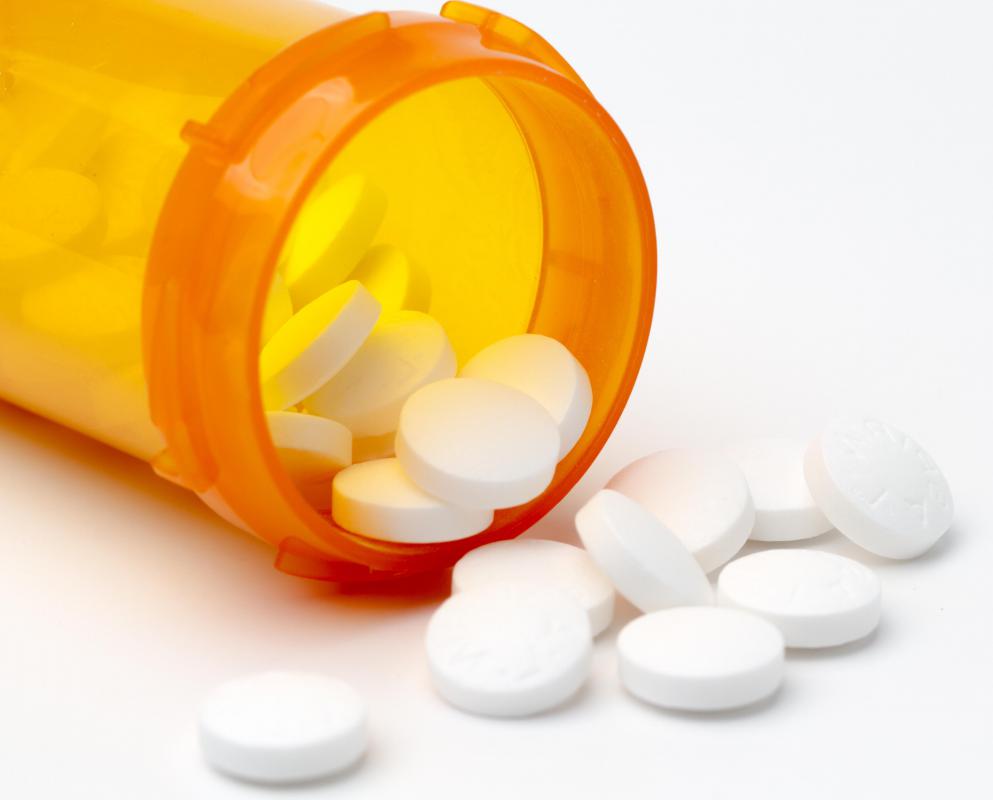
![DOTs therapy requires medications like oral antibiotics to treat tuberculosis.]() By: ACphotoDOTs therapy requires medications like oral antibiotics to treat tuberculosis.
By: ACphotoDOTs therapy requires medications like oral antibiotics to treat tuberculosis. -
![DOTS can be used for a number of infections that require long or complicated treatment, such as the drug cocktails used to manage HIV.]() By: danilkorolevDOTS can be used for a number of infections that require long or complicated treatment, such as the drug cocktails used to manage HIV.
By: danilkorolevDOTS can be used for a number of infections that require long or complicated treatment, such as the drug cocktails used to manage HIV. -
![DOTS is key in preventing more drug-resistant tuberculosis strains from developing.]() By: stockdevilDOTS is key in preventing more drug-resistant tuberculosis strains from developing.
By: stockdevilDOTS is key in preventing more drug-resistant tuberculosis strains from developing. -
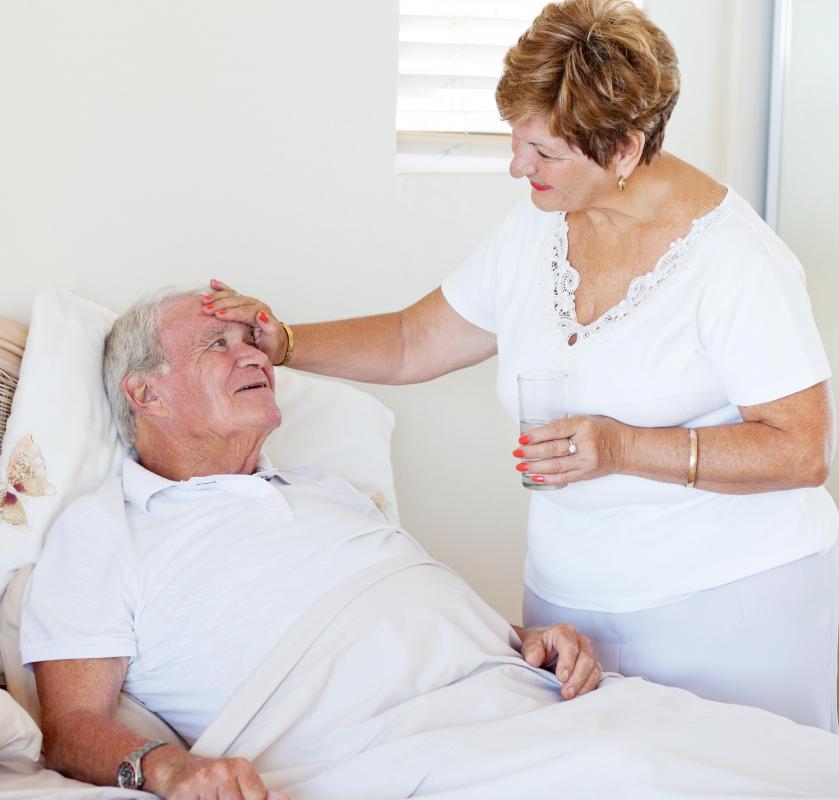
![Patients undergoing DOTS therapy will be observed while they take medication.]() By: oneblink1Patients undergoing DOTS therapy will be observed while they take medication.
By: oneblink1Patients undergoing DOTS therapy will be observed while they take medication. -
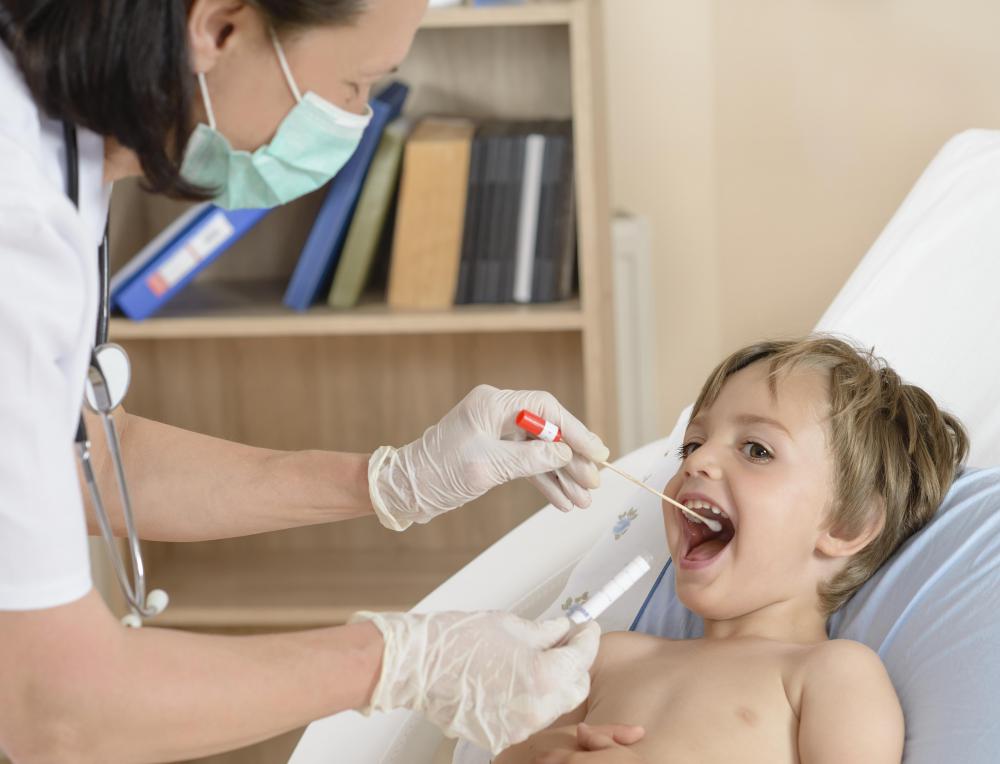
![Tuberculosis is generally considered to be a highly contagious disease.]() By: KurhanTuberculosis is generally considered to be a highly contagious disease.
By: KurhanTuberculosis is generally considered to be a highly contagious disease. -
![Tuberculosis commonly affects the lungs and causes night sweats and fever.]() By: michaeljungTuberculosis commonly affects the lungs and causes night sweats and fever.
By: michaeljungTuberculosis commonly affects the lungs and causes night sweats and fever.




Discussion Comments
what is exact treatment for tb and how long are drugs helpful for tb treatment?
Why drugs are given intermediately? Why not daily in dots regime
Patients are not necessarily observed by a medical professional, just a treatment partner. It might be a friend, relative and so on. Thanks very much for contributing to the fight against this disease.
Isoniazid, Rifampicin, Pyrazinamide and Ethambutol
what combination of drugs are used in DOTS therapy??????
Post your comments