
At SmartCapitalMind, we're committed to delivering accurate, trustworthy information. Our expert-authored content is rigorously fact-checked and sourced from credible authorities. Discover how we uphold the highest standards in providing you with reliable knowledge.
What is Disaster Recovery?
 Jeff Petersen
Jeff Petersen
Jeff Petersen
Every business needs a strong disaster recovery plan. Like any difficult topic, disasters are something that nobody wants to think about, but everyone needs to plan for. Recovery from disasters is the ability to continue work after any number of catastrophic problems, ranging from a computer virus or hacker attack to a natural disaster such as flood, fire, or earthquake. Having a plan in place takes a little time and effort, but the peace of mind it brings and the ability to continue work after the unthinkable are well worth it.
Disaster recovery must take into account how a business is run and the different elements required to keep the business going. These needs vary from business to business, and a good disaster plan should be designed for the individual business's needs. Using a generic strategy is better than nothing, but it may stress elements that are less important to your business, or worse, leave out critical aspects.

The first step to crafting an individual disaster recovery plan is mapping out the most critical aspects of day to day business. If a great deal of time is spent communicating with clients over the phone, then a backup phone system needs to be addressed. This can be as simple as having employee cell phones, so that if the office's land line is damaged, workers can call clients using their cell phones. It may also be as complex as having a backup call center located in another state, so that traffic can be routed to another location if problems arise at a certain call center.

Data safety is perhaps one of the most crucial and overlooked aspects of disaster recovery. Being able to call your clients on another phone system is little help if you do not have a list of clients, their orders, and their phone numbers. You cannot take new orders if you do not have access to your inventory system or are unable to put in new shipping orders. Data recovery often includes making frequent backups of all critical data and records, both digital and hard copies, and storing them in a secure, remote location.

It is also important to keep in mind the time frame for disaster recovery. If your company needs to be able to recover almost instantly from a disaster, much more complex and redundant steps must be taken than if you have the ability to spend more time recovering. If your company works in a real time, online environment, you need multiple backup systems standing by so that, in the event of a disaster, they can instantly come online. If your company works in longer time frames, then allowing for several hours or days to recover records, organize documents, and resume work may be acceptable.
Jeff Petersen
Jeff is a freelance writer, short story author, and novelist who earned his B.A. in English/Creative Writing from Creighton University. Based in Berkeley, California, Jeff loves putting his esoteric knowledge to good use as a SmartCapitalMind contributor.
Learn more...
Jeff Petersen
Jeff is a freelance writer, short story author, and novelist who earned his B.A. in English/Creative Writing from Creighton University. Based in Berkeley, California, Jeff loves putting his esoteric knowledge to good use as a SmartCapitalMind contributor.
Learn more...AS FEATURED ON:
AS FEATURED ON:









-
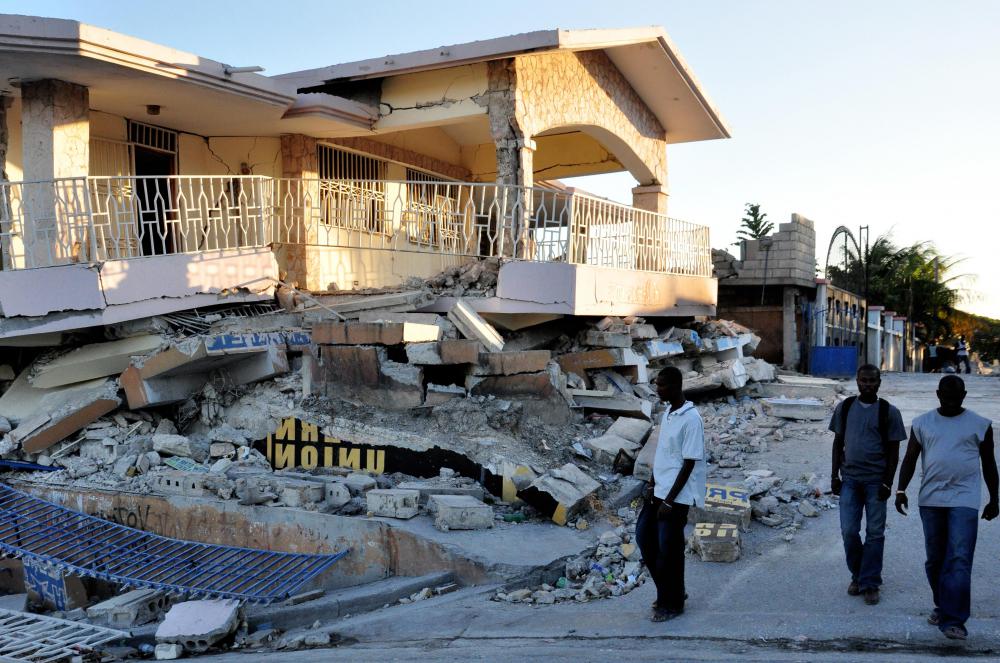
![Disaster recovery occurs in areas hit by a natural disaster such as an earthquake.]() By: FrankBirdsDisaster recovery occurs in areas hit by a natural disaster such as an earthquake.
By: FrankBirdsDisaster recovery occurs in areas hit by a natural disaster such as an earthquake. -
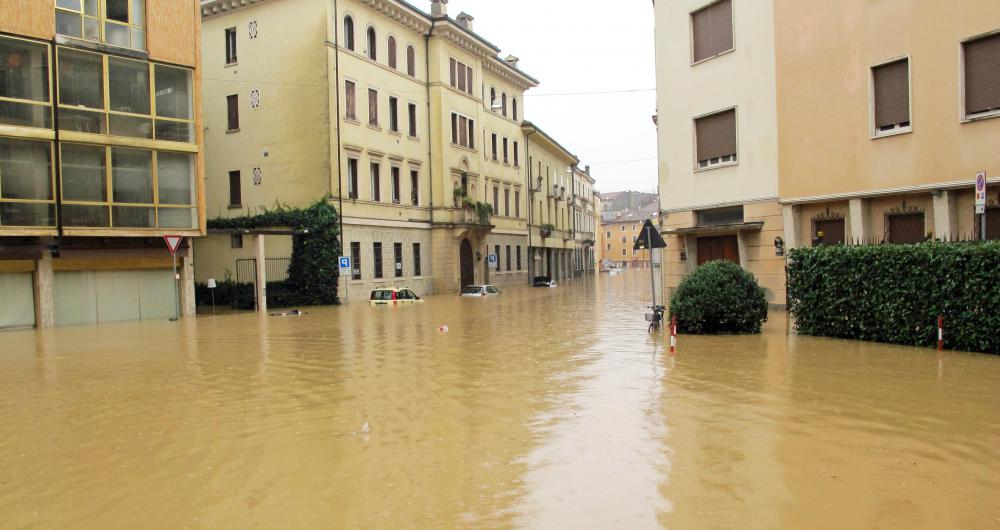
![Severe flooding can cause significant damage.]() By: FedeCandoniPhotoSevere flooding can cause significant damage.
By: FedeCandoniPhotoSevere flooding can cause significant damage. -
![Disaster recovery plans might include air evacuating people out of the area.]() By: meoitaDisaster recovery plans might include air evacuating people out of the area.
By: meoitaDisaster recovery plans might include air evacuating people out of the area. -
![Emergency medical response is one component of a disaster recovery plan.]() By: stormEmergency medical response is one component of a disaster recovery plan.
By: stormEmergency medical response is one component of a disaster recovery plan. -
![An attack from a computer hacker can have disastrous results on a company's infrastructure.]() By: Andrey ArmyagovAn attack from a computer hacker can have disastrous results on a company's infrastructure.
By: Andrey ArmyagovAn attack from a computer hacker can have disastrous results on a company's infrastructure. -
![Businesses established in areas that are prone to wildfires should have a disaster recovery plan.]() By: kristo74Businesses established in areas that are prone to wildfires should have a disaster recovery plan.
By: kristo74Businesses established in areas that are prone to wildfires should have a disaster recovery plan. -
![Experiencing a natural disaster may cause an individual to experience psychological trauma.]() By: areporterExperiencing a natural disaster may cause an individual to experience psychological trauma.
By: areporterExperiencing a natural disaster may cause an individual to experience psychological trauma.





Discussion Comments
I've been researching disaster recovery services for my company and found this post very insightful. Thanks
@ parmnparsley- Data security can also have a big impact on large companies. JC Penney and Tj Maxx come to mind as recent examples.
These two companies were part of one of the biggest retail security breaches in history. Hackers were able to steal the personal information of millions of customers, and the result is likely to be a series of class action lawsuits.
Maybe even more detrimental to these companies is the damage to their reputation. These company’s names have been released to the public, even though they tried for years to keep their involvement secret. Not being honest and upfront with their customers may be costly. Not only is public perception that the companies are irresponsible with sensitive information, the companies are also perceived as dishonest.
As the article pointed out, data safety is one of the most important aspects of disaster recovery.
Small businesses often overlook or neglect data safety and security. I work in the restaurant industry, and many of the restaurants I have worked for do not back up any of their files. If their server should crash or a disaster destroys their computer system, then the restaurant will have to start collecting data from scratch.
This can be costly because most of the data collected by restaurants is used to improve supply chain efficiency, customer retention, and reduce waste. This information often takes years to gather.
This article did a great job discussing the disaster recovery plan of most businesses. I would like to highlight the importance of disaster recovery planning by electric utilities. These are extremely important because the electricity they generate is integral to the operation of almost every business.
The disaster recovery plans of utilities are responsible for finding ways to restore power after downed lines, repair the grid as soon as possible after natural disasters, ensure that the lights stay on in the heat of the summer, and guarantee power during the coldest winter nights. Utilities also have to plan for special circumstances depending on the type of utility. Gas, coal, and oil powered plants have to have materials management plans that account for instances of fuel shortages. Nuclear power plants have to have plans to mitigate nuclear disasters. Even renewable energy plants like hydroelectric and geothermal have to have plans to deal with threats to a dam or seismic activity.
Unlike many private companies that hire consultants to create a disaster recovery plan, utilities often do all of their planning internally. Utilities know the unique challenges that face the industry, and they have become efficient at dealing with problems.
Post your comments