
At SmartCapitalMind, we're committed to delivering accurate, trustworthy information. Our expert-authored content is rigorously fact-checked and sourced from credible authorities. Discover how we uphold the highest standards in providing you with reliable knowledge.
What is Disaster Management?
 Malcolm Tatum
Malcolm Tatum
Malcolm Tatum
Disaster management is a process or strategy that is implemented before, during or after any type of catastrophic event takes place. This process can be initiated whenever anything threatens to disrupt normal operations or puts people's lives at risk. Governments at all levels as well as many businesses create their own disaster plans that make it possible to overcome various catastrophes and return to functioning normally as quickly as possible.
Four Key Elements

There are four essential parts to disaster management: prevention, preparation, relief and recovery. Not all catastrophes can be prevented, but many types can be avoided, and the effects of others can be mitigated. Preparation might include long-term plans for readiness as well as processes that can be done quickly when a disaster seems imminent, such as when a hurricane is expected to make landfall soon. Relief involves action during and immediately after a catastrophe has taken place. Recovery includes repairing, rebuilding, restoring or replacing whatever was damaged, injured or lost because of the disaster.
Potential Disasters

One of the keys to disaster management is defining the types of catastrophes that could possibly disrupt the day-to-day operation of a business, city, region or country. Among the many types of events that might occur are natural disasters such as floods, hurricanes, tornadoes and earthquakes as well as those such as fires, bombings, mass failures of public utilities and the rapid spread of disease. Identifying those potential disasters makes it possible to create contingency plans, assemble supplies and create procedures that can be initiated if and when a particular disaster happens. A truly comprehensive disaster management plan encompasses a wide range of possibilities that can easily be adapted if one disaster causes other types of disasters to occur.
Preparation and Reaction

Governments and businesses need to continue functioning during emergency situations, so disaster management plans are often multi-layered to account for as many potential scenarios as possible. A typical disaster plan for a local or regional government is likely to address such matters as evacuating people from the affected region, arranging temporary housing, distributing food and providing medical care. It also is not unusual for a plan to work toward containing, neutralizing or eliminating the cause or causes of the disaster if at all possible.
Communication Networks

Disaster management also often addresses the issue of communication. Many disasters can cause communication networks to fail, so a competent plan will include the quick setup of alternative communication capabilities that do not rely on the switches, towers and hubs that are usually part of telephone and cellular communication networks. By making use of short-wave transmissions that are supported by satellite technology, for example, communication can continue to flow from the area affected by the disaster.
Disaster Kits

As part of the crisis management component of a disaster plan, it is not unusual for some type of disaster kits to be created. The kits might include food and clothing for people who have been affected. Kits might also include first aid supplies and basic medication that could help treat headaches, fevers and other minor ailments. In some cases, the kits might include items such as sleeping bags or other necessities that will help displaced people cope after the disaster.
Improving Plans

Creating an effective disaster management plan is often easier said than done. As many cities, countries and organizations have learned, emergency plans that had been thought to be comprehensive have turned out to be partially effective at best. This has caused many companies and government agencies to revisit all aspects of their plans and run computer simulations to identify their weaknesses and refine them so they can be carried out with more speed and efficiency.
Malcolm Tatum
After many years in the teleconferencing industry, Michael decided to embrace his passion for trivia, research, and writing by becoming a full-time freelance writer. Since then, he has contributed articles to a variety of print and online publications, including SmartCapitalMind, and his work has also appeared in poetry collections, devotional anthologies, and several newspapers. Malcolm’s other interests include collecting vinyl records, minor league baseball, and cycling.
Learn more...
Malcolm Tatum
After many years in the teleconferencing industry, Michael decided to embrace his passion for trivia, research, and writing by becoming a full-time freelance writer. Since then, he has contributed articles to a variety of print and online publications, including SmartCapitalMind, and his work has also appeared in poetry collections, devotional anthologies, and several newspapers. Malcolm’s other interests include collecting vinyl records, minor league baseball, and cycling.
Learn more...AS FEATURED ON:
AS FEATURED ON:









-
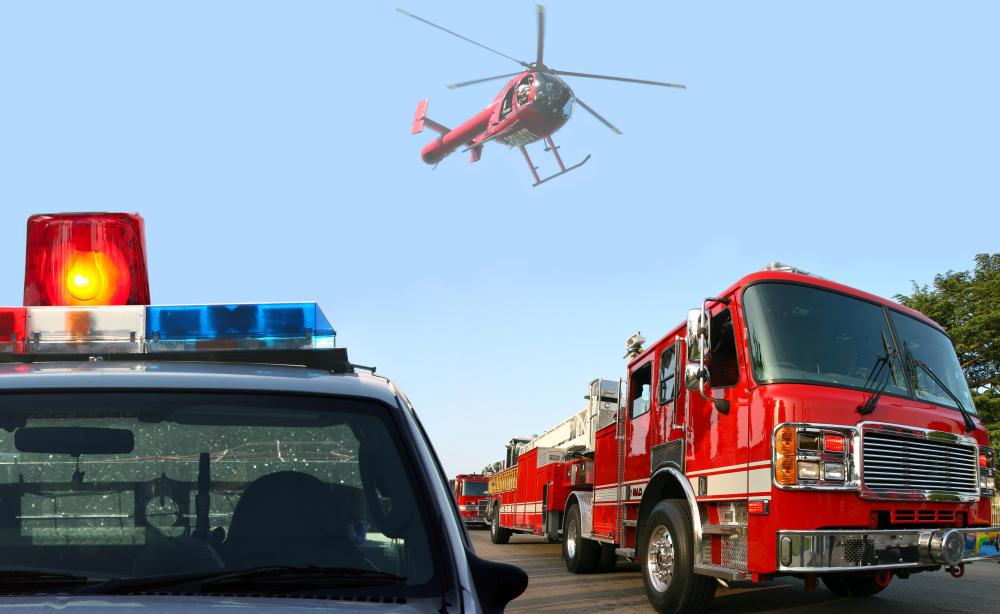
![During the preparation phase, authorities use communication networks to deploy first response units to likely disaster areas.]() By: rozaDuring the preparation phase, authorities use communication networks to deploy first response units to likely disaster areas.
By: rozaDuring the preparation phase, authorities use communication networks to deploy first response units to likely disaster areas. -
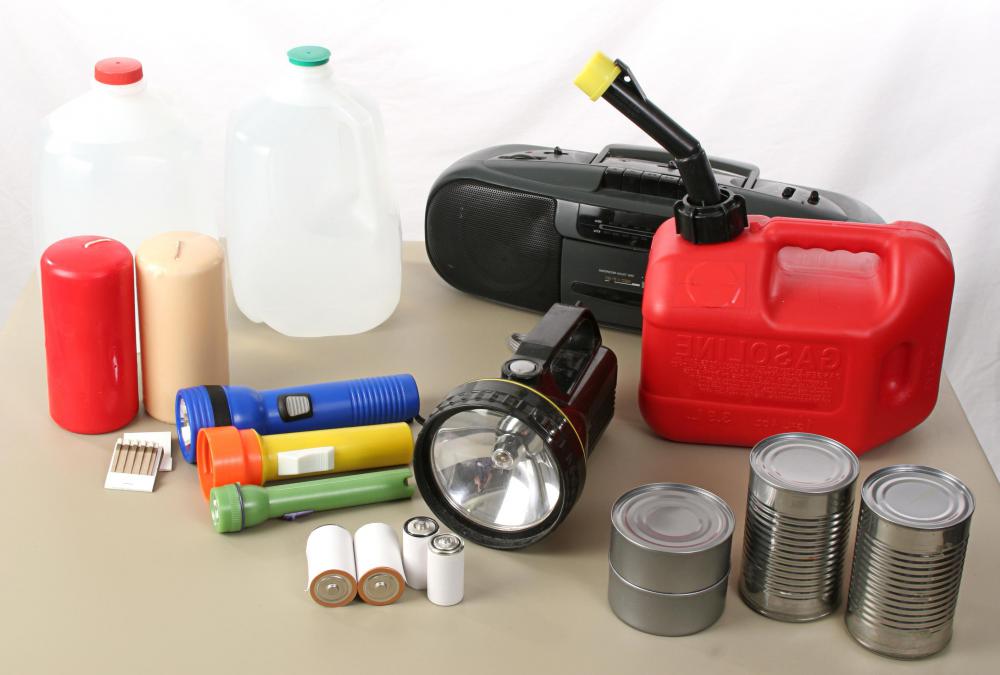
![Disaster kits should include whatever a person needs to survive on their own for several days.]() By: Lisa F. YoungDisaster kits should include whatever a person needs to survive on their own for several days.
By: Lisa F. YoungDisaster kits should include whatever a person needs to survive on their own for several days. -
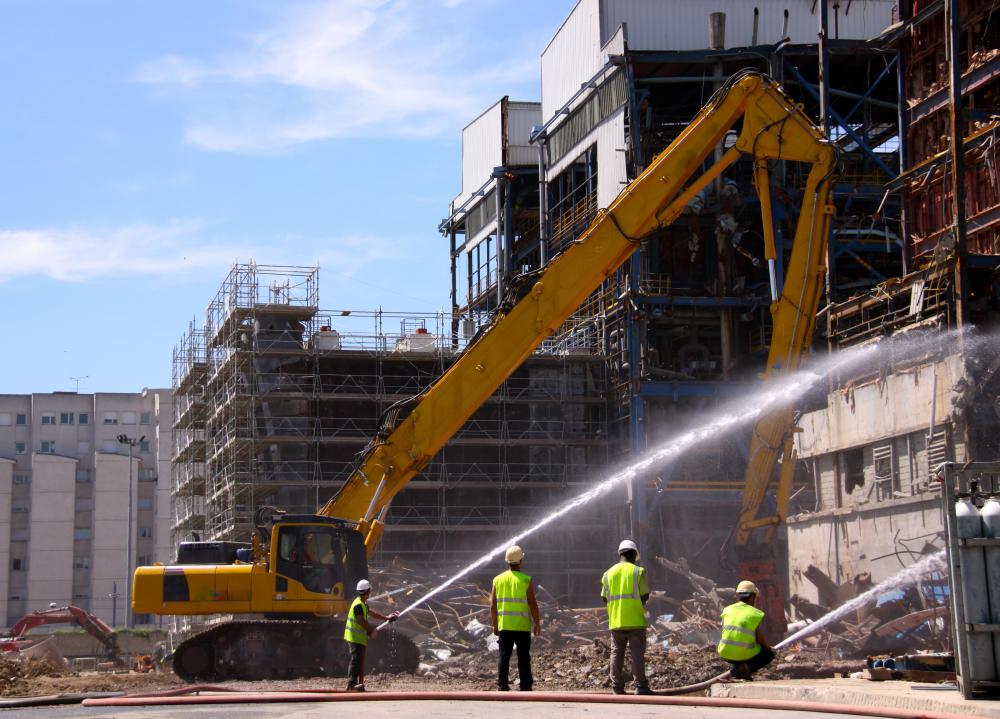
![Damaged infrastructure is cleared and rebuilt during the recovery phase of a disaster.]() By: RichardDamaged infrastructure is cleared and rebuilt during the recovery phase of a disaster.
By: RichardDamaged infrastructure is cleared and rebuilt during the recovery phase of a disaster. -
![Disaster management teams may distribute canned goods to those living in affected areas.]() By: Ðиколай ÐÑигоÑÑевDisaster management teams may distribute canned goods to those living in affected areas.
By: Ðиколай ÐÑигоÑÑевDisaster management teams may distribute canned goods to those living in affected areas. -
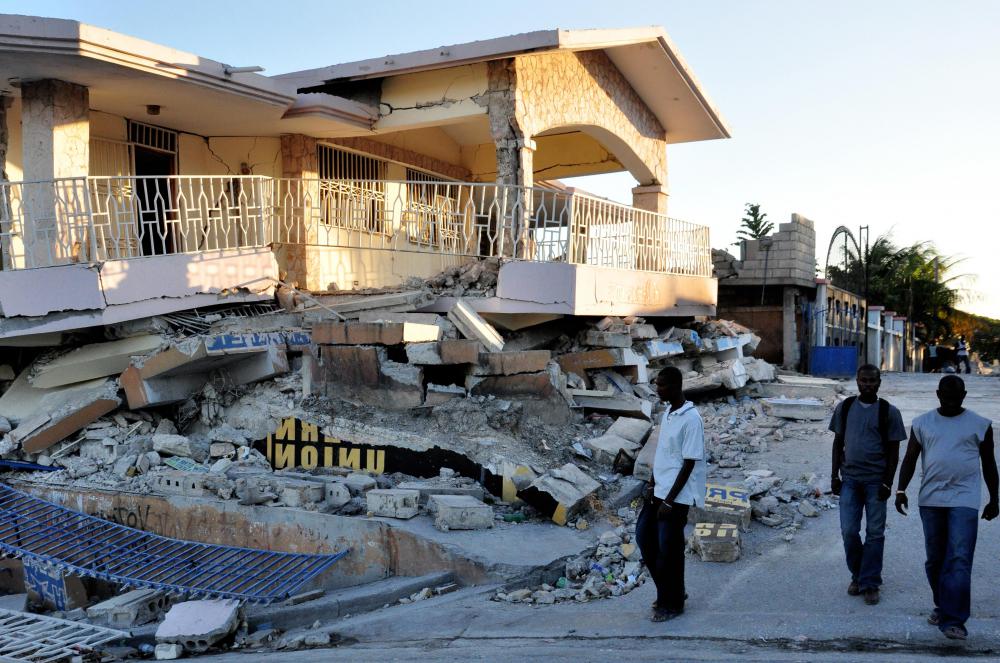
![Disaster management is needed to help clean up areas hit by an earthquake.]() By: FrankBirdsDisaster management is needed to help clean up areas hit by an earthquake.
By: FrankBirdsDisaster management is needed to help clean up areas hit by an earthquake. -
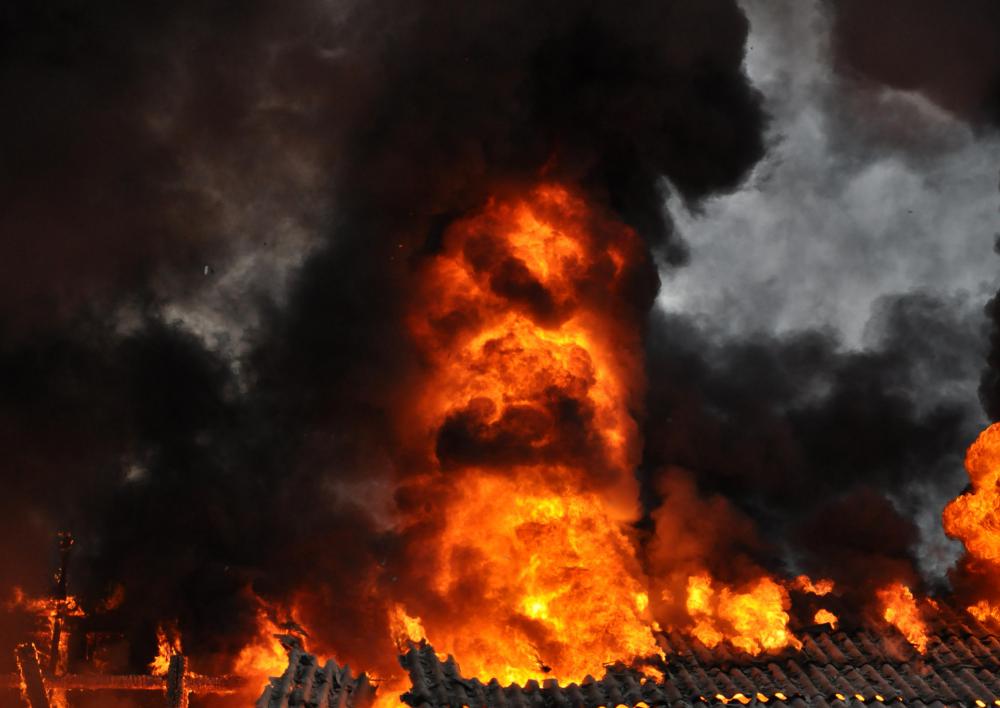
![Disaster management includes trying to contain a fire before it spreads.]() By: lidokkk474Disaster management includes trying to contain a fire before it spreads.
By: lidokkk474Disaster management includes trying to contain a fire before it spreads. -
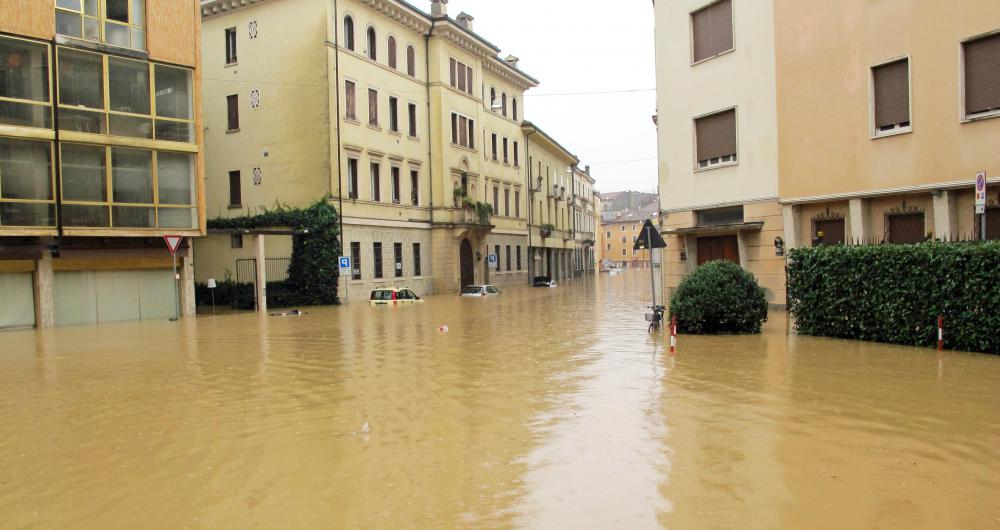
![Disaster management teams may help evacuate areas in the event of severe flooding.]() By: FedeCandoniPhotoDisaster management teams may help evacuate areas in the event of severe flooding.
By: FedeCandoniPhotoDisaster management teams may help evacuate areas in the event of severe flooding. -
![Disaster management teams help people to clean up their community following severe weather.]() By: valdezrlDisaster management teams help people to clean up their community following severe weather.
By: valdezrlDisaster management teams help people to clean up their community following severe weather. -
![Volunteers are often needed after a natural disaster.]() By: Enrico Di CinoVolunteers are often needed after a natural disaster.
By: Enrico Di CinoVolunteers are often needed after a natural disaster.



Discussion Comments
Disaster may be caused by humans or nature or both at the same time. How to overcome the disaster in an efficient way is disaster management.
We should be interested in helping others.
It is the responsibility of each one of us to prepared for the untimely disaster or havoc. today we have became a major cause of disrupting the ecological system that eventually leading to the kind of havoc taking place. we have became blind while pursuing for the so called development.
why we are forgetting that nature is the supreme power and run the creature on its own way, interrupting its way will always lead to havoc! So let's wake up and follow the rule of the nature. It is the only plan that can result in survival for all living beings!
how can we enhance disaster management strategies in schools?
@ Amphibious54- When I was a kid, my family would create a disaster plan once a year. We would discuss where to meet if we were separated, who was responsible for grabbing what, and what to do during an emergency.
Preparing a disaster kit is not hard, nor does it cost very much. A basic kit will include:
*Water and food for a few days
*A first aid kit (with medicines and antibiotics), a whistle, plastic bags
*Dust masks, knife, vice grips, and matches
*Hand crank flashlight and weather radio
*Phone card or cell phone, and a local map
A good disaster plan will also include vital information for all family members included in the plan. This should include social security numbers, school and work addresses, allergies, a few out of town contacts, and medications. Having a written plan handy can help rescue workers should someone in your group go missing.
@ GlassAxe- Do not forget earthquakes, Volcanic activity around the Pacific Rim and Yellowstone, Mudslides on the west coast, and tsunami's in Alaska and Hawaii. You are right about the necessity of personal disaster planning. I have been in a few large earthquakes, a couple tropical storms, ice storms, and almost a hurricane(I've lived in California, Florida, Vermont, and Hawaii; all beautiful disaster prone areas). I have never had to use everything in a disaster kit, but I was always glad that I (or my parents) was prepared.
The article said that governments and businesses have disaster management plans; I would like to add individuals should also have some sort of disaster management plan. People often do not realize, or do not think about, the fact that most population centers are in disaster prone areas. The coastal regions are prone to hurricanes and huge storms, the Midwest is prone to tornadoes and flooding, and storms and wildfires can wreak havoc in the Western United States. Solar flares, blackouts, flooding, and heat waves can sweep across the entire nation as well as other potential threats.
Waiting to plan for a disaster until one actually occurs can make survival much harder. For example, an impending hurricane can cause a run on stores; leaving little for the late planner. I am not advocating building a panic room or bomb shelter, but everyone should have the essentials in case access to basic services and utilities is blocked.
Post your comments