
At WiseGEEK, we're committed to delivering accurate, trustworthy information. Our expert-authored content is rigorously fact-checked and sourced from credible authorities. Discover how we uphold the highest standards in providing you with reliable knowledge.
What is Diabulimia?
 Michael Pollick
Michael Pollick
Michael Pollick
The frightening world of eating disorders and distorted body images among young women has a new and potentially fatal entry, a condition known as diabulimia. Diabulimia is an extreme weight loss method which combines the natural side effects of juvenile diabetes with the unnatural compulsion known as bulimia or purging.
Some young women diagnosed with Type 1 or "juvenile" diabetes are deliberately withholding their daily shots of insulin in order to induce more rapid weight loss. Combined with other extreme eating practices such as binging and purging, the practice can become a life-threatening eating disorder.

Diabulimia is not recognized as an official eating disorder as of mid-2007, but many experts on juvenile diabetes have been aware of this dangerous practice for years. Those who practice diabulimia as a means of weight control are often able to disguise their habit from others by blaming it all on the natural side effects of the disease. Many Type 1 diabetics are naturally thin as a result of their restrictive diets and regular injections of insulin. Family members and friends may not even be aware of a juvenile diabetic's practice of diabulimia.

There are a number of dangerous side effects connected with the practice of diabulimia, but perhaps the most worrisome is the effect of high blood sugar levels on the body. Ordinarily, a Type 1 diabetic would monitor his or her blood sugar levels several times a day and inject a prescribed amount of insulin according to that reading. The insulin would break down the excess blood sugar and return the diabetic to a fairly normal range between meals. Someone who practices diabulimia, however, might only inject enough insulin to prevent total insulin shock. A young girl suffering from diabulimia may have an extremely high blood sugar reading all day, seven days a week.

The pressure some young women feel to maintain a thinner body can lead directly to the formation of eating disorders such as anorexia nervosa or bulimia. When this pressure is combined with the social aspects of juvenile diabetes, the result can be some degree of diabulimia. The cumulative effects of long-term diabulimia are often permanently disabling or even life-threatening. The damage caused by insulin shock and unchecked high blood sugar levels can include nerve damage, hemorrhaging of the eyes and serious circulatory problems. Some women who practiced diabulimia in their teens and early twenties face these complications decades before other Type 1 diabetics.

Diabulimia can be treated through professional counseling, but many eating disorder specialists may not be fully aware of the specific complications faced by Type 1 diabetics. Sometimes diabulimics do recognize the error of their ways and stop the behavior voluntarily, but there could still be serious diabetic complications which require medical intervention.
Michael Pollick
A regular WiseGEEK contributor, Michael enjoys doing research in order to satisfy his wide-ranging curiosity about a variety of arcane topics. Before becoming a professional writer, Michael worked as an English tutor, poet, voice-over artist, and DJ.
Learn more...
Michael Pollick
A regular WiseGEEK contributor, Michael enjoys doing research in order to satisfy his wide-ranging curiosity about a variety of arcane topics. Before becoming a professional writer, Michael worked as an English tutor, poet, voice-over artist, and DJ.
Learn more...AS FEATURED ON:
AS FEATURED ON:









-
![Some Type 1 diabetics are naturally thin, in part due to regular insulin injections.]() By: Ljupco SmokovskiSome Type 1 diabetics are naturally thin, in part due to regular insulin injections.
By: Ljupco SmokovskiSome Type 1 diabetics are naturally thin, in part due to regular insulin injections. -
![Diabulimia is an eating disorder that often occurs among young women with Type 1 diabetes, where they skip their daily insulin shot in an effort to lose weight quickly.]() By: Piotr MarcinskiDiabulimia is an eating disorder that often occurs among young women with Type 1 diabetes, where they skip their daily insulin shot in an effort to lose weight quickly.
By: Piotr MarcinskiDiabulimia is an eating disorder that often occurs among young women with Type 1 diabetes, where they skip their daily insulin shot in an effort to lose weight quickly. -
![Diabulimia can lead to extreme weight loss.]() By: Sergio MartínezDiabulimia can lead to extreme weight loss.
By: Sergio MartínezDiabulimia can lead to extreme weight loss. -
![There are a number of dangerous side effects associated with diabulimia.]() By: brankatekicThere are a number of dangerous side effects associated with diabulimia.
By: brankatekicThere are a number of dangerous side effects associated with diabulimia. -
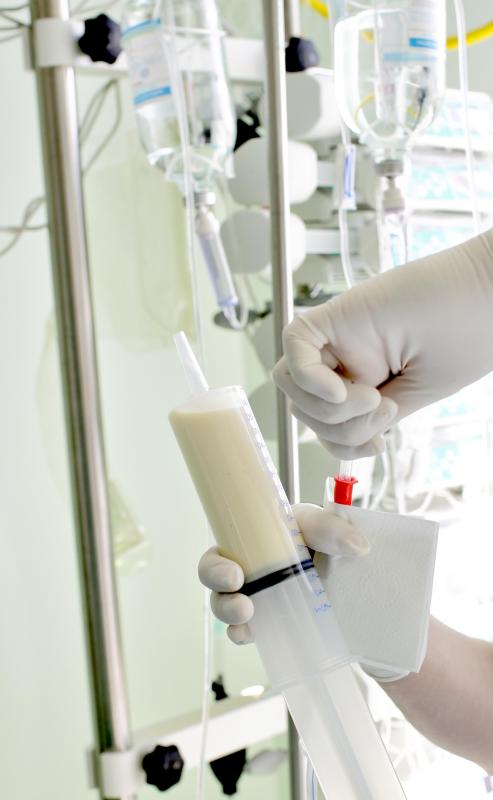
![Individuals suffering from extreme cases of bulimia may require hospitalization and the use of a feeding tube.]() By: sudok1Individuals suffering from extreme cases of bulimia may require hospitalization and the use of a feeding tube.
By: sudok1Individuals suffering from extreme cases of bulimia may require hospitalization and the use of a feeding tube.




Discussion Comments
My name is Emilee and I've been type 1 diabetic since I was only a year old. I developed anorexia at age 11, bulimia at 16, and diabulimia a year later. My life completely fell apart because of my eating disorder. I stopped dancing even though it is my passion, I had to drop my courses at university and I lost three jobs in succession, not to mention my social life collapsed! I felt so sick all the time. I felt like no one understood. Even the doctors had no clue how to really help me! There is not nearly enough awareness and resources for diabetes and eating disorders. I felt completely hopeless.
But part of me still believed that recovery was possible. It had to be. I couldn't keep living as I was. Long story short, I am in a much better place now and would consider myself fully recovered! That’s why I founded an organization called Die Or Beat This to provide the much-needed support and resources for diabulimia and the combination of diabetes and eating disorders. I just wanted to share it so people can see they are not alone and can access the resources provided!
I have type 1 diabetes and am in active recovery (10 years now) from diabulimia. I'm 40 years old and have some mild complications: neuropathy and retinopathy. I've had an eating disorder in various forms since I was five years old, although I was diagnosed with type 1 diabetes when I was 23.
First of all, let me praise you to high heaven for increasing awareness! Breaking the silence about this insidious and nasty mental illness is a great way to encourage others who have it get help and realize that there are choices to be made regarding treatment.
My best advice to all of you out there who are actively engaging in behavior that is pro-diabulimia is this: Get help now. I'm serious. I know that the self critical voice in your mind is loud and nasty, but there is no shame in looking for help to help yourself.
I also believe it is false that only young women engage in this behavior. I'm in my forties, and I have met others both older and younger than me who deal with this same illness.
Another tip I would give everyone (including those of us who have diabetes) is to stop calling some who has diabetes a "diabetic". I do not identify myself as my chronic illness, and I honestly think it's another first step to see the person and not the disease.
My recovery is based in cognitive therapy, group support, creating my own team of pro-recovery doctors and specialists. I've had to 'shop' around for people who will really listen and hear what I need who will work with me to continue my recovery work.
Yes there can be life after having diabulimia. It's not easy, but it is possible. My heart goes out to my fellow sufferers, along with my respect. Hang in there!
im 15 i know i have a problem with diabulimia and i know i want help to sort it out. i can't do it on my own and want some professional help but i don't want to admit my problem to my family. is there anywhere i can get help where they will keep it confidential?
It appears that many diabulimics ACTIVELY choose to withhold their insulin or eat the wrong foods in order to lose body weight. I'd first examine if I were doing something deliberately to affect my blood sugar levels or if the weight loss was incidental. You may want to consult with your diabetes doctor and see if there may be other reasons you're losing weight or avoiding the proper monitoring of your insulin.
If you believe you may be diabulimic, you should ask your doctor to recommend a qualified behavioral psychologist or counselor to address any underlying psychological issues (body image, acceptance of your medical condition, etc) which may be causing you to act out by withholding your insulin.
Diabulimia may have an additional medical element (type 1 diabetes) associated with it, but it is still primarily an EATING disorder and should be treated as such. You may want to look for a local eating disorder clinic for bulimics and anorexics.
Good luck, and try to do some research of your own about diabulimia to see if you truly match the profile or have two separate issues (diabetes and an eating disorder) going on at the same time.
i am a type 1 diabetic (age 27 diagnosed age 4) and i think i may have diabulimia, i'm afraid to admit this to anyone, where can i get some help?
Post your comments