
At TheHealthBoard, we're committed to delivering accurate, trustworthy information. Our expert-authored content is rigorously fact-checked and sourced from credible authorities. Discover how we uphold the highest standards in providing you with reliable knowledge.
What is Dandruff?
Dandruff, sometimes called scurf or Pityriasis capititis, is an itchy skin disorder of the scalp that can develop during the normal growing process of the scalp's skin cells. In a healthy scalp, the old skin cells die and are sloughed off approximately once a month and replacement cells are manufactured quickly. In most people, these flakes of dead skin cells are too small to be seen. In an unhealthy scalp, however, the skin cells are sloughed off every five to seven days in large, oily clumps before they are dead.
There are two main types. Internal dandruff may be caused by hormonal imbalance, stress, lack of sleep, a suppressed immune system, or heredity. Some medical reports have linked this condition to allergies, particularly an allergy to chocolate, dairy, shellfish, or nuts. Others believe it may be caused by consuming too much sugar, starch, and fat.

External dandruff, on the other hand, can be caused by the excessive use of hair styling products, hair coloring products, curling irons, hot curlers, or hair dryers. It can also occur if the hair is shampooed infrequently or the scalp is not rinsed completely. Cold weather, dry indoor heating, and tight hats might also trigger flakes. For a majority of sufferers, it is at its worse in the winter months.

Many skin specialists agree that dandruff can be caused by a sensitivity to the Malassezia furfur fungus, previously called Pityrosporum ovale. This fungus lives on our scalp and bodies, usually without any problems. For those who are sensitive to the fungus, though, it can cause an inflammatory response that causes the skin cells to flake off before they are dead.
For most sufferers, dandruff can be easily treated at home. Conventional treatment typically starts with a special, medicated shampoo. These shampoos are classified according to their active ingredient.

Shampoos that contain the antibacterial and antifungal agent zinc prithione have been shown to reduce the fungus that causes dandruff. Tar based shampoos are made with coal tar, which can help the condition by slowing skin cell turnover. Shampoos with salicylic acid help eliminate the scaling of skin cells, but they can leave the scalp dry. Because these shampoos only work temporarily, the hair must be washed often and the flakes usually return within days of stopping treatment.

For severe cases, dermatologists can prescribe a special lotion or ointment to treat the problem. The most effective products contain selenium sulfide or zinc pyritheone. Antifungal pills can also reduce the symptoms. A new generation of treatments called immunomodulators has also been shown to help sufferers by reducing the inflammatory reaction in the skin.

Members of the holistic health care community believe that nutrition can play a big part in dandruff control. Inefficient carbohydrates and fatty-acid metabolization might trigger symptoms. To counteract these deficiencies, vitamin B should be added to the diet. Garlic and oil of oregano are also excellent for fighting flakes. Some people claim that rubbing fresh onion on the scalp can also help reduce itchiness and flakiness. Because dandruff can be a sign of stress, individuals facing difficult situations should immediately improve their diet by eating more fruits and vegetables and increasing their water intake.

Because dandruff might be a sign of a more serious illness such as a hormone imbalance or severe allergies, those experiencing profound or persistent problems should consult their physicians. If it cannot be controlled by over-the-counter treatments, it is best to see a doctor to determine if the problem is really dandruff and not another health condition.
AS FEATURED ON:
AS FEATURED ON:


-
![Dandruff may be caused by a sensitivity to a a fungus.]() By: Jasmin MerdanDandruff may be caused by a sensitivity to a a fungus.
By: Jasmin MerdanDandruff may be caused by a sensitivity to a a fungus. -
![Scalp dandruff can cause itching, and the scratching that results can lead to even more flakes.]() By: Lars ZahnerScalp dandruff can cause itching, and the scratching that results can lead to even more flakes.
By: Lars ZahnerScalp dandruff can cause itching, and the scratching that results can lead to even more flakes. -
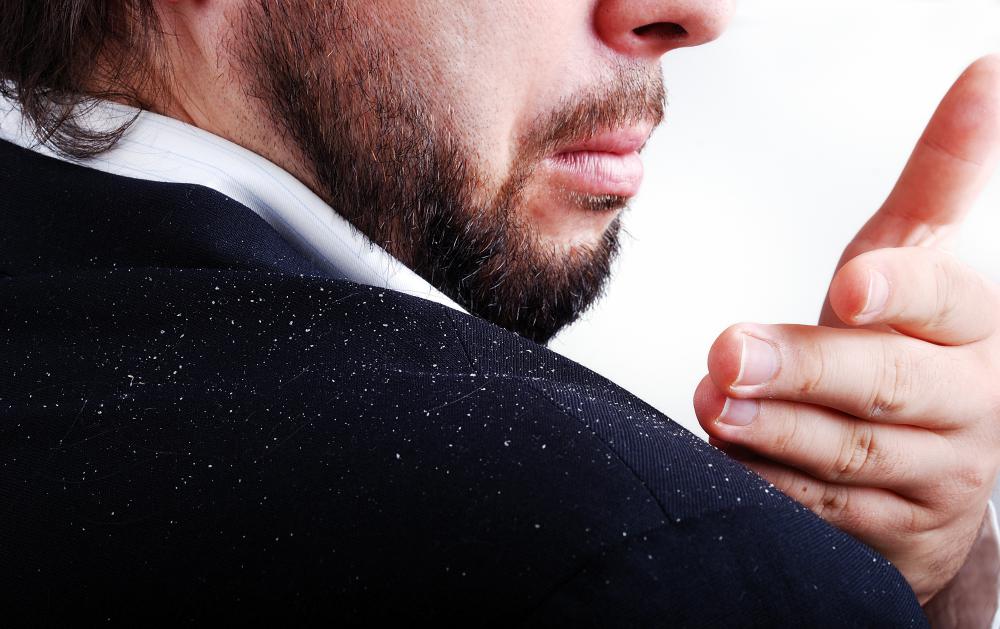
![Visible white flakes of dry dead skin on the scalp are a sign of dandruff.]() By: roblanVisible white flakes of dry dead skin on the scalp are a sign of dandruff.
By: roblanVisible white flakes of dry dead skin on the scalp are a sign of dandruff. -
![Dandruff can be caused by excessive use of heat styling tools like hair dryers.]() By: macbrianmunDandruff can be caused by excessive use of heat styling tools like hair dryers.
By: macbrianmunDandruff can be caused by excessive use of heat styling tools like hair dryers. -
![If dandruff can't be cured with over-the-counter treatments, it's best to see a doctor.]() By: JPC-PRODIf dandruff can't be cured with over-the-counter treatments, it's best to see a doctor.
By: JPC-PRODIf dandruff can't be cured with over-the-counter treatments, it's best to see a doctor. -
![For most sufferers, dandruff can be easily treated at home.]() By: diego cervoFor most sufferers, dandruff can be easily treated at home.
By: diego cervoFor most sufferers, dandruff can be easily treated at home. -
![Overuse of curling irons can cause external dandruff.]() By: Africa StudioOveruse of curling irons can cause external dandruff.
By: Africa StudioOveruse of curling irons can cause external dandruff. -
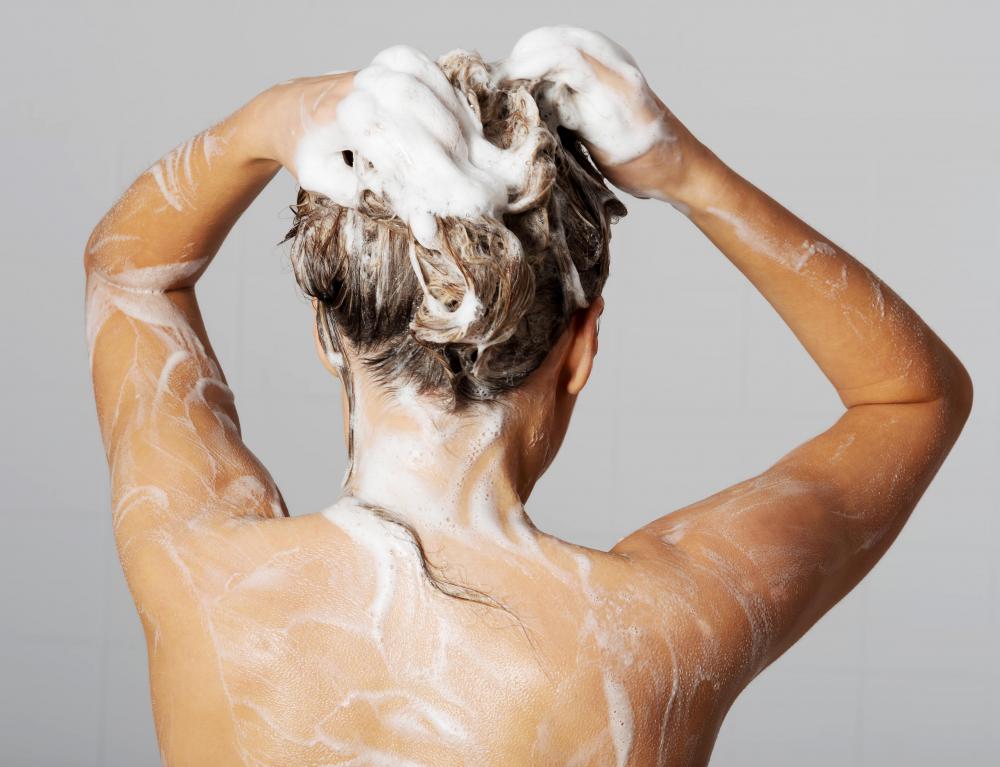
![Different types of shampoos have been designed to treat dandruff.]() By: Piotr MarcinskiDifferent types of shampoos have been designed to treat dandruff.
By: Piotr MarcinskiDifferent types of shampoos have been designed to treat dandruff.


Discussion Comments
@ddljohn-- I solved my dandruff problem by washing my hair more frequently. I also switch between several shampoos, rather than washing with the same shampoo every time. Some people say that all-natural shampoos work as well.
What are some natural dandruff treatments?
I've heard about tea tree oil, eucalyptus and menthol. They're supposed to help because of their anti-fungal and anti-bacterial properties. That's why many dandruff shampoos contain these ingredient. They don't seem to work for me though, at least not anymore.
I agree that there are many different causes of dandruff. That's why a dandruff remedy that works for one person, doesn't always work for another.
I had terrible dandruff last summer. It seemed to develop out of nowhere. I also had a very oily scalp and itching. I was washing my hair and scalp daily, but my scalp still felt oily and gross by the end of the day. I couldn't wear black because of the dandruff.
I went to a dermatologist who diagnosed me with dandruff (seborrheic dermatitis) due to fungal overgrowth. My doctor said that it's common in humid climates because it's a good environment for fungi to thrive, especially if the scalp is oily. She gave me an anti-fungal shampoo that I used for a week. My dandruff disappeared after that and thankfully, it hasn't returned.
This isn't the only cause of dandruff though, it can also be due to a dry scalp or an underlying health condition. It's best to see a doctor about it.
Post your comments