
At DelightedCooking, we're committed to delivering accurate, trustworthy information. Our expert-authored content is rigorously fact-checked and sourced from credible authorities. Discover how we uphold the highest standards in providing you with reliable knowledge.
What is Custard Powder?
Custard powder is a prepared mix that provides a shortcut method for making custard. Cooks must typically add only water or milk to turn the powder into a dessert, though different flavorings or additives like sliced fruits or spices can also be included to make the finished product more personalized. Many food scholars believe that custard powder was one of the early precursors to the range of “instant pudding” mixes sold in many of the world’s markets.
Use as a Culinary Shortcut

Making traditional egg custard is an often laborious process, and can be difficult for an inexperienced chef. Much depends on proper temperatures, proportions, and timing. Custard powder provides a shortcut by offering home cooks a simple and nearly foolproof way to get similar results with just a fraction of the work.
Standard custard powder is made with little more than cornstarch augmented with other thickeners, flavors, and sweeteners. Most also contain coloring agents that mimic the yolk-yellow hue of traditionally made varieties. It is sold in canisters or small packets, and often comes with a scoop or contoured spoon that cooks can use to measure out the proper amount. When saturated in a bit of water or milk, the mix forms a sort of imitation custard that has the look, feel, and approximate taste of more time-intensive recipes.
Types and Varieties Available

Vanilla is widely believed to be the “original” flavor of custard powder, and remains the most popular in most markets. Chocolate and toffee are also widely available, as are fruit flavors like strawberry, mango, and banana. More exotic varieties like rose and cardamom are most popular in Eastern Europe and the Middle East, but can sometimes be found in specialty shops in other parts of the world.
Recipe and Serving Ideas

There are many ways to prepare and serve custards made from powder. One of the easiest presentations is as a simple spoon dessert, served either in a large bowl or individual ramekins. Cooks and hosts often garnish this kind of presentation with fresh fruits or sweet herbs, particularly mint.
The finished custard can also be used as a flavorful pie filling, in which case it is usually poured into a prepared pie crust before it has a chance to set or fully thicken. Cooks can elect to use the custard as a frosting alternative for cookies and cakes, as well, or as one of many layers in a dessert parfait or trifle. Some have also been known to add a few pinches of custard powder to muffin or cake batter to give the final product an unexpected sweetness and moisture.

Custard sauce is another option. Adjusting the proportion of powder to liquid allows cooks to control the overall consistency. Allowing the custard to become runny is often a popular way to create a drizzle sauce or dip for drier desserts such as shortbread or crumb cake.
Nutrition and Allergy Information
While custards made from powdered mixes are usually less fattening than those made from eggs and real cream, they are not usually considered particularly healthful. They tend to contain a lot of sugar, for one thing, as well as a number of preservatives. Some also contain chemical agents designed to help achieve a more uniform consistency.

Powders rarely contain any useful vitamins or minerals, either. When made with milk they often acquire a bit of calcium; water-based mixes typically have little to no vitamins unless they are specifically labeled “enriched.” This is in contrast to egg-based custards, which often have a lot of protein, Vitamin B12, and iron, among other things.
People who suffer from certain food allergies often turn to powdered custard when they find they cannot eat the original version. Most powders are free of gluten and wheat-based ingredients, and the majority are also completely egg-free. People with serious allergies would be wise to check the labels of specific products before consuming them, but powdered custards are usually a safe bet.
AS FEATURED ON:
AS FEATURED ON:


-
![A spoon dessert is a simple and quick way to prepare custard powder.]() By: kuvonaA spoon dessert is a simple and quick way to prepare custard powder.
By: kuvonaA spoon dessert is a simple and quick way to prepare custard powder. -
![Standard custard powder is often mostly cornstarch.]() By: Yuriy AfonkinStandard custard powder is often mostly cornstarch.
By: Yuriy AfonkinStandard custard powder is often mostly cornstarch. -
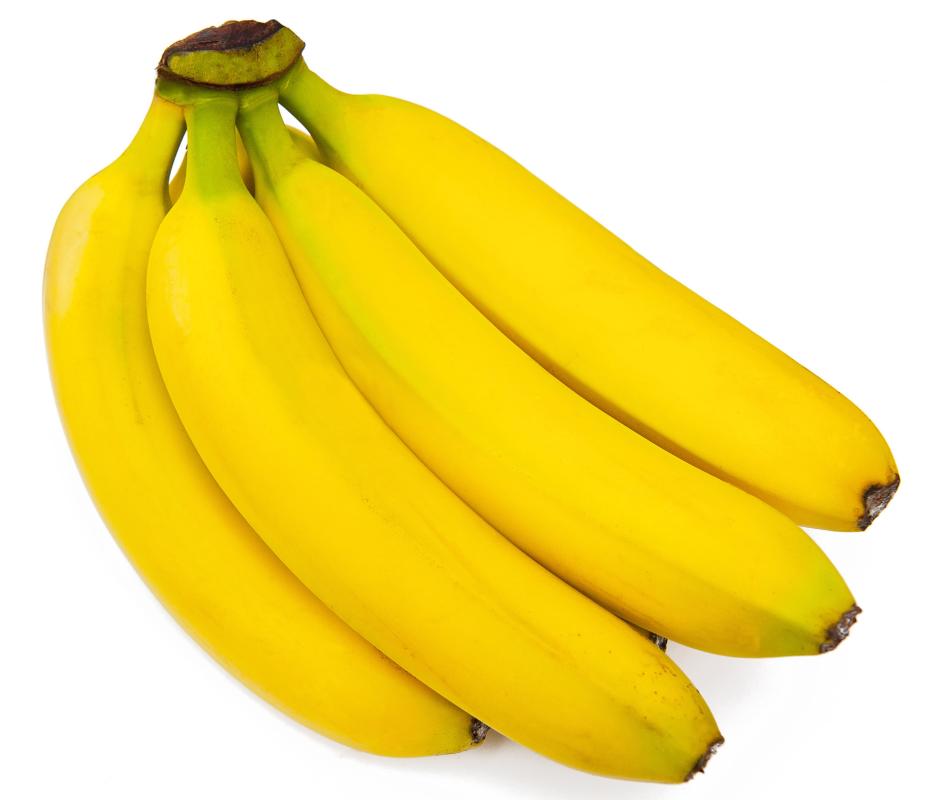
![Bananas are sometimes used to flavor custard powder.]() By: LiaurinkoBananas are sometimes used to flavor custard powder.
By: LiaurinkoBananas are sometimes used to flavor custard powder. -
![Mint may be used to garnish custard.]() By: margo555Mint may be used to garnish custard.
By: margo555Mint may be used to garnish custard. -
![A chinois is a cone-shaped sieve or strainer used in making custards.]() By: FOOD-microA chinois is a cone-shaped sieve or strainer used in making custards.
By: FOOD-microA chinois is a cone-shaped sieve or strainer used in making custards.




Discussion Comments
I lick raw custard powder. Am I safe?
instead of custard powder you can use cornstarch.
You can get custard powder in most African shops. There are loads of them there. That is where i shop for mine.
What can you use that is equal to custard powder? --Carol
Where is custerd power located in the food store?
can you please give some recipes from custard powder?
Post your comments