
At WiseGEEK, we're committed to delivering accurate, trustworthy information. Our expert-authored content is rigorously fact-checked and sourced from credible authorities. Discover how we uphold the highest standards in providing you with reliable knowledge.
What is Croup?
Croup is a viral infection that afflicts mostly young children under age six. In this illness, the vocal chords swell, resulting in a barking cough some compare to the sounds a seal makes. Although this is usually not a serious infection, the swelling may make it difficult to breathe. It is important for parents to closely monitor a child when he or she has the croup in order to make the distinction between a non-serious case and a situation in which the child may need emergency medical intervention.
The duration of the infection is typically five to six days. It usually worsens at night, and the symptoms peak at about the second or third night. Croup may begin unexpectedly without warning or may develop from an innocent common cold. The virus that causes this illness is just as contagious as the common cold, so frequent hand washing is a good idea to help prevent it from spreading.

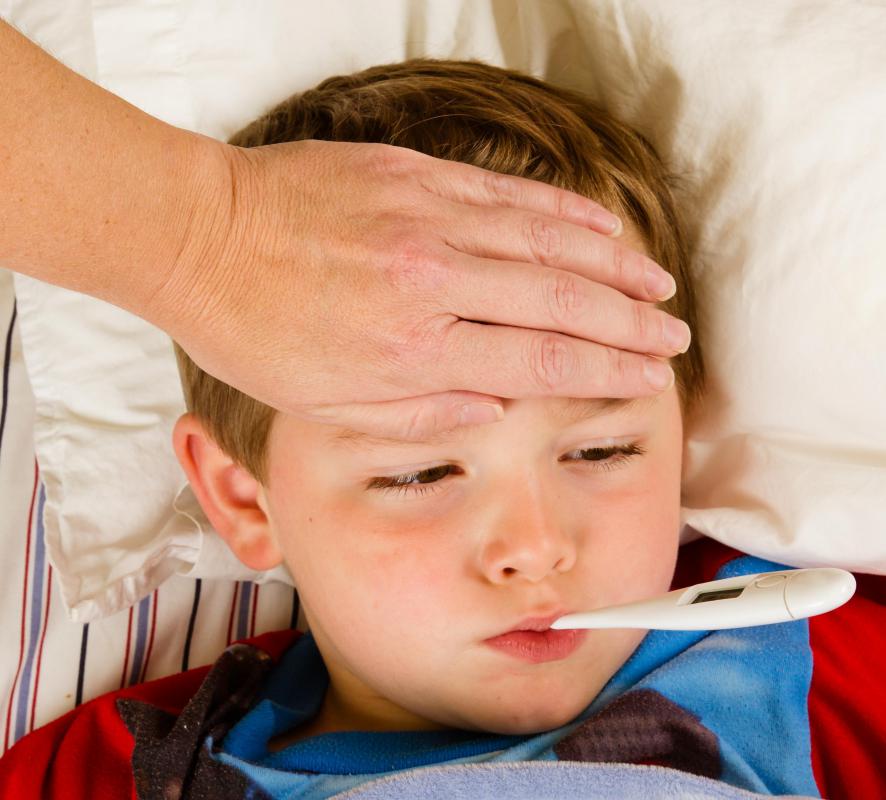
Symptoms include a harsh, barking cough and common cold symptoms. A fever, usually less than 104°F (40°C) can accompany it. The child may have a hoarse voice resulting from the swelling of the vocal chords. The most important symptom to monitor is a stridor, which is the gasping, raspy sound that the child makes when taking a breath in.
In a non-serious case of croup, the affected child acts normally, is happy and playful, and has a decent appetite. If he or she can sleep reasonably well and has the cough, but not the stridor, then a parent can most likely treat the child at home or wait until the next day to contact a medical professional for advice. If a child has a non-serious case, the home treatment is fairly simple and simply involves keeping the child calm and providing him or her with lots of comfort.

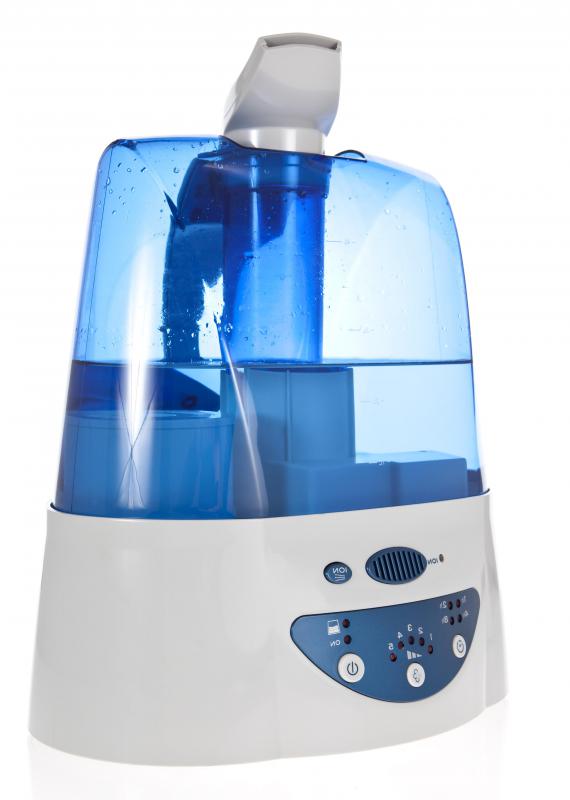
Sitting in a steamy bathroom often helps relieve symptoms, as the humidity aids in clearing breathing passages. A cool mist humidifier or vaporizer may help as well, and the cool night air also works wonders in clearing the airways. Many children have shown up to the emergency room with improved symptoms simply because of the midnight outing. Any fever that accompanies the virus can be treated with acetaminophen or ibuprofen.

A case of the croup can quickly progress to something more serious. If a parent feels that a child's condition is worsening, he or she should call a medical professional or ER for instructions. A child who is concentrating on his or her breathing may have an obstructed airway. Parents should watch for “indrawing,” in which the child pulls in at the neck, shoulders or ribs while breathing.

If the stridor is getting worse and is bad even when the child is calm, then the croup may have become serious. A parent should immediately take the child to the ER if the indrawing becomes worse and the child is obviously working hard to breathe. If he or she is pale and can’t cry or talk, or is drooling or has trouble swallowing, this is cause for great concern.

The ER staff will check the child's blood oxygen levels to see how much oxygen he or she is getting. If the illness is bad, the healthcare provider may administer a dose of vaporized epinephrine, which works fast to open airways. The child may also be prescribed steroids for a short period to help keep the airways open for the duration of the infection.
AS FEATURED ON:
AS FEATURED ON:









-
![Fever may accompany croup.]() By: robhainerFever may accompany croup.
By: robhainerFever may accompany croup. -
![A child with croup may experience coughing and gasping.]() By: Arpad Nagy-BagolyA child with croup may experience coughing and gasping.
By: Arpad Nagy-BagolyA child with croup may experience coughing and gasping. -
![Ibuprofen may be used to relieve fever associated with croup.]() By: Geo MartinezIbuprofen may be used to relieve fever associated with croup.
By: Geo MartinezIbuprofen may be used to relieve fever associated with croup. -
![A child with croup should be taken to the emergency room if he or she experiences difficulty breathing.]() By: Stephen FinnA child with croup should be taken to the emergency room if he or she experiences difficulty breathing.
By: Stephen FinnA child with croup should be taken to the emergency room if he or she experiences difficulty breathing. -
![Coughing can be a symptom of a deeper medical problem.]() By: ramonespeltCoughing can be a symptom of a deeper medical problem.
By: ramonespeltCoughing can be a symptom of a deeper medical problem. -
![Frequent hand washing can help prevent the spread of croup.]() By: Photographee.euFrequent hand washing can help prevent the spread of croup.
By: Photographee.euFrequent hand washing can help prevent the spread of croup. -
![A humidifier may relieve symptoms of croup.]() By: LusoimagesA humidifier may relieve symptoms of croup.
By: LusoimagesA humidifier may relieve symptoms of croup. -
![Children are more likely to develop croup because of their tiny airways.]() By: Zsolt BiczóChildren are more likely to develop croup because of their tiny airways.
By: Zsolt BiczóChildren are more likely to develop croup because of their tiny airways.




Discussion Comments
@cmsmith10: Adults can get croup but it very rare. The reason that adults don’t get croup often is that their trachea and larynx (the breathing passages) are larger. That means that the breathing passages can accommodate the inflammation caused by croup.
Can adults get croup?
Breathing problems can be terrifying for young children, so make sure that you reassure your child instead of appearing panicked, and that you take action immediately. Children really look to their parents to see how scared they should be and will be quickly terrified if a parents is scared, so try to stay upbeat, without neglecting your responsibilities.
Post your comments