
At HomeQuestionsAnswered, we're committed to delivering accurate, trustworthy information. Our expert-authored content is rigorously fact-checked and sourced from credible authorities. Discover how we uphold the highest standards in providing you with reliable knowledge.
What is Cotton?
 Mary McMahon
Mary McMahon
Mary McMahon
Cotton is a natural fiber harvested from the cotton plant. It is one of the oldest fibers under human cultivation, with traces over 7,000 years old recovered from archaeological sites. Cotton is also one of the most used natural fibers in existence today, with consumers from all classes and nations wearing and using it in a variety of applications. Thousands of acres globally are devoted to its production, whether it be new world cotton, with longer, smoother fibers, or the shorter and coarser old world varieties.
This plant is in the mallow family and produces delicate, lovely flowers. Other members of the mallow family include hollyhocks and hibiscus, used to brighten gardens all over the world. The cotton fiber forms around the seeds of the plant and is designed to help carry the seeds long distances on the wind so that the plant can distribute itself. Early humans realized that the soft, fluffy fibers might be suitable for textile use and began to breed the plant, selecting for fluffy, easily spun varieties.

After harvesting, cotton must be combed to remove the seeds. This used to be a laborious process until the invention of the cotton gin, which quickly separates the seeds from the fiber and combs them for spinning. While a single fiber is not terribly strong, when multiple curling fibers are straightened and twisted together, they form a strong, smooth thread that can be knitted or woven, as well as dyed.

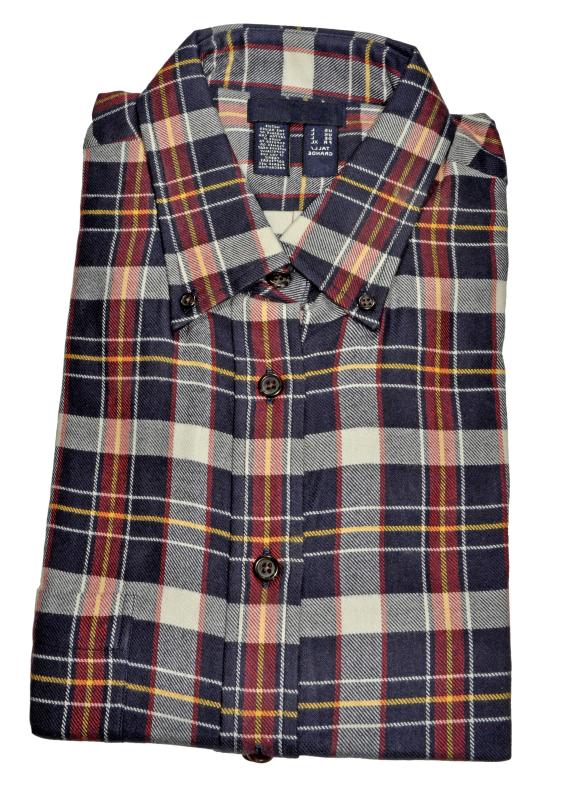
Cotton is somewhat flammable, especially lighter ones that hold a lot of air. Some is chemically treated to reduce flammability. Many cottons are also blended with other natural fibers, such as linen, for particular properties, or to add texture and strength to the fiber. The fiber can be woven or knitted. It can also be turned into flannel, corduroy, muslin, and a variety of other fabrics used so universally that the American Cotton Council uses “the fabric of our lives” as a tag line.

This material also carries environmental controversy, particularly in the developing world, where dangerous pesticides are heavily employed. Cotton is subject to infestation, and therefore many growers heavily douse the plant in pesticides that are harmful to human and animal health, as well as herbicides to eliminate competition for resources. A number of producers also genetically modify the plant, which many outside the industry view as a questionable practice. Cotton also has very large water requirements, which may place stress on nations with limited water resources. In the late 20th century, there was a push for organic, sustainable cotton grown and harvested without the use of pesticides and human exploitation. It is significantly more expensive than conventionally farmed varieties, however, and may not be practical for most consumers.
Mary McMahon
Ever since she began contributing to the site several years ago, Mary has embraced the exciting challenge of being a HomeQuestionsAnswered researcher and writer. Mary has a liberal arts degree from Goddard College and spends her free time reading, cooking, and exploring the great outdoors.
Learn more...
Mary McMahon
Ever since she began contributing to the site several years ago, Mary has embraced the exciting challenge of being a HomeQuestionsAnswered researcher and writer. Mary has a liberal arts degree from Goddard College and spends her free time reading, cooking, and exploring the great outdoors.
Learn more...AS FEATURED ON:
AS FEATURED ON:


-
![Cotton bolls on a branch.]()
Cotton bolls on a branch. -
![Colored cotton towels.]()
Colored cotton towels. -
![Cotton field ready for harvesting.]()
Cotton field ready for harvesting. -
![A cotton T-shirt.]() By: gemenacomA cotton T-shirt.
By: gemenacomA cotton T-shirt. -
![Cottons can be blended with other natural fibers to create materials like flannel.]() By: philip kinseyCottons can be blended with other natural fibers to create materials like flannel.
By: philip kinseyCottons can be blended with other natural fibers to create materials like flannel. -
![The invention of the cotton gin allowed for the quick removal of cotton seeds from its fibers.]() By: FunkBrothersThe invention of the cotton gin allowed for the quick removal of cotton seeds from its fibers.
By: FunkBrothersThe invention of the cotton gin allowed for the quick removal of cotton seeds from its fibers. -
![Cotton fiber can be turned into corduroy.]() By: Kitch BainCotton fiber can be turned into corduroy.
By: Kitch BainCotton fiber can be turned into corduroy.




Discussion Comments
Is cotton stain resistant?
Is cotton durable?
What is the biggest cotton boll?
Does cotton grow on plants?
What is the fiber content and fabric structure of cotton?
How is cotton produced into textile fibers?
Is cotton waterproof?
How do you grow cotton?
Is cotton stain resistant and biodegradable?
what can be used to make the cotton grow faster & prevent it from disease
Where is cotton widely grown?
@anon250875: Cotton is blended with nearly any other fiber you can imagine, natural and synthetic. It is woven with linen, nylon, rayon, polyester, ramie, even silk. There are all sorts of uses for cotton blend fabrics.
@anon250712: There are two ways to harvest cotton: by hand or by machine. U.S. farmers used to have their cotton handpicked before the cotton picker was invented. A cotton picker looks like a big popcorn machine on wheels. It has a huge hopper where the cotton is collected when it is picked. There are pictures of cotton pickers online.
Harvesting by hand is a hot, nasty process. Ever seen the movie "Places in the Heart"? It's about as accurate a depiction of picking cotton by hand as has ever been seen. The hulls are sharp and will slice your fingers, and it takes a while to fill up a tow sack. I've never picked cotton, but my parents and grandparents did. It's a nasty job.
But what other natural fibers get mixed with the cotton?
How is cotton harvested?
do you know what fibers have been used to make polyester cotton?
@anon178124: Please re-read the article. Cotton is not made from a polymer. It is a natural fiber. It comes from the cotton plant. It is like linen or silk -- a natural fiber.
Cotton on its own made into a shirt can be very thin and can get stained easily. I know. I wore make up in aussie and my t-shirt collar got stained a peach color. I was not very happy.
From which polymer is cotton made?
what is the importance of cotton in textiles?
What is the fiber content of cotton and cotton's fabric structure? This will be really helpful!
What is cotton's chemical formula?
Can cotton help in reducing air pollution in vehicles?
is cotton produced every year?
what is the molecular structure of a cotton molecule?
what are the most uses of cotton?
So what's the time that the plant cotton takes to produce itself? And exactly where is the cotton growing right now?
what are the machines used in making cotton as a useful thing?
yes cotton is cool and comfortable to wear, but it doesn't dry very fast. however, it is popular for travelers to hot countries.
what is the name of the plant, suitable area, and things made from it, etc. Sanchit p.
If cotton is flammable then why have you mentioned that cotton is good for firefighting personnel?
Is cotton a good conductor? Thanks.
What part of cotton plant is used?
what different markets is cotton sold to around the world?
@Anon81759: Yes, cotton is flammable. It is a natural fiber. Manufacturers use oil made from the cotton seed in food products, but the plant and bolls are not edible (Would you eat a cotton ball?).
Cotton is not generally considered to be a dangerous fiber, since it is natural. Usually people are not allergic to it.
Thanks. This helped me loads for my homework.
Could you eat cotton? Is it flammable and could it be dangerous? But thanks.
Cotton grows in many countries including Australia and USA.
was the cotton gin only made for cotton or could it be used for something else if so what?
when did cotton start being used?
this is helping me a lot. thanks.
does cotton affect hearing? Is cotton fabric different than regular cotton?
is cotton easily stretched and made into denim?
is cotton stain resistant?
Hi. How long does it take to make the shirts and how many people do this at the work place?
Does it keep us warm? Are stains easy to get out? is it absorbent? Is it expensive? Does it wrinkle easily? Will it shrink when washed?
Is it durable or delicate? Does the fabric stretch? Is it heavy or light? Is it thick or thin?
Sorry for asking so many questions, but I have a school assignment due and I really need some help!
what parts of the cotton plant can be used?
do you have any interesting history on cotton?
thanks
What exactly does cotton consist of? -MSc Forensic Student-
is cotton long lasting? if worn as board shorts
does cotton absorb a lot of water? does cotton have a soft feel? is cotton cool to wear?
is cotton quick drying?
and sorry for so many questions :)
please answer *all*
thanks and regards from secret shhhhh
does cotton need to be pollinated?
Is cotton flammable??
Where is cotton growing?
Post your comments