
At DelightedCooking, we're committed to delivering accurate, trustworthy information. Our expert-authored content is rigorously fact-checked and sourced from credible authorities. Discover how we uphold the highest standards in providing you with reliable knowledge.
What is Cotija Cheese?
Cotija cheese is a Mexican cheese that somewhat hard and crumbly and is commonly used in a number of Latin American recipes. It takes its name from the town of Cotija in the Mexican state of Michoacán, where scholars believe the cheese originated. It is still made on small farms in Michoacán and throughout Mexico, but its popularity abroad, particularly in the United States and Europe, has also led to broader commercialization. Many Latin American food experts argue that artisan-made cheeses are superior in both flavor and texture, but many commercial processes get similar results. Mass production also makes the cheese more widely available outside of small farming communities.
Basic Forms and Characteristics

Most of the Cotija cheese that is sold in marketplaces and shops is “aged,” which means that is has had a few months (and sometimes as long as a year) to sit in a cool, dark place and dry out. The aging process allows moisture to evaporate, which leaves a salty, crumbly end product. The cheese is sometimes also available fresh. Fresh Cotija is still somewhat crumbly, but has more of the consistency of feta. Aged cheese is often grated, while fresh versions are usually crumbled or coarsely broken.

Some people compare the two to fresh Italian Parmesan and aged Parmigiano-Reggiano: one is firmer and saltier while the other is moister and milder, but both have the same basic taste profile and can be used in similar ways. The overlaps in both form and function between these cheeses have led some food critics to nickname Cotija “Mexican Parmesan.” Both fresh and aged versions typically come in rounds or wedges without rinds, and usually require refrigeration.
Popular Recipes and Uses

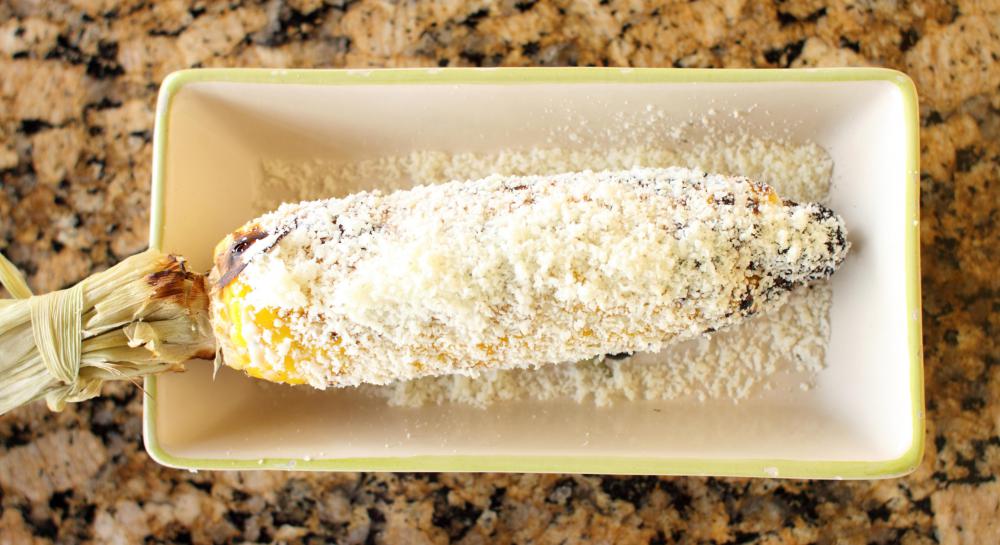
Cotija typically has about twice the salt content of cheeses like cheddar and Gouda, which makes it a somewhat unpopular choice for use as a table or dessert cheese. Cooks most commonly use it to garnish and add flavor to things like refried beans, tostadas, soups, or chili. In Mexico, a popular street-vended snack is an ear of roasted corn (called an elote) rolled in crumbled Cotija cheese, then dusted with chili powder and sprinkled with lime juice.

The cheese is very versatile and can be used by creative cooks in a number of different ways. It can be used to garnish almost any type of Mexican or Latin American food, and is also popular on eggs, salads, or sprinkled or grated over pasta. Cotija will add a salty “kick” to nearly anything.
How It’s Made
Farmers following traditional recipes typically begin with fresh, full-fat cow’s milk from local animals that eat a diet of rich grasses and grains. Cheesemakers salt the milk, then boil it with an enzyme culture till curds begin to form. The curds can be sifted, strained, and pressed into molds. Fresh cheese is usually ready within a day or so; aged versions usually need three months or more to sit in a cool, dark place.

The most authentic way to age cheese is in an underground cave or cavern, and some farmers still use this method. Most modern manufacturers use more streamlined aging and mixing techniques, however. Many use pasteurized milk, for instance, which in some cases is sourced from large-scale farms where cows are fed a more restricted diet. Adding extra enzymes to speed the aging process is also common. Whether this impacts the overall taste is a topic of some debate, though many experts suggest that this sort of “speed aging” results in a cheese that doesn’t have quite the same complexity of flavor as one that has aged more naturally.
Where to Find It
Outside of Mexico, shoppers can usually find Cotija in Latin American markets, ethnic grocery shops, or at some larger supermarkets, particularly in big cities or regions with dense Hispanic populations. Most of what is available internationally is commercially-created, though some homemade or small-batch versions may be available at farmer’s markets or direct from the farmer. A lot of this depends on region. It is sometimes also possible to buy both fresh and aged products on the Internet.
Common Substitutions
Cooks may not always be able to find the cheese, and when this happens there are a number of similar products that can be good substitutes. Añejado, an aged Mexican cheese made from goat’s milk, is usually the closest alternative; feta, Parmaesan, or Romano are also popular choices. People usually look for something that is relatively dry, crumbles well, and has a mild taste. Anything too sharp or astringent can alter the overall character of the food.
Nutritional Information
Cotija, like most cheeses, is a good source of calcium and protein. Fresh versions often contain slightly more fat per serving, but aged rounds generally have a much higher sodium content. Both varieties tend to be low in carbohydrates but high in calories. People who are watching their weight or are concerned about their daily caloric intake tend to use this and other cheeses sparingly.
AS FEATURED ON:
AS FEATURED ON:


-
![Cotija cheese sprinkled over cooked corn.]() By: Peter KimCotija cheese sprinkled over cooked corn.
By: Peter KimCotija cheese sprinkled over cooked corn. -
![Black olives pair well with Cotija cheese.]() By: Subbotina AnnaBlack olives pair well with Cotija cheese.
By: Subbotina AnnaBlack olives pair well with Cotija cheese. -
![Milk is used to make cotija cheese.]() By: vlorzorMilk is used to make cotija cheese.
By: vlorzorMilk is used to make cotija cheese. -
![The most authentic way to age cheese is in an underground cave or cavern, and some farmers still use this method.]() By: Moreno SoppelsaThe most authentic way to age cheese is in an underground cave or cavern, and some farmers still use this method.
By: Moreno SoppelsaThe most authentic way to age cheese is in an underground cave or cavern, and some farmers still use this method. -
![Cotija cheese is traditionally made using whole cow's milk bought from a local source.]() By: efiredCotija cheese is traditionally made using whole cow's milk bought from a local source.
By: efiredCotija cheese is traditionally made using whole cow's milk bought from a local source.



Discussion Comments
Wow, if you are a cheese connoisseur you will appreciate the texture and rich flavor of this seasonal only type of cheese. In authentic Mexican restaurants, one should find them serving Oaxaca goat cheese for their queso dip. It is the creamiest richest most flavorful white cheese I have ever enjoyed! Hope you can find it!
Most of the traditional Cotija cheeses smell like sweaty feet. My dog ate some and immediately started licking his butt, probably trying to get the taste out of his mouth.
When I heard the name of this cheese, I thought it was just Spanish cottage cheese. I was about to use cottage cheese in place of it in a recipe. Good thing I found this article first! I guess names can be misleading.
Great article and very informative. Thanks.
The best Cotija Cheese is Ariza Cheese Company's Cotija Cheese - it's made in Paramount, California but can be found in other states as well. Cotija does not melt well - it will soften - but not melt. It is used more as a garnish - rather than just adding salt to a dish - you top it with Ariza Cotija Cheese and make the flavor of the food pop!
O.K. I'd been wondering about Cotija cheese. Now, if I can just find what kind they use for cheese dip in Mexican restaurants...
Post your comments