
At AllThingsNature, we're committed to delivering accurate, trustworthy information. Our expert-authored content is rigorously fact-checked and sourced from credible authorities. Discover how we uphold the highest standards in providing you with reliable knowledge.
What is Core Temperature?
Core temperature is the temperature of an organism at which it is meant to operate. It tends to refer to the temperature of organs and parts of the body that are well insulated, as opposed to the skin and other surface areas, which fluctuate much more wildly. It differs from species to species, but is always the temperature at which everything works best.
Mammals regulate their core temperature with a system of thermoregulatory processes, intended to keep everything in homeostasis. When the body heats up because of external pressures, internal mechanisms cool everything down to ensure the body functions at its best. Similarly, when the external environment becomes colder than the organism, internal processes heat everything up.

This temperature is measured in a number of different ways. The easiest traditional method of measurement was with a thermometer placed under the tongue and kept there for a bit. Oral temperature is notoriously unreliable; however, and is subject to any number of interferences. Rectal temperature is considered much more reliable, albeit somewhat more difficult to obtain. There are also modern thermometers which are meant to be used in the ear, which use infrared lasers to determine the temperature of the tympanic membrane. Although ear thermometers are very convenient, many studies have found them to be quite fickle, and they are not recommended as a method of determining fever.

The average normal human core temperature is around 98.2 F (36.8 C), plus or minus 1.3 degrees Fahrenheit (0.7 C) when taken orally, and about 1.0 F (0.5 C) higher when taken rectally. Humans' temperatures actually fluctuate over the course of a day, becoming higher when a person is more active, and dropping to its lowest point halfway through the sleep cycle. Traditionally, the average human temperature was given as 98.6 F, which is a conversion of an earlier measurement from the 19th century.
Core temperature is monitored by nerve cells throughout the body. When they detect a change in temperature from the ideal, the nerve cells in the hypothalamus of the brain respond by either speeding up or slowing down in their impulse generation.

This means that when the body starts to get cold, and the core temperature starts to go lower than its ideal, the nerve cells speed up, and the body begins to shiver. Shivering in turn generates heat, which heats the body. Blood vessels are also contracted, so that less blood comes to the skin from the core, and there is less loss of heat. When the body detects that it is getting colder, it also makes hairs on the skin stand up on end. In mammals with a lot of hair, this traps air, which acts as a layer of insulation. In humans, because we have little hair left, it expresses itself only as goose bumps, and doesn’t help much in heating up the inner body.

Fever is brought on when the body essentially changes what it thinks the core temperature should be. Suddenly it wants the body to be hotter than it normally would be, usually to try to drive out some sort of hostile invader. The normal reactions still apply: shivering, reduced blood flow, etc., but now it drives the temperature up well beyond what it is meant to operate at.
Frequently Asked Questions
What exactly is core temperature?
Core temperature refers to the internal temperature of the body, particularly the temperature of the organs within the thoracic and abdominal cavities. This temperature is crucial for maintaining vital bodily functions and is typically maintained around 37°C (98.6°F), although it can slightly vary among individuals.
Why is maintaining a stable core temperature important?
Maintaining a stable core temperature is vital for enzymatic processes and physiological functions to operate optimally. Enzymes, which drive biochemical reactions, have narrow temperature ranges for peak activity. Deviations from the normal core temperature can impair these reactions, potentially leading to serious health issues or decreased function.
How does the body regulate core temperature?
The body regulates core temperature through a process called thermoregulation, which involves balancing heat production and heat loss. The hypothalamus acts as the body's thermostat, triggering responses like sweating to cool down or shivering to generate heat, thus maintaining a stable internal environment.
What can cause fluctuations in core temperature?
Fluctuations in core temperature can be caused by external factors like ambient temperature, humidity, and clothing, as well as internal factors such as metabolic rate, disease, and physical activity. Fever, for instance, is a common cause of elevated core temperature due to the body's response to infection.
How do health professionals measure core temperature?
Health professionals measure core temperature using thermometers that provide the most accurate readings from the body's internal sites. Common methods include rectal, tympanic (ear), esophageal, and bladder thermometers. Oral and axillary measurements are less invasive but can be less accurate.
Can core temperature vary throughout the day?
Yes, core temperature naturally varies throughout the day due to circadian rhythms. It is typically lowest in the early morning and highest in the late afternoon or early evening. These fluctuations are usually within 0.5°C (0.9°F) of the average normal core temperature.
AS FEATURED ON:
AS FEATURED ON:









-
![One way to take a person's core temperature is by placing a thermometer under the tongue.]() By: MASTOne way to take a person's core temperature is by placing a thermometer under the tongue.
By: MASTOne way to take a person's core temperature is by placing a thermometer under the tongue. -
![Ear thermometers are often not recommended as a way to determine fever.]() By: Thomas PerkinsEar thermometers are often not recommended as a way to determine fever.
By: Thomas PerkinsEar thermometers are often not recommended as a way to determine fever. -
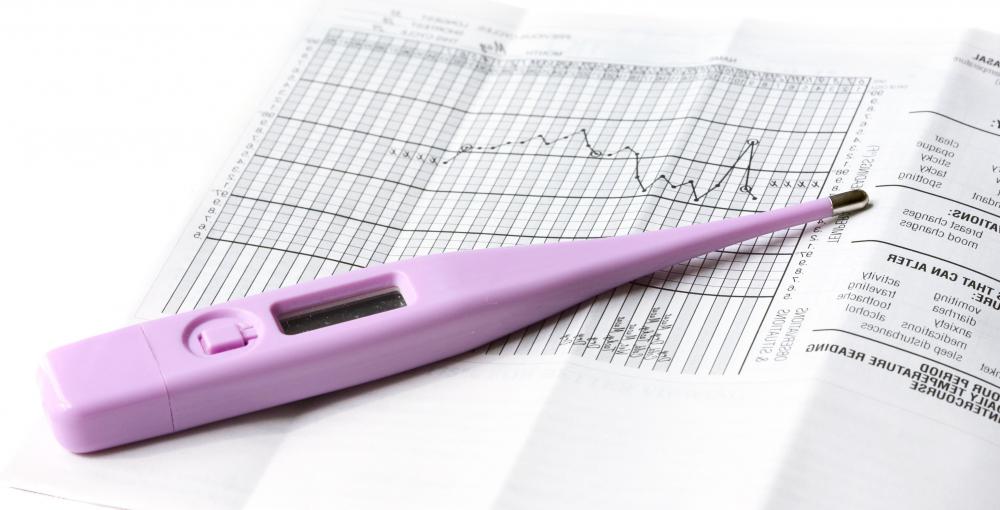
![The average normal core temperature is about 98.2 degrees Fahrenheit, plus or minus 1.3 degrees.]() By: svetlana larinaThe average normal core temperature is about 98.2 degrees Fahrenheit, plus or minus 1.3 degrees.
By: svetlana larinaThe average normal core temperature is about 98.2 degrees Fahrenheit, plus or minus 1.3 degrees. -
![Core temperature is monitored by nerve cells in the hypothalamus of the brain.]() By: Athanasia NomikouCore temperature is monitored by nerve cells in the hypothalamus of the brain.
By: Athanasia NomikouCore temperature is monitored by nerve cells in the hypothalamus of the brain.



Discussion Comments
@umbra21 - Yeah my mother recently went through menopause and she would get very high temperatures with her hot flashes but they weren't because of illness. They were just annoying. And I've heard that cancer patients can get them as well. Sometimes the body just doesn't seem to know how to handle itself.
@pastanaga - It's funny how different people respond in different ways to a high fever though. I remember when I was at a summer camp a few years ago and I was feeling really ill, but no one believed me because I just didn't look like I was sick.
It wasn't until they tested me with a thermometer and realized how high my temperature was that they rushed me into bed and started giving me medication.
I don't know if it was just because the higher temperature didn't bother me as much as other people, or if I simply didn't show discomfort as much as someone else might have. But then a high temperature doesn't always mean that the person is very ill. Just that the body thinks increasing the heat will help.
It's worth mentioning that some people just naturally have a slightly higher temperature than others. It's not going to be a radical difference, but if you always get measured at a certain temperature, it might be worth taking note that that is normal for you.
Don't make the mistake of thinking that means you can withstand a higher temperature when you are sick though. The human body can only increase its temperature to a certain point before systems start to shut down and that point is going to be roughly the same for everyone.
Post your comments