
At AllThingsNature, we're committed to delivering accurate, trustworthy information. Our expert-authored content is rigorously fact-checked and sourced from credible authorities. Discover how we uphold the highest standards in providing you with reliable knowledge.
What is Copper?
 Mary McMahon
Mary McMahon
Mary McMahon
Copper is a reddish brown nonferrous mineral which has been used for thousands of years by many cultures. The metal is closely related with silver and gold, with many properties being shared among these metals. Modern life has a number of applications for copper, ranging from coins to pigments, and demand for the metal remains high, especially in industrialized nations. Many consumers interact with it in various forms on a daily basis.
Archaeological evidence suggests that copper is among the earliest metals used by humans. Numerous digs all over the world indicate that it was used to make utensils, jewelry, and weapons. The metal is highly ductile, meaning that it can be easily worked and pulled into wire. For cultures which had minimal or crude metalworking abilities, it would have been easy to shape and work with. It is also easy to alloy, and many of the early metal alloys featured this metal.

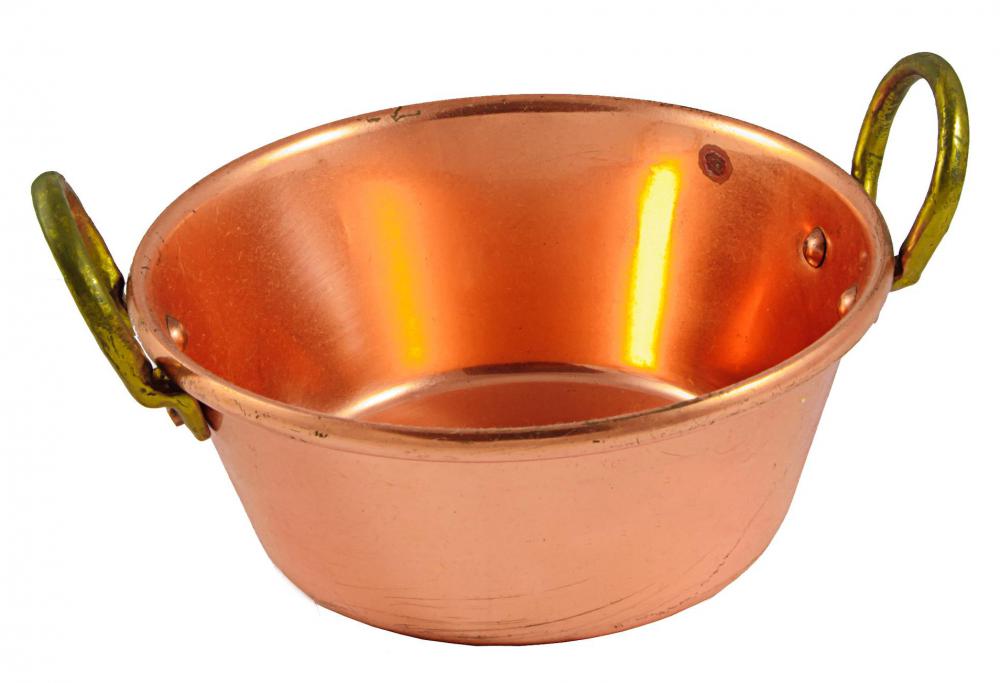
The name for the metal comes from Kyprios, the Ancient Greek name for Cyprus, an island which had highly productive copper mines in the Ancient world. Its atomic number is 29, placing it among the transition metals. The metal is highly conductive of both electricity and heat, and many of its uses take advantage of this quality. Copper can be found in numerous electronics and in wiring. It is also used to make cooking pots. This metal is also relatively corrosion resistant, since it forms a patina which resists oxidation. For this reason, it's often mixed with other metals to form alloys such as bronze and brass.

In addition to being useful in manufacturing, copper is also a vital dietary nutrient, although only small amounts of the metal are needed for well-being. It appears in several enzymes, facilitates the absorption of iron, and helps to transmit electrical signals in the body. In high doses, however, the metal can be extremely toxic. Copper can also saturate the water and soil, posing risks to wildlife. On a more benign level, it can stain clothing and flesh, as many people have probably noticed.

In a natural state, copper is rarely found pure. It is compounded with other elements, and the material must be treated before it can be sold. This can lead to serious environmental problems, especially when mining companies engage in unsound practices. The chemicals used to extract the metal can be toxic, as can the discarded elements and runoff associated with its purification. Many countries attempt to regulate their copper industries to prevent widespread pollution and the problems associated with it.
Frequently Asked Questions
What is copper and where is it commonly found?

Copper is a reddish-brown, malleable metal that is highly conductive of electricity and heat. It's found in various mineral forms such as chalcopyrite and bornite. Major copper mines are located in Chile, Peru, and China, with Chile being the world's largest producer, contributing to about 28% of global copper production.
How is copper used in everyday life?
Copper is integral to modern living, with its primary use in electrical wiring due to its excellent conductivity. It's also found in plumbing, heating and cooling systems, and in the construction industry. Additionally, copper is a key component in renewable energy systems, such as solar panels and wind turbines, and is essential in the manufacturing of electric vehicles.
What are the environmental impacts of copper mining?

Copper mining can have significant environmental impacts, including habitat destruction, soil erosion, and water pollution from tailings and other waste. Acid mine drainage can lead to the leaching of heavy metals into waterways, affecting aquatic life. However, advancements in mining technology and regulations aim to reduce these impacts.
Can copper be recycled, and if so, how effective is the process?

Yes, copper is highly recyclable and retains up to 95% of its original value and properties after recycling. The recycling process is quite effective and environmentally beneficial, as it uses up to 85% less energy than primary production. According to the Copper Development Association, nearly as much copper is recovered from recycled material as is derived from newly mined ore.
What are the health benefits and risks associated with copper?
Copper is an essential trace mineral necessary for survival. It plays a vital role in iron metabolism, immune system function, and the maintenance of bone, connective tissue, and brain health. However, excessive copper intake can lead to toxicity, causing gastrointestinal issues, liver damage, and other health problems. It's important to maintain a balanced level of copper in the diet.
How does copper's conductivity compare to other metals?
Copper is the second most conductive metal after silver, making it the preferred choice for most electrical applications due to its balance of conductivity, ductility, and cost-effectiveness. According to the International Copper Association, copper's electrical conductivity is 100% IACS (International Annealed Copper Standard), which is a benchmark for comparing the electrical conductivities of various materials.
Mary McMahon
Ever since she began contributing to the site several years ago, Mary has embraced the exciting challenge of being a AllThingsNature researcher and writer. Mary has a liberal arts degree from Goddard College and spends her free time reading, cooking, and exploring the great outdoors.
Learn more...
Mary McMahon
Ever since she began contributing to the site several years ago, Mary has embraced the exciting challenge of being a AllThingsNature researcher and writer. Mary has a liberal arts degree from Goddard College and spends her free time reading, cooking, and exploring the great outdoors.
Learn more...AS FEATURED ON:
AS FEATURED ON:









-
![A pot made out of copper.]() By: PabkovA pot made out of copper.
By: PabkovA pot made out of copper. -
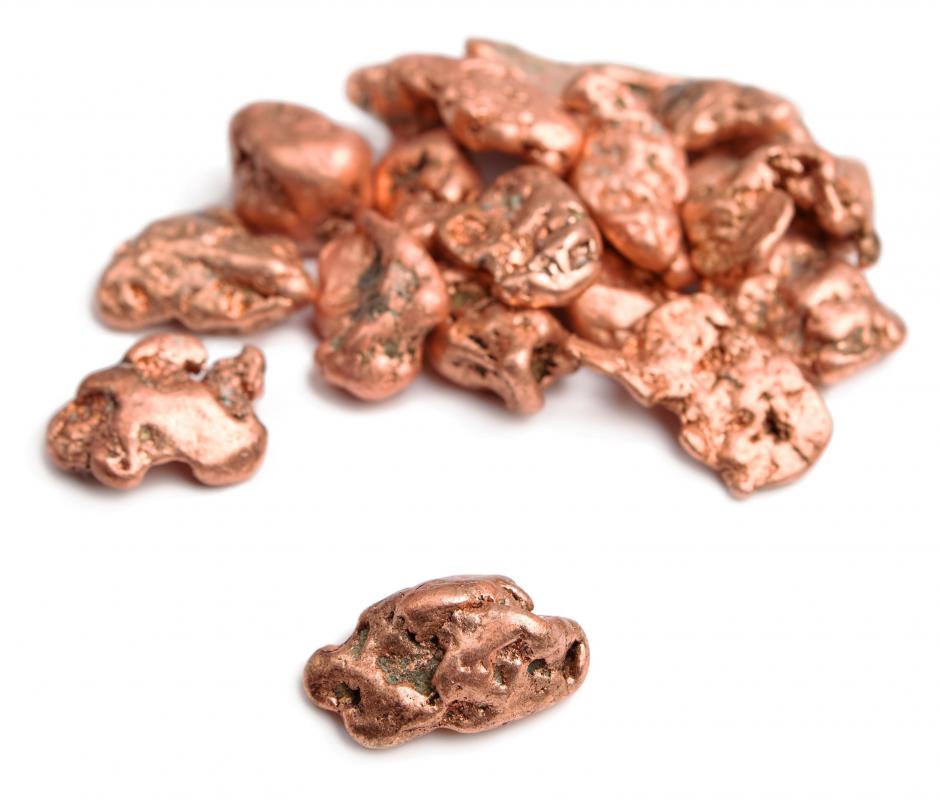
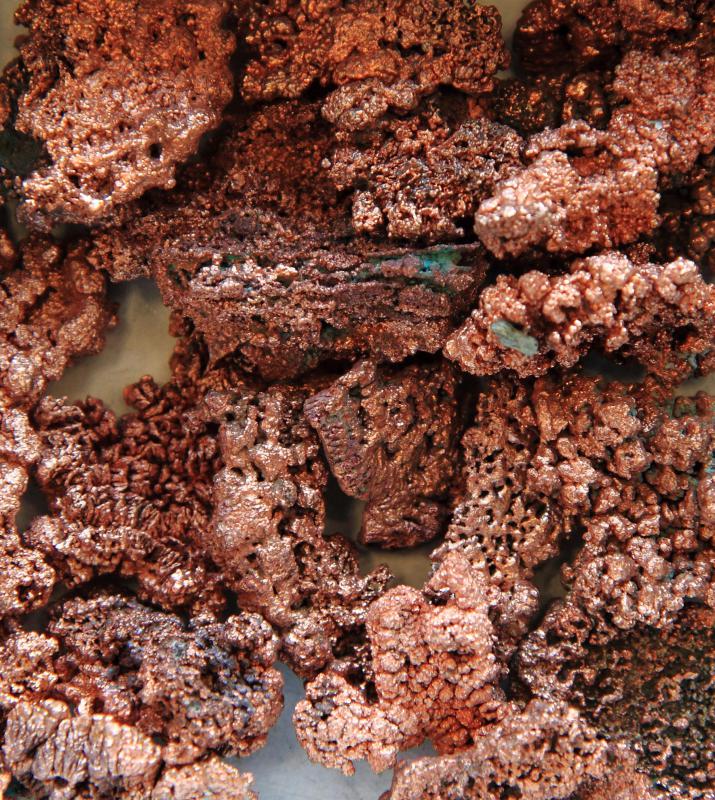
![Small nuggets of pure copper.]() By: Ekaterina FribusSmall nuggets of pure copper.
By: Ekaterina FribusSmall nuggets of pure copper. -
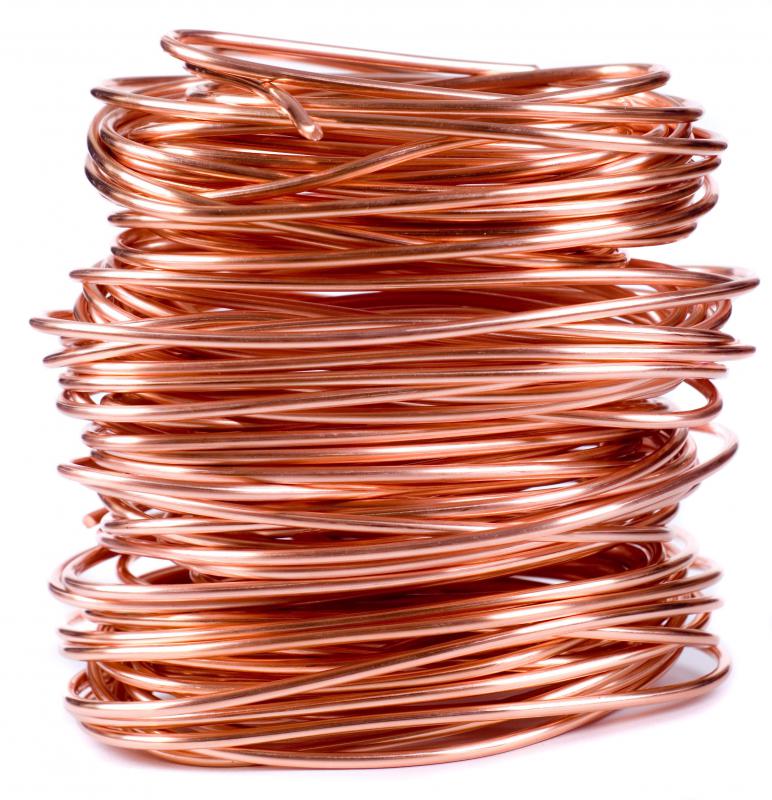
![Copper wire.]() By: Dmitry DGCopper wire.
By: Dmitry DGCopper wire. -
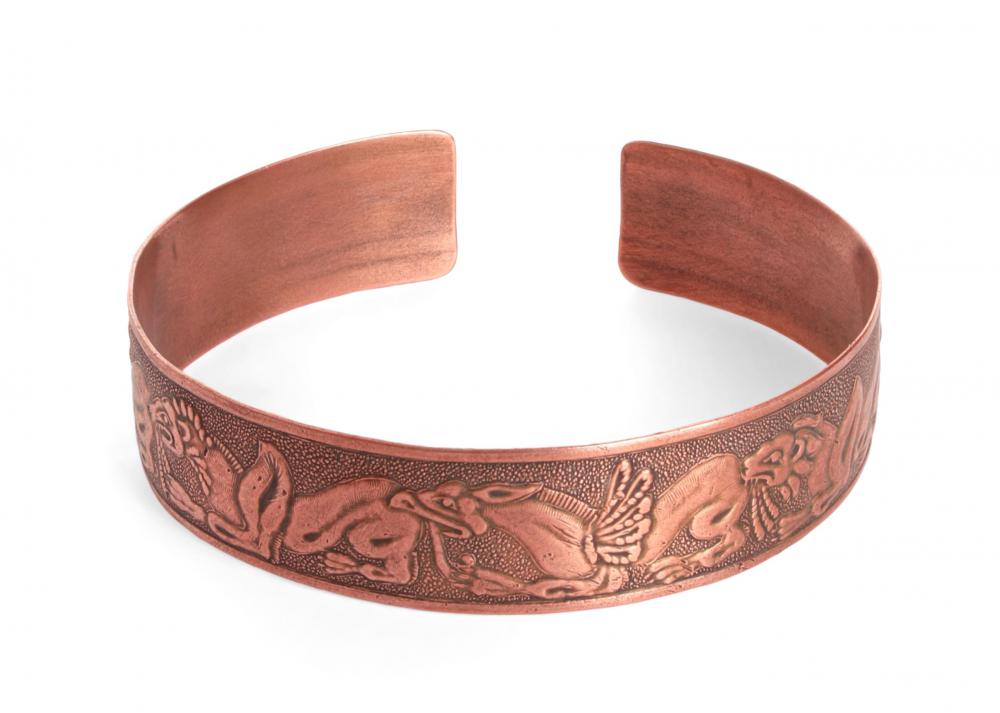
![A copper bracelet.]() By: Bookworm32A copper bracelet.
By: Bookworm32A copper bracelet. -
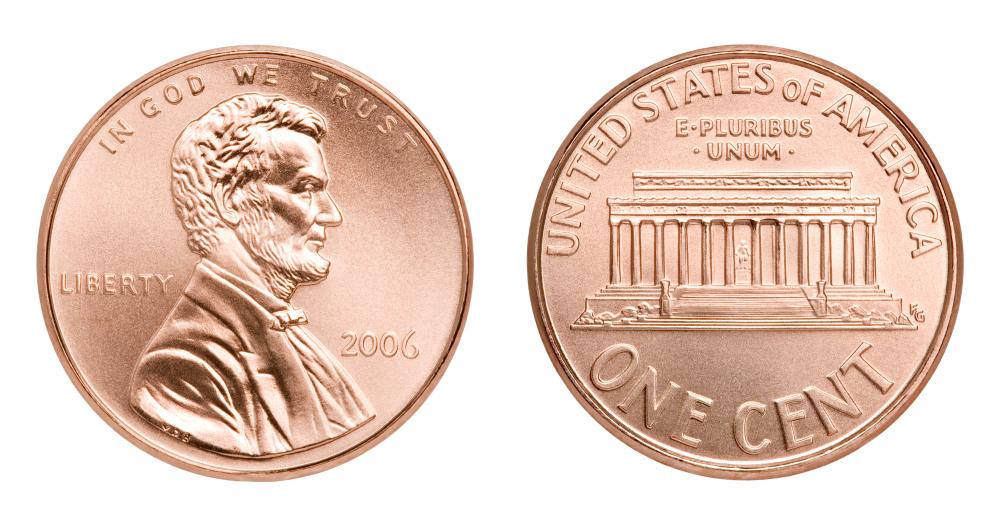
![US pennies made after 1982 are only coated in copper.]() By: Sascha BurkardUS pennies made after 1982 are only coated in copper.
By: Sascha BurkardUS pennies made after 1982 are only coated in copper. -
![The Statue of Liberty, which is made out of copper, has developed a patina with age.]() By: vlad_gThe Statue of Liberty, which is made out of copper, has developed a patina with age.
By: vlad_gThe Statue of Liberty, which is made out of copper, has developed a patina with age. -
![Cuprum metallicum, which is found in rocks across the globe, is easily mined.]() By: jonnysekCuprum metallicum, which is found in rocks across the globe, is easily mined.
By: jonnysekCuprum metallicum, which is found in rocks across the globe, is easily mined.

Discussion Comments
I will say though that it does not seem your case is too unique. Even though the amount of copper there is at your job is worth a lot, I know that there are security guards hired as night watchmen to simply make sure no one breaks into buildings to steal the copper wiring.
That being said, why is it that copper is so valuable and is it possible that copper is used as monetary exchange in other countries due to its value?
@stl156 - I recently was transferred from my security job that required a lot of responsibility to another site where a company was putting up an electrical line. The reason for having security at this site was because of the amount of copper that was located at the site in order to put into the electrical line.
When I got to work I was told that I only had one job, watch the copper and make sure it does not get stolen. This was coming from a job in which I had a mountain of responsibility and not only did I have fewer duties, I got nearly a three dollar an hour raise!
Although this may seem silly to some, this copper, which was kept in the bed of a dump truck, was worth a couple hundred thousand dollars and was even more valuable to the company putting up the electrical line, because of what they needed the copper for.
I have always wondered exactly what copper was used for and why it was so valuable. I know that there have been many problems in my town concerning theft of copper wiring from people's houses, but I guess since the demand for copper is so high that it would cause some people to risk getting arrested.
I really never understood why there has always been such a problem though about stealing copper, as I always saw it as simply a metal that is only worth slightly more than aluminum. It is not like it is a precious metal like gold or silver.
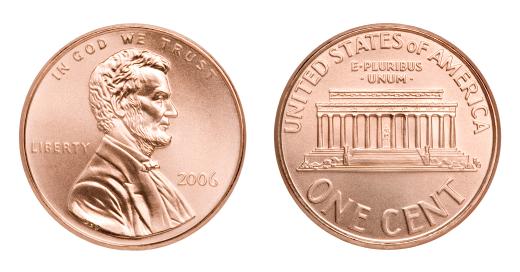
Pennies used to have a much higher copper content than they do today. However, they are still made of copper alloys.
I associate copper with the smell of a penny. After I've handled one, my hands have that distinct metallic smell.
@shell4life – I wish I could get my hands on some free copper wire! I had to buy mine, and I use it as snail repellent around my strawberry garden.
I read that if a snail crosses a copper wire, it will give his body a shock. So, snails tend to stay away from copper.
I had been having issues with snails eating my berries, so I thought this would be a wonderful idea. I surrounded my garden with the copper, and I secured it with nails here and there. As long as I keep the grass from growing over it, it should continue to work.
My husband was excited to find a bunch of copper wire while he was working on a demolition crew tearing down an old house. The workers were told they could keep whatever they found.
He told me that if he were to buy copper wire, it would be expensive. He gathered as much as he could find, and he has it stored in his shop.
It results in some very cool, old-looking designs. They remind me of the old sienna toned photos.
Anyone who loves antiques or has old-fashioned décor in their home would love these copper etchings. They look like they were made over a hundred years ago!
Does it also come in powdered form?
What treatments can be done to copper to make it harder?
where is copper found mostly?
The strength of copper would vary based on how it's shaped. In rolled form, copper has a tensile strength of 32,000 psi.
pretty strong. it's used for pipes, in jewelery, roofing and wiring.
can you use copper to decorate books?
Look on the article for the strength of copper, if you want to know how strong it is. It's around here somewhere.
how strong is copper?
I was just wondering how it is made.
i like strong materials to work with. can you tell me if it can change its properties?
strong
can copper change its properties?
how strong is copper?
Post your comments