
At DelightedCooking, we're committed to delivering accurate, trustworthy information. Our expert-authored content is rigorously fact-checked and sourced from credible authorities. Discover how we uphold the highest standards in providing you with reliable knowledge.
What is Cold Pressed Oil?
 Mary McMahon
Mary McMahon
Mary McMahon
Cold pressed oil is oil produced through a combination of grinding and low heat. Many types of fruits, seeds, and vegetables can be used to make it, but not all cooking oils go through this process. The introduction of heat to the process of making most oils degrades their flavor, nutritional value, and color, and may expose them to toxins. Regulations governing the cold pressing process are made often vary by country, so shoppers can benefit from reading all product labels before buying them.
Use

Many people believe that cold pressed oil has a superior flavor. For dressings and dishes in which the flavor of the oil will play an important role, it is generally superior to other cooking additives. When it is heated through cooking, consumers should be more concerned with the smoking point of the individual ingredient used, since some cold pressed oils can't handle high heat. These generally shouldn't be used in cooking anyway, since the delicate and complex flavor will disappear.
Possible Health Benefits

Cold pressed oil may be healthier than conventionally made oil because of the lack of heat and chemicals in the production process. In conventional extraction, raw materials are heated to very high temperatures, sometimes up to 450°F (around 230°C), which changes their chemical structure. They are also often made with chemicals like hexane, a solvent which can cause health problems.
Production

The cold pressing process is most commonly used to make avocado, olive, pumpkin, flaxseed, sunflower, and peanut oils. Production starts with the nuts, seeds, or fruits being used to make the product being ground into an even paste. This is slowly stirred, which encourages the oil to separate from the solid parts and clump together; once this happens, pressure is applied, forcing the oil out. This can be done with a machine or in the traditional way, with a stone. Though the friction caused by the pressure does increase the temperature of the product, manufacturers must keep it within a certain degree range to be able to claim that the oil is cold pressed.
Regulations

The term "cold pressed oil" is subject to different regulations, depending on the part of the world in which it is made. In the European Union, for example, oil with this label must be produced in an environment that never exceeds a certain temperature. This varies depending on the source material, but is generally around 80° to 120°F (27° to 49°C). In the United States, labeling is not as regulated, so consumers generally need to contact companies directly to enquire as to their manufacturing process. Though many companies make a similar product, expeller pressed oil, it usually can't be designated as cold pressed, since the expelling process involves high levels of pressure, which creates more heat.
Mary McMahon
Ever since she began contributing to the site several years ago, Mary has embraced the exciting challenge of being a DelightedCooking researcher and writer. Mary has a liberal arts degree from Goddard College and spends her free time reading, cooking, and exploring the great outdoors.
Learn more...
Mary McMahon
Ever since she began contributing to the site several years ago, Mary has embraced the exciting challenge of being a DelightedCooking researcher and writer. Mary has a liberal arts degree from Goddard College and spends her free time reading, cooking, and exploring the great outdoors.
Learn more...AS FEATURED ON:
AS FEATURED ON:


-
![Cold pressed oil.]() By: grekoffCold pressed oil.
By: grekoffCold pressed oil. -
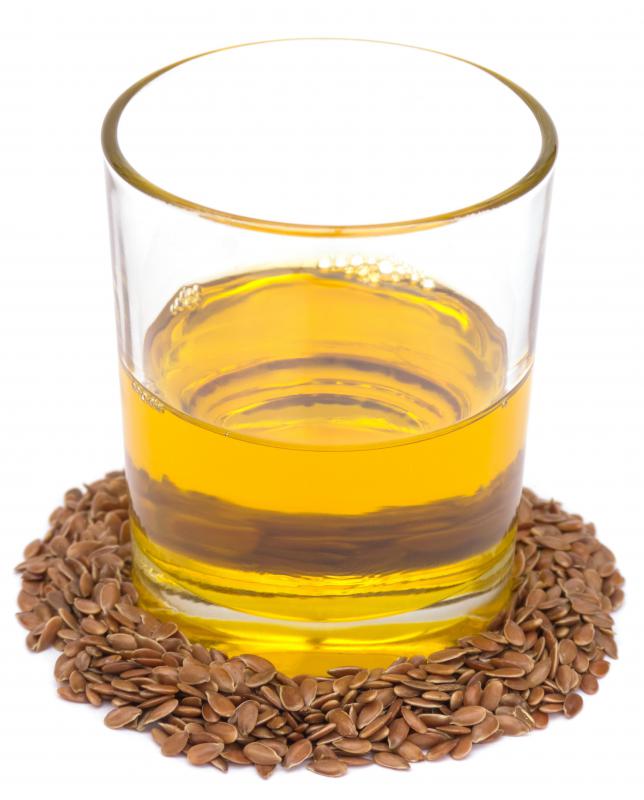
![Cold pressed flaxseed oil and flax seeds.]() By: WimLCold pressed flaxseed oil and flax seeds.
By: WimLCold pressed flaxseed oil and flax seeds. -
![Avocados can be used to make cold pressed oil.]() By: orioriAvocados can be used to make cold pressed oil.
By: orioriAvocados can be used to make cold pressed oil. -
![The cold pressing method is widely used to make peanut and olive oil.]() By: WimLThe cold pressing method is widely used to make peanut and olive oil.
By: WimLThe cold pressing method is widely used to make peanut and olive oil. -
![Sunflower oil is often made using a cold press process.]() By: Serhiy ShullyeSunflower oil is often made using a cold press process.
By: Serhiy ShullyeSunflower oil is often made using a cold press process.



Discussion Comments
I live in Thailand. All coconut oil everywhere is organic (ever see anybody spraying or fertilizing a coconut palm?).
Traditionally, sun-dried coconut meat (copra) is added to boiling water and the oil skimmed off the top. The water, of course, boils at 100°C; though I have never measured the temperature of the skim, it must be far cooler.
In recent years, companies are selling EV organic cold-processed coconut oil here for the same high prices they're charging in US health food stores. It's a rip. The oil is also so clear, I would expect it is filtred which loses some of that coco-benefit.
Local commercial producers centrifuge the oil from the copra, ensuring it never reaches more than 50°C, cold-processed by EU standards. I was told by one that coconut oil produced at higher temps was only suitable for cosmetics.
As a previous poster noted, call the producer to get the real answers to your questions!
Is mustard oil cold pressed oil, and is it healthy?
Isn't grape seed oil allowed to be cooked at higher temps? That was the only oil besides coconut that I knew.
Any oil that is heated above 60 degrees C becomes a trans-fat and should not be consumed. The only oil that does not do this is coconut oil.
For heating/cooking, only use organic extra virgin cold pressed unrefined coconut oil and stay healthy. Use organic olive oil on your salads (cold). Do not heat. I use coconut oil for everything. It is very yummy with the slight hint of coconut.
My health has turned around since I've been using coconut oil. I'm healthier, I've lost weight and my skin glows. It is the healthy oil. Throw away any smoking oil; it is toxic.
are all the essential oils cold pressed Specifically those used for aromatherapy or ayurvedic medicine?
@anon135935: Smoking oil is toxic oil! Throw it out and rinse the pan with hot water. Quality oil especially olive oil shouldn't be heated at high temp. Better quality oils have lower smoke point tolerance. Use sunflower oil for high temp cooking if you must.
I like cold pressed oil because of its quality, especially canola oil. my question is, at times the oil tends to produce some smell, and even when you begin cooking a lot of smoke is produced which part of my family are not very comfortable with. What is the best approach for this?
What is/are the equipment for cold pressed oil extraction?
I have a question about cold pressed oil from canola seed. can we use of light deodorizing at 190 celsius for canola cold pressed oil for increase of quality?
It can be. You need "first cold pressed" Extra virgin olive oil. I lived in France and learned *not* to cook with EVOO. It should be 'warm.' Marketing in the USA is quite deceptive, so pay attention to terms on the bottle.
There are some oils more suited to high temperatures, like coconut oil, but it has a high fat level. I love the taste so I use just a little.
Wish I knew more to help you, but the Internet is full of information. Most big named brands are poor quality oils.
is olive oil a cold pressed oil?
Post your comments