
At DelightedCooking, we're committed to delivering accurate, trustworthy information. Our expert-authored content is rigorously fact-checked and sourced from credible authorities. Discover how we uphold the highest standards in providing you with reliable knowledge.
What is Cola Flavored with?
 Tricia Christensen
Tricia Christensen
Tricia Christensen
Cola brands over the years have differed in flavorings, and most bottles simply list "artificial and natural flavors" as ingredients. Examining the original recipes for cola can give some idea of the current flavors, however. Some of the flavor likely comes from kola nuts, where the name comes from, but most of the distinctive flavors are provided by various citrus oils, vanilla, and cinnamon.
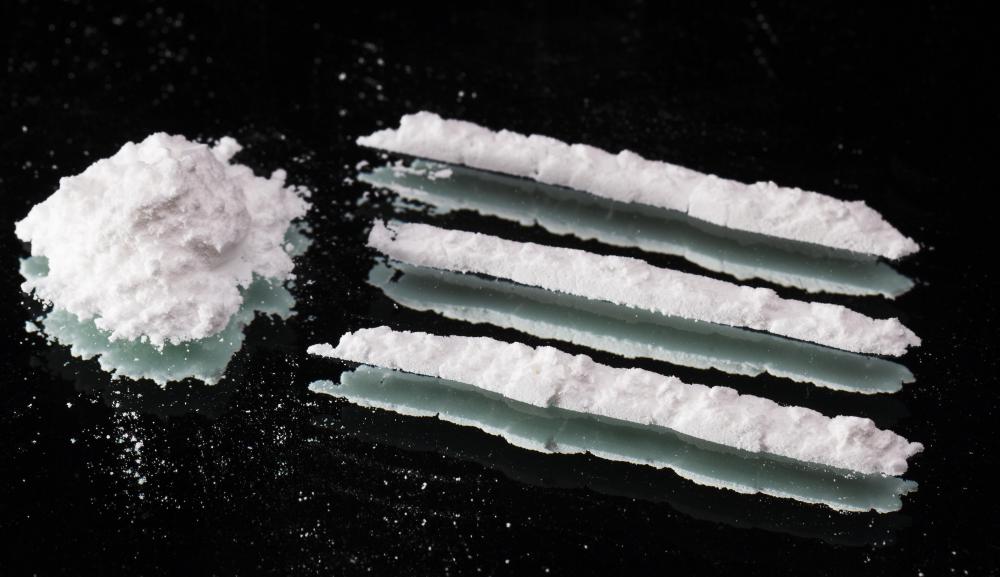
Most everyone who drinks Coca Cola® knows that early additives to Coke® included cocaine, hence the name. Cocaine does not add a strong flavor, however. By the mid 20th century, the cocaine had been dropped, and instead caffeine was added to give the drink the jolt that consumers had become adjusted to. Although the official recipe is a closely guarded secret, it is believed that extract of coca leaf, from which the cocaine has been removed, is still used in the flavoring.

Recipes from the Good Housekeeping cookbook series in the 19th century include kola nuts. Many recipes still list these bitter, caffeine-rich nuts from South America in the ingredients, but it is not known how much they are used in modern commercial recipes. A few small brands still hold to original recipes, and the result is a sharper tasting cola.

Most cola, however, uses a mix of flavorings, including vanilla, cinnamon and citrus, made into syrup. The drink gets it taste from phosphoric acid as well, which provides a more acid taste. Interestingly enough, phosphoric acid is often taken as an anti-emetic medication; this is why flat cola is sometimes recommended to help reduce vomiting.
Cola can also have flavorings added. In malt shops in the 1940s and onward, patrons could order a chocolate or cherry cola. Adding grenadine or chocolate syrup made these drinks special, and many find them superior to the versions now available. Today, many cola brands offer flavors like cherry and lemon or lime. Some find the lemon particularly refreshing; some complain that they taste too sweet.

Sweeteners can also change the taste and acidity of the drink. In the US, most regular colas are sweetened with high fructose corn syrup. Artificial sweeteners like aspartame or Splenda® can particularly change the profile of a diet drink. Since these are far sweeter than sugar, the right mix between them and the other ingredients is difficult to find. While aspartame was for a while the choice of most cola companies, many are switching to other artificial sweeteners. Not everyone is pleased with the results of the switch, however.
Various brands of cola add flavorings in different amounts, accounting for the taste differences in brands. There are loyal Coke® drinkers, as well as those who will only drink Pepsi®. Some are fans of Royal Crown®, or King Cola®.
Tricia Christensen
Tricia has a Literature degree from Sonoma State University and has been a frequent DelightedCooking contributor for many years. She is especially passionate about reading and writing, although her other interests include medicine, art, film, history, politics, ethics, and religion. Tricia lives in Northern California and is currently working on her first novel.
Learn more...
Tricia Christensen
Tricia has a Literature degree from Sonoma State University and has been a frequent DelightedCooking contributor for many years. She is especially passionate about reading and writing, although her other interests include medicine, art, film, history, politics, ethics, and religion. Tricia lives in Northern California and is currently working on her first novel.
Learn more...AS FEATURED ON:
AS FEATURED ON:


-
![Dried vanilla beans. Vanilla is one flavor in most colas.]() By: Picture PartnersDried vanilla beans. Vanilla is one flavor in most colas.
By: Picture PartnersDried vanilla beans. Vanilla is one flavor in most colas. -
![A bottle of cola.]() By: karandaevA bottle of cola.
By: karandaevA bottle of cola. -
![Cinnamon is often included in cola recipes.]() By: NatikaCinnamon is often included in cola recipes.
By: NatikaCinnamon is often included in cola recipes. -
![Most colas contain a citrus flavoring.]() By: hanabiyoriMost colas contain a citrus flavoring.
By: hanabiyoriMost colas contain a citrus flavoring. -
![Coke got its name because cocaine was an early additive in its production.]() By: HamsterManCoke got its name because cocaine was an early additive in its production.
By: HamsterManCoke got its name because cocaine was an early additive in its production. -
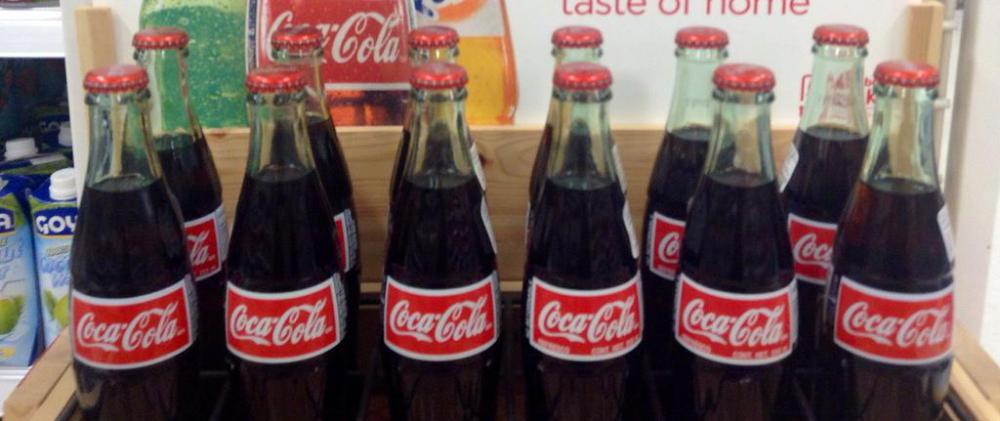
![Coca-Cola's recipe is a closely guarded secret.]() By: Mike MozartCoca-Cola's recipe is a closely guarded secret.
By: Mike MozartCoca-Cola's recipe is a closely guarded secret.


Discussion Comments
I have read some accounts about people putting three to four drops of "Spirits of ammonia" in a glass of Coke to calm people down and for relaxation and sleep.
There are reports of ammoniated Coke with aspirin for treating bursitis and even bone spurs.
I have never done this only found information digging around the net. I think the main key is "spirits of ammonia" versus "Ammonia Hydroxide". I would be careful using either one! lol
Kuerno
no I don't think so ...why would they put ammonia in it?!
My Mother used to work in a drug store, many years ago, in North Carolina. She has often talked about a fountain drink called an Ammoniated Coke. She only remembers that they would put ammonia in the cola. I can't believe that they put real ammonia in a beverage. Any idea what it was?
Post your comments