
At DelightedCooking, we're committed to delivering accurate, trustworthy information. Our expert-authored content is rigorously fact-checked and sourced from credible authorities. Discover how we uphold the highest standards in providing you with reliable knowledge.
What is Coconut Butter?
Coconut butter is a vegetable-based product made from the meat of a coconut, also known as the copra. Though some manufacturers use the term coconut oil and butter interchangeably because cooled oil can take on a butter-like consistency, people generally expect the butter to contain actual pieces of coconut meat, while the oil contains only extracted oil. It can be used in a wide variety of dishes as well as in beauty products, and there are a number of health benefits associated with eating it, including potential weight loss and a reduction of yeasts in the body.
How It's Made

To make coconut butter, small pieces of dried copra are blended or crushed until they come together to form a creamy paste. This can be made both on an industrial scale and at home in a food processor or blender by blending dried coconut pieces for about 20 to 30 minutes until they break down and come together. Homemade butter is sometimes slightly grainier than manufactured products due to the difference in equipment. Neither manufactured or homemade butter should be refrigerated, and it can usually last between two to three years. When it's stored, the oil tends to separate and go to the top, so it often needs to be stirred before use.
Health Benefits

There are many health benefits associated with coconut products in general, which may be more present in this form than those that are more processed. It contains lauric acid, which is an antibacterial, antiviral, and antifungal. The last property makes it a popular product for reducing Candida yeast in the body. It also contains medium chain triglycerides (MCTs), which are fatty acid compounds that have been associated with fat burning and may help with weight loss. Additionally, they are very easy for humans to digest, since they don't need to be broken down in the stomach before they can be absorbed.
Uses in Cooking

Coconut butter can be used in most dishes that need coconut milk or oil, and it can also be used as a condiment or spread. Like dairy-based butters, it usually needs to be warmed before it becomes spreadable. Some prefer to eat it on its own, or to mix a few spoonfuls with a flavoring like vanilla. It's also commonly used as a substitute for dairy-based butter in baking, although it's important to note that it will make baked goods dryer, so it needs to be supplemented with something moist, like a fruit puree or oil.
As a Cosmetic

The high fat content makes coconut butter a good moisturizer, and it can be used as-is for a homemade lotion or hair treatments. Since it does have flakes in it, it's best to rinse the hair very thoroughly after using it to make sure to get all the pieces out. Some people prefer to moisturize with coconut oil to avoid this potential problem. It's also possible to mix the coconut product with other substances, like shea butter, to make a homemade moisturizer. Both coconut oil and butter are used in manufactured beauty products as well, including soaps, conditioners, and body butters.
AS FEATURED ON:
AS FEATURED ON:


-
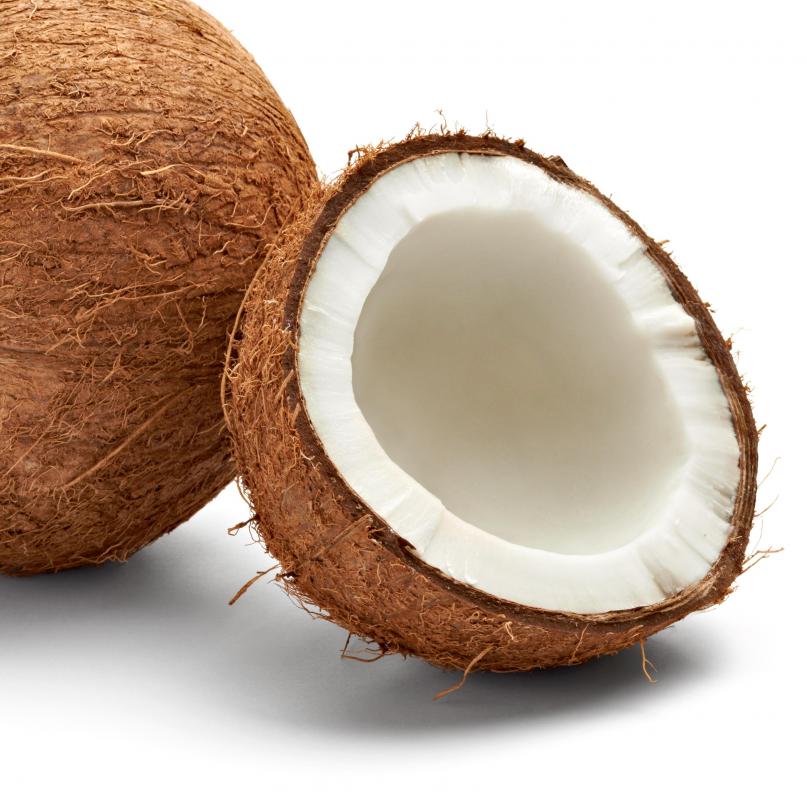
![Copra, or the fleshy part of a coconut, is blended to make coconut butter.]() By: picsfiveCopra, or the fleshy part of a coconut, is blended to make coconut butter.
By: picsfiveCopra, or the fleshy part of a coconut, is blended to make coconut butter. -
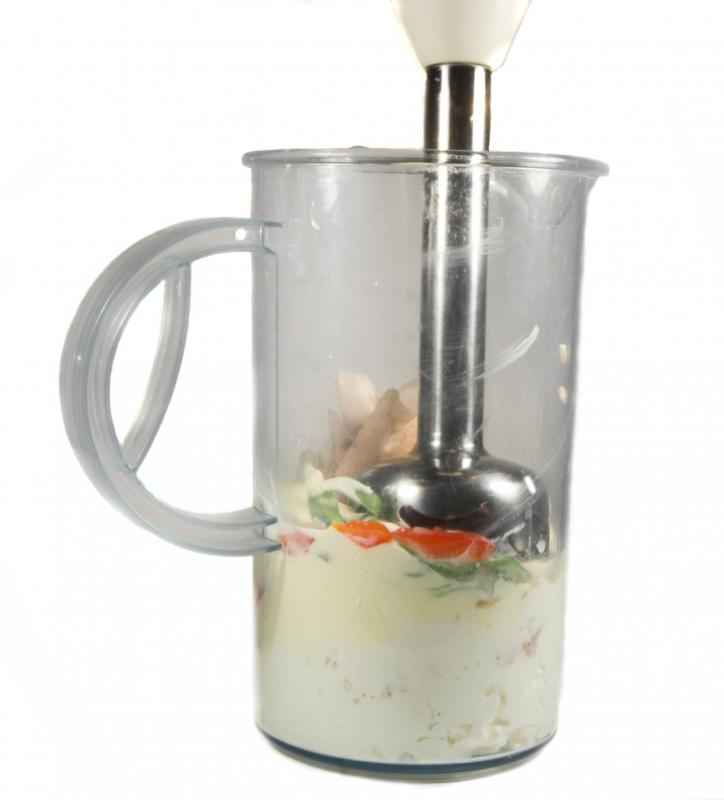
![Generally, a food processor or blender is used to make coconut butter.]() By: KerioakGenerally, a food processor or blender is used to make coconut butter.
By: KerioakGenerally, a food processor or blender is used to make coconut butter. -
![Coconut butter is extracted from the meat of a coconut.]() By: matesCoconut butter is extracted from the meat of a coconut.
By: matesCoconut butter is extracted from the meat of a coconut. -
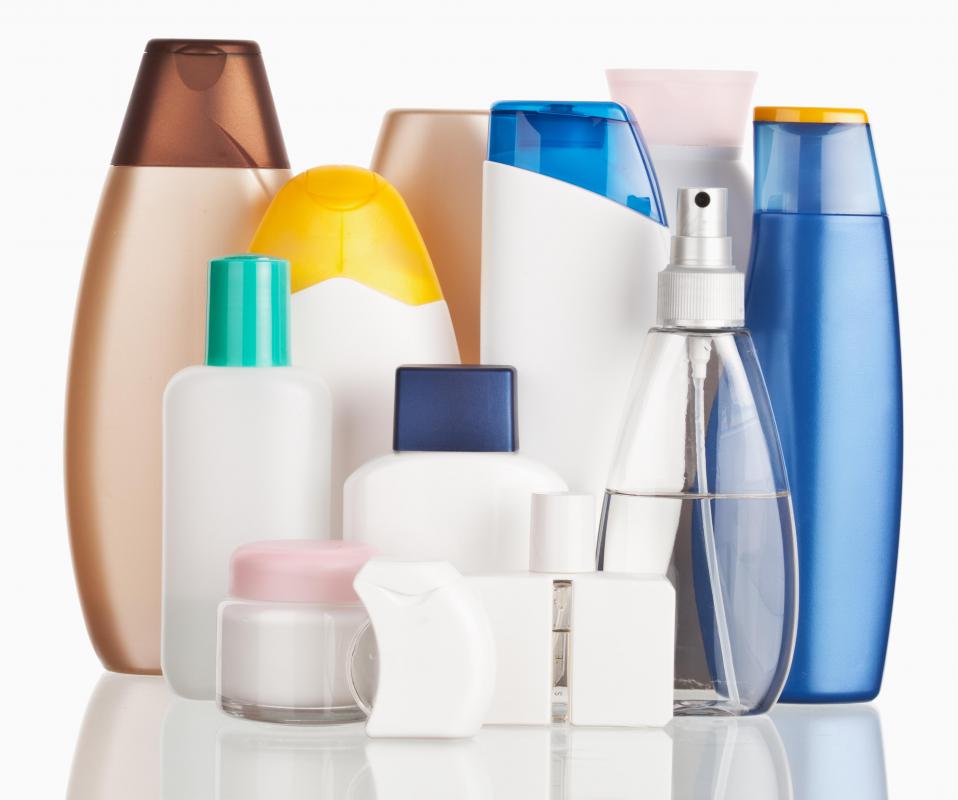
![Coconut butter is used in many beauty products.]() By: seenCoconut butter is used in many beauty products.
By: seenCoconut butter is used in many beauty products. -
![Coconut butter may help promote weight loss.]() By: LsantilliCoconut butter may help promote weight loss.
By: LsantilliCoconut butter may help promote weight loss.


Discussion Comments
Has anybody ever made coconut butter icing? I have read really good things about using coconut oil for cooking, and I do a lot of baking, so I was looking around for recipes for cakes and what not that involved coconut butter or oil.
Aside from the obvious coconut butter cakes and things like that, I also found a surprising number of recipes for coconut butter cream and icing.
However, before I tried them out, I wanted to ask around and see if anyone else reading this had tried making it, and what your experience was.
Anybody?
I changed over into using organic coconut butter for a lot of my cooking about a year ago, and I have to say, I've never looked back.
Before I started using it, I had somehow gotten the impression that everything I would cook would taste like coconut...I don't know, maybe it was because I always smelled my wife's coconut body butter and just subconsciously thought that everything I cooked with coconut oil would taste like that.
Well, not so -- I mean, very occasionally you will get a little coconut taste depending on the oil you use, but for me, the majority of the time I can't tell a difference in taste between canola or peanut oil and coconut oil.
What I can tell the difference in is my health. I lost a few pounds the first month I started using coconut oil, and since then I've just felt healthier overall.
So anyway, try it out...you might find that you really like it!
Wow, who knew that coconut butter had so many benefits? I had heard really good things about coconut butter lotion, but I never knew how much coconut butter benefits a person's health as well.
I will definitely be on the look out for more coconut butter recipes after reading this article. If anybody else reading this has any, please send them my way, because this sounds like a really great healthy alternative to traditional butters and oils. Only reasonably simple recipes though please; I'm not the greatest cook.
Thanks!
Post your comments