
At TheHealthBoard, we're committed to delivering accurate, trustworthy information. Our expert-authored content is rigorously fact-checked and sourced from credible authorities. Discover how we uphold the highest standards in providing you with reliable knowledge.
What is Citronella?
The word “citronella” describes both a tropical tree and a fragrant grass, as well as the oil that is extracted from the grass. Citronella oil is very popular around the world as an “all natural” mosquito and tick repellant, and a number of sprays, candles, and other products feature it prominently. It isn’t normally as effective as commercial repellants, but a lot of this depends on the location and the individual; most clinical studies have shown that the insects are at least deterred by the scent, but whether they are deterred enough to leave the area is largely a matter of circumstance. In most cases neither the tree nor the grass has this same effect. The oil must be chemically extracted and used in high concentrations in order to get good results.
Plant Varieties

Two different plant varieties carry this name, and both are native to warm, tropical climates. The tree is known scientifically as Cardiopteridaceae. It’s native to Chile and other parts of South America, as well as Australia and some of the islands surrounding Fiji and Samoa. There are at least six related species in the family, and some are more shrub-like while others are fully branched trees. The leaves sometimes have a vague lemony scent, but they don’t typically contain much in the way of essential oils and aren’t normally consumed or used for any specific purpose.

A plant known commonly as lemongrass presents quite a different situation. It has many culinary uses, and is also the main source of citronella oil. Lemongrass is the common name for upwards of 45 different varieties of plant in the Cymbopogon family. Not all of these produce useful oil or have the same flavor profile. Most can be eaten, and grassy stalks are frequently used as an herb to add flavor and depth to any number of dishes. Those most common varieties in the fight against mosquitoes are Cymbopogon nardus and Cymbopogon winterianus, since these tend to have the highest concentration of oils in their leaves and shoots.

Simply planting a lemongrass shrub isn’t normally enough to deter mosquitoes, since the leaves and fronds themselves don’t usually have enough of a smell to challenge the insects’ territory. Some plants do have this capability, and some of them are sold under the “citronella” name for this reason — even though they aren’t usually related to the true plants in this family at all. The geranium often sold as Pelargonium “citrosum” is one of the most common examples. The quotation marks in the name indicate that the plant isn’t really in the citrosum family, but it acts like it does. People who plant this sort of low shrub around their patios or homes often find that the bugs stay away.
Oil Extraction

Getting the oil out of the grass usually requires a chemical process of distillation and extraction. The grasses are usually available somewhat regularly and the process isn’t difficult, which usually makes the oil fairly inexpensive to buy. There are a number of different preparations and concentrations, and the oil is commonly blended with other products or oils depending on how it’s intended to be used.
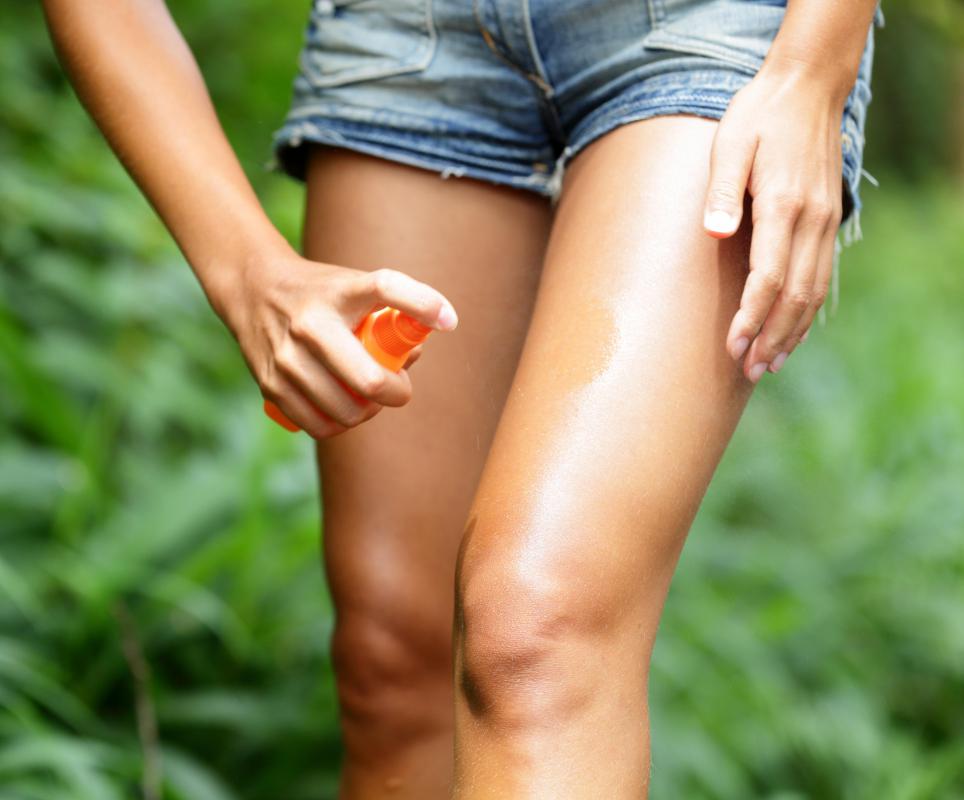
The oil appears perhaps most frequently in products designed to protect humans, pets, and open-air spaces from the public health risks posed by mosquitoes and ticks. A concerned person might spritz a bit of pure oil on their clothing, particularly on areas like shirt collars or pant legs where skin is first exposed, or he or she could use a oil-rich lotion or soap all over, typically before dressing. Innovative retailers have even created wristbands, personal wipes, and sunblock spray that contain the oil in varying concentrations. It’s is totally harmless to most people, although occasionally a mild irritation might develop from an allergic reaction.
Outside, people often use oil diffusers, room sprays, and candles that are rich with the oil. Candles are often particularly effective since mosquitoes, like most bugs, are also deterred by smoke. Consumers often have to pay attention when shopping, though, because merchants often call a candle or spray a deterrent even if it only contains very small concentrations of the essential oil. The more oil there is, the more effective the product is likely to be.
Insect Repellant Classification
Most of the insect repellants whose only active ingredient is the essential oil are not regulated by government agencies or oversight bodies because they are not technically pesticides. This can allow a great degree of variance when it comes to labeling and marketing, and can also impact things like quality control.
The smell of the oil is unpleasant to insects, but it doesn't harm or alter them in any way. A lotion with 10% concentration of the essential oil has been shown to deter insects for up to an hour. It isn’t usually as long lasting as most of the available chemical alternatives, though it is usually considered safer. It’s often combined with other natural insect repellants, such as catnip, cedar oil, mint, or rubbing alcohol to improve its effects.
Importance of Deterring Mosquitoes
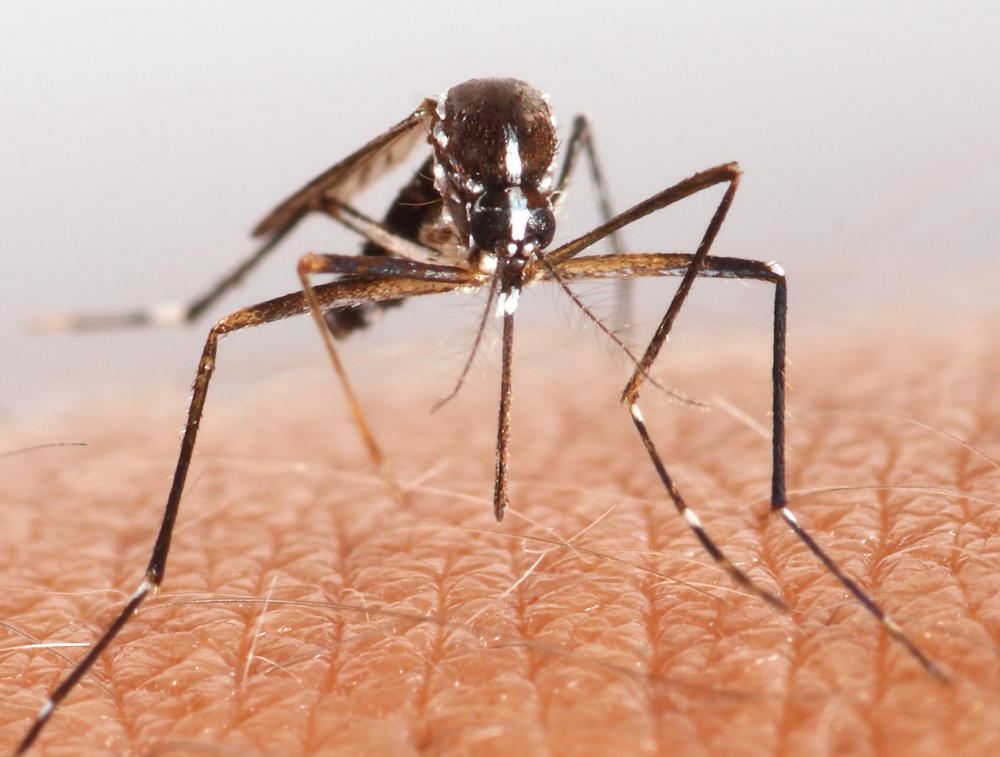
Mosquitoes and ticks harbor many highly dangerous diseases, such as encephalitis, West Nile virus, and Lyme disease. The contagion passes into human and some animal bloodstreams since mosquito saliva acts as a carrier at the bite sight. Mosquito populations are best controlled by preventative measures such as eliminating breeding locations, but seasonal spikes in population an exposure at times when the insects are most active, particularly at dawn and dusk, make humans especially susceptible to bites. Any repellant measures are usually better than none, and the oils work well for many people.
AS FEATURED ON:
AS FEATURED ON:


-
![A citronella candle.]() By: nick barounisA citronella candle.
By: nick barounisA citronella candle. -
![Mosquito about to bite.]()
Mosquito about to bite. -
![Some manufacturers market sunscreens that include citronella as an ingredient.]() By: NobiliorSome manufacturers market sunscreens that include citronella as an ingredient.
By: NobiliorSome manufacturers market sunscreens that include citronella as an ingredient. -
![Citronella is an ingredient in many insect repellants.]() By: MaridavCitronella is an ingredient in many insect repellants.
By: MaridavCitronella is an ingredient in many insect repellants.


Discussion Comments
Citronella is also a plant, a very nice plant actually, an ornamental grass that can be added to most any garden. It is cheaper and less potentially hazardous to dogs and smalls than the manufactured product. It's a constant deterrent while growing.
@JaneAir - I guess the only reason you might want to grow citronella is if you want to use it to cook with! I had no idea you could cook with citronella til I read this article, I thought it was just used for bug repellant. That being said, I don't really like the flavor of lemon so I doubt I'll be using citronella for anything except citronella mosquito repellent in the near future.
Anyway, I do like citronella, but I feel like I always have to use a lot of it to make it work. In the summer I use the spray on myself, and citronella candles. Those two things together seem to do the trick.
@Ted41 - That's great that citronella works so well for you. I keep a citronella candle on my porch to use in the summertime, and I don't even see a difference when I use it. I don't know if I just have a lot of mosquitoes in my area or what. But I'm thinking about resorting to using stuff with DEET in it next summer just to keep the bugs away!
Also, I personally find citronella to be a really effective bug repellent, and I actually kind of like the smell. I don't ever see myself purchasing anything with DEET in it again.
@69254: This anon says you can make dog soap with citronella. How do I mix the batch?
will citronella repel spiders?
can i use candles with citronella indoors?
DEET makes it hard for me to breathe, and it reacts to my nerve condition, whereas citronella does not.
can i use citronella oil for dog shampoo and dog soap?
is citronella available in the philippines. what type of climate is fit for growing citronella?
i am afraid of ingredients that sound like chemical warfare.
is citronella oil placed in a pond to kill mosquito larva toxic to birds or pets?
Can citronella repel against fleas as well?
You should note that DEET has been more extensively tested than any other repellent, is not toxic, is safe for children over two months, and is unquestionably the most effective mosquito repellent. A study in JFamily Practice (Oct. 2002)shows that high concentrations of DEET protect for an average of 5 hours. Citronella only lasted about 10 minutes.
can i also use citronella for curing acne?
Can I plant cinnamon basil and citronella together in the same pot? I live in Barbados in the Caribbean.
Post your comments