
At TheHealthBoard, we're committed to delivering accurate, trustworthy information. Our expert-authored content is rigorously fact-checked and sourced from credible authorities. Discover how we uphold the highest standards in providing you with reliable knowledge.
What is Chyme?
 Tricia Christensen
Tricia Christensen
Tricia Christensen
Chyme is the partially digested mass of food that is forced into the small intestine. It has a low Ph balance that is countered by the production of bile, helping to further digest food. Chyme combined with bile ultimately is secreted from the body in the form of bowel movements.
Part liquid and part mass, chyme does not resemble the actual food from which it derives. This is because the stomach has long since broken the food down into its components, like proteins and fats. These components are then made use of by the body, so essentially chyme represents the left over components of food, along with watery substances that allow the leftover material to pass from the body.
However, before the chyme is passed into the large intestine, the small intestine will actually strip it of some of its liquids and salts. It may also take minerals, and other microscopic elements to further add needed nutrients to the body.

When chyme enters the small intestine, it actually stimulates the production of bile to break down remaining food masses. Depending upon the make-up of the material, larger amounts of bile may be released into the stomach. Particularly when food is high in fat content, the chyme will not contain some of the fat ingested, which will remain in the stomach. Bile count will be higher, causing indigestion in some or acid reflux.

Those with acid reflux are encouraged to eat fewer fatty foods to reduce the acidic bile flooding the stomach and creating both reflux and stomach discomfort. Chyme that is low in nutrients poses a problem for those lacking adequate nutrition. The small intestine may come up short of needed nutrients, particularly salt, when the material is too watery.

While medical experts encourage drinking six to eight glasses of water a day, too much water can actually deprive the body of sodium, and cause moderate to severe illness. This is also the case when chyme is not appropriately broken down by the small intestine, as when someone has an intestinal flu. In these cases, it may be improperly formed and not reach the small intestine, or it may leave the small intestine too quickly, before the intestine has time to strip the material of its nutrients.
Tricia Christensen
Tricia has a Literature degree from Sonoma State University and has been a frequent TheHealthBoard contributor for many years. She is especially passionate about reading and writing, although her other interests include medicine, art, film, history, politics, ethics, and religion. Tricia lives in Northern California and is currently working on her first novel.
Learn more...
Tricia Christensen
Tricia has a Literature degree from Sonoma State University and has been a frequent TheHealthBoard contributor for many years. She is especially passionate about reading and writing, although her other interests include medicine, art, film, history, politics, ethics, and religion. Tricia lives in Northern California and is currently working on her first novel.
Learn more...AS FEATURED ON:
AS FEATURED ON:


-
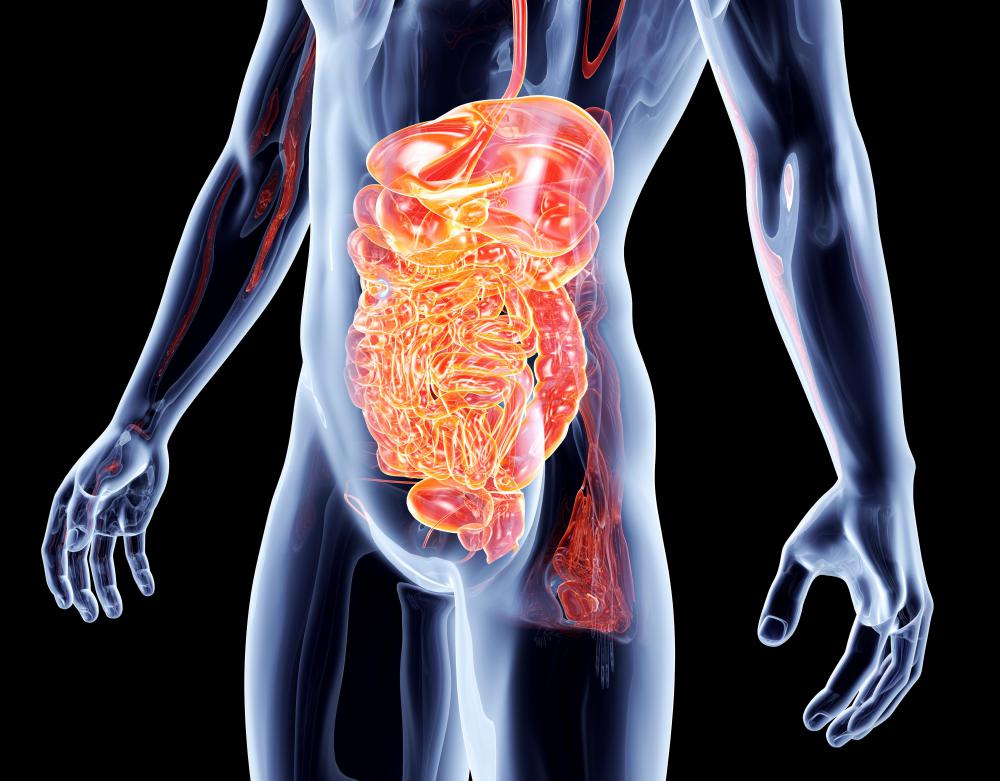
![Chyme is what is left after the stomach breaks down food for use in the body.]() By: Spectral-DesignChyme is what is left after the stomach breaks down food for use in the body.
By: Spectral-DesignChyme is what is left after the stomach breaks down food for use in the body. -
![When chyme enters the small intestine, it actually stimulates the production of bile to break down remaining food masses.]() By: joshyaWhen chyme enters the small intestine, it actually stimulates the production of bile to break down remaining food masses.
By: joshyaWhen chyme enters the small intestine, it actually stimulates the production of bile to break down remaining food masses. -
![When chyme enters the small intestine, it stimulates the production of bile to break down remaining food masses.]() By: graphicgeoffWhen chyme enters the small intestine, it stimulates the production of bile to break down remaining food masses.
By: graphicgeoffWhen chyme enters the small intestine, it stimulates the production of bile to break down remaining food masses. -
![People with acid reflux are encouraged to eat fewer fatty foods to help reduce stomach discomfort.]() By: inesbazdarPeople with acid reflux are encouraged to eat fewer fatty foods to help reduce stomach discomfort.
By: inesbazdarPeople with acid reflux are encouraged to eat fewer fatty foods to help reduce stomach discomfort. -
![In some cases, a digestive illness or difficulty swallowing makes it possible to drink too much water and deprive the small intestines of needed nutrients.]() By: JackFIn some cases, a digestive illness or difficulty swallowing makes it possible to drink too much water and deprive the small intestines of needed nutrients.
By: JackFIn some cases, a digestive illness or difficulty swallowing makes it possible to drink too much water and deprive the small intestines of needed nutrients.


Discussion Comments
Yeah, but beside the mixture of foods, acids, what is the last thing? Is it enzymes?
Post your comments