
At AllThingsNature, we're committed to delivering accurate, trustworthy information. Our expert-authored content is rigorously fact-checked and sourced from credible authorities. Discover how we uphold the highest standards in providing you with reliable knowledge.
What is Chlorophyll?
Chlorophyll is a complex organic molecule that enables plants, and some other organisms, to carry out photosynthesis — the conversion of carbon dioxide and water to glucose and oxygen using sunlight. The glucose is a source of energy that is used to power growth and development, and the oxygen created as a byproduct is essential to all animal life. As a result, this green pigment is one of the most important biological compounds. It also gives plants their distinctive green color.
Photosynthesis

It can be helpful to think of chlorophyll as fulfilling the same function in plants as the human digestive system. They both take raw materials and convert them into useable sources of energy in the form of glucose. In the case of the pigment, all the plant needs is water absorbed through its roots, air absorbed through its pores, and light from the Sun. Then the plant, whether it is a redwood tree, a clump of algae, or a rose, absorbs glucose into its cells to unfurl another leaf or bud another flower. Energy it does not immediately need it stores as starch for later use.
The process of photosynthesis can be summarized as the reaction

but is in reality much more complex, and involves a number of steps. The end products have more energy than the raw materials, which means that the reaction cannot take place without energy being supplied. Chlorophyll does this by capturing energy from sunlight. Since CO
is absorbed, and O
produced, it can be said that plants “breathe in” carbon dioxide and “breathe out” oxygen.
The Structure and Function of Chlorophyll

The pigment contains a porphyrin ring, which is a circular arrangement of carbon atoms. Within this are four nitrogen atoms bonded to a central magnesium ion. This allows electrons to float freely within the structure, which means that the compound can supply electrons to other molecules, and also accept them.
The pigment also strongly absorbs light in the red and blue parts of the spectrum, which is why it is green in color — the remaining light is reflected back, and is mostly in the green part of the spectrum. The absorbed light is used to energize electrons, which are ultimately employed create glucose from carbon dioxide and water. The electrons are replaced by using sunlight to split water into hydrogen ions and oxygen, which frees two electrons for each water molecule. This is a remarkable achievement, considering that splitting water in a laboratory requires very high temperatures or an electric current.

Chlorophyll is contained within plant cells in structures known as chloroplasts. These occur mainly in the leaves, in the cells between the upper and lower layers. Within the chloroplasts are grana, which consist of tiny bodies known as thylakoids stacked on top of one another. The pigment is contained within the membranes of the thylakoids.
Why Plants are Green

Due to its green color, chlorophyll absorbs only part of the available light, so it might be asked why plants do not use a pigment that can use all the available energy: such a pigment would be black, as it would absorb all the light that strikes it. The answer is not clear. It may be that no black colored molecule exists that would have exactly the chemical properties required to do the job. Alternatively, a black pigment might absorb too much energy, possibly causing plants to overheat, or producing undesirable chemical reactions. Another theory is that some early photosynthetic organisms used retinol, a purple pigment that absorbs green light, and that chlorophyll use evolved in later life forms to exploit the parts of the Sun’s spectrum that were not being used by the retinol-based organisms.

In temperate regions, many perennial plants go dormant during the winter, losing their leaves. Prior to this, in the autumn, chlorophyll production ceases, and the pigment is broken down, causing the leaves lose their green color. When this happens, other pigments, which were masked by the strong green hue of this compound, become visible. Carotenoids are one example — they give the yellow and orange colors commonly seen in autumn.
Uses

Chlorophyll is used in the food industry as a natural colorant, and in Europe is given the E-number E140. A number of common food products are colored green by this compound, and it also give the green color to the alcoholic drink, absinthe. The pigment is often sold in a variety of liquid forms as a health supplement. Although it is harmless, there appears to be no scientific basis for the various claimed benefits.
Frequently Asked Questions
What is chlorophyll and why is it important for plants?
Chlorophyll is a vital green pigment found in the chloroplasts of plant cells. It plays a crucial role in photosynthesis, the process by which plants convert light energy into chemical energy. Chlorophyll absorbs light, primarily in the blue and red wavelengths, and uses this energy to convert carbon dioxide and water into glucose, a source of energy for the plant.
How does chlorophyll contribute to the oxygen we breathe?
During photosynthesis, chlorophyll facilitates the splitting of water molecules into hydrogen and oxygen. The oxygen is then released into the atmosphere as a byproduct. This process is essential for maintaining the Earth's oxygen levels; in fact, photosynthetic organisms are responsible for producing the majority of the oxygen in our atmosphere.
Can chlorophyll be found in non-plant organisms?
Yes, chlorophyll is also present in certain non-plant organisms, such as cyanobacteria and some algae. These organisms also perform photosynthesis and contribute to the production of oxygen and organic compounds, playing a significant role in their ecosystems and the global carbon cycle.
What are the different types of chlorophyll, and how do they differ?
There are several types of chlorophyll, including chlorophyll a, b, c, and d. Chlorophyll a is the most common and essential for photosynthesis, as it initiates the conversion of light energy to chemical energy. Chlorophyll b assists in capturing light energy and transfers it to chlorophyll a. Chlorophyll c and d are found in different photosynthetic organisms and have unique absorption properties that complement chlorophyll a.
How does chlorophyll deficiency affect plant health?
Chlorophyll deficiency, or chlorosis, can severely impact plant health, leading to reduced growth and pale or yellow leaves due to the lack of green pigment. This condition limits the plant's ability to perform photosynthesis effectively, resulting in less energy for growth and reproduction. Causes of chlorosis include nutrient deficiencies, disease, or environmental stressors.
Is dietary chlorophyll beneficial for humans, and how can it be consumed?
While the direct benefits of dietary chlorophyll for humans are still being studied, some research suggests it may have health-promoting properties, such as antioxidant effects. Chlorophyll can be consumed through green vegetables like spinach and kale, or as a supplement in the form of chlorophyllin, a water-soluble derivative.
AS FEATURED ON:
AS FEATURED ON:









-
![Chlorophyll is contained within plant cells in the chloroplasts.]() By: snapgalleriaChlorophyll is contained within plant cells in the chloroplasts.
By: snapgalleriaChlorophyll is contained within plant cells in the chloroplasts. -
![Chlorophyll makes photosynthesis possible.]() By: designuaChlorophyll makes photosynthesis possible.
By: designuaChlorophyll makes photosynthesis possible. -
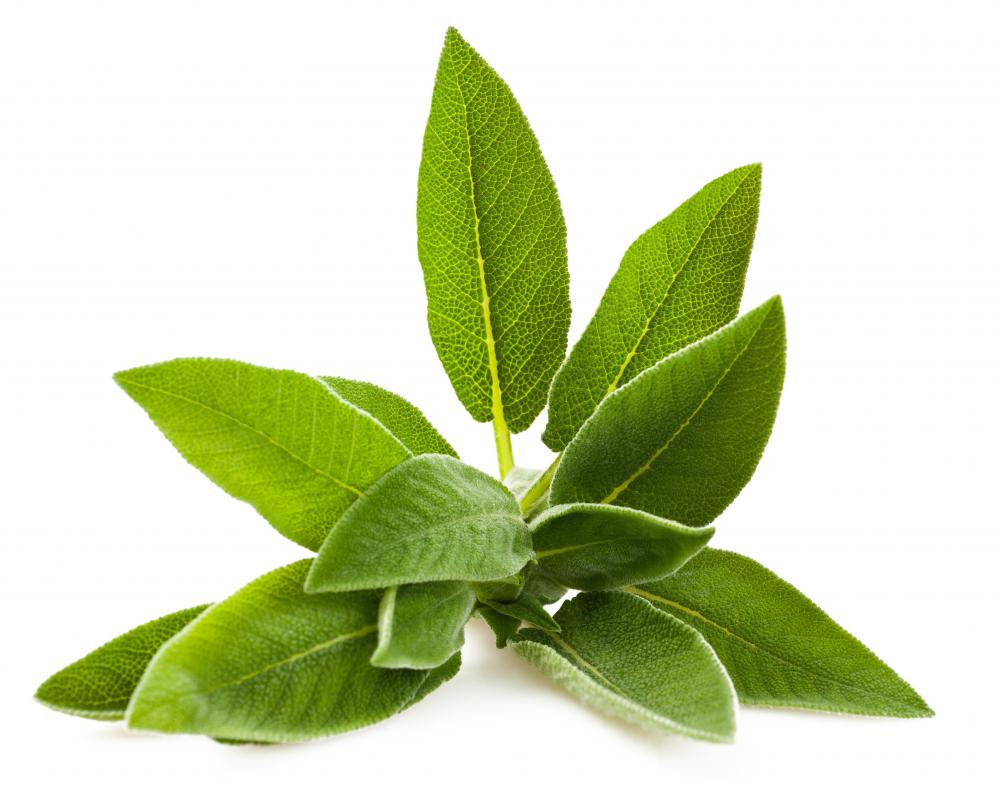
![A sprig of sage.]() By: scis65A sprig of sage.
By: scis65A sprig of sage. -
![Chlorophyll gives absinthe its green color.]() By: Dmytro SukharevskyyChlorophyll gives absinthe its green color.
By: Dmytro SukharevskyyChlorophyll gives absinthe its green color. -
![Algae containing chlorophyll.]()
Algae containing chlorophyll. -
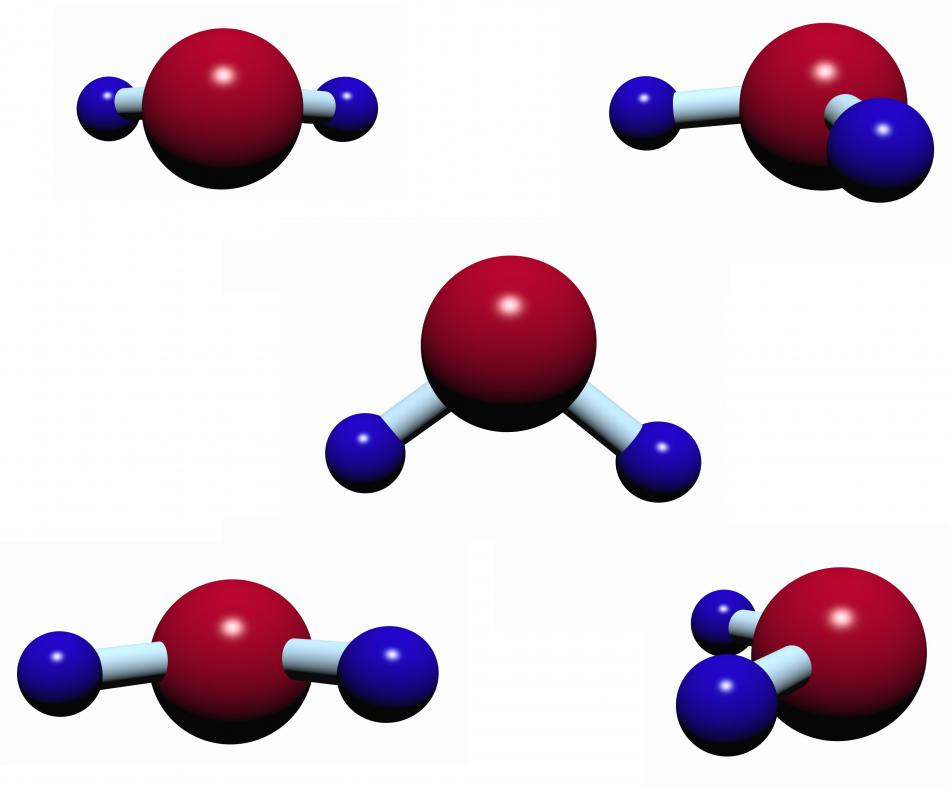
![Water molecules are used by chlorophyll during photosynthesis.]() By: Ioana Davies (Drutu)Water molecules are used by chlorophyll during photosynthesis.
By: Ioana Davies (Drutu)Water molecules are used by chlorophyll during photosynthesis. -
![Photosynthesis is the transformation of carbon dioxide and water into glucose and oxygen.]() By: designuaPhotosynthesis is the transformation of carbon dioxide and water into glucose and oxygen.
By: designuaPhotosynthesis is the transformation of carbon dioxide and water into glucose and oxygen.





Discussion Comments
To answer your question, anon162197, if you're not blind, you just might be able to see that this is an article on "Chlorophyll".
Just because of curiosity: why do we start expressing photosynthesis only when we talk about chlorophyll? Do you think chlorophyll is only responsible for photosynthesis or do we not know what it is responsible for else? Are those characters less valuable than photosynthesis or because we are given since high schools that chlorophyll equals to photosynthesis dogma, do we not know what else it can make?
I've always found it fascinating that there are numerous types of plants that don't utilize photosynthesis. Among these plants are numerous parasites and deep sea plants. Parasitic plants are able to subsist simply by mooching nutrients off their hosts. Many of these parasites contain no chlorophyll, and thus engage in no photosynthesis at all.
In addition, vegetation in the deep reaches of the ocean use other means to sustain themselves. In the deep areas, no sunlight is able to penetrate to the bottom, where the plants grow. Instead, the carcasses of fish and other creatures fall to the floor, where they decay into the soil and become a sources of nutrients to these deep sea plants. This means that these plants are carnivores, depending on your definition of the word. This also means that these plants can have a range of different coloration because they contain no chlorophyll, which makes the dominant green pigment in plants.
Chloro in the word chlorophyll comes from the Greek language and stands for yellow green.
Post your comments