
At DelightedCooking, we're committed to delivering accurate, trustworthy information. Our expert-authored content is rigorously fact-checked and sourced from credible authorities. Discover how we uphold the highest standards in providing you with reliable knowledge.
What is Celery?
 Mary McMahon
Mary McMahon
Mary McMahon
Celery is a crunchy biennial plant which has been cultivated for centuries in various forms. Although originally cultivated for its perceived medicinal qualities, it has since made the jump into the daily diets of consumers around the world. The plant is in the family Apiaceae, and is related to dill, carrots, fennel, and parsley. The domesticated and highly cultivated species is formally known as Apium graveolens. While growing, celery has a cluster of stalks topped by green leaves and white flowers during the blooming season.
All of the parts of the plant are usable and edible, including the root, also known as celeriac; crisp stalks; seeds; and feathery green leaves. A specific varietal, turnip rooted celery, is cultivated for its unusually large, knobbly, flavorful root. Celeriac can be included in mixtures of roasted root vegetables, and tends to have a more rich flavor than the stalks. The stalks are long, green, and retain their crunchy texture after brief cooking. They can be eaten raw or cooked, and are often included on crudite platters and in stir fries and soups. The seeds are often dried for use in various cuisines. Raw whole celery is also used in blended green drinks.

The low caloric content of celery makes it a popular choice for dieters, and it is also rich in vitamins K and C. The stalks taste best at the peak of the season, in the summer. When selecting celery in the store, buyers should look for white to green evenly colored specimens that are tightly clustered around the core. If it is being sold precut, consumers should make sure that it is not flexible or soft. If the stalks appear wilted at all, they are not at their best. The stalks should make a snapping sound when they are pulled apart. The vegetable can be kept refrigerated for approximately one week.

It is also possible to grow celery at home, although the plant is notoriously difficult. It needs to grow in a place with a long, cool growing season, with daytime temperatures of around 65°F (18°C) and cooler nighttime temperatures of 60°F (15°C). The plant is highly sensitive to frost, and most gardeners start seedlings indoors, moving them outdoors after the danger of frost is passed. Celery should be heavily composted and mulched to help it retain water, and it should also be watered frequently.
Mary McMahon
Ever since she began contributing to the site several years ago, Mary has embraced the exciting challenge of being a DelightedCooking researcher and writer. Mary has a liberal arts degree from Goddard College and spends her free time reading, cooking, and exploring the great outdoors.
Learn more...
Mary McMahon
Ever since she began contributing to the site several years ago, Mary has embraced the exciting challenge of being a DelightedCooking researcher and writer. Mary has a liberal arts degree from Goddard College and spends her free time reading, cooking, and exploring the great outdoors.
Learn more...AS FEATURED ON:
AS FEATURED ON:


-
![Celery root.]()
Celery root. -
![Celery is used to garnish a Bloody Mary.]() By: Danny HooksCelery is used to garnish a Bloody Mary.
By: Danny HooksCelery is used to garnish a Bloody Mary. -
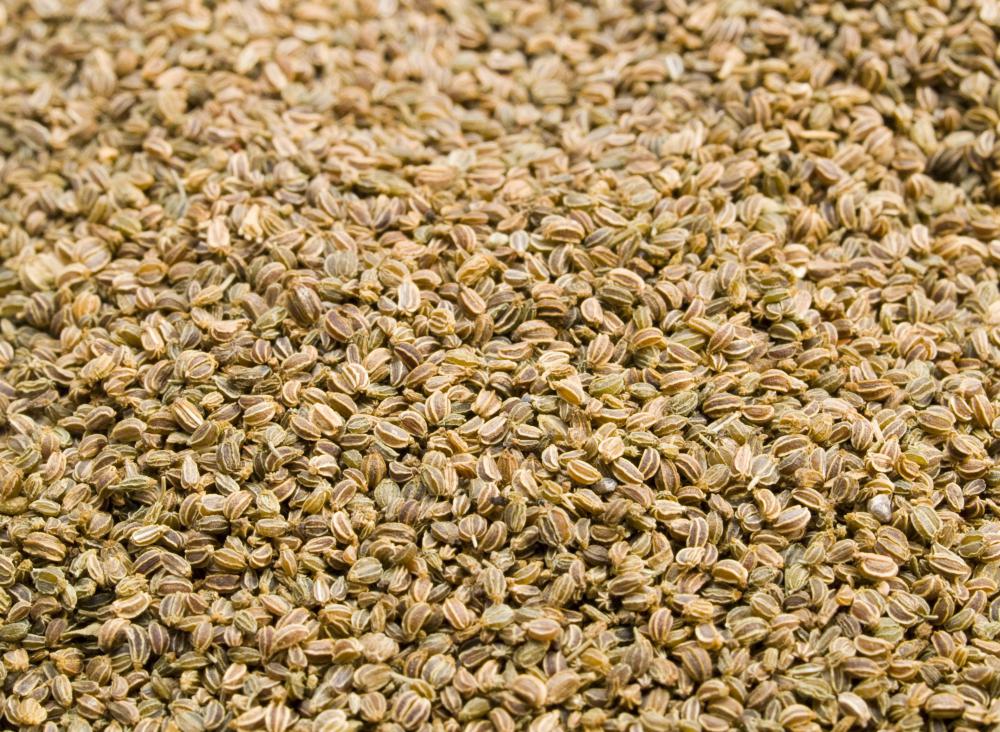
![Seeds from the celery plant are used in a number of cooking recipes.]() By: travis manleySeeds from the celery plant are used in a number of cooking recipes.
By: travis manleySeeds from the celery plant are used in a number of cooking recipes. -
![Celery stalks grow in bundles that are about 12 to 16 inches long.]() By: andersphotoCelery stalks grow in bundles that are about 12 to 16 inches long.
By: andersphotoCelery stalks grow in bundles that are about 12 to 16 inches long. -
![Celery has few calories and is rich in vitamin K, making it popular among dieters.]() By: cretolamnaCelery has few calories and is rich in vitamin K, making it popular among dieters.
By: cretolamnaCelery has few calories and is rich in vitamin K, making it popular among dieters.




Discussion Comments
In the garden tomatoes, cabbage and leeks are good companions to celery.
Celery is a good food for people with diabetes. It contains a substance with similar effect as insulin.
About celery plant parts...
I wondered how to refer to the parts of the celery plant as a food. We call the petioles "stalks" of celery (I think), and the whole plant includes roots and the bottom of the plant that we don't eat. So what do you call the part you buy from the produce department of the grocery store when you want to refer to the collection of vegetable matter that include the bottom, stalks, and leaves? I don't think it's a "head" like lettuce or cabbage.
The tender centers of celery stalks, or celery hearts, are also edible. Many people tend to throw them out but they are edible and actually have a lot of flavor. If you don't want to eat them raw, you can use them, including the leafy portions, chopped up in soups and stews.
Post your comments