
At DelightedCooking, we're committed to delivering accurate, trustworthy information. Our expert-authored content is rigorously fact-checked and sourced from credible authorities. Discover how we uphold the highest standards in providing you with reliable knowledge.
What is Cayenne Pepper?
Cayenne pepper, or red pepper, has a history spanning back over 9,000 years to the hot regions of South and Central America. It is called “cayenne” because these peppers were first found on a shrub in a town of that name in French Guiana on the coast of South America.
This pepper wasn’t introduced to other areas of the globe until Christopher Columbus and Ferdinand Magellan encountered them during their voyages. Columbus brought the red pepper back to Europe, where people were quick to adopt the spicy vegetable as an alternative to black pepper, a very expensive spice during that time, because it had to be imported from Asia. Ferdinand Magellan introduced cayenne pepper to Asian and African citizens, who immediately saw the vegetable’s value as both a foodstuff and as a natural medicine. Today, they are grown in many regions of the world, with Mexico, Spain, China, and Nigeria being the largest commercial producers.

A member of the Capsicum family of vegetables commonly known as chili peppers, cayenne pepper is popular with both amateur cooks and gourmet chefs because it can add zest to virtually any dish. It is a vegetable in the nightshade family, which also includes white potatoes, bell peppers, eggplant, and tomatoes. These peppers are an excellent organic source of vitamin A, beta-carotene, the B-complexes, and vitamin C. They are rich in potassium and calcium as well.

Used by medical practitioners for centuries, cayenne has enjoyed an increase in popularity in Western cultures because of its amazing health benefits. It is full of capsaicin, which is a pungent, resinous substance that gives the pepper its heat. When applied externally to skin, the capsaicin allows the body to release more neurotransmitters and temporarily inhibit the pain nerves. This makes peppers extremely valuable to those suffering from fibromyalgia muscle pain and rheumatoid arthritis pain. Others have reported that using cayenne topically has helped with the nerve pain from shingles. Capsaicin not only reduces pain, but its peppery heat can also clear mucus from a stuffy nose and or congested lungs.

Cayenne pepper is believed to also have health benefits if taken internally. Folklore from around the world reports that it can help soothe the digestive tract by reducing the pain of gas, cramping, and stomachaches. Researchers are currently testing its potential for helping people lose weight and lower cholesterol.
Many alternative medical practitioners believe that cayenne pepper is one of the most valuable and useful vegetables. People who want to take it internally may want to try supplements rather than eating raw peppers. The seeds of the red pepper can be toxic and should not be consumed.
AS FEATURED ON:
AS FEATURED ON:


-
![A portrait of Christopher Columbus, who introduced the cayenne pepper to Europe.]() By: Georgios KollidasA portrait of Christopher Columbus, who introduced the cayenne pepper to Europe.
By: Georgios KollidasA portrait of Christopher Columbus, who introduced the cayenne pepper to Europe. -
![Fresh cayenne peppers.]() By: atossFresh cayenne peppers.
By: atossFresh cayenne peppers. -
![Like eggplant and tomatoes, the cayenne pepper belongs to the nightshade family of plants.]() By: KonstiantynLike eggplant and tomatoes, the cayenne pepper belongs to the nightshade family of plants.
By: KonstiantynLike eggplant and tomatoes, the cayenne pepper belongs to the nightshade family of plants. -
![Nigeria is a large producer of cayenne pepper.]() By: juan35mmNigeria is a large producer of cayenne pepper.
By: juan35mmNigeria is a large producer of cayenne pepper. -
![Cayenne pepper is thought to help boost energy, improve circulation and heart health, clear congestion in the sinuses and treat stomach ulcers.]() By: tanjichicaCayenne pepper is thought to help boost energy, improve circulation and heart health, clear congestion in the sinuses and treat stomach ulcers.
By: tanjichicaCayenne pepper is thought to help boost energy, improve circulation and heart health, clear congestion in the sinuses and treat stomach ulcers. -
![The cayenne pepper has been cultivated in the hot regions of South America for at least 9,000 years.]() By: Iryna VolinaThe cayenne pepper has been cultivated in the hot regions of South America for at least 9,000 years.
By: Iryna VolinaThe cayenne pepper has been cultivated in the hot regions of South America for at least 9,000 years. -
![Capsaicin may be helpful for individuals suffering from rheumatoid arthritis pain.]() By: FentonCapsaicin may be helpful for individuals suffering from rheumatoid arthritis pain.
By: FentonCapsaicin may be helpful for individuals suffering from rheumatoid arthritis pain. -
![Cayenne pepper applied to the skin has been used to treat shingles.]() By: Angel SimonCayenne pepper applied to the skin has been used to treat shingles.
By: Angel SimonCayenne pepper applied to the skin has been used to treat shingles. -
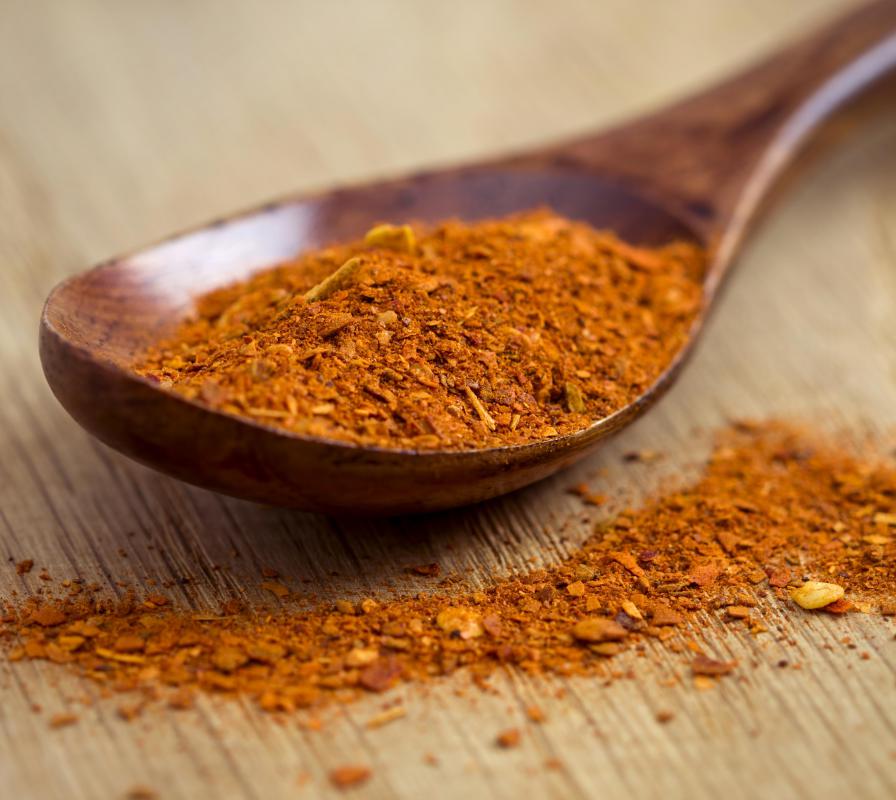
![Some chili recipes list cayenne pepper as an ingredient.]() By: Fotocat4Some chili recipes list cayenne pepper as an ingredient.
By: Fotocat4Some chili recipes list cayenne pepper as an ingredient.








Discussion Comments
Has anyone ever completed the Master Cleanse (lemon juice, maple syrup, and cayenne pepper cleanse)? I read the book, and I am thinking about giving it a try. My only concern is that I will not be able to complete the entire cleanse. How hard is it to get through? I have heard that you get really bad headaches in the beginning, is this true? I would appreciate any feedback.
I add cayenne pepper to my diet as a natural energizer. It is the perfect seasoning to sprinkle on eggs, meats, and mix into sauces. it adds heat, but the flavor is plain so it masks well with other flavors.
The health benefits of cayenne pepper are more than simple folklore. There have been numerous studies done on the health benefits of capsicum, and they reveal a number of benefits for hot peppers. Cayenne pepper's benefits include aiding in the treatment of hypertension by acting as a vasodilator. The oil in hot peppers also helps curb appetite, and is even being studied for its effects on people with diabetes. Beyond those major benefits, taking cayenne internally is a good preventative measure for colds, and aids in soothing upset stomachs.
Post your comments