
At DelightedCooking, we're committed to delivering accurate, trustworthy information. Our expert-authored content is rigorously fact-checked and sourced from credible authorities. Discover how we uphold the highest standards in providing you with reliable knowledge.
What is Caster Sugar?
 Mary McMahon
Mary McMahon
Mary McMahon
Caster sugar, sometimes also sold as “castor” or “superfine” sugar, is a type of sugar granule that has been ground very small so as to dissolve easily in beverages and baking. It is generally considered somewhat gourmet, and is often touted as the “secret” to certain sweet cocktails or particularly fluffy meringues. In most cases, caster sugar is no different from standard white table sugar aside from its size — the taste and chemical composition is the same. Smaller particles incorporate better into certain recipes but, in most cases, do not have any recognizable taste difference.
Uses

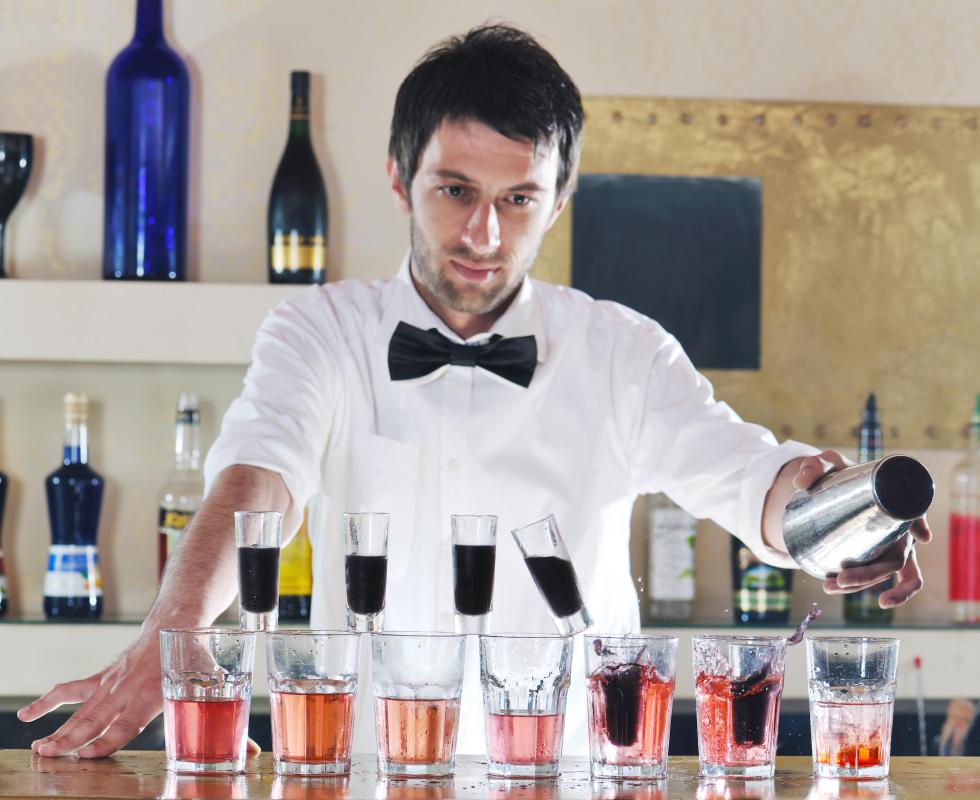
Superfine sugar’s fine grind makes it ideal for many cooking projects, since it dissolves easily and creams readily. The smaller size means that it mixes more quickly into batters and can improve the texture and consistency of many cream or egg-based dishes. When bartenders add sugar to mixed drinks, they often turn to caster sugar since it is less likely to create a layer of undissolved crystals or thick syrup at the bottom of the glass.
Texture and Appearance

One of the reasons that caster sugar is also called “superfine” sugar is because of its extremely small granulation. In most cases, it is ground or processed down to very tiny crystals that almost feel like powder to the touch. Caster sugar is not as fine as confectioner’s or true powdered sugar, but is usually a lot smoother than traditional table varieties.

Cooks in most places can find both refined and unrefined versions of superfine sugar. The difference is usually most noticeable when it comes to color, as refined tends to look white or off-white, while unrefined takes on a more honey or light amber color. The taste is also somewhat different.
How It's Processed and Made
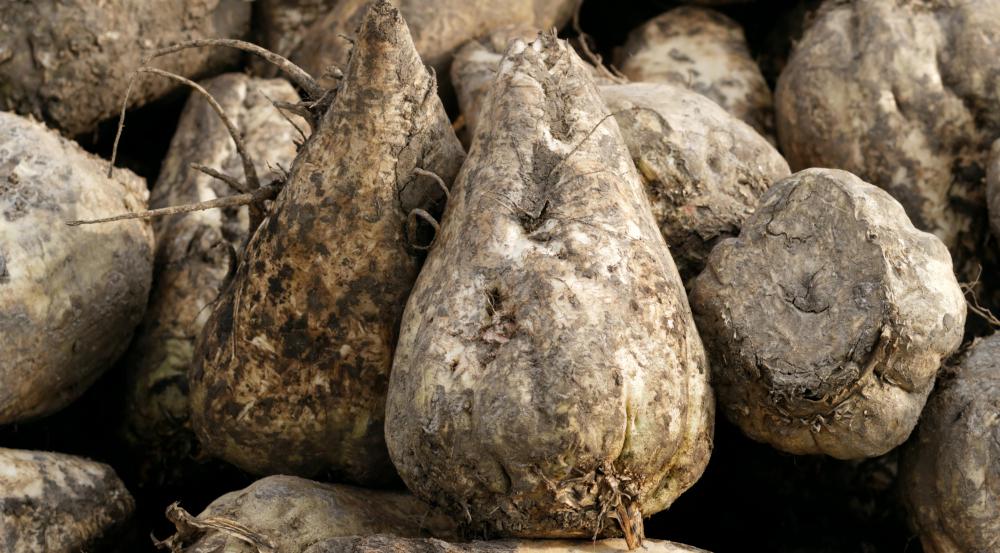
Refined caster sugar is made with sugar cane or beets that have been treated to remove the naturally-occurring molasses. Unrefined or golden caster sugar, on the other hand, is made with the molasses left in. This typically requires less processing, which many believe makes it more “natural.”

Most processing plants run the sugar through specialized mills in order to break the crystals down to “superfine” quality. Traditionally, the sugar had to be able to fit through the tiny mesh opening of a “caster sifter” in order to earn the name. These sorts of sifters were common in 17th and 18th century England, but are rarely used today.
Substitutions and Relationship to Other Sugar Products

While cooks will often get better results from caster sugar than standard table sugar in many recipes, the two are not so different as to bar substitution. People who have no superfine sugar on hand can typically use table sugar in its place. They may also elect to simply make their own caster-like varieties by processing a bit of ordinary sugar in a blender, food processor, or spice grinder.
The only substitution that is usually not recommended is powdered sugar. Although powdered sugar granules are usually smaller than caster granules, they are often supplemented with cornstarch to improve their consistency. Unless a recipe calls for cornstarch, adding it in, even in trace amounts, can profoundly affect the way the final product tastes or turns out.
Mary McMahon
Ever since she began contributing to the site several years ago, Mary has embraced the exciting challenge of being a DelightedCooking researcher and writer. Mary has a liberal arts degree from Goddard College and spends her free time reading, cooking, and exploring the great outdoors.
Learn more...
Mary McMahon
Ever since she began contributing to the site several years ago, Mary has embraced the exciting challenge of being a DelightedCooking researcher and writer. Mary has a liberal arts degree from Goddard College and spends her free time reading, cooking, and exploring the great outdoors.
Learn more...AS FEATURED ON:
AS FEATURED ON:


-
![Caster sugar can be made from sugar cane.]()
Caster sugar can be made from sugar cane. -
![Bartenders may use caster sugar in mixed drinks.]() By: .shockBartenders may use caster sugar in mixed drinks.
By: .shockBartenders may use caster sugar in mixed drinks. -
![Caster sugar is often used to make high-quality meringues.]() By: nanjanCaster sugar is often used to make high-quality meringues.
By: nanjanCaster sugar is often used to make high-quality meringues. -
![Granulated sugar can be substituted for superfine caster sugar when baking cookies.]() By: al62Granulated sugar can be substituted for superfine caster sugar when baking cookies.
By: al62Granulated sugar can be substituted for superfine caster sugar when baking cookies. -
![Fresh sugar beets are whitish roots that look slightly similar to turnips.]() By: alukardsFresh sugar beets are whitish roots that look slightly similar to turnips.
By: alukardsFresh sugar beets are whitish roots that look slightly similar to turnips.



Discussion Comments
Can caster sugar be used in making beer instead of table sugar? It should dissolve quicker.
How is castor sugar made?
Caster sugar is great to use in baking - never use powdered, or "confectioner's" sugar for baking; very bad idea - because it is so fine and dissolves quickly and easily. In face, it's good for beverages too because it dissolves so easily!
Post your comments