
At HomeQuestionsAnswered, we're committed to delivering accurate, trustworthy information. Our expert-authored content is rigorously fact-checked and sourced from credible authorities. Discover how we uphold the highest standards in providing you with reliable knowledge.
What is Cardstock?
 Mary Elizabeth
Mary Elizabeth
Mary Elizabeth
Cardstock, sometimes called "cover stock," refers to a range of fairly thick and heavy paper weights used in scrapbooking, mounting surfaces for framing, and making business cards. The main features that distinguish a sheet of cardstock are weight, fiber, color, finish, and size. Of these, weight sets cardstock apart from other types of paper and manufacturers often use it for labeling different products.
Paper Weight

Manufacturers describe paper in several ways: using point sizes that measure the thickness of a single sheet in thousandths of an inch; and by "basis weight," a measurement in pounds of the weight of 500 sheets of the standard size of the paper. The size of different types of paper is not always consistent, however, making comparisons by "basis weights" complicated. Many manufacturers consider the International Organization for Standardization (ISO) paper industry standard the most consistent way to compare paper weights. The ISO measures weight in grams per square meter (gsm). Using this measurement system makes it much easier for customers and manufacturers to recognize cardstock and compare various types of paper.
| 10–35 gsm | tissue paper |
| 35–70 gsm | lighter textweight |
| 70–100 gsm | medium textweight |
| 100–120 gsm | heavy textweight/light cardstock |
| 120-150 gsm | regular cardstock |
| 150-200 gsm | heavy cardstock |
| >200 gsm | super heavy cardstock |
Different Types of Fiber

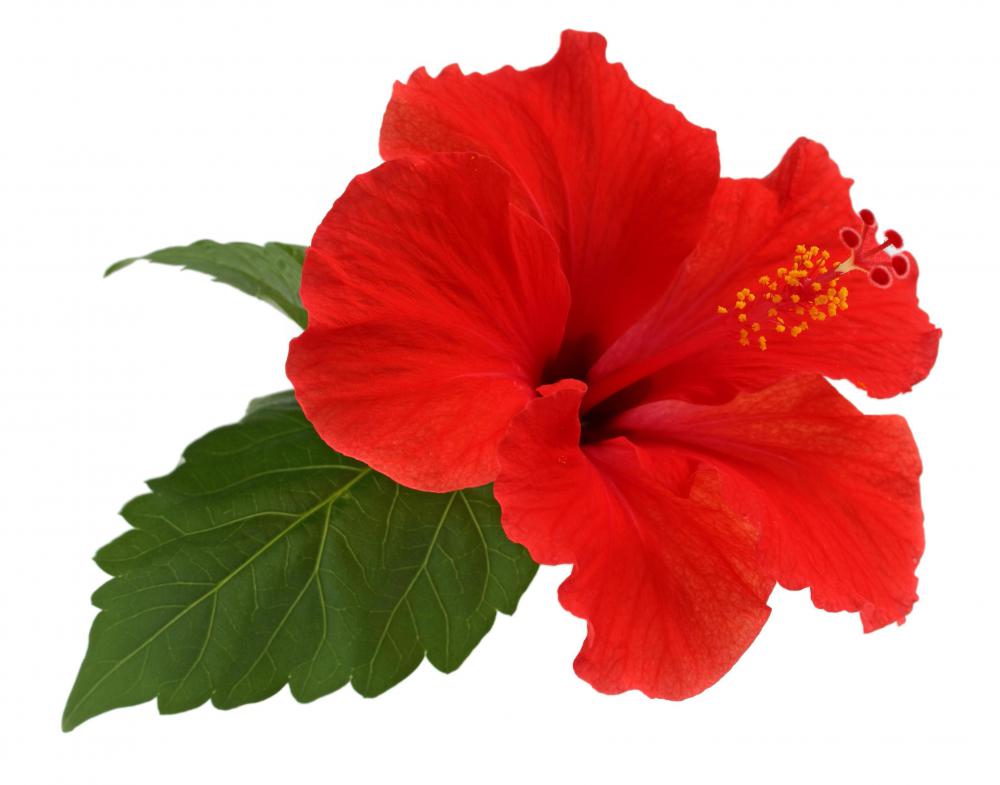
Cardstock is characteristically made from paper pulp or pure cellulose, but some brands are sold specifically as "pulp free." Common varieties include 100% hemp and 100% kenaf, made of fiber from the Hibiscus plant, as well as 100% residual vegetable fiber, all of which are made without any material from trees. In addition to whatever basic fiber they use, some types may have rice husks, flower petals, and sparkles as well as other additives such as seeds, bark, and leaves for texture and decoration.
Available Colors

Manufacturers offer a wide range of colors and even color families, including dark, medium, and light hues, for many different paper types. There are bright, parchment, and pastel shades of cardstock, with metallic colors also available. In addition, some companies make paper with intricate patterns, similar to fine wrapping paper or wallpaper, which is sometimes called “embellishment paper.”
Types of Finish and Surface Texture

Paper manufacturers use the word "finish" to describe two different features of paper in general. First, it describes sheen, with a range including matte, semi-matte or luster, semi-gloss, and glossy. Though a matte finish is quite common, there are also a few glossy options available. This is a description of how shiny the paper is and often indicates how well the paper absorbs certain types of ink and printing.

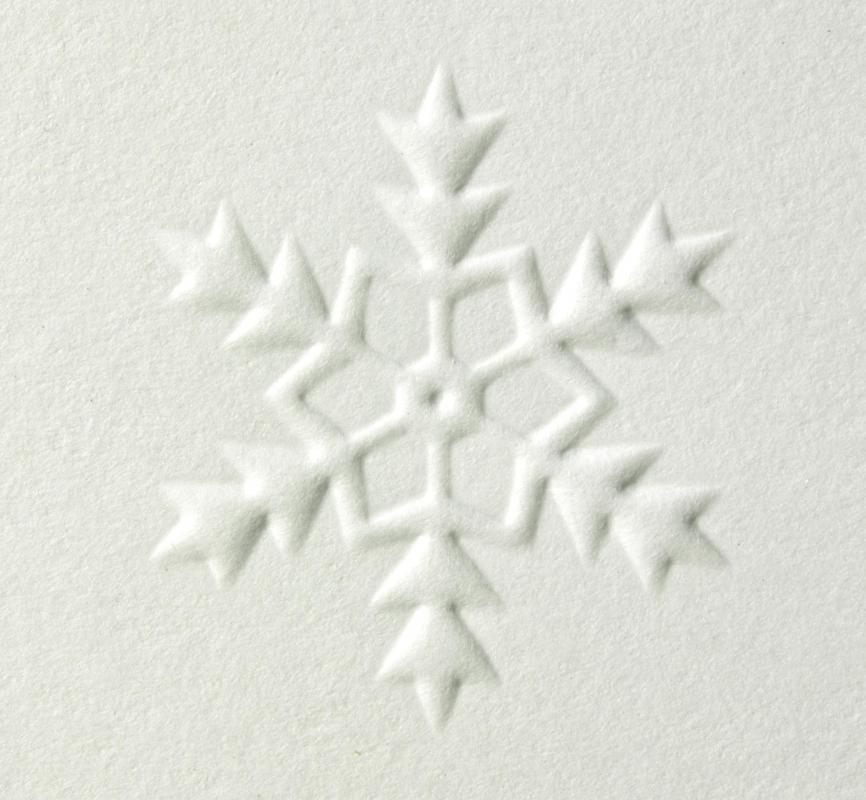
"Finish" can also refer to surface texture that covers a wide range of choices such as "laid," which is machine-made paper with a pattern of parallel lines. "Vellum" refers to paper finished to appear like the writing material "vellum," which may be either prepared animal skin or parchment and has a slightly rough finish. "Linen" textures appear like linen, a woven cloth often used as canvas. Manufacturers make "felt" paper with patterned wool or felt for a softer feel. "Embossed" paper has a raised feature created by pressing or hammering a design onto its back.
Common Sizes
A variety of sizes are available, often based on expected uses and customer needs for paper. Some popular sizes of cardstock include 3.5 x 5 inches (8.89 x 12.7 cm) and 4 x 8 inches (10.16 x 20.32 cm). "Letter" size paper measures at 8.5 x 11 inches (21.59 x 27.94 cm) and people commonly use this for basic printing and as a solid sheet for numerous smaller printings, such as business cards.
Mary Elizabeth
Mary Elizabeth is passionate about reading, writing, and research, and has a penchant for correcting misinformation on the Internet. In addition to contributing articles to HomeQuestionsAnswered about art, literature, and music, Mary Elizabeth is a teacher, composer, and author. She has a B.A. from the University of Chicago’s writing program and an M.A. from the University of Vermont, and she has written books, study guides, and teacher materials on language and literature, as well as music composition content for Sibelius Software.
Learn more...
Mary Elizabeth
Mary Elizabeth is passionate about reading, writing, and research, and has a penchant for correcting misinformation on the Internet. In addition to contributing articles to HomeQuestionsAnswered about art, literature, and music, Mary Elizabeth is a teacher, composer, and author. She has a B.A. from the University of Chicago’s writing program and an M.A. from the University of Vermont, and she has written books, study guides, and teacher materials on language and literature, as well as music composition content for Sibelius Software.
Learn more...AS FEATURED ON:
AS FEATURED ON:


-
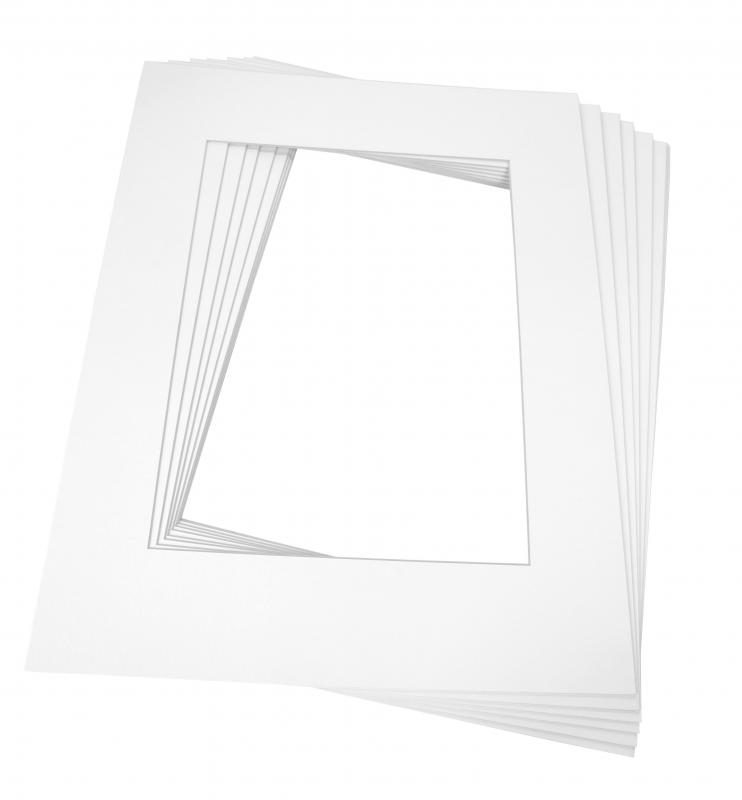
![Mat boards for picture frames are made with a heavy cardstock.]() By: monamakela.comMat boards for picture frames are made with a heavy cardstock.
By: monamakela.comMat boards for picture frames are made with a heavy cardstock. -
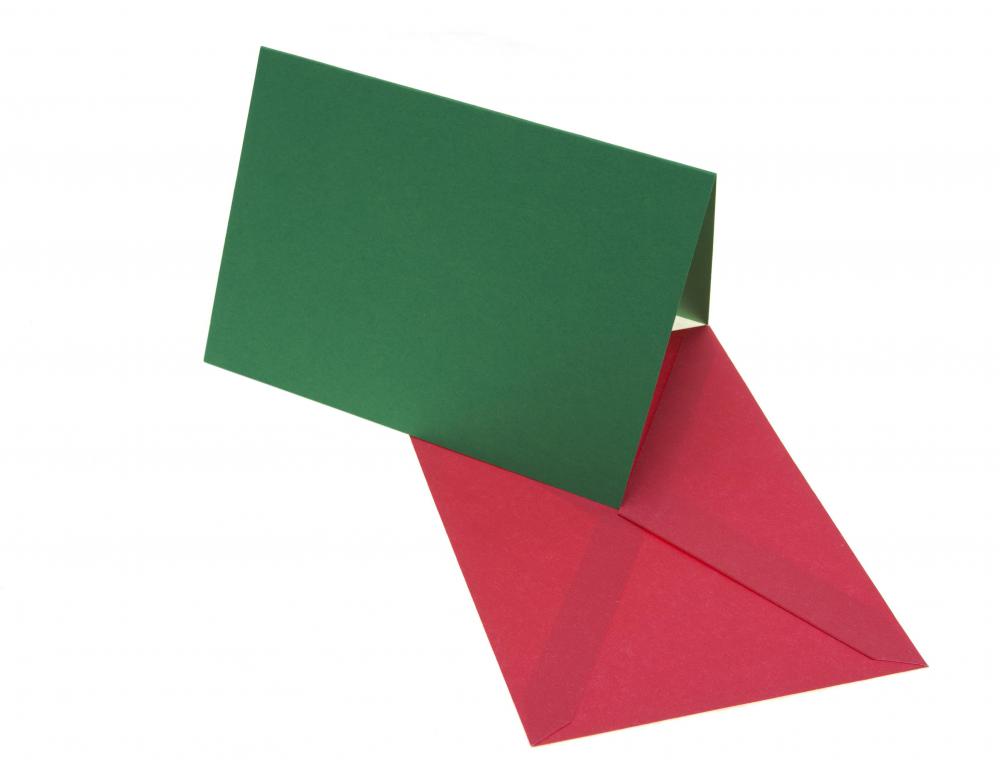
![Cardstock is available in many colors.]() By: Karen RoachCardstock is available in many colors.
By: Karen RoachCardstock is available in many colors. -
![100% kenaf is made from the fiber of the hibiscus plant.]() By: uckyo100% kenaf is made from the fiber of the hibiscus plant.
By: uckyo100% kenaf is made from the fiber of the hibiscus plant. -
![Cardstock is often used in different scrapbooking projects.]() By: Monkey BusinessCardstock is often used in different scrapbooking projects.
By: Monkey BusinessCardstock is often used in different scrapbooking projects. -
![Embossed paper has a raised pattern on it.]() By: PefkosEmbossed paper has a raised pattern on it.
By: PefkosEmbossed paper has a raised pattern on it.

Discussion Comments
I love buying blank card stock and making my own greeting cards. Sometimes I have trouble finding a birthday card that really expresses what I want to say to a friend, so I love making my own.
I can use personal photos, or I can draw a cartoon and scan it into the computer. I can choose my own fonts and place the text however I want.
The real challenge is remembering how to do the layout so that when I print and fold the card, the front, inside, and back will all be in the right place. I usually do a test run on regular paper in black and white ink before I put the good cardstock in and try for the final copy.
The great thing about blank white cardstock is that when you fold it precisely in the center, it looks and feels just like a store-bought greeting card. I even design a little logo for myself to go on the back to make it look more professional.
I used some perforated sheets of business cardstock when printing up some cards for my art business. Each sheet had a certain number of pre-sized cards with perforated lines for easy separation.
I had a program on my computer that allowed me to use a certain format when making my cards. So, when I printed them, they all came out in the right spot. I didn't have to worry about them printing outside the lines or anything.
It was a really easy and cheap way to make my own business cards. The paper was thick enough to be sturdy but not so thick that my printer would refuse to let it pass through. I've had this issue with some really thick cardstock in the past, but this was just the right thickness for my printer.
@OeKc05 – I wouldn't put any paper with a strange finish inside my printer. I do like to use interesting types of cardstock when decorating things by hand, though.
I bought some metallic cardstock paper for sprucing up some party invitations. I laid a sheet of metallic pink paper behind the pink card that was printed on regular cardstock, and this really made it look special.
I've also used special cardstock as a background behind photos that were too small for a frame. I cut the cardstock to the size of the frame so that it looked more like a mat.
It seems weird to me that anyone would put cardstock with vellum or metallic finish inside a printer. Are papers like this really used for printing text upon, or are they used more as background paper?
@anon75505: That’s going to be one heavy magazine! Magazines usually use relatively light weight paper because it is cheaper than heavier weight paper. This light weight paper also allows for many pages to be bound together without being too thick or too heavy. While you might try to use card stock for the magazine covers, using it for every page will probably make the end product quite cumbersome.
i just bought cardstock and i want to use it for my project. we're supposed to make a magazine, and there was no other paper to use. So i just bought cardstock, if that's OK.
Post your comments