
At DelightedCooking, we're committed to delivering accurate, trustworthy information. Our expert-authored content is rigorously fact-checked and sourced from credible authorities. Discover how we uphold the highest standards in providing you with reliable knowledge.
What is Cardamom?
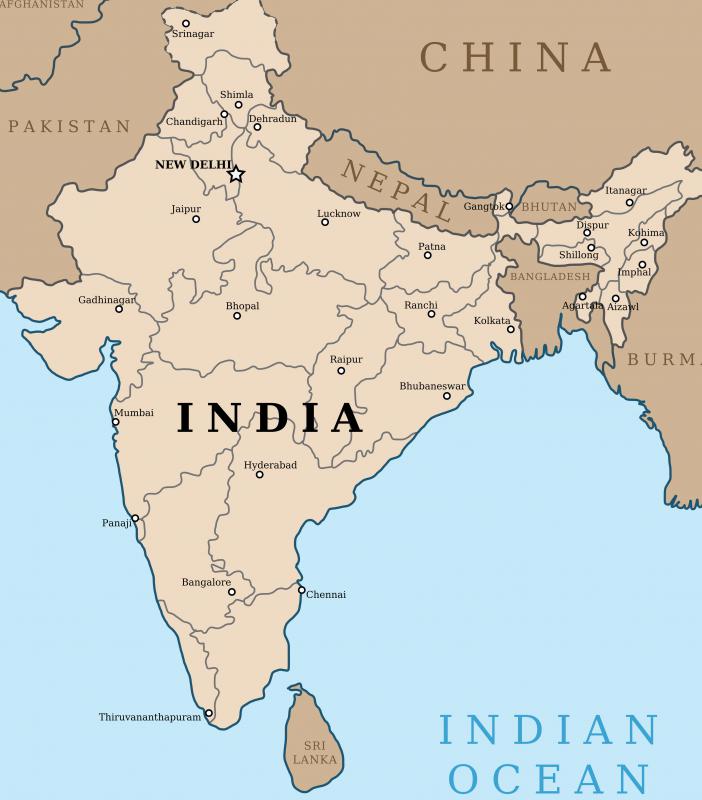
Cardamom is a plant species and a spice made from the seeds of the plant, which are native to India and Southeast Asia. These plants belong to the Zingiberaceae family, and true cardamom is classified as Elettaria cardamomum. It is used to make a pungent and aromatic spice that has been used in Europe since about 1214 AD, and in India much longer. Today, it is cultivated in Sri Lanka, Nepal, India, Central America, Thailand, Guatemala and Mexico. The spice is used to make traditional medicine and to spice up foods.
Ellettaria cardamomum plants grow about 10 feet (3 meters) in height, and have large leaves and white flowers with blue stripes and yellow borders. The fruit is a small capsule with eight to 16 brown seeds, which are used as the spice, while the plant itself is a perennial herb. It has a fleshy and thick rootstock with flowering stems that grow 6 to 12 feet (1.83 to 3.6 meters) high.

As a spice, cardamom is typically sold in seed pods, with the seeds removed from the pods, or with the seeds ground to a powder, which is the most common form. Pods have the texture of tough paper and are available whole or split. It is best for cooks to buy the whole pod, otherwise it may quickly lose its flavor. It remains a favorite herb in India, where it grows wild in the forests and comes in two main varieties: mysore and malabar. Mysore contains more limeonene and cineol, making it very aromatic.

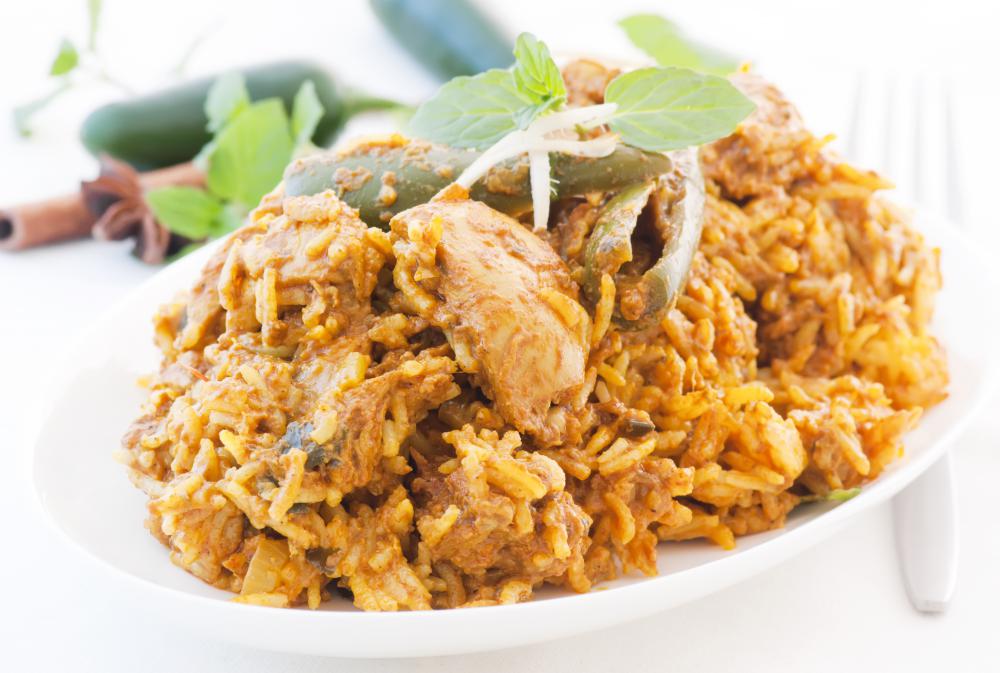
This aromatic flavor makes this spice popular for baking, particularly for sweet breads, and its strength of flavor means that it can even be used to flavor coffees and teas. In South Asia, it is sometimes used to flavor entrees, including some types of biryani, as well as pilau rice. Besides making food, it is also used in a wide variety of traditional medicines throughout Asia, and it is said to be good for digestion, cleaning the teeth, and even neutralizing some types of venom.

Though mostly used in foods and medicines today, this ancient herb had many historical uses. Ancient Egyptians are known to have chewed it as a tooth cleaner, and the Greeks and Romans used it as a scent in perfume. The Vikings discovered it in Constantinople about a thousand years ago, and introduced the spice to Scandinavia, where it remains popular to this day.

Cardamom is one of the most expensive spices in the world — in fact, only saffron and vanilla are regularly sold at a higher price. As such, it is frequently adulterated. Many inferior substitutes for it exist, such as Nepal, Siam, and winged Java cardamom.
AS FEATURED ON:
AS FEATURED ON:


-
![Cardamom seed pods with one opened.]() By: margo555Cardamom seed pods with one opened.
By: margo555Cardamom seed pods with one opened. -
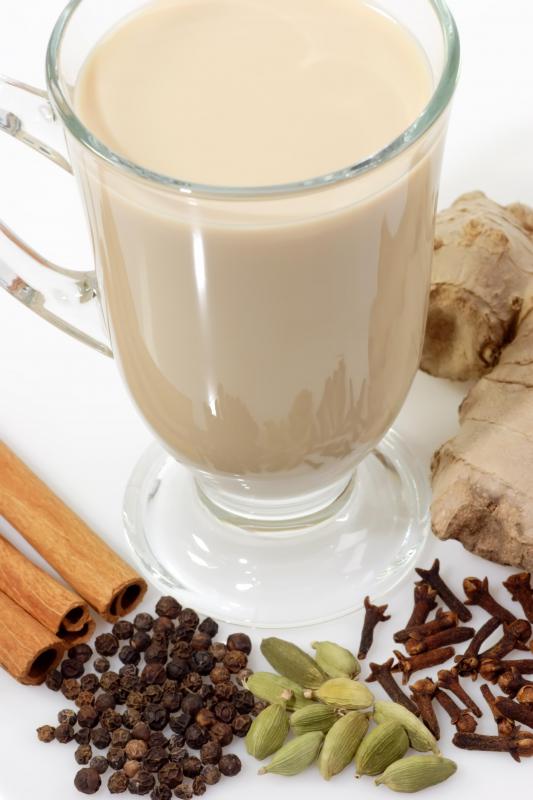
![Chai tea, which is often made with cardamom.]()
Chai tea, which is often made with cardamom. -
![Cardamom is cultivated in India, Nepal and Sri Lanka, among other countries.]() By: TupungatoCardamom is cultivated in India, Nepal and Sri Lanka, among other countries.
By: TupungatoCardamom is cultivated in India, Nepal and Sri Lanka, among other countries. -
![Cardamom is a common spice used in making biryani.]() By: HLPhotoCardamom is a common spice used in making biryani.
By: HLPhotoCardamom is a common spice used in making biryani. -
![Cardamom can be used to clean teeth.]() By: BVDCCardamom can be used to clean teeth.
By: BVDCCardamom can be used to clean teeth. -
![Cardomom is sometimes used to flavor coffee in India and other parts of South Asia.]() By: volffCardomom is sometimes used to flavor coffee in India and other parts of South Asia.
By: volffCardomom is sometimes used to flavor coffee in India and other parts of South Asia.



Discussion Comments
How much ground cardamom is equal to a tablespoon of cardamom pods for a recipe?
Is there a difference between green and brown cardamom?
I saw these two varieties at two different spice stores. Does it matter which one I get?
Cardamom is used a lot in Arab and Middle Eastern cuisines too. My parents are Arab and my dad is really fond of his Turkish coffee which is flavored with cardamom.
My mom uses cardamom seeds a lot while cooking too, mainly when cooking meat dishes.
@healthy4life-- Oh, that's not the real thing! If you want authentic chai, you should make it with loose orange pekoe black tea and add the spices yourself.
I make Indian chai every day and this is how I do it. I buy my black tea from the Indian grocery, as well as my cardamom pods, stick cinnamon, powder ginger and cloves. I break open the cardamom pods before I add them to the tea and boil everything together.
It is so good! The cardamom flavor comes out even more strong then, and you can add as much milk as you want.
Ground cardamom is good in spice cake and sweet breads. I've had these at Thanksgiving dinners before, and I love the flavor of the cardamom. It really comes through and stays strong.
The cardamom spice is one thing that makes chai tea so spicy! I have developed a fondness for this tea, which also contains cinnamon.
I use spicy chai tea bags to make a cup every night. Even though its spicy, it mellows me out. I add milk to it to make it more of a soothing drink than an intense eye opener.
I also sweeten it with a bit of honey. Without the honey, it is kind of bitter.
Grains of Paradise are from the African ginger Aframomum melegueta.
Recipe for ginger cookies called for cardomom. Having none on hand I substituted with fresh ground nutmeg. they turned out great and will use again as a substitute.
Q:what can cardamom be substituted with if anything?
A: ground cinnamon, nutmeg, ginger, coriander seeds or mace.
what can cardamom be substituted with if anything??
Cardamom is also referred to as Grains of Paradise.
Post your comments