
At DelightedCooking, we're committed to delivering accurate, trustworthy information. Our expert-authored content is rigorously fact-checked and sourced from credible authorities. Discover how we uphold the highest standards in providing you with reliable knowledge.
What is Capsicum?
Capsicum is the name of a genus of tropical pepper plants that can grow in a wide variety of shapes and sizes. The word "capsicum" also refers to the fruit produced by any of these plants, in particular the dried fruits or peppers that are typically used in cooking or as medical supplements and remedies. The presence of capsaicin in these plants makes them quite hot to the taste, though different varieties have varying levels of heat.
Culinary Uses

Fruit of capsicum plants can be used raw or cooked, depending on the preferences of a cook and the dish in which they are used. It is normally used as a flavoring, rather than as the primary ingredient, and diced bell peppers are part of the "trinity" of Cajun cuisine when combined with onions and celery. The fruit can also be dried and ground into a powder for use as a flavoring. Depending on the type of capsicum used, this can provide quite a bit of heat to a dish.

In the tropics, capsicum fruit or peppers also serve as food preservatives when part of a dish. Care should be exercised when chopping or preparing these peppers and many chefs wear gloves when handling them to avoid exposure to skin or eyes. The oils from diced peppers can remain on a person's skin even after numerous washings, which can make inadvertent eye-contact a real danger.
Common Varieties

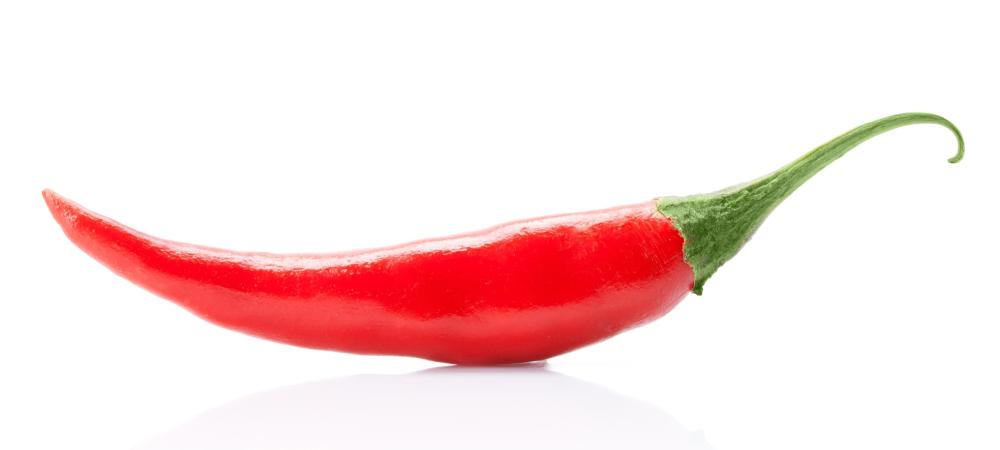
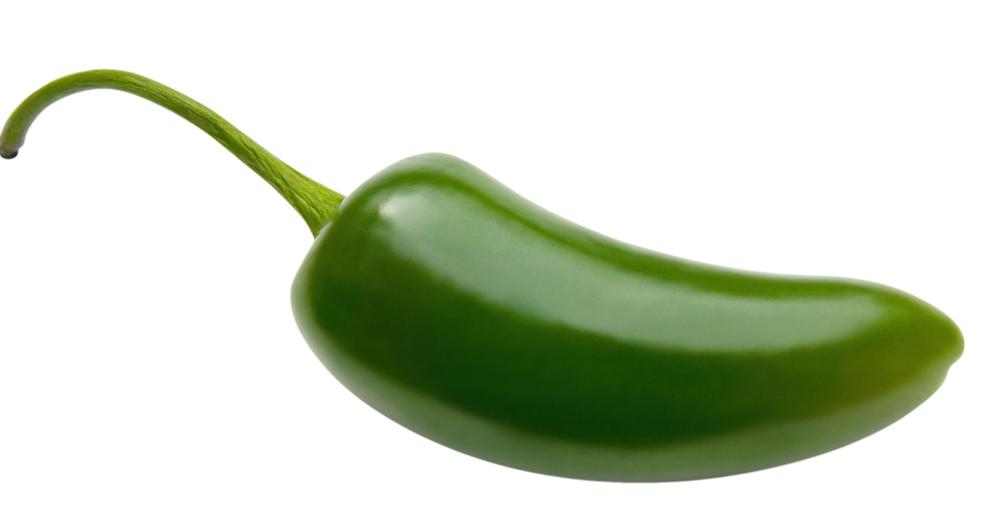
While there are many different capsicum plants, common types include cayenne peppers, red peppers, and jalapenos. These plants are often found in North and South America, though they have been exported throughout the world. It takes its name from the Greek, 'to bite,' a reference to the hot pungent properties of the fruits and seeds. There are many different species, though Capsicum annuum is among the most common.
Medical Benefits and Uses

The fruits contain 0.1 - 1.5% capsaicin, a substance which stimulates the circulation and alters temperature regulation. Applied topically, capsaicin desensitizes nerve endings and makes a good local anesthetic. This is also the source of the hot flavor these peppers are noted for. Certain forms of pepper spray use this capsaicin as a non-lethal form of self-defense that can be sprayed at an attacker's mouth and eyes. Pepper seeds contain capsicidins, which may serve as an antibiotic.

The fruit of these plants can have antihemorrhoidal, antiseptic, and antirheumatic properties. They are also often considered good for digestive, sinus, and stomach conditions. The dried fruit has no narcotic effect, but can be used as a powerful local stimulant by dilating blood vessels and relieving chronic congestion. Due to its high vitamin C content, capsicum can also help boost an eater's immune system.
AS FEATURED ON:
AS FEATURED ON:


-
![A cayenne pepper.]() By: artjazzA cayenne pepper.
By: artjazzA cayenne pepper. -
![A jalapeno pepper.]() By: epanthaA jalapeno pepper.
By: epanthaA jalapeno pepper. -
![Hungarian wax peppers, a type of capsicum annuum.]() By: Greg YoungerHungarian wax peppers, a type of capsicum annuum.
By: Greg YoungerHungarian wax peppers, a type of capsicum annuum. -
![Capsicum may be found in pepper spray.]() By: abhbah05Capsicum may be found in pepper spray.
By: abhbah05Capsicum may be found in pepper spray. -
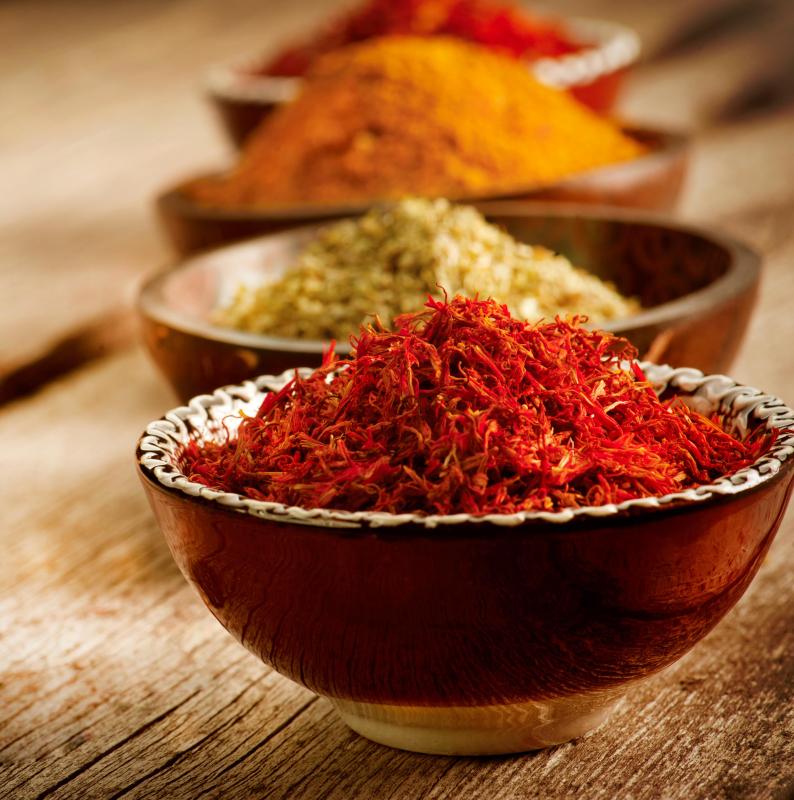
![Capsicum plants contain the spicy capsaicin, which gives peppers their heat.]() By: Subbotina AnnaCapsicum plants contain the spicy capsaicin, which gives peppers their heat.
By: Subbotina AnnaCapsicum plants contain the spicy capsaicin, which gives peppers their heat. -
![Capsicum can be used in instances of self defense.]() By: Felix MizioznikovCapsicum can be used in instances of self defense.
By: Felix MizioznikovCapsicum can be used in instances of self defense.



Discussion Comments
In Thai food restaurants, I've had the experience of almost total alleviation with coconut ice cream. Try it next time. It's also very good!
FYI kapse in Greek means "burn" not bite.
Drink milk to cut the burn -- old school Texan remedy.
Does it have anything to do with gout?
What is the PH of capsicum?
Eating bread or sugar can help alleviate the burning, although only time will entirely relieve it.
If you want to grow your own capsicum, you need a sunny, sheltered location with good soil. The plant will need a stake or wiring for support. Peppers have many uses, from salads, additions to stews, to main dishes when filled with a mixture of ground beef and rice.
Often people ask the question "What will relieve the burning sensation in the mouth when too much Capsicum (chili peppers etc) has been chewed or eaten?"
Capsicum is soluble only in oil. Vegetable oil rubbed on the affected area will relieve (not completely remove) the burning sensation. Butter has a similar action.
Water or alcohol will not relieve the sting.
Post your comments