
At AllThingsNature, we're committed to delivering accurate, trustworthy information. Our expert-authored content is rigorously fact-checked and sourced from credible authorities. Discover how we uphold the highest standards in providing you with reliable knowledge.
What Is Capnocytophaga Canimorsus?
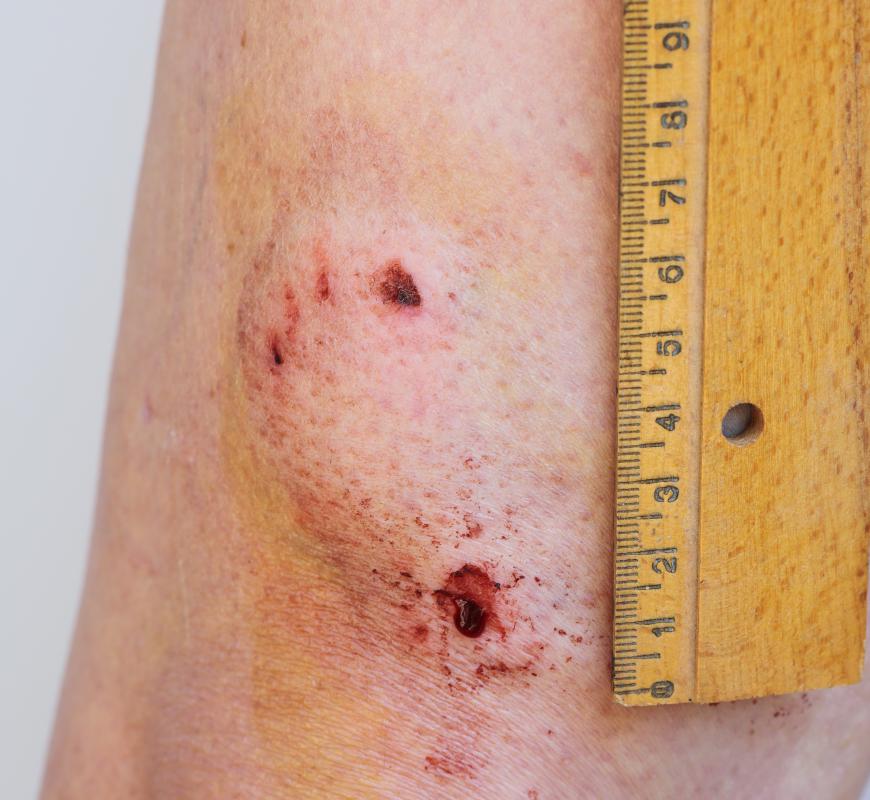
Capnocytophaga canimorsus is a type of bacteria that exists in the mouths of healthy dogs and cats. It is rod shaped and is able to grow rapidly under the right conditions. This bacteria can cause sepsis in people after an animal bite. This pathogen has a unique shape and outer layer, and can cause severe illness if not treated quickly and effectively.
This organism is a gram-negative bacillus, meaning it does not retain the colored die used in a laboratory gram stain test. This test helps to identify different types of bacteria. Gram-negative bacteria have a fatty outer layer that can make them resistant to antibiotics such as penicillin. For this reason, treating diseases caused by this type of bacteria are far more difficult.

Since the disease caused by capnocytophage canimorsus can be transferred from animals to humans, it is known as a zoonotic disease. This sepsis can be fatal to humans, and may be misdiagnosed since the symptoms often vary. Known signs of Capnocytophaga canimorsus sepsis are severe diarrhea, vomiting, abdominal tenderness, high blood pressure, and rapid heart rate. Patients may also experience high fevers, organ failure, cardiac arrest and coma.

The people most susceptible to Capnocytophaga canimorsus infection are those with limited or absent spleen function. These asplenic patients may have had their spleen removed due to trauma, illness or genetic disorders, or in cases where spleen function makes another medical condition worse. People who are immunocompromised due to illness or age are also more likely to be affected after a dog bite. As a result, any person with a compromised immune system is advised not to own a dog.

It is not always necessary for an animal bite to occur for Capnocytophaga canimorsus to be transmitted. In one case, a man with a history of spleen removal fell onto his hands in a recent accident. He had minor open wounds on his hands that were subsequently licked by a family member's dog. This dog's mouth harbored the bacteria, and subsequently the man experienced sepsis. He was, however, able to recover after timely antibiotic treatment.

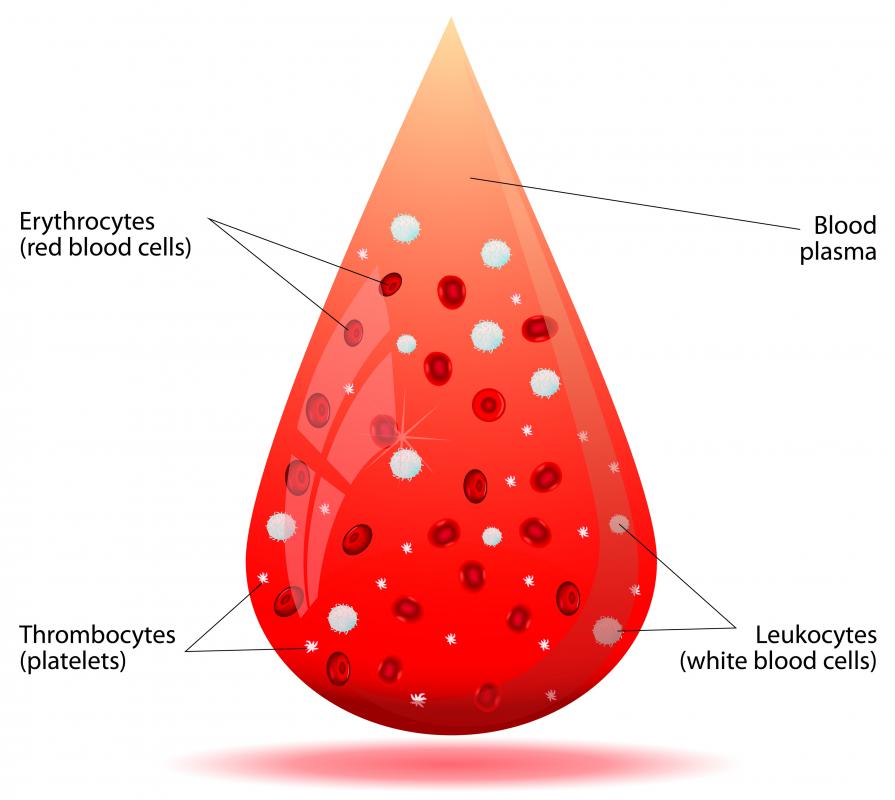
While septicemia from a dog bite is relatively rare, it is a serious condition that can travel quickly through the blood stream and impact the entire body. A number of different antibiotics, including doxyycline and clindamycin, can be used in the treatment of capnocytophaga canimorsus sepsis. Patients may also benefit from blood and plasma transfusions in more severe cases of the infection.
Frequently Asked Questions
What is Capnocytophaga canimorsus and how is it transmitted?

Capnocytophaga canimorsus is a bacterium commonly found in the mouths of dogs and cats. It's transmitted to humans primarily through bites, scratches, or close contact with animals. Infection can lead to serious health issues, particularly in individuals with weakened immune systems or asplenia.
Who is most at risk for Capnocytophaga canimorsus infection?

Individuals with compromised immune systems, such as those with HIV, cancer, or on immunosuppressive drugs, are at higher risk. Additionally, people who have had their spleens removed (asplenic individuals) or who abuse alcohol are more susceptible to infection, according to the Centers for Disease Control and Prevention (CDC).
What are the symptoms of a Capnocytophaga canimorsus infection?

Symptoms can range from flu-like signs to more severe complications like sepsis. Early symptoms include fever, chills, muscle aches, and vomiting. If untreated, it can progress to septicemia, characterized by confusion, blisters, and disseminated intravascular coagulation, potentially leading to limb amputation or even death.
How is a Capnocytophaga canimorsus infection diagnosed and treated?
Diagnosis is made through bacterial cultures from blood or wound samples. Treatment typically involves antibiotics, and early intervention is crucial. In severe cases, hospitalization may be required to manage complications. The CDC recommends seeking medical attention immediately after an animal bite, especially for those at higher risk.
Can Capnocytophaga canimorsus infections be prevented?
Prevention includes proper wound care after animal bites or scratches, washing the affected area with soap and water, and seeking medical advice. Pet owners should maintain good oral hygiene for their pets to reduce the bacteria in their mouths. High-risk individuals should avoid rough play with animals to minimize the chance of bites.
What is the mortality rate for Capnocytophaga canimorsus infections?
The mortality rate for Capnocytophaga canimorsus infections can be as high as 30% if the infection leads to sepsis, according to medical studies. Prompt medical treatment significantly reduces the risk of severe outcomes, highlighting the importance of immediate care following potential exposure.
AS FEATURED ON:
AS FEATURED ON:









-
![Capnocytophaga canimorsus is a bacteria that can cause sepsis in people after an animal bite.]() By: simaCapnocytophaga canimorsus is a bacteria that can cause sepsis in people after an animal bite.
By: simaCapnocytophaga canimorsus is a bacteria that can cause sepsis in people after an animal bite. -
![Capnocytophaga canimorsus is a type of bacteria that exists in the mouths of healthy dogs and cats.]() By: IlikeCapnocytophaga canimorsus is a type of bacteria that exists in the mouths of healthy dogs and cats.
By: IlikeCapnocytophaga canimorsus is a type of bacteria that exists in the mouths of healthy dogs and cats. -
![Those with limited or absent spleen function are most susceptible to Capnocytophaga canimorsus.]() By: CLIPAREA.comThose with limited or absent spleen function are most susceptible to Capnocytophaga canimorsus.
By: CLIPAREA.comThose with limited or absent spleen function are most susceptible to Capnocytophaga canimorsus. -
![Symptoms of capnocytophaga canimorsus in humans may include high fever.]() By: kmiragayaSymptoms of capnocytophaga canimorsus in humans may include high fever.
By: kmiragayaSymptoms of capnocytophaga canimorsus in humans may include high fever. -
![Signs of Capnocytophaga canimorsus sepsis may include abdominal tenderness.]() By: Nikki ZalewskiSigns of Capnocytophaga canimorsus sepsis may include abdominal tenderness.
By: Nikki ZalewskiSigns of Capnocytophaga canimorsus sepsis may include abdominal tenderness. -
![Dog bite victims may benefit from blood and plasma transfusions in more severe cases of infection.]() By: designuaDog bite victims may benefit from blood and plasma transfusions in more severe cases of infection.
By: designuaDog bite victims may benefit from blood and plasma transfusions in more severe cases of infection. -
![A blood or plasma transfusion may be necessary in serious cases of capnocytophaga canimorsus.]() By: alma_sacraA blood or plasma transfusion may be necessary in serious cases of capnocytophaga canimorsus.
By: alma_sacraA blood or plasma transfusion may be necessary in serious cases of capnocytophaga canimorsus.



Discussion Comments
Is there a test for your dogs to see if they have it in their mouths?
My friend is in the hospital right now with this ugly disease. They didn't think she would make it after 24 hours, but she did and now tomorrow she has surgery to remove both of her legs above her knees. so yes indeed it is a horrible infection.
I don't know too much about rabies, but I can speak first hand about capnocytophaga canimorsus because I got it in July of 2011 and it is no picnic. I am a 51 year old female and I never experienced so much physical pain in my life. Every fiber of my body hurt. My joints got stiff and it was hard to move. I had a fever of 104. I had red circles all over and flu-like symptoms. I couldn't think straight. I didn't eat or sleep for five straight days. I could honestly say that if I took the pain from all five of my natural childbirths, my 25 years of migraines, my sinus surgery, and whatever other aches and pains I may have had and rolled them all up into one bundle and multiplied them by a hundred, it would still not hurt as much as the capnocytophaga canimorsus hurt.
While I was hospitalized, I had around the clock antibiotics through an IV, along with pain meds. I had so many tests before and after the diagnosis that I can't remember them all. The second day in the hospital they had to do a TEE, test which was going down my throat with a scope to check out my heart to see if it got damaged. They checked to see if I was born without a spleen but I do have one. After my stay in the hospital, I had to be on two more antibiotics for 30 more days. All the meds really messed up my stomach and now over a year later I'm still dealing with GERD and gastritis caused from the meds. I'm still having trouble swallowing and they just had to dilate my throat last month. I still have shortness of breath and they are trying to figure that one out. I didn't get bit by a dog. I got licked by my dog and must have had a small cut for it to enter my bloodstream. The infectious disease doctor on my case said that I was the only case he has had in his 35 years of practice.
Capnocytophaga canimorsus is very rare as well as very serious and it can be very deadly. I was told by one doctor that I had someone watching over me! I could have easily died, especially when the ER sent me home both times when I went in and my own doctor sent me home as well. They knew I was seriously sick but they couldn't figure it out. I realize that it's very rare and hard to diagnose but I was way too sick to be sent home.
After a week of trying to get help and getting worse every minute that passed, it was the hospital that called and said for me to go admit myself as soon as possible, and that they had a room ready and waiting and doctors standing by. I guess they saw a gram negative in my blood which meant bad news. Then I finally got under the care of the most wonderful infectious disease doctor around. It still took about two more weeks to get a diagnosis even though they had an idea at that point. They said I would feel better in a year and it's going on 14 months. I think the massive doses of antibiotics have caused some of my current problems, but I'm still worried about the shortness of breath. I hope they can figure that one out soon. I'm tired of expensive medical tests and doctor appointments but I'm very happy to be alive.
I just recently asked one doctor why the heck they didn't admit me to the hospital on the first trip to the ER, and he told me that even though you can be super sick, if your heart checks out of they probably will send you home. I no longer trust hospitals and a lot of the doctors I saw throughout this ordeal. You really have to watch out for yourself and go on your gut instinct. Now I can't wait to get a real good freeze to kill all the mosquitoes because I'm just a little paranoid about the West Nile virus that people are getting. I don't ever want to be that badly sick in my life again. And by the way, I still have both my little dogs and I love them very much.
Once a person gets infected by the bacteria, how long does it take to start seeing symptoms? How exactly does the bacteria affect our bodies in the first place? Does it attack certain cells directly, or does it target specific areas of our body?
Since the article specifically mentions people with spleen problems being more significantly affected, I would guess maybe it has something to do with the immune system.
@JimmyT - Given this article's description of Capnocytophaga canimorsus symptoms versus what rabies does, I would have to say rabies is much more serious. The disease described here, while potentially dangerous, seems fairly rare and can be treated with antibiotics. Rabies on the other hand has a very fast effect and can kill an animal or human in a matter of days if they don't receive immediate medical attention.
From what I've read, it sounds like Capnocytophaga is a normal oral bacteria in the animals. The reason we don't get it more often is because it has to enter the bloodstream before it can have an effect on us. That is why it can happen after dog bites, or after the dog licked the hands of the person with cuts.
Now that I know more about this, I think I will be more careful about letting my dog lick me when I do have any sorts of cuts on my hands or arms.
What a serious infection! I guess a dog's mouth really isn't cleaner than a human's. I never knew there were any major diseases dogs and cats could pass on to humans besides rabies. I am not that familiar with rabies, but between it and Capnocytophaga canimorsus, which is the most serious? Since I've never heard of this one, I would have to guess rabies is the most common.
The article says the bacteria are in the mouths of healthy dogs and cats. Does this mean most or all dogs and cats have it as a normal bacteria, or do they acquire it from somewhere else? If they all have it, what stops more people from getting the disease, and why don't we get it from dogs licking us?
Post your comments