
At DelightedCooking, we're committed to delivering accurate, trustworthy information. Our expert-authored content is rigorously fact-checked and sourced from credible authorities. Discover how we uphold the highest standards in providing you with reliable knowledge.
What is Cane Vinegar?
 Tricia Christensen
Tricia Christensen
Tricia Christensen
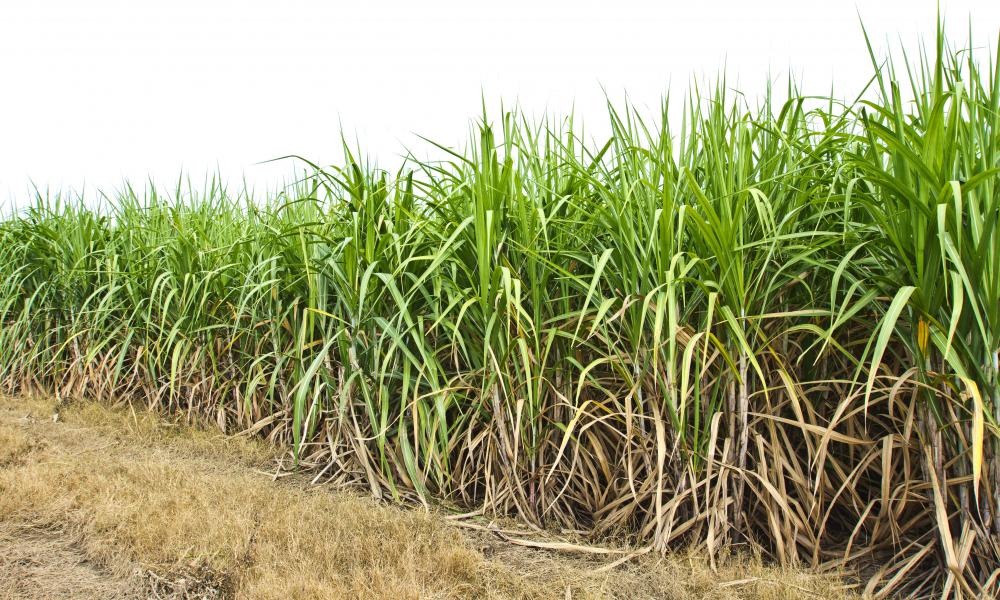
Cane vinegar is a mild vinegar often used in Filipino cooking and on many islands where sugar cane is grown and harvested. It’s been compared to rice vinegar in its mildness, though there are certainly different grades squeezed from sugar cane. It’s not exactly sweet and instead has a mildly sharp taste that is useful for pickling ingredients or making sauces.
In the Philippines, cane vinegar is often called sukang iloko after the northern region of Illocos, where much of the vinegar is made. It may be labeled sukang maasim, which does not denote region and simply translates as vinegar or sour vinegar. Sukang massim is often more commonly found than sukang iloko in Filipino grocery stores in the US.

Cane vinegar is also available in many large grocery stores in the US since it is also manufactured in places like Hawaii and California. It’s becoming increasingly popular as an alternate vinegar to some more traditional offerings like wine or apple cider vinegar. Many people describe the taste as sour but fresh and like its light taste in a variety of foods.

This vinegar is used in dishes with sweet and sour sauces, including sauerbraten, pickled herring, and even as an addition to humus or lemon custard. In Filipino cooking, one of the classic dishes is adobo, a dish of chicken and pork simmered in vinegar, bay leaves, garlic and spices served over rice. Braised pork leg or paksiw na pata is another popular Filipino dish, usually made with several cups of cane vinegar.

Some cooks also recommend using cane vinegar as part of a marinade to tenderize meat. Since it has a lighter flavor then many other types of vinegar, food tends not to take on its flavor quite as much. It will taste more piquant, but have less of a strong vinegar taste. Some people like to add a touch to dressings for fruit salads since it will have a bite but won’t interfere with natural fruit flavors.
Tricia Christensen
Tricia has a Literature degree from Sonoma State University and has been a frequent DelightedCooking contributor for many years. She is especially passionate about reading and writing, although her other interests include medicine, art, film, history, politics, ethics, and religion. Tricia lives in Northern California and is currently working on her first novel.
Learn more...
Tricia Christensen
Tricia has a Literature degree from Sonoma State University and has been a frequent DelightedCooking contributor for many years. She is especially passionate about reading and writing, although her other interests include medicine, art, film, history, politics, ethics, and religion. Tricia lives in Northern California and is currently working on her first novel.
Learn more...AS FEATURED ON:
AS FEATURED ON:


-
![Stalks of sugar cane.]()
Stalks of sugar cane. -
![Sugar cane is a popular crop in the Philippines.]() By: narinbgSugar cane is a popular crop in the Philippines.
By: narinbgSugar cane is a popular crop in the Philippines. -
![Cane vinegar may be used as dressing on a fruit salad to help complement the sweetness of the fruit.]() By: bercCane vinegar may be used as dressing on a fruit salad to help complement the sweetness of the fruit.
By: bercCane vinegar may be used as dressing on a fruit salad to help complement the sweetness of the fruit.


Discussion Comments
Try Datu Puti White Vinegar (spiced) also called "sukang maasim" (ingredients: distilled vinegar, water, onion, hot pepper, and garlic). We add three spoons of it and three spoons of extra virgin olive oil to our romaine salad. It's addictive.
What a cool article -- this sounds like something that I'd really like to try. I've become a sort of vinegar fanatic recently since I learned about using vinegar for cleaning, and I've been really interested in learning about different kinds of vinegars ever since.
Do you have any idea how you might make homemade cane vinegar, or if it's even possible to do in a normal home? I'd really like to try my hand at it, it sounds like fun!
What would you say is a good cane vinegar substitute? I've really been wanting to try to make some Filipino cuisine, but I can't for the life of me find any cane vinegar in any of my local stores.
Do you think I could substitute it with rice vinegar? Or do you know of any other good cane vinegar substitutes? Otherwise I guess I'm just going to have to buy some off the internet or something, because there is absolutely none around where I live.
How interesting. I had never heard of this kind of vinegar, but it sounds really good. I wonder if it has any of the same health benefits that you get with other vinegars, like raw apple cider vinegar.
And do you know if it's possible to buy organic cane vinegar, or do you have to just take what you can get? I have to say, I've never seen it sold in my area, so I'm really not very up on the subject. Is it easy to find in the West? And if so, where should I look?
Thanks!
Post your comments