
At TheHealthBoard, we're committed to delivering accurate, trustworthy information. Our expert-authored content is rigorously fact-checked and sourced from credible authorities. Discover how we uphold the highest standards in providing you with reliable knowledge.
What is Caffeine?
 Michael Pollick
Michael Pollick
Michael Pollick
Chemically speaking, pure caffeine is a plant-based alkaloid which stimulates the central nervous system of any creature that ingests it. In nature, it serves as a form of pest control for certain plants such as cacao trees, coffee shrubs, yerba mate and tea trees. The caffeine causes insects and other pests to collapse from the effects of over-stimulation.
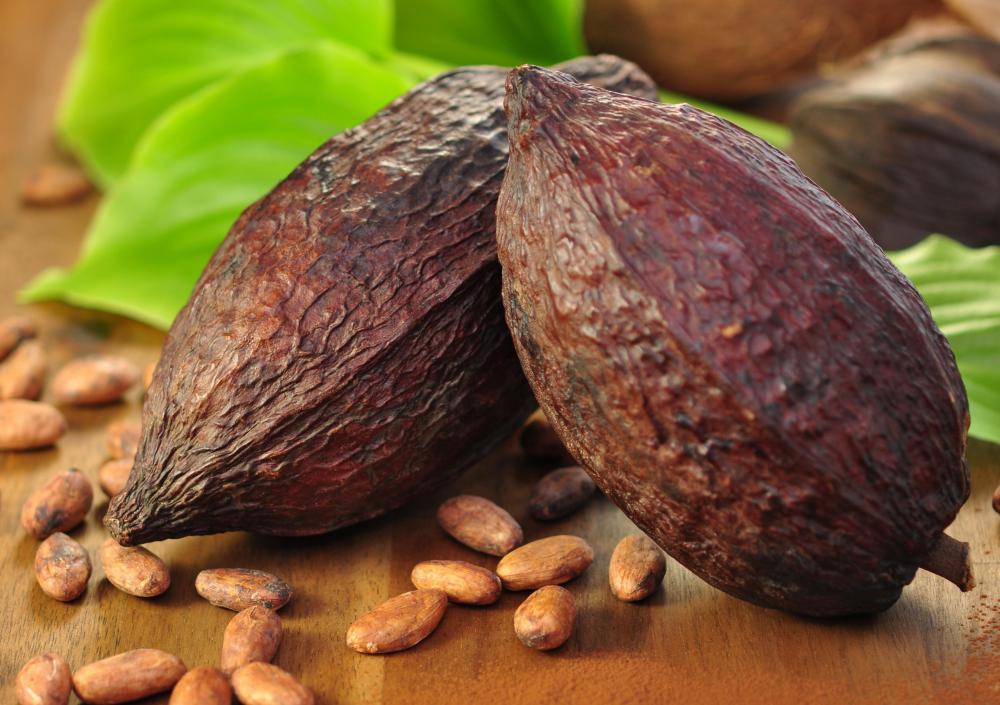
Caffeine, also known as guaranine, mateine or theine depending on the source plant, is considered a psychoactive drug. However, it has not been designated a controlled substance, so its use in teas, coffees and sodas is not illegal. Coffee beans contain a significant amount, while tea leaves and yerba mate plants contain less. Cocoa beans also contain caffeine, but they contain much higher levels of another alkaloid called theobromine.

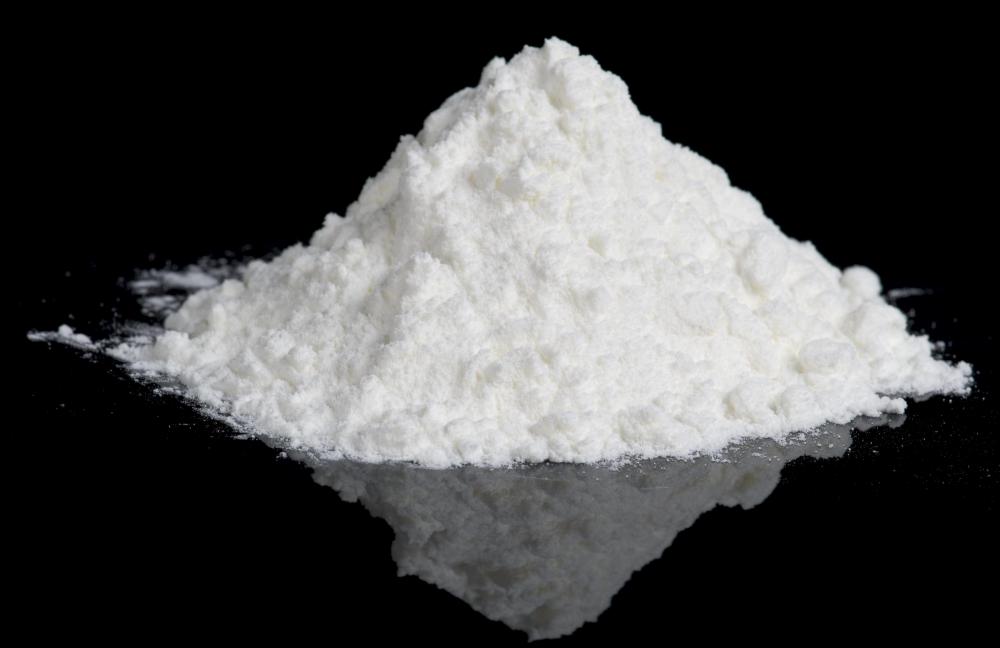
When caffeine is removed from the source plant and reduced to its most natural state, it forms a white powder. This powdered form is actually the scientific definition of bitter, which is why many beverages containing caffeine also contain copious amounts of sugar or other sweeteners. That contained in stimulant pills such as No-Doz is not diluted with sugar, so the pills can be very bitter indeed.

Caffeine may not be addictive in the classic sense, but the body does build up a tolerance over time. Some people find it difficult to function without at least one cup of strong coffee or tea in the morning. The stimulating effects are caused by a central nervous reaction. The heart rate increases, blood vessels constrict, and air passages relax. This effect can last up to an hour.

There is such a thing as caffeine withdrawal. Regular consumers of coffee or sodas may experience painful headaches if the body is denied caffeine. Without the stimulation provided by this alkaloid, the blood vessels open, increasing the flow of blood. The traditional cure for withdrawal is to ingest more caffeine. This is also why many headache medications contain small amounts.

It would be very difficult to consume enough caffeine for a lethal overdose, although some deaths have been reported. One would have to drink several hundred cups of coffee or ingest at least 75 tablets to reach toxic levels, however. Taking several Vivarin or No-Doz stimulants to increase mental awareness should not be harmful in the long term, but there may be a sudden crash as the drug's effects wear off. So keep the all-night study sessions or long distance drives to a minimum if you don't want to experience the dark side of the drug.
Michael Pollick
A regular TheHealthBoard contributor, Michael enjoys doing research in order to satisfy his wide-ranging curiosity about a variety of arcane topics. Before becoming a professional writer, Michael worked as an English tutor, poet, voice-over artist, and DJ.
Learn more...
Michael Pollick
A regular TheHealthBoard contributor, Michael enjoys doing research in order to satisfy his wide-ranging curiosity about a variety of arcane topics. Before becoming a professional writer, Michael worked as an English tutor, poet, voice-over artist, and DJ.
Learn more...AS FEATURED ON:
AS FEATURED ON:


-
![When removed from a plant, caffeine is a white powder.]() By: Kondor83When removed from a plant, caffeine is a white powder.
By: Kondor83When removed from a plant, caffeine is a white powder. -
![Chocolate, which contains caffeine.]() By: Mariusz BlachChocolate, which contains caffeine.
By: Mariusz BlachChocolate, which contains caffeine. -
![Coffee beans contain a significant amount of caffeine.]() By: Feng YuCoffee beans contain a significant amount of caffeine.
By: Feng YuCoffee beans contain a significant amount of caffeine. -
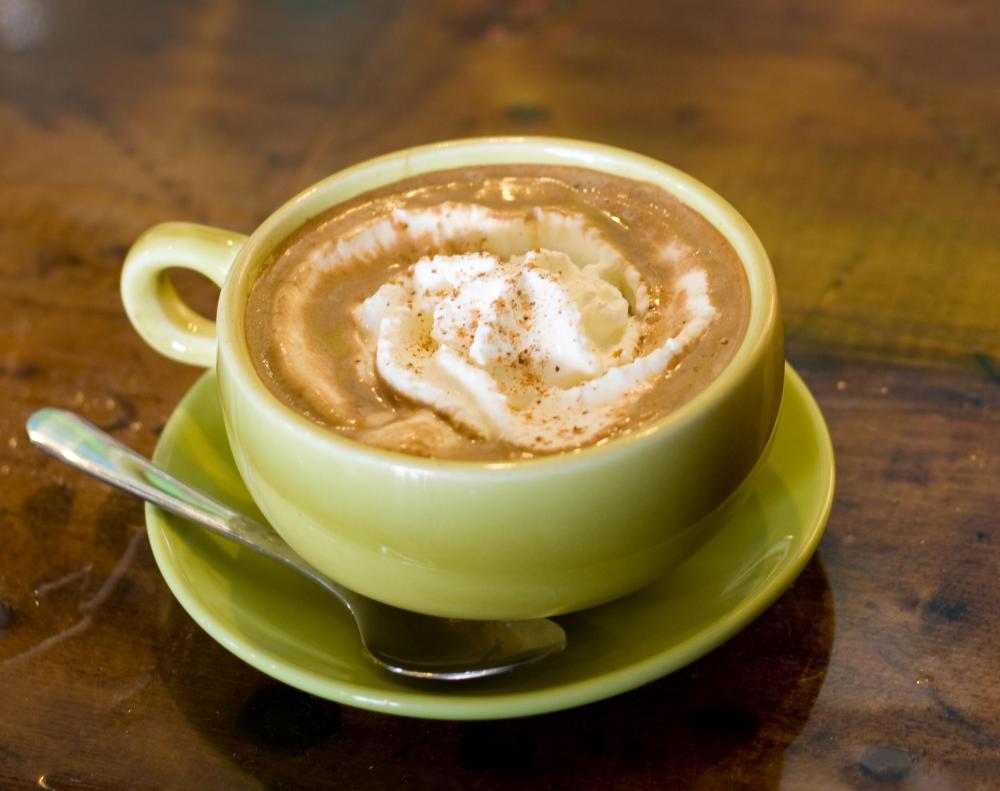
![A cup of drip coffee can have up to 175 mg of caffeine.]() By: uwimagesA cup of drip coffee can have up to 175 mg of caffeine.
By: uwimagesA cup of drip coffee can have up to 175 mg of caffeine. -
![Caffeine serves as natural pest control for cacao trees.]() By: PrintempsCaffeine serves as natural pest control for cacao trees.
By: PrintempsCaffeine serves as natural pest control for cacao trees. -
![Drinking a cup of coffee every day may lead to physical dependence on caffeine.]() By: Andres RodriguezDrinking a cup of coffee every day may lead to physical dependence on caffeine.
By: Andres RodriguezDrinking a cup of coffee every day may lead to physical dependence on caffeine. -
![Sweet tea can have caffeine in it.]() By: karandaevSweet tea can have caffeine in it.
By: karandaevSweet tea can have caffeine in it. -
![Caffeine occurs naturally in cocoa beans.]() By: Jiri HeraCaffeine occurs naturally in cocoa beans.
By: Jiri HeraCaffeine occurs naturally in cocoa beans. -
![People who rely heavily on caffeine might crash later.]() By: SabphotoPeople who rely heavily on caffeine might crash later.
By: SabphotoPeople who rely heavily on caffeine might crash later. -
![Many people consume caffeinated products to help wake themselves up in the morning.]() By: DoraZettMany people consume caffeinated products to help wake themselves up in the morning.
By: DoraZettMany people consume caffeinated products to help wake themselves up in the morning. -
![Espressos contain more caffeine than regular coffee.]() By: Dave NewmanEspressos contain more caffeine than regular coffee.
By: Dave NewmanEspressos contain more caffeine than regular coffee.




Discussion Comments
why is caffeine used?
what are street names for caffeine and is it illegal?
the amount of caffeine is restricted in athletes by the ioc.
there's no limit or restrictions on caffeine consumption in athletes. however it is extremely dangerous because it sets your resting heart rate higher than normal and puts you at risk of a heart attack, liver failure, stomach ulcers, etc.
in my area the guys call caffeine Fein, Caff, happy juice, party starter, all nighter, RB, V, Ma. that's all the ones i can think of, but i'm sure there's more
what happens when you have too much caffeine? Do you die?
Why is this true?
my class is going to do a experiment on caffeine and i was wondering if anyone else was doing any and if so which one to do?
i am doing a report and i need basic information about caffeine. i am 10 and in the fifth grade.
what does it do to you? and don't want to hear it helps... bla bla
Is the use of caffeine limited in athletic competition?
what is the effect that caffeine has on people these days??
What are some street names for caffeine,(if any)?
Post your comments