
At TheHealthBoard, we're committed to delivering accurate, trustworthy information. Our expert-authored content is rigorously fact-checked and sourced from credible authorities. Discover how we uphold the highest standards in providing you with reliable knowledge.
What is Caffeine Anhydrous?
Caffeine anhydrous is basically the powdered form of caffeine, and is commonly used as an additive to nutritional supplements and weight loss pills. In most cases it comes from the same places as ordinary caffeine does; coffee beans, tea leaves, and guarana berries, to name a few. The word “anhydrous” is a chemical term meaning “without water,” and caffeine that is prepared this way is usually dehydrated in a lab and broken down to its base crystals. It is usually a white crystalline powder that dissolves well in water and can be mixed in with many other ingredients relatively easily, and it doesn’t have a defined taste or smell. Energy pills, nutritional supplements, and weight loss drinks and capsules often use this powder in varying degrees in order to improve outcomes and deliver quick boosts of caffeine to users. In small doses the extract is usually considered safe, but people often experience problems when they take too much, the same as they would were they to drink too much coffee or tea. Extreme caffeine consumption can lead to heart problems, headaches, and gastrointestinal distress, among other things.
How It’s Extracted

The chemical formula of caffeine is C8H10N4O2, and it occurs naturally in many plants, especially in seedlings that are beginning to produce roots or leaves. From a biological perspective, it helps plants grow by preventing insects from eating the plant's leaves or roots, essentially by paralyzing and killing them. The highest levels of caffeine typically occur in coffee bean seedlings and cocoa beans. Guarana seedlings and berries also contain a substantial amount of caffeine, as do the leaves of many varieties of tea plants.

Caffeine anhydrous is obtained by harvesting these beans, seedlings, and leaves, drawing out the caffeine extract through various chemical processes, then boiling that extract until the water evaporates out. This produces a white, crystalline powder which is the compound’s anhydrous form.
Basic Characteristics
There is virtually no difference between caffeine's powdered or liquid presentations, although some health supplement companies claim that the anhydrous form is absorbed more quickly by the body. It also contains nothing else, which is to say none of the acids, antioxidants, or other compounds commonly found in coffees or teas.

The powder is usually processed by the body the same way the liquid form would be. It is first absorbed by the tissues in the stomach and small intestine, where it filters off to other parts of the body. Its most significant effect is the ability to stimulate the central nervous system, which processes information sent from other areas of the body. This temporarily prevents the affected person from feeling tired while improving alertness. It also speeds up the heart rate and increases exercise endurance, effects commonly sought out by athletes and bodybuilders.
Most Common Uses

Diet and energy supplement companies commonly use the anhydrous form of caffeine as an ingredient because of its stimulant effects. Some manufacturers claim it can also suppress appetite and increase metabolism, though these assertions don’t usually have any clinical backing or support from the research community.
Caffeine anhydrous is most commonly molded with other powders and used to bind ingredients in proprietary blends; it’s pretty light in terms of volume, and just a little bit can both help other ingredients stick together and provide a boost to the user. In some places the loose powder is also sold independently. Loose powders are most common amongst endurance athletes and fitness specialists who want to mix high doses of it with juice or milk before a workout — basically to get a high dose of caffeine without having to drink enough traditionally caffeinated beverages to meet that threshold. Depending on how it’s blended, one shake made at home with anhydrous powder could be the caffeine equivalent of four or more cups of coffee.
Side Effects and Risks

Caffeine can cause numerous side effects, and these are usually the same whether the chemical is ingested on its own as a powder or within a substance that contains it naturally. Studies have shown that excessive consumption can lead to blurred vision, dizziness, dryness of the mouth, and gastrointestinal discomfort. It can also make people feel more anxious or irritated. Its effects on the heart are well documented, too, and even moderate use can cause an abnormally fast heart rate.
Taking more than 300 milligrams (about 0.01 ounces) of caffeine anhydrous can also lead to a health condition called caffeine intoxication. This can drastically affect a person's reasoning ability, and lead to nervousness, rambling speech patterns, muscle twitching, and agitation. Larger overdoses can lead to episodes of mania, disorientation, hallucinations, and, in serious cases, psychosis. Anyone who is thinking about taking caffeine as a supplement is usually wise to talk with a healthcare specialist before beginning in order to discuss the risks and potential benefits.
AS FEATURED ON:
AS FEATURED ON:


-
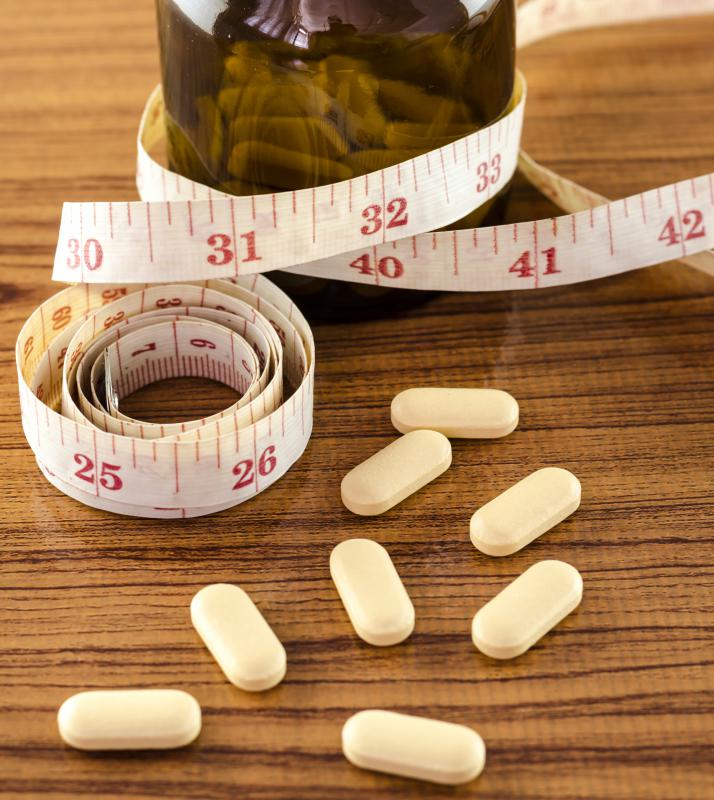
![Caffeine anhydrous is found in many weight-loss supplements.]() By: Nisakorn NeeraCaffeine anhydrous is found in many weight-loss supplements.
By: Nisakorn NeeraCaffeine anhydrous is found in many weight-loss supplements. -
![The process of boiling caffeine extract produces the anhydrous form of caffeine, which is a white, crystalline powder.]() By: ogichobanovThe process of boiling caffeine extract produces the anhydrous form of caffeine, which is a white, crystalline powder.
By: ogichobanovThe process of boiling caffeine extract produces the anhydrous form of caffeine, which is a white, crystalline powder. -
![Cocoa beans contain extremely high levels of caffeine.]() By: Jiri HeraCocoa beans contain extremely high levels of caffeine.
By: Jiri HeraCocoa beans contain extremely high levels of caffeine. -
![Guarana berries have a higher concentration of caffeine than coffee beans.]()
Guarana berries have a higher concentration of caffeine than coffee beans. -
![There is virtually no difference between powdered and liquid caffeine.]() By: Warren GoldswainThere is virtually no difference between powdered and liquid caffeine.
By: Warren GoldswainThere is virtually no difference between powdered and liquid caffeine.


Discussion Comments
I wish I could take caffeine anhydrous but the side effects of caffeine are too much for me to handle. Caffeine gives me heart palpitations and sometimes I can't sleep. I guess it's too much of a boost.
@fBoyle-- I do. I take powder caffeine anhydrous before my workouts for more energy. But man, it tastes horrible! I made the wrong decision by getting it in powder form. I'm basically mixing it with a shake or fruit juice and chugging it down. When it's over, I'm going to switch to caffeine tablets or capsules because I like the effects.
I think supplements with caffeine anhydrous are great. I don't overdo caffeine pills because too much of everything is bad. I only take them when I'm working long hours or studying for an energy boost. Caffeine also helps me concentrate on my work. I don't know if it has weight loss benefits but I've heard that caffeine can boost metabolism as well.
The other great part about caffeine pills is that they don't give me upset stomach like coffee does.
Is anyone else taking caffeine anhyrous supplements?
Post your comments