
At TheHealthBoard, we're committed to delivering accurate, trustworthy information. Our expert-authored content is rigorously fact-checked and sourced from credible authorities. Discover how we uphold the highest standards in providing you with reliable knowledge.
What is Bursitis?
Bursitis is a common sports-related injury and can also be an occupational hazard if a person's job requires repetitive motions over extended periods. A bursa is a fluid-filled sac inside the joint. It lies between a joint bone and the muscle or tendon that covers it, and serves as padding or a shock-absorber, protecting the soft tissue from damage due to friction against the hard bone. In vigorous or repetitive movement, the friction of the bone on the bursa can cause inflammation of the sac, leading to pain and swelling. This condition is called bursitis and can occur in any joint. Shoulders, knees and elbows are the most common sites of this condition.
Common bursitis is caused by overuse of the muscle covering the bursa, but infectious bursitis is a condition in which the bursa itself becomes infected. If the pain is accompanied by fever or swollen glands, it may be an infection. Such cases should be treated by a medical professional, usually with antibiotics if it's caused by bacteria. Some cases may require that the infected bursa be drained.

Bursitis takes up to six weeks to heal completely, although major pain symptoms will often, with treatment, clear up within three weeks. Resting the effected joint is critical, since further exertion can cause more damage that might take longer to heal or require more invasive treatments. Icing the effected joint will both reduce the swelling and dull the pain, but will also lessen circulation to the joint. Topical skin creams that contain menthol can reduce the pain and increase circulation to the area, and are often preferable to ice in this situation.

Common cases are treated with anti-inflammatories and sometimes with a shot of cortisone directly in the joint. Long-term use of cortisone can damage cartilage and deplete the bones of minerals, so this treatment is used sparingly. People can reduce their chances of bursitis by stretching joints that are prone to the condition; this lengthens the muscle and tendons and gives them more "slack," making it less likely that the bursa will be irritated by friction against the bone.
AS FEATURED ON:
AS FEATURED ON:


-
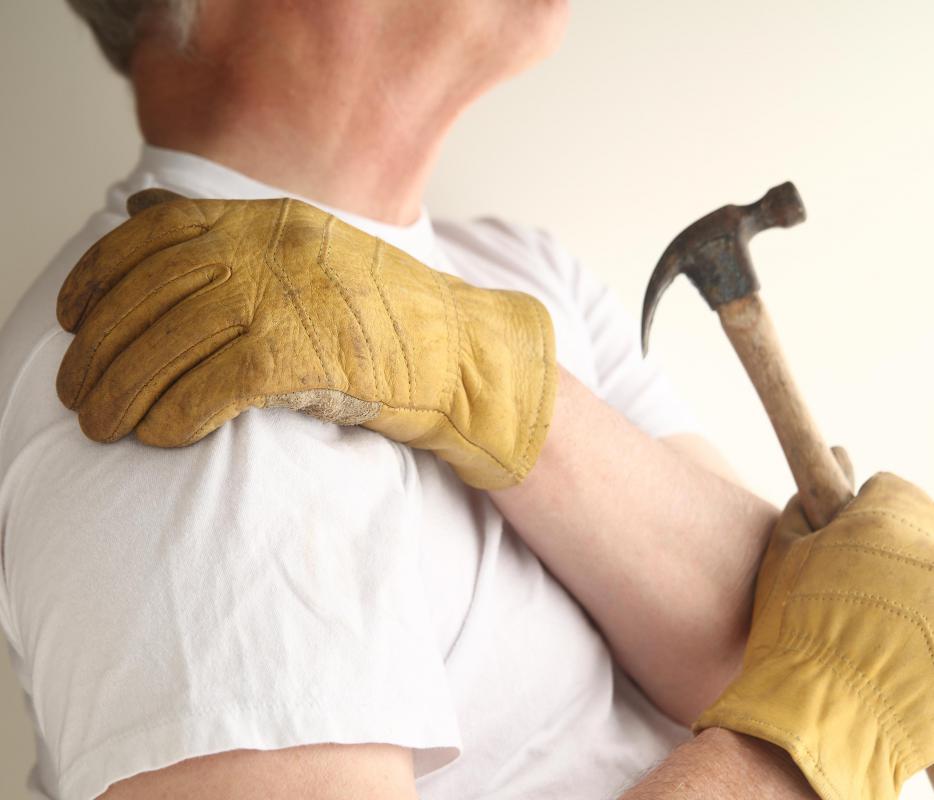
![Shoulders are common sites affected by bursitis.]() By: nebariShoulders are common sites affected by bursitis.
By: nebariShoulders are common sites affected by bursitis. -
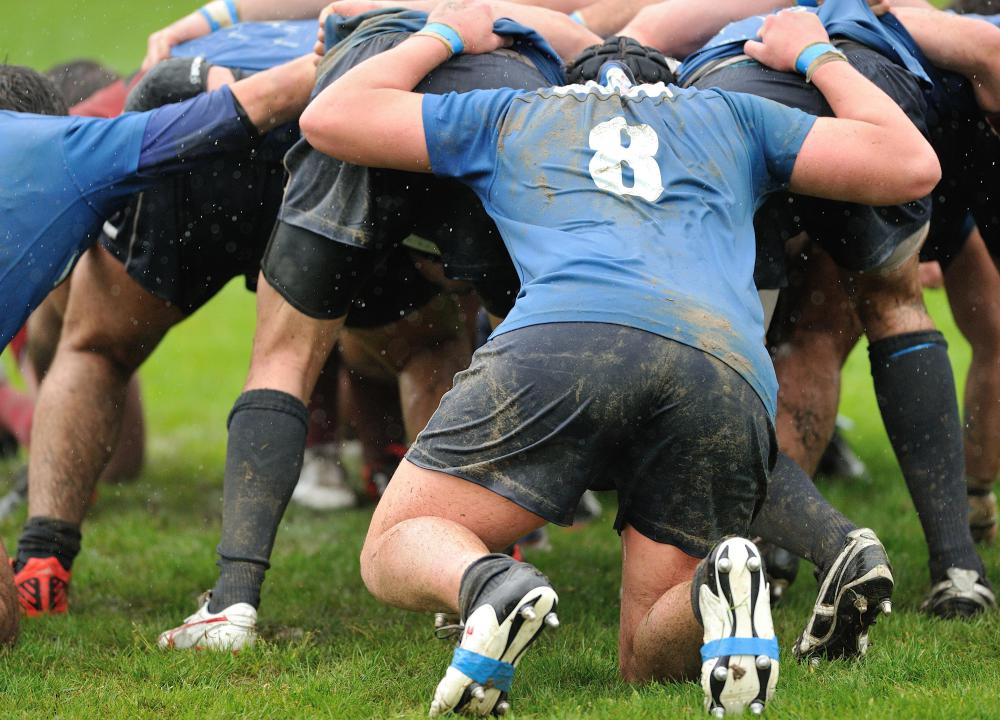
![Sports-related injuries may lead to bursitis.]() By: Diego BarbieriSports-related injuries may lead to bursitis.
By: Diego BarbieriSports-related injuries may lead to bursitis. -
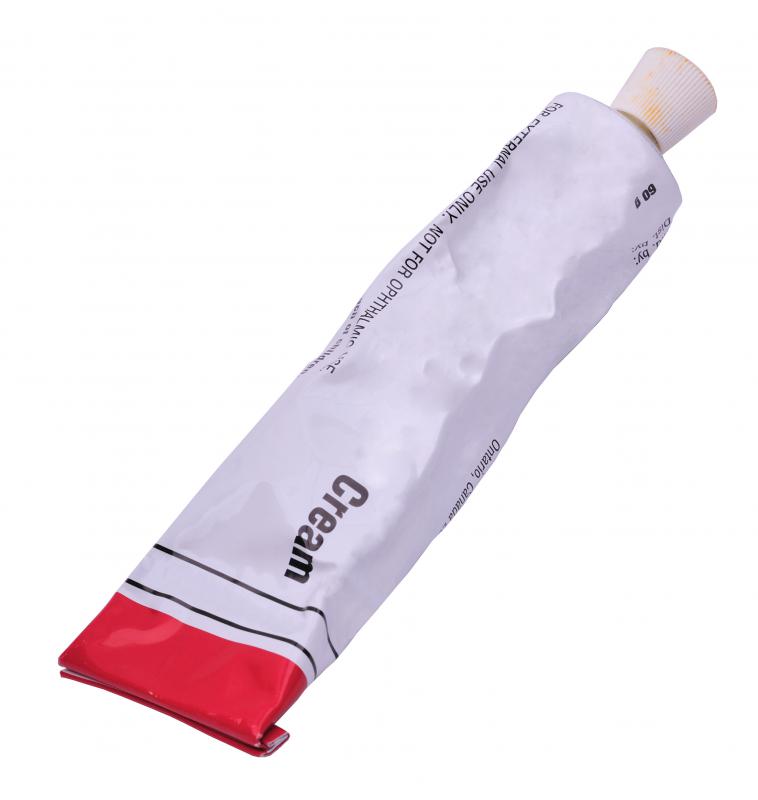
![Topical skin creams may help reduce bursitis pain.]() By: carroteaterTopical skin creams may help reduce bursitis pain.
By: carroteaterTopical skin creams may help reduce bursitis pain. -
![Stretching joints may help reduce one's chances of developing bursitis.]() By: DirimaStretching joints may help reduce one's chances of developing bursitis.
By: DirimaStretching joints may help reduce one's chances of developing bursitis. -
![Swollen glands or fever may indicate that a bursitis has become infected.]() By: Alexander RathsSwollen glands or fever may indicate that a bursitis has become infected.
By: Alexander RathsSwollen glands or fever may indicate that a bursitis has become infected.


Discussion Comments
@fBoyle-- Have you tried pool exercises and physical therapy?
My wife did this for her ankle bursitis and it helped a lot.
@ankara-- Oh you don't need to work on a production line to get bursitis. It can develop doing relatively normal activities too.
I have a hip bursitis diagnosis and it's because of my jogging. I've been jogging regularly for the past ten years. I would have never thought it would be a problem. I've had to take a break from jogging to heal but my bursitis hasn't improved at all. There is persistent inflammation on my right hip and walking very quickly and jogging give me pain.
I'm guessing that people who work in production lines suffer from this condition a lot. Because they are constantly repeating the same movements all day and every day.
I had a job on a production line for only a week and I couldn't take it even for that short duration! My arms would be extremely sore by the time I got home because I kept doing the same movement with them all day. I don't know how people manage to work like this for many years. I'm sure they develop chronic bursitis in the process.
good information
Post your comments