
At SmartCapitalMind, we're committed to delivering accurate, trustworthy information. Our expert-authored content is rigorously fact-checked and sourced from credible authorities. Discover how we uphold the highest standards in providing you with reliable knowledge.
What is Budgeting?
 Michael Pollick
Michael Pollick
Michael Pollick
Budgeting in a business sense is the planned allocation of available funds to each department within a company. Budgeting allows executives to control overspending in less productive areas and put more company assets into areas which generate significant income or good public relations. Budgeting is usually handled during meetings with accountants, financial experts and representatives from each department affected by the budgeting.
In a personal financing sense, budgeting can mean estimating monthly living expenses based on previous bills and wages. If your monthly income is a steady $3000, for example, you can subtract all of your known monthly bills from that figure even before they arrive. Some bills can be estimated and subtracted from the original income figure. The remaining balance after fixed expenses now becomes your household budget. Instead of assigning dollar amounts for sundries such as groceries, entertainment, gas and clothing, budgeting allows you to use percentages instead.

The key to successful budgeting is both flexibility and inflexibility. Certain expenses are fixed, so payment of those bills should be an inflexible element. Nothing is more important than paying those particular bills in full. In business, departments need to know the absolute ceiling on spending. Budgeting works best when very few exceptions are made to the upper limits. The idea of fiscal responsibility is to form a workable budget and stick to it as best as possible.
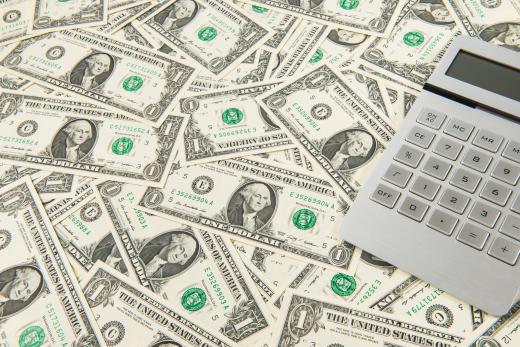
Budgeting also requires an element of flexibility. It isn't always possible to assign a fixed dollar amount on a project in January and expect the budget to remain stable in July. There are always unexpected events which can drastically change the priorities of a company or an individual. Without flexible budgeting, money allocated for one purpose could not be reallocated during a fiscal emergency. An unexpected drop in sales revenue in March can affect the budgeting plans in November, so accountants and financial officers need to adjust their figures regularly.

When economic times are good, many people become lax about personal budgeting. As long as there is more money coming in than going out, all is well. But those who learn to establish a workable budget and keep within it during the lean times often survive major financial crises better than those who don't. Financial discipline can spell the difference between weathering the storm and declaring bankruptcy.
Michael Pollick
A regular SmartCapitalMind contributor, Michael enjoys doing research in order to satisfy his wide-ranging curiosity about a variety of arcane topics. Before becoming a professional writer, Michael worked as an English tutor, poet, voice-over artist, and DJ.
Learn more...
Michael Pollick
A regular SmartCapitalMind contributor, Michael enjoys doing research in order to satisfy his wide-ranging curiosity about a variety of arcane topics. Before becoming a professional writer, Michael worked as an English tutor, poet, voice-over artist, and DJ.
Learn more...AS FEATURED ON:
AS FEATURED ON:









-
![Budgeting allocates funds to various departments within a company.]() By: Picture-FactoryBudgeting allocates funds to various departments within a company.
By: Picture-FactoryBudgeting allocates funds to various departments within a company. -
![Budgeting can help save money or avoid unnecessary spending.]() By: benjaminnolteBudgeting can help save money or avoid unnecessary spending.
By: benjaminnolteBudgeting can help save money or avoid unnecessary spending. -
![Checking statements online is an important aspect of budgeting.]() By: karelnoppeChecking statements online is an important aspect of budgeting.
By: karelnoppeChecking statements online is an important aspect of budgeting. -
![Buying clothes on sale is a good way to stick to a budget.]() By: AlexandrBuying clothes on sale is a good way to stick to a budget.
By: AlexandrBuying clothes on sale is a good way to stick to a budget. -
![Numerous budget management software packages suitable for various skill levels can be downloaded for free.]() By: Andy DeanNumerous budget management software packages suitable for various skill levels can be downloaded for free.
By: Andy DeanNumerous budget management software packages suitable for various skill levels can be downloaded for free.





Discussion Comments
My family lives on a meager budget, but this is all more of a reason to try to save some money each month. Saving for a rainy day or simply building an emergency fund is essential, because you never know when unexpected expenses may hit you. Therefore it's better to be prepared beforehand than running into debts. I personally use a simple yet efficient expense tracking and budgeting tool called InEx Finance and it has worked wonderfully for me so far.
I have been using Out Of The Dark (OOTD) free online budgeting for a while and I am finding that this website helps me better understand the importance of budgeting as I learn how to stick with and benefit from my personal budgeting. I needed a tool like this to help me get into budgeting.
It is important to keep a budget and to keep track of your finances. Even though it's hard to do, it helps to keep you disciplined and working towards your financial goals.
The more you keep track of your financial records the sooner you will be able to notice and fix problems, or find ways to improve. It also helps to reduce stress when you plan ahead and know that you will be able to pay your bills on time.
@olittlewood, It is definitely hard to budget when you don’t have a fixed income every month. I always try to save as much as possible when I do have some extra money. This is rather boring, since it’s more fun to use this for entertainment and such, but it’s nice to have something to fall back on when your income is reduced later.
Make sure you are able to pay the big expenses and try to cut out unnecessary spending where you can. For example, I love to read and spend way too much money on brand new books, so now I just buy used books and have saved a lot.
what are some good budgeting tips for people living on commission? it is so difficult sticking to a budget when you don't know what is coming in from month to month.
Post your comments