
At TheHealthBoard, we're committed to delivering accurate, trustworthy information. Our expert-authored content is rigorously fact-checked and sourced from credible authorities. Discover how we uphold the highest standards in providing you with reliable knowledge.
What is Bronchitis?
Bronchitis is an infection of the bronchial tubes that carry air from the throat to the lungs. When infected, these tubes become inflamed, making it difficult to breath, and produce mucus, which causes coughing. Other symptoms may include a slight fever, sore throat, muscle pain when breathing, and wheezing. It is even possible, during acute bronchitis, to cough so hard that the explosive vacuum created in the lungs can crack or otherwise hurt the ribs, which makes further coughing even more painful. There are two forms: chronic and acute.
Acute bronchitis is often the result of a cold or flu. This illness is most often caused by a virus, rather than bacteria, so taking antibiotics will not help to cure it; it will usually go away on its own. The best treatment is bed rest and fluids. Because bronchitis causes the buildup of mucus, an expectorant cough syrup can help thin down the mucus and make it easier to cough up. Drinking fluids will also help with this, as well as replace the fluids a patient loses to the infection. People who have this infection should see a healthcare professional if they are still having symptoms after two weeks, because they may have another respiratory problem.
The best way to avoid acute bronchitis is the same way a person would try to avoid a cold. People should wash their hands often, disinfect as necessary during cold season, and avoid crowded or confined spaces if there's something "going around."

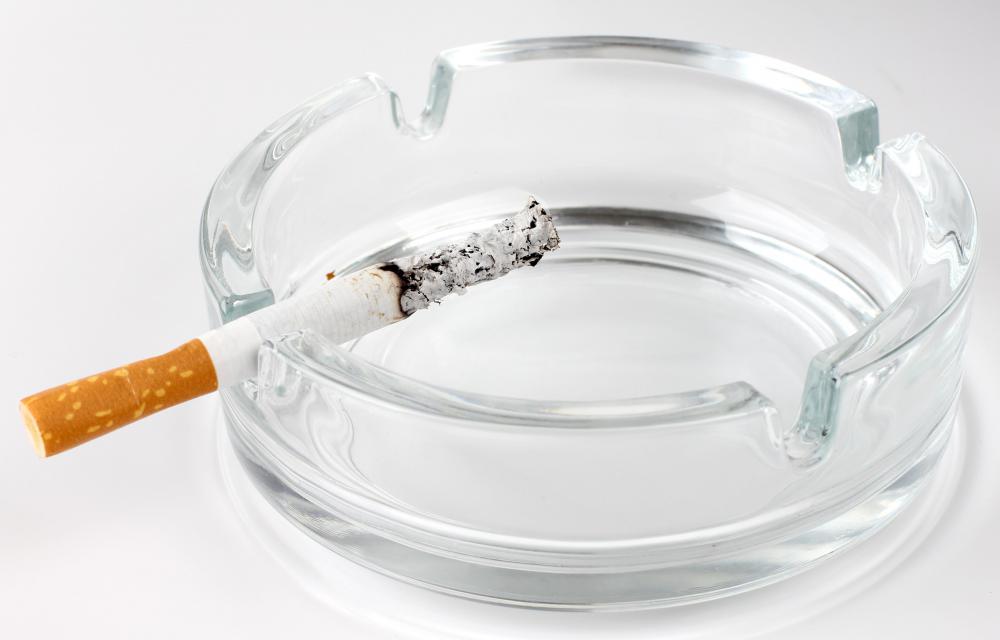
Chronic bronchitis is a condition most often seen in smokers. This is a more permanent inflammation of the bronchial tubes caused by the irritation of cigarette smoke. The chronic condition is like an on-going, less severe case of acute bronchitis. The bronchial tubes are always slightly inflamed, mucus is always being produced, and the result is the "smoker's hack." The best cure for this illness is to stop smoking, but if that is too difficult, just cutting down can reduce the stress on the bronchial tubes and allow them to recover somewhat.
AS FEATURED ON:
AS FEATURED ON:


-
![Cigarette smoking can cause chronic bronchitis.]() By: Ðиколай ÐÑигоÑÑевCigarette smoking can cause chronic bronchitis.
By: Ðиколай ÐÑигоÑÑевCigarette smoking can cause chronic bronchitis. -
![The respiratory system. Bronchitis is an inflammation of the airways and bronchial tubes.]() By: pixelcaosThe respiratory system. Bronchitis is an inflammation of the airways and bronchial tubes.
By: pixelcaosThe respiratory system. Bronchitis is an inflammation of the airways and bronchial tubes. -
![Cough syrup may be used to help treat bronchitis.]() By: pzRomashkaCough syrup may be used to help treat bronchitis.
By: pzRomashkaCough syrup may be used to help treat bronchitis. -
![Bed rest is part of the treatment for acute bronchitis.]() By: alco81Bed rest is part of the treatment for acute bronchitis.
By: alco81Bed rest is part of the treatment for acute bronchitis. -
![Coughing is common for those with bronchitis.]() By: WavebreakmediaMicroCoughing is common for those with bronchitis.
By: WavebreakmediaMicroCoughing is common for those with bronchitis. -
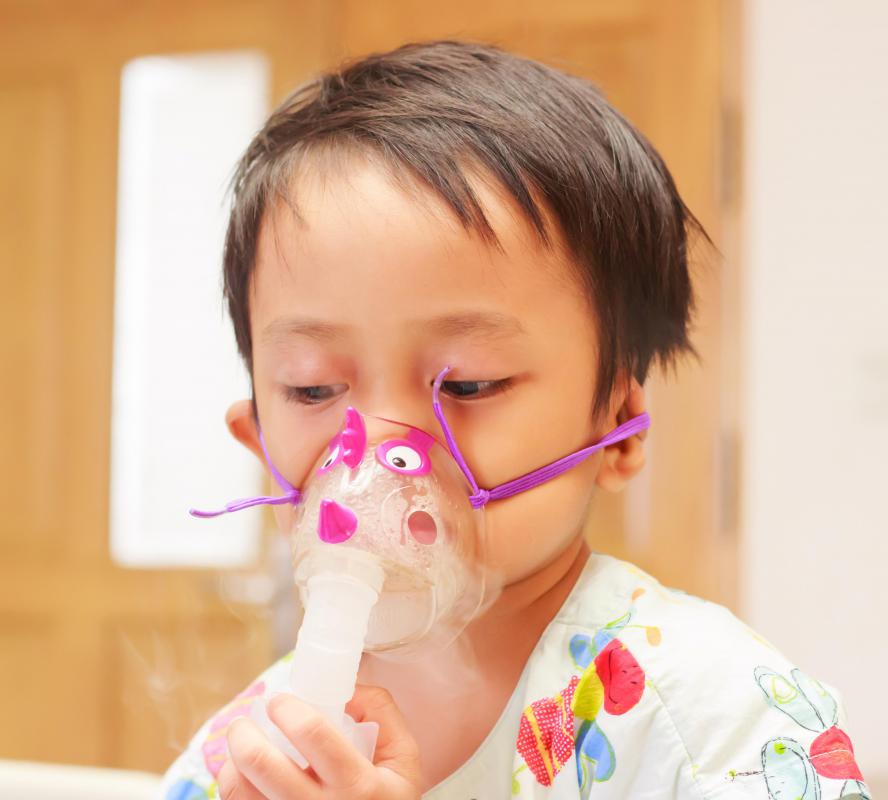
![Severe bronchitis may require breathing treatments to cure.]() By: bnmk0819Severe bronchitis may require breathing treatments to cure.
By: bnmk0819Severe bronchitis may require breathing treatments to cure. -
![When the bronchial tubes are inflamed, mucus is produced and the individual experiences difficulty breathing.]() By: rob3000When the bronchial tubes are inflamed, mucus is produced and the individual experiences difficulty breathing.
By: rob3000When the bronchial tubes are inflamed, mucus is produced and the individual experiences difficulty breathing.





Discussion Comments
Interesting read! I think the worst is when you get that wheezing cough with the yellow phlegm, yuck!
I got diagnosed with viral bronchitis yesterday after coughing for eight days. The doctor prescribed an inhaler consisting of Salbutamol Sulfate to open the bronchial tubes till it clears.
I hate getting bronchitis! All bronchitis symptoms are irritating, but that horrible cough is absolutely the worst! And I hate feeling like I can't breathe.
I really wish someone could discover some kind of bronchitis cure or preventative measure, besides basic hand washing. I don't want to get it again.
If bronchitis is usually caused by a virus, as opposed to bacteria, that still leaves room for it to be caused by bacteria sometimes. However, that means that it is only in those few times that bronchitis will respond to an antibiotic.
I think it's kind of silly that doctors would prescribe an antibiotic, if it's not needed, just because the patient says to. Someone should come up with a way to distinguish between viral bronchitis and bacterial bronchitis, if one doesn't already exist. That way, people wouldn't be taking medications that they don't need, and the bronchitis treatment they are prescribed could be specific to they type of bronchitis they have.
I've never smoked a day in my life, but my dad has smoked for as long as I can remember. After reading this article, it occurred to me that I used to get bronchitis pretty often as a child, but I don't remember ever getting it since I've been an adult.
I'm thinking that maybe I used to get bronchitis as a child due to living in the smoke filled environment that my dad created. As an adult, I am rarely around smoke -- hence, no bronchitis.
Very interesting! Just one more reason not to smoke around your kids. Or, even better, not to smoke at all!
Bronchitis can also be caused by dust and fumes from a variety of chemicals. This kind of bronchitis is more referred to as irritating bronchitis.
Post your comments