
At HomeQuestionsAnswered, we're committed to delivering accurate, trustworthy information. Our expert-authored content is rigorously fact-checked and sourced from credible authorities. Discover how we uphold the highest standards in providing you with reliable knowledge.
What is Bristol Board?
 Mary McMahon
Mary McMahon
Mary McMahon
Bristol board is a type of heavy, high quality paper, which was originally produced in Bristol, England, in the early 1800s for the purpose of painting, illustrating, and drawing. It continues to be used for all of these purposes, along with the production of post cards, wedding invitations, technical drawings, illustrations, and a wide variety of works of art. Many art supply stores carry Bristol board and can order specialty products by request, and it is also possible to order numerous types online.
Manufacturers usually state the heaviness of the paper in terms of "plies," referring to how many layers of paper have been sandwiched together to make the board. Three-ply Bristol board, for example, is heavier than two-ply. The thickness of the plies can vary, however, which means that the number of plies isn't the ultimate measure of how heavy and thick the paper will be.

The surface of this paper can vary. Historically, it was extremely smooth, but today, companies make it in a range of textures for use with different media, including highly smooth, vellum, and rough. Abrasive artist's tools like chalk and pencils tend to work better on rough board. This paper is also designed to be used on both sides, in contrast with illustration paper, a similar product that is only one-sided.

Grades of Bristol board may also be described in terms like "wedding," "printing," "mill," and "index." People who are not sure about which kind would be most appropriate can request samples from a paper mill to see how different types look and feel. This is especially strongly recommended to people printing invitations and announcements on the paper, as they do not want to ruin the effect of the finished piece by using the wrong type. Many printers and graphic designers have paper samples available for people who do not want to contact a paper mill directly.
When buying this paper product, consumers should be aware of the difference between archival and non-archival versions. Archival paper is designed to last for a long time and to hold the images printed, drawn, or painted on it. It is low in acid or acid-free, and when handled properly, it can endure for an extended period. Non-archival paper will tend to yellow, crack, split, and warp over time. For projects that are going to be preserved, it may be better to purchase archival-quality materials, although they are slightly more expensive.
Mary McMahon
Ever since she began contributing to the site several years ago, Mary has embraced the exciting challenge of being a HomeQuestionsAnswered researcher and writer. Mary has a liberal arts degree from Goddard College and spends her free time reading, cooking, and exploring the great outdoors.
Learn more...
Mary McMahon
Ever since she began contributing to the site several years ago, Mary has embraced the exciting challenge of being a HomeQuestionsAnswered researcher and writer. Mary has a liberal arts degree from Goddard College and spends her free time reading, cooking, and exploring the great outdoors.
Learn more...AS FEATURED ON:
AS FEATURED ON:


-
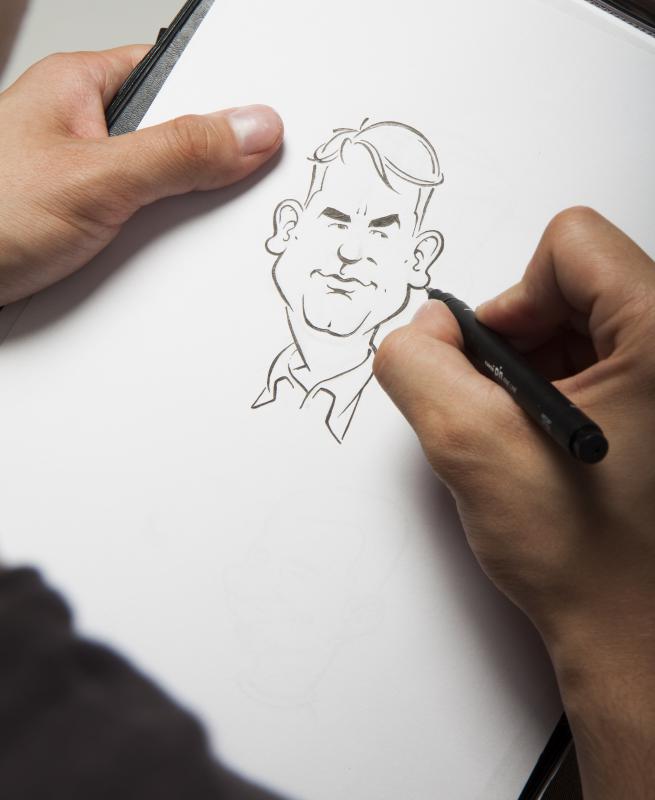
![Bristol board is a stiff, strong, and heavy paper that is available in varying weights, that is used primarily for drawing and illustration.]() By: wojost11Bristol board is a stiff, strong, and heavy paper that is available in varying weights, that is used primarily for drawing and illustration.
By: wojost11Bristol board is a stiff, strong, and heavy paper that is available in varying weights, that is used primarily for drawing and illustration. -
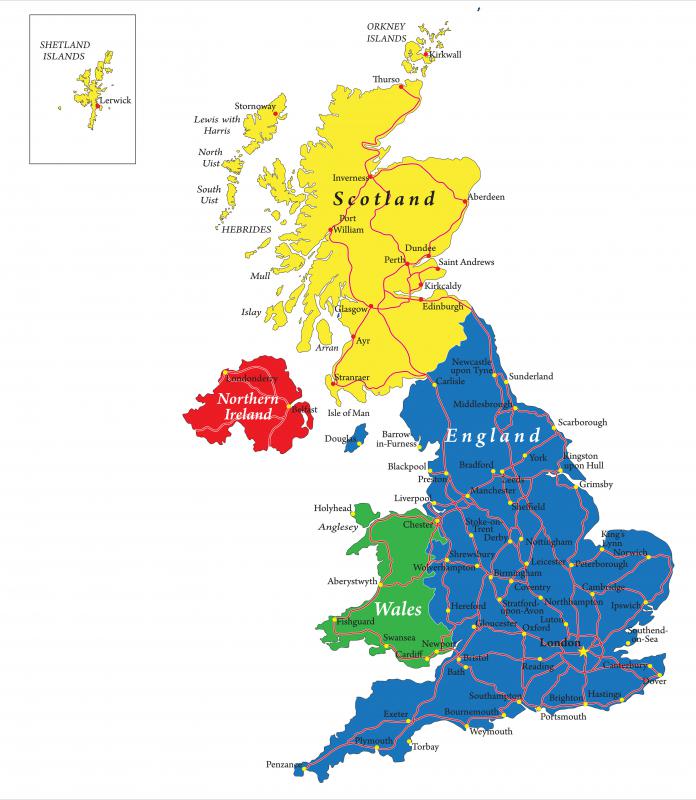
![Bristol board was originally produced in Bristol, in southwestern England.]() By: bogdanserbanBristol board was originally produced in Bristol, in southwestern England.
By: bogdanserbanBristol board was originally produced in Bristol, in southwestern England.
Discussion Comments
I remember having to buy this kind of illustration board in college. I used everything from pastels to charcoal on it, and I was impressed by how well it held up to all the erasing and smudging I had to do.
@anon69253, acid free would certainly be better for watercolours than the other form. It should work well, possibly even as well as watercolour paper.
I live in Venezuela S.A. and we cannot purchase here hot press watercolour paper. I am able to buy 400gms. acid free bristol board. Can it be used for watercolours?
Post your comments