
At TheHealthBoard, we're committed to delivering accurate, trustworthy information. Our expert-authored content is rigorously fact-checked and sourced from credible authorities. Discover how we uphold the highest standards in providing you with reliable knowledge.
What is Brisk Walking?
Brisk walking, sometimes also referred to as speed walking, is a type of exercise where a person walks quickly in order to increase the heart rate and get in shape. It can be a great way to lose weight and increase physical fitness, and is very easy to do. There are many benefits to incorporating such an exercise routine into everyday life.
Speed walking can be a great exercise for people of all ages. There are a few different ways for individuals to tell if they are walking quickly enough for physical benefits; these are perceived exertion, heart rate, and a measure of distance versus time. The perceived exertion when walking briskly should cause the walker to begin to sweat and to breathe slightly more heavily, but he or she should still be able to talk easily.

When measuring heart rate, the target heart rate for aerobic exercise should be between 60% and 85% of the person's maximum heart rate, which is 220 minus the person's age. So, a 25-year-old's maximum heart rate would be 195, and 60% to 85% of that is between about 117 and 160 beats per minute. Keeping the heart rate in the target heart rate zone is not only safer, particularly if one has not been exercising for a while, but it delivers the best fitness benefits.

Finally, brisk walking can be determined by the amount of time it takes to walk a specific distance, such as a mile (1.6 km). A walker can measure the amount of time it takes the first time exercising, and try to set goals to decrease that time. Alternately, he or she can try to increase the distance walked at regular intervals, while keeping the pace the same. People should be sure to select good walking shoes when starting a new exercise routine.

Walking shoes should be supportive, with a thick, cushioned heel and a flexible midsole. Mesh vents on the top of the shoe can make them more comfortable on hot days. It is important that the shoes fit tightly — the feet should not slide back and forth in the shoes or roll to one side or the other, which is known as pronation.
In addition, walkers should remember to stay hydrated when walking, and to wear reflectors if walking along the road at night. Brisk walking can be done outdoors or on a treadmill. It is a good idea for the walker to try to keep a steady pace the entire time he or she is walking in order to keep the heart rate up and receive the most aerobic benefits. Some people incorporate walking interspersed with periods of jogging in order to get a more challenging workout as well.
AS FEATURED ON:
AS FEATURED ON:


-
![Brisk walking is recommended for the elderly.]()
Brisk walking is recommended for the elderly. -
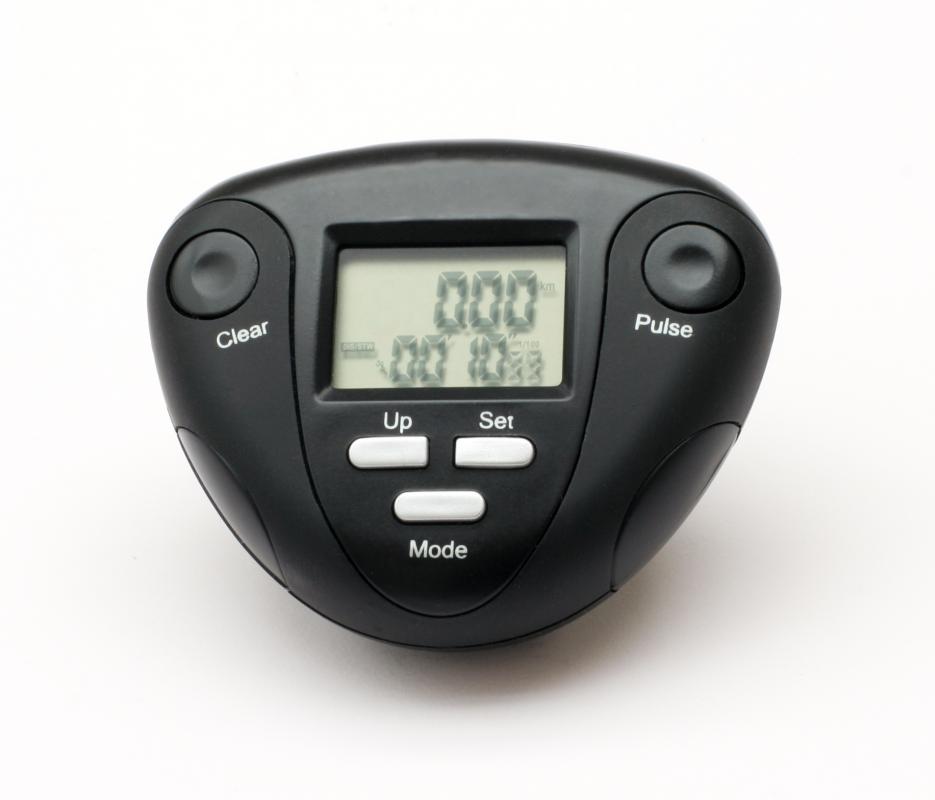
![A pedometer for walking.]() By: soundsnapsA pedometer for walking.
By: soundsnapsA pedometer for walking. -
![A sturdy sneaker is recommended for speed walking.]() By: Syda ProductionsA sturdy sneaker is recommended for speed walking.
By: Syda ProductionsA sturdy sneaker is recommended for speed walking. -
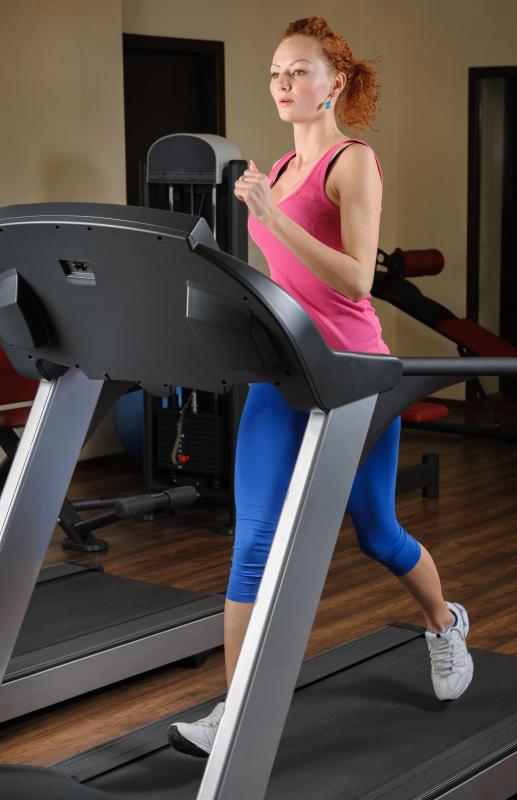
![Brisk walking can be done on a treadmill.]() By: starushBrisk walking can be done on a treadmill.
By: starushBrisk walking can be done on a treadmill. -
![Walkers should remember to stay hydrated during their workouts.]() By: Subbotina AnnaWalkers should remember to stay hydrated during their workouts.
By: Subbotina AnnaWalkers should remember to stay hydrated during their workouts. -
![Brisk walking might be interspersed with periods of jogging.]() By: DeklofenakBrisk walking might be interspersed with periods of jogging.
By: DeklofenakBrisk walking might be interspersed with periods of jogging. -
![Some people enjoy brisk walking around a mall to stay in shape.]() By: Photocreo BednarekSome people enjoy brisk walking around a mall to stay in shape.
By: Photocreo BednarekSome people enjoy brisk walking around a mall to stay in shape. -
![Some people choose to speed walk as a group.]() By: michaeljungSome people choose to speed walk as a group.
By: michaeljungSome people choose to speed walk as a group.






Discussion Comments
I stared doing brisk walking to exercise my calories away last year, but I made the mistake of wearing flip-flops. My feet became very sore, and I could not walk very far because of the strain the shoes placed on my feet and toes.
I got a nice pair of walking sandals with straps and a suede lining for summer walking, and this made such a difference. I was comfortable, cool, and my feet could hold out for a mile.
In cooler weather, I wear socks and sneakers. However, when it's warm out, I can walk longer if my feet can get air.
With sneakers, weight makes a difference. If you get really heavy shoes, it is harder to take long brisk walks than if you find a pair of lightweight sneakers. They should also have arch support that conforms to the shape of your feet well.
I hate to sweat, so I wait until the sun is about to set to do my brisk walking. This works fine in early fall and spring.
In the summer, I just have to swim instead of walk. It gets dangerously hot around here, and walking would make me pass out.
In winter, I can walk any time of day without sweating. As long as I still increase my heart rate, the sweat or lack of it doesn't matter. Sweat just means your body is hot, and if the air temperature around you is cool enough to prevent you from sweating, it doesn't mean you aren't walking briskly enough.
@sevenseas – Brisk walking also benefits your circulation. I work at a desk all day, so I take a brisk walk at lunch and another one after dinner to keep my legs from developing poor circulation.
Several of my coworkers who don't walk complain of numbness in their legs and feet. Some of them also have swelling there.
A brisk walk does more for you than just burn calories. It can lower your blood pressure and just make you feel better all over.
@ForMiles – I had no idea that the number of calories burned while walking was that low! This makes me think that in order to lose weight, I will have to do some other type of exercise in addition to walking briskly.
I've been trying to lose weight for months now, but I'm stuck at 130 pounds. I suppose I need to push myself harder.
Brisk walking has its benefits according to one report. For older people the chances of living longer are improved by faster walking. So the person walking 3 miles per hour has a much greater chance of a longer life, than a person walking 1 mile per hour.
I've read somewhere that you burn around 100 calories per mile, but that's the same for walking, running, jogging, whatever. So it doesn't really matter what your brisk walking speed is, but obviously, the faster you go, the quicker you burn.
How many calories does brisk walking burn? I really feel I should be getting more exercise, and now that the weather is brightening up, walking for exercise seems like a good idea.
Post your comments