
At DelightedCooking, we're committed to delivering accurate, trustworthy information. Our expert-authored content is rigorously fact-checked and sourced from credible authorities. Discover how we uphold the highest standards in providing you with reliable knowledge.
What is Bran?
 Tricia Christensen
Tricia Christensen
Tricia Christensen
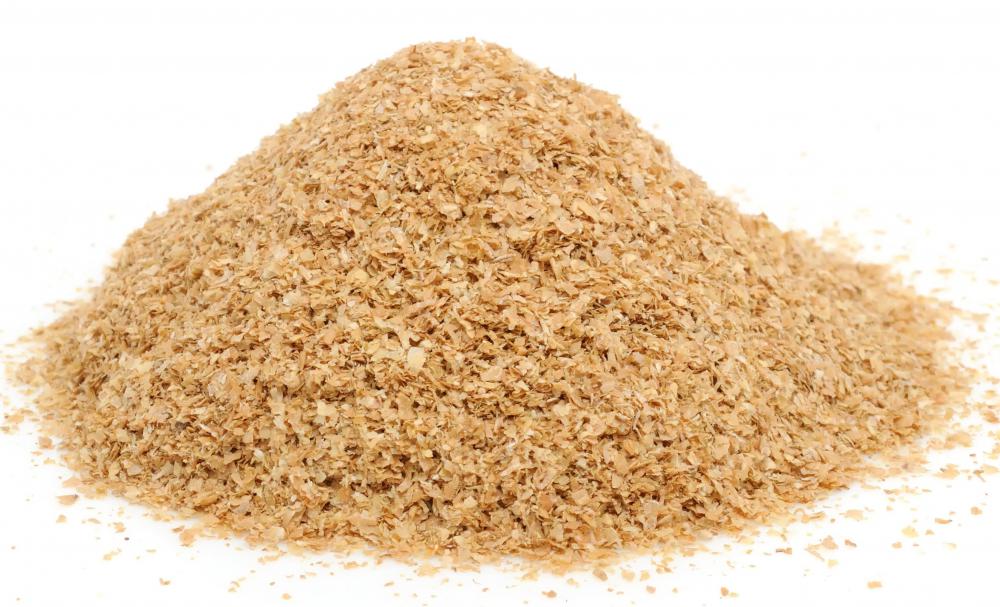
Bran is the outer layer of nearly any cereal grain, including rice, oats, wheat, and corn. Basically any “whole grain” has this layer, but most processed or refined grains don’t. It tends to be somewhat rough and often has a dry, nutty flavor; manufacturers often remove it to get a more streamlined, softer taste. So-called “stripped” grains are often easier to digest, too, though they usually contain fewer nutrients.
Basic Concept

Plants in the grain family typically grow as small “kernels” or pods that are made up of several layers. From a biological perspective these layers exist to feed and provide nutrition to the plant, and in most cases the grain kernels act like seeds that will go on to produce new plants if they aren’t harvested. The outermost layer of most grains typically contains the highest concentration of energy-sustaining nutrients like protein and B-vitamins, while deeper layers tend to be richer in sugars and other carbohydrates.

The dense outer layer contains a number of vital nutrients, but it is also usually somewhat tough since in addition to providing long-term energy to the plant it also protects the grain from things like storms or natural predators. It is usually water-resistant, and is often dense enough to pass through the digestive systems of birds and other animals unchanged.
Different Varieties

The word “bran” is often used in cooking as a somewhat general term for wheat casings. Wheat grains are some of the most commonly used in the culinary arts, since they are readily available in most places and tend to be inexpensive to grow and produce; wheat flour manufacturers are some of the best sources of isolated bran because unless they are making whole-grain flour, they are necessarily removing the denser outer layer of the grain before grinding it down.

Rice manufacturers also fall into this category. Brown rice is essentially a whole grain, and has all of its layers in tact. Making white rice, which is more popular than brown versions in many parts of the world, requires the removal of the rice bran. Millers can save that layer, though, and in many cases can re-sell it as a dietary supplement or ingredient, which makes the process more economical and reduces waste.

Almost every sort of grain has this tough outer layer. Oats and rice are good examples; corn, barley, and millet are other possibilities. Not all grains lend well to commercial separation of their layers, but this doesn’t mean that these different layers aren’t present.
How It’s Usually Used
Whole grains, which is to say grains with all of their layers in tact, are commonly used in breads and baked goods. It’s also possible to find bran separated out and used on its own. Companies who process and mill oats, wheat, and rice often save out the fibrous “shell” that’s removed during processing and may sell it as a product in its own right. Cooks often add this isolated outer layer to muffins, breads, or other foods as a way of fortifying them, making them slightly denser, or improving their nutritional content.
Tips for Cooking and Eating

Cooks can buy isolated bran in bulk in many places, and it usually comes as a sort of rough powder that is easy to add to baked goods, smoothies, or soups. A spoonful or two can add bulk and nutrition to a variety of dishes without dramatically altering the taste. In some cases, particularly where wheat is concerned, the grain casing has enough natural sweetness that cooks can actually reduce the overall sugar in a recipe, which can make the resulting food even more healthful.

Most whole grains, including brown rice and whole wheat flour, take slightly longer to cook than their more refined counterparts, and this rule extends to grain casings sold and used independently, too. The toughness of the outer layer sometimes also requires soaking before cooking in order to make the fibers soft enough to be digestible.
Health Properties
In addition to high protein and vitamin content, most grain casings also contain a lot of dietary fiber. This makes them something of a natural laxative, and they can promote intestinal health and regularity when eaten consistently over time. Most medical professionals discourage people from adding a lot of bran to their diet all at once, though, since too much fiber can cause problems like flatulence and cramping. Eating a fortified muffin is one thing; adding heaping spoonfuls of raw bran to breakfast cereal or pasta sauce is quite another. It is usually best to start slowly and to build fiber into the diet over time, and anyone with chronic intestinal problems should talk to a medical expert before trying any at-home remedies.
Some research has linked regular consumption with better overall health, including a lowered risk for cancer and some cardiovascular diseases. There isn’t a lot of evidence proving these benefits, but most medical professionals agree that eating whole grains in any form can improve overall health and nutrition.
Gluten and Special Dietary Concerns
People with gluten sensitivities or allergies have to avoid wheat and any other grains that contain the gluten protein, which is usually present in all parts of the grain kernel. Anyone with these sorts of sensitivities should be really careful to make sure that a product that simply lists “bran” as an ingredient doesn’t contain any wheat particles. Rice and corn casings are usually fine, but barley and others can be problematic.
Suitability for Pets and Livestock
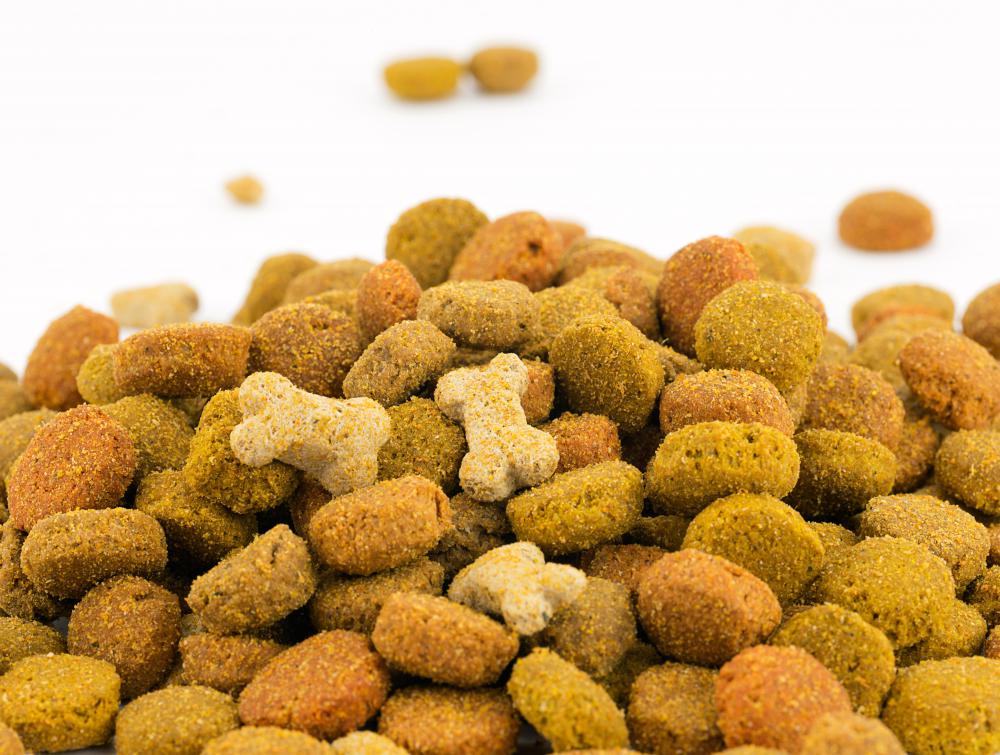
Discarded grain casings are also a popular addition to many commercial pet and livestock feeds. Rice casings in particular are commonly added to horse and cattle feed, often with the promise of added nutrition and improved digestive health. Wheat and corn particulates are a part of many dog foods, too. This can be an economical way for millers and manufacturers to make use of all parts of cereal grains, and is often healthier for animals than other more refined fillers.
Tricia Christensen
Tricia has a Literature degree from Sonoma State University and has been a frequent DelightedCooking contributor for many years. She is especially passionate about reading and writing, although her other interests include medicine, art, film, history, politics, ethics, and religion. Tricia lives in Northern California and is currently working on her first novel.
Learn more...
Tricia Christensen
Tricia has a Literature degree from Sonoma State University and has been a frequent DelightedCooking contributor for many years. She is especially passionate about reading and writing, although her other interests include medicine, art, film, history, politics, ethics, and religion. Tricia lives in Northern California and is currently working on her first novel.
Learn more...AS FEATURED ON:
AS FEATURED ON:


-
![Bran is high in fiber, healthy fats, vitamins, minerals, and protein.]() By: VidadyBran is high in fiber, healthy fats, vitamins, minerals, and protein.
By: VidadyBran is high in fiber, healthy fats, vitamins, minerals, and protein. -
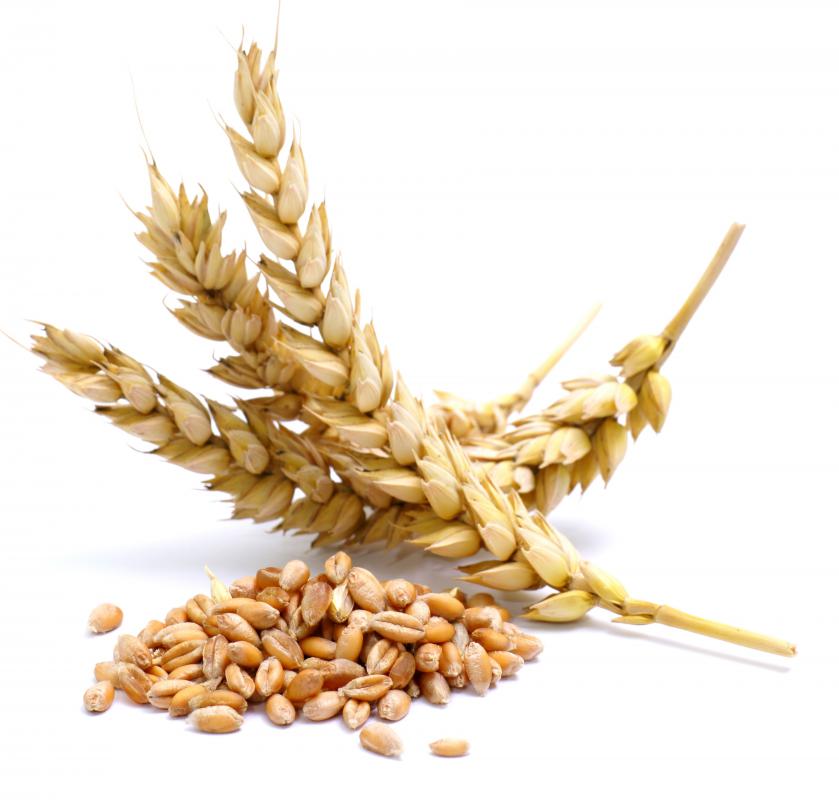
![Bran is the outer layer of grains, like wheat.]()
Bran is the outer layer of grains, like wheat. -
![Corn on the cob can provide bran.]() By: rimglowCorn on the cob can provide bran.
By: rimglowCorn on the cob can provide bran. -
![Whole oats, including the bran.]() By: Popova OlgaWhole oats, including the bran.
By: Popova OlgaWhole oats, including the bran. -
![Dog foods often contain corn and wheat particulates.]() By: ppi09Dog foods often contain corn and wheat particulates.
By: ppi09Dog foods often contain corn and wheat particulates. -
![A healthy green breakfast smoothie may feature bran in addition to kale and other nutritious green vegetables.]() By: Johan LarsonA healthy green breakfast smoothie may feature bran in addition to kale and other nutritious green vegetables.
By: Johan LarsonA healthy green breakfast smoothie may feature bran in addition to kale and other nutritious green vegetables. -
![Wheat bran is extremely high in fiber and can be blended into a banana-orange or other fruit smoothie.]() By: Tyler OlsonWheat bran is extremely high in fiber and can be blended into a banana-orange or other fruit smoothie.
By: Tyler OlsonWheat bran is extremely high in fiber and can be blended into a banana-orange or other fruit smoothie.




Discussion Comments
Why not ferment the bran to eliminate the allergens and make the bran more digestible by emulsifying with an antioxidant, and include the bran and oil in a food formula?
To everyone asking about bran being g-free:
Celiac is an intolerance to stuff in wheat, barley and rye. Oats don't really fall under that category and therefore affect all celiacs differently.
You just have to try oats and see if your body can tolerate them or not. Furthermore, oats are often processed in the same areas as wheat, so there is possible contamination. Hope this helps.
Stay away from grain products for dogs. Add bulk by adding in vegetable gratings like carrots, zucchini, the broccoli stalks and add beef bouillon cube. All that bulk after you make a vegetable juice is great, before you put through celery and tomato though (they don't like c & T).
where can bran be bought in uk to be used to bake muffins?
Bran is not good for iron-deficient patients. How far is this true?
Hi, how long does bran and oatbran last on a shelf once it's been opened? Thank you
My fatherinlaw has celiac disease. Is bran gluten free?
hello. I have celiac diease. can I have unprocessed bran?
So, is the bran which is the outer layer of the wheat gluten free or not?
Thank you, Kathy
I am a ceoliac. However my daughter has problems with bran only.
Does this mean an intolerance to wheat, not ceoliac?
Gluten is found in wheat. Try rice flour or soy.
I have a puppy with a gluten allergy. I'm making my own dog food with meat and pulses but need some bulk to add to the biscuits I'm making. Is bran gluten free?
Post your comments