
At AllThingsNature, we're committed to delivering accurate, trustworthy information. Our expert-authored content is rigorously fact-checked and sourced from credible authorities. Discover how we uphold the highest standards in providing you with reliable knowledge.
What is Brackish Water?
 Mary McMahon
Mary McMahon
Mary McMahon
Brackish or brack water is water with a level of salinity between freshwater and seawater. In many places around the world, brackish water appears naturally, and it forms an important habitat for some unique animal species. It can cause environmental damage, however, since it is harmful for organisms that have not adapted to it. This becomes an issue when such water is deliberately cultivated, as is done in some regions to farm desirable food fish. It is also unpleasant to drink, and it may cause health problems.
The term "brackish" was first used to describe portions of the potable water table that had been contaminated by salt water in the 1500s. The mixing of salt and fresh created mildly salty water that was not as salty as seawater, but still distasteful. Many people also noted that the water was harmful, due to unique microorganisms that cause human illness that thrive in it.

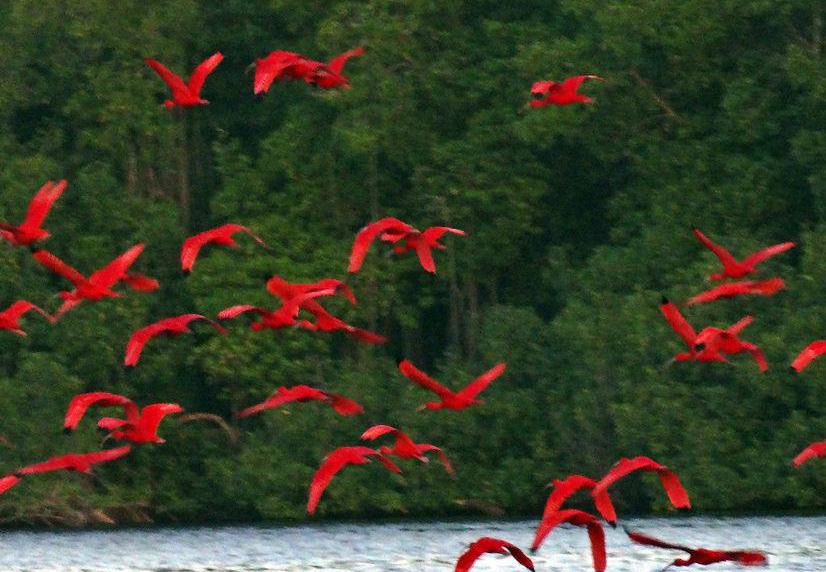
In nature, estuaries are a common site of brackish water. An estuary is a location where salt and fresh water mix, typically around the opening of a river. The estuary environment is quite distinctive, as it bridges oceans and rivers, hosting unique fish, plants, and animals. When the balance of an estuary is disrupted, it can be serious for the animals that call the area home. Many anadramous fishes appreciate estuaries, because the slow change in salinity allows the fish to accustom themselves.

Mangrove swamps are also classically brackish. Many mangroves are located along shorelines, so there is a transitional area of saltiness that ebbs and flows with the tide. Many fish breed in such swamps, and unique plants call these regions home. In some regions, mangroves are an important buffer zone between the ocean and the land, protecting the land from storm surge as a result of hurricanes and tsunamis.

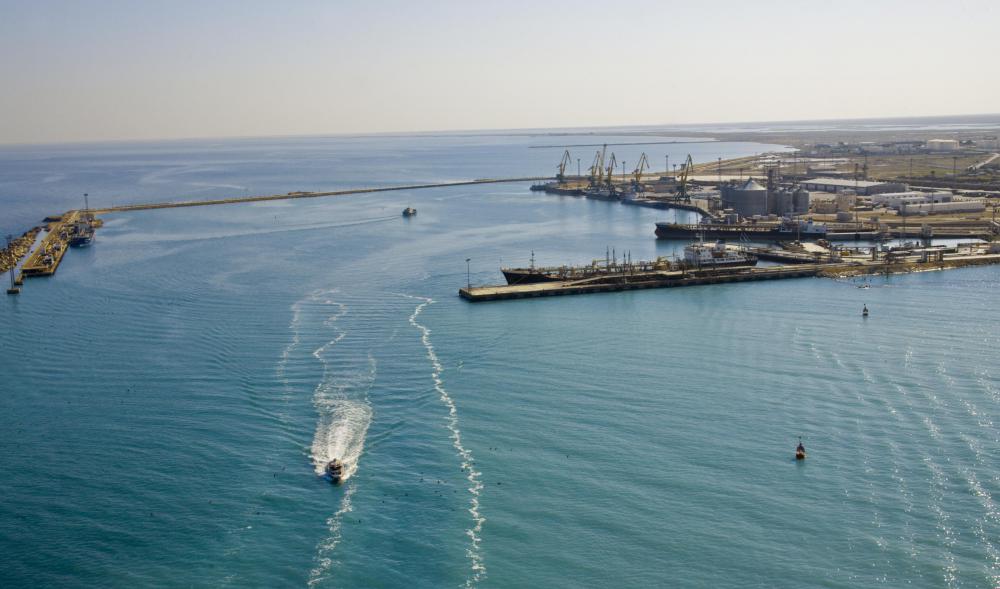
Semi-salty water can also be found in some inland lakes and seas, such as the Caspian Sea. The salinity in these lakes and seas may vary, depending on water flow and time of year, and they often host a range of unique animals and plants. It is not uncommon to see stratification in these bodies of water, with cold salt water on the bottom and warmer fresh or brackish water on the top. Each layer hosts different animals, and disruption of the layers can have unfortunate results for the local ecology.
Frequently Asked Questions
What exactly is brackish water?

Brackish water is a blend of fresh and saltwater, typically found where rivers meet the sea. It has a higher salinity than freshwater but is less saline than seawater, generally measuring between 0.5 to 30 grams of salt per liter. This unique mix creates distinct ecosystems, often rich in biodiversity.
Where can you find brackish water environments?
Brackish water habitats are commonly found in estuaries, mangroves, and coastal wetlands. They can also occur in some lakes and streams where freshwater mixes with salty ocean water. These transitional zones are crucial for many species that rely on the brackish conditions for breeding and feeding.
Why is brackish water important for ecosystems?
Brackish water ecosystems, such as estuaries, are among the most productive on Earth, supporting a wealth of wildlife. They serve as nurseries for many marine species, provide feeding grounds for migratory birds, and act as filters for pollutants, improving water quality before it reaches the ocean, according to the National Oceanic and Atmospheric Administration.
What kind of species thrive in brackish water?
Species adapted to the fluctuating salinity of brackish water include certain fish like the molly, killifish, and some species of sturgeon. Many crustaceans, such as blue crabs, and plants like mangroves and cordgrass, also thrive in these conditions, having evolved special physiological mechanisms to cope with the changing environment.
How does brackish water affect water quality and treatment?
Brackish water poses challenges for drinking water treatment due to its variable salinity. Treatment processes must be adaptable to remove the higher salt content compared to freshwater. Desalination techniques, such as reverse osmosis, are often employed to make brackish water potable, as reported by the United States Geological Survey.
Can brackish water be used for agriculture?
While brackish water is not typically ideal for traditional agriculture due to its salt content, it can be used to cultivate salt-tolerant crops, known as halophytes. Innovations in agricultural practices are exploring the use of brackish water for irrigation in areas where freshwater resources are scarce, expanding the potential for sustainable agriculture in arid regions.
Mary McMahon
Ever since she began contributing to the site several years ago, Mary has embraced the exciting challenge of being a AllThingsNature researcher and writer. Mary has a liberal arts degree from Goddard College and spends her free time reading, cooking, and exploring the great outdoors.
Learn more...
Mary McMahon
Ever since she began contributing to the site several years ago, Mary has embraced the exciting challenge of being a AllThingsNature researcher and writer. Mary has a liberal arts degree from Goddard College and spends her free time reading, cooking, and exploring the great outdoors.
Learn more...AS FEATURED ON:
AS FEATURED ON:









-
![Mangrove swamps often sprout in brackish waters.]() By: CmonMangrove swamps often sprout in brackish waters.
By: CmonMangrove swamps often sprout in brackish waters. -
![Many creatures, such as the Florida manatee, have adapted to brackish environments.]() By: NICOLAS LARENTOMany creatures, such as the Florida manatee, have adapted to brackish environments.
By: NICOLAS LARENTOMany creatures, such as the Florida manatee, have adapted to brackish environments. -
![Brackish water can be found in some inland lakes, such as the Caspian Sea.]() By: Anatoly UstinenkoBrackish water can be found in some inland lakes, such as the Caspian Sea.
By: Anatoly UstinenkoBrackish water can be found in some inland lakes, such as the Caspian Sea. -
![Scarlet ibises may be found along estuaries, a common site of brackish water.]()
Scarlet ibises may be found along estuaries, a common site of brackish water.


Discussion Comments
Brackish water zone is very important in an ecosystem as a practice session before freshwater fish hit seawater, and as excellent spawning grounds and a safe habitat for young fishes.
I did not know that brackish water had any benefits, because there are a lot of drawbacks, such as people who are accustomed to drinking fresh, clean water can not drink brackish water. Also it is kind of a waste of fresh water because brackish water is not used much, and the fresh water in the mix is contaminated by the salt water. The world does not have much fresh water.
I have heard of some people in Hawaii using a seaweed found in brackish ponds as fertilizer for their vegetable gardens. However, they do rinse it with fresh water to remove any salts from the brackish water.
Many people decide to try a brackish water aquarium before switching to salt water. There are many fish who live in brackish water and would be best suited to a brackish aquarium. Some varieties are the Black Sailfin Molly, Bumble Bee Goby, Dalmation Molly, Columbian Shark. There are several others. The salinity and p.h. of the brackish water must be in a speicific range for these fish to survive. Although this would be a beautiful tank to have it would be very difficult to maintain.
How does the diamondback terrapin survive in brackish water?
Post your comments