
At DelightedCooking, we're committed to delivering accurate, trustworthy information. Our expert-authored content is rigorously fact-checked and sourced from credible authorities. Discover how we uphold the highest standards in providing you with reliable knowledge.
What is Bison Meat?
Bison meat is another name for buffalo meat. While bison is technically correct, the two names are used interchangeably to denote a large, four-legged, horned animal, usually brown in color, and similar to an ox or a cow. These animals have shaggy hair that forms a mane on their neck and a hump on their shoulders. Like a cow, they eat grass, leaves, and shrubs. Then they regurgitate what they have swallowed — called a cud — and chew it, which classifies them as a ruminant.
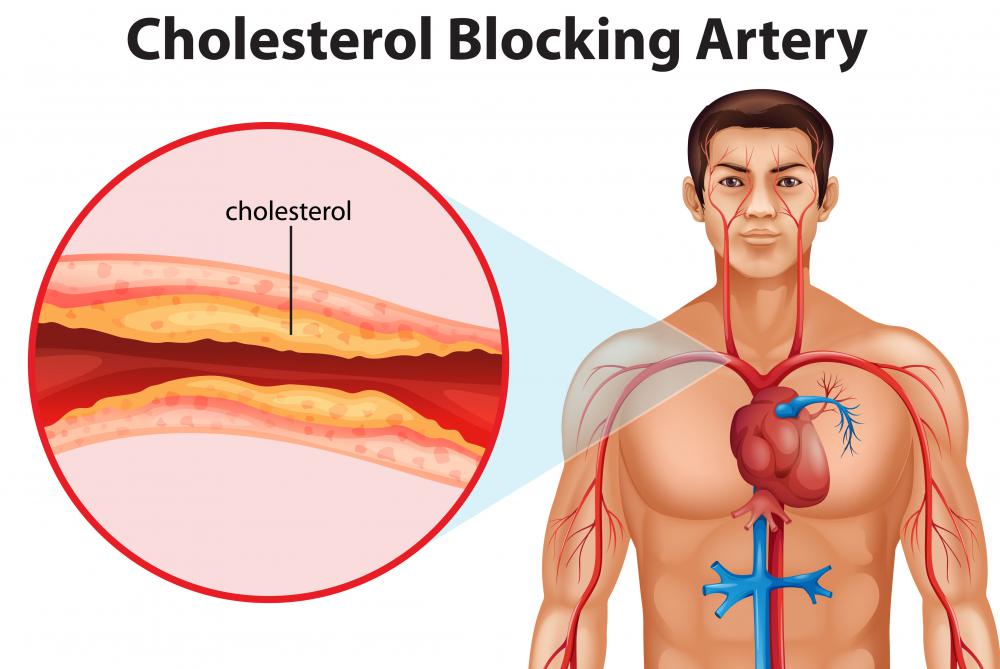
Meat from the buffalo is very lean and has become popular in supermarkets. It contains far fewer calories and cholesterol than either beef or chicken. Bison contains 2.42 grams fat, 143 calories, and 82 mg of cholesterol per 100 grams of cooked meat. By comparison, beef has 9.28 g fat, 211 calories, and 86 g cholesterol. Skinless chicken contains 7.41 g fat, 190 calories, and 89 mg of cholesterol.

French explorers arriving in America in the 17th century discovered huge herds of the animals that covered the plains as far as the eye could see. The French dubbed them "les bouefs" meaning oxen. The pronunciation grew distorted when the English arrived and eventually corrupted into buffalo.
Bison are quite large and very strong. Adult males, known as bulls, can reach 2,000 pounds (900 kg), and females, known as cows, up to 1,100 pounds (500 kg). Despite their size, they can run at speeds of 30 miles an hour (50 kilometers per hour). The calves usually weigh 25 to 30 pounds (11 to 13 kilograms) at birth and are up and ready to run with their mothers within an hour or so. Within six months, females will reach 350 lbs (160 kg), and males, 425 lbs (190 kg). They are usually weaned at six months of age.
Females will breed for the first time at around the age of two; gestation requires 9.5 months. Females usually live 20 to 25 years and can have a calf a year. Twins are very rare. Cows usually calve from mid-April through June.

Buffalo have coarse guard hairs and soft, woolly undercoats that enable them to withstand the coldest winters. When they sense danger, they will form a circle with cows and calves at the center, bulls on the outside. While these animals can be trained, they are not domesticated animals and should never be treated as such. It is always best to treat them with caution.
Hunted almost to extinction for their hides in the 1800s, bison have made a comeback. There are almost 400,000 in North America today. Yellowstone Park supports 3,500 bison, making it home to the world's largest free-roaming population.

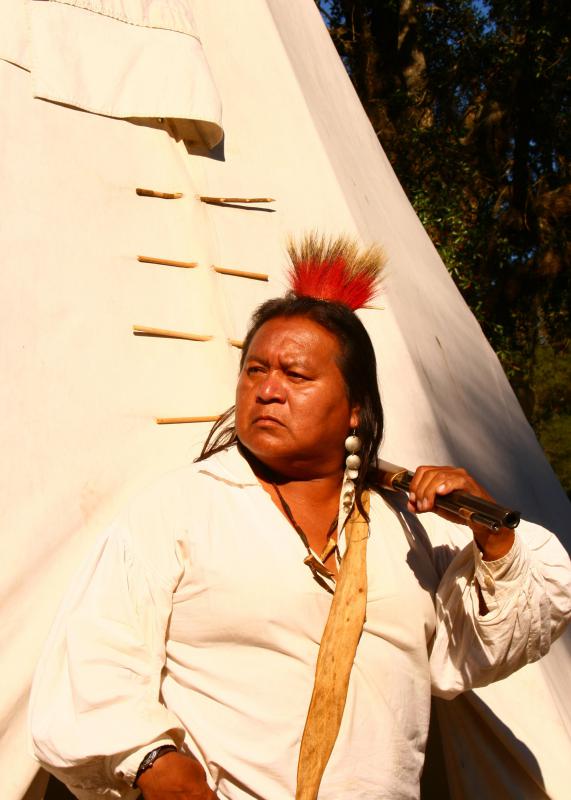
Because they supplied so much to Native American tribes, including food, shelter, utensils, and clothing, bison have long been an important part of Native American culture. They also appear in many of their creation myths and are an important part of Native mythology. Today, many tribes raise these animals and sell bison meat as a money-making venture.

Native American prophecy says that the birth of a white buffalo will herald a new era of peace and prosperity in the world. One pure white calf was born in Wisconsin in 1994. The first of her kind for generations, she was named "Miracle." She has since turned brown.
AS FEATURED ON:
AS FEATURED ON:


-
![Bison meat.]() By: Giovanni BurliniBison meat.
By: Giovanni BurliniBison meat. -
![Meat from a bison is quite lean and has become popular in super markets.]() By: Jeffrey BankeMeat from a bison is quite lean and has become popular in super markets.
By: Jeffrey BankeMeat from a bison is quite lean and has become popular in super markets. -
![Bison have long been important to Native American culture, as they provide food, shelter, and clothing.]() By: namwar69Bison have long been important to Native American culture, as they provide food, shelter, and clothing.
By: namwar69Bison have long been important to Native American culture, as they provide food, shelter, and clothing. -
![Bison meat contains far fewer calories and cholesterol than beef or chicken.]() By: blueringmediaBison meat contains far fewer calories and cholesterol than beef or chicken.
By: blueringmediaBison meat contains far fewer calories and cholesterol than beef or chicken. -
![Some people may prefer to make a cheeseburger using bison meat.]() By: PhotoEdSome people may prefer to make a cheeseburger using bison meat.
By: PhotoEdSome people may prefer to make a cheeseburger using bison meat.



Discussion Comments
Actually anon100122, you are wrong. Bison is significantly better for you than any kind of beef or chicken. Do your research.
I have never tasted buffalo meat, but have tried elk meat and really like the taste of that as compared to beef. Does bison meat have a gamey taste to it? I don't like venison because it has much too strong of a game taste for me. Where is the best place to buy bison meat? I haven't seen any at the supermarket where I regularly shop.
I prefer lean types of meat and try to avoid buying my meat at the store. I have an uncle who raises his own grass fed beef, and there is a big difference in this meat as compared to what you would generally purchase at the supermarket.
I have also cooked with bison meat and enjoy it as well. If you cook ground bison meat in a skillet, there is no fat to drain off like there is with ground beef. I was also surprised at how much difference there is between the amount of fat and calories as compared to beef. It sounds like I should make an effort to add this to my diet on a regular basis.
Reading this article reminded me of just how much the Native Americans relied on buffalo for so many things. As far as meat is concerned, I would think that one buffalo would sure provide a lot of meat.
It is interesting to me that the benefits of bison meat are now being touted by so many others. Apparently this is something the Indians knew about all along.
I have traveled through Yellowstone and have seen herds of buffalo roaming around. When you get up close to them, you realize just how big they are. I don't know how safe I would feel if I ran into one when I was on foot. I just observed them as we drove by in the car.
@anon121221 -- That might be a question for your vet. I don't know how bison meat might affect a dog -- especially if you know they are allergic to beef.
I have only tasted bison meat one time, and honestly couldn't tell the difference. This was mixed in with spaghetti, so I am sure the sauce made a difference as well.
If my dog is allergic to beef, will he be allergic to bison?
The fat amounts described above are wrong. Depending on your source, bison meat has the same or slightly more fat than chicken. Additionally, the fat content of beef varies depending on what kind you buy. 95 percent ground beef isn't that much different from bison. Of course people saying how amazing bison is will use the 70 percent or 80 percent numbers, which are worse. Investigate claims made by people pushing a particular product. Overall, bison is generally better, but not as much as they'd have you believe.
Does bison meat affect gout the way beef does?
What is the purine content of bison?
Post your comments