
At WiseGEEK, we're committed to delivering accurate, trustworthy information. Our expert-authored content is rigorously fact-checked and sourced from credible authorities. Discover how we uphold the highest standards in providing you with reliable knowledge.
What is Bilirubin?
 Mary McMahon
Mary McMahon
Mary McMahon
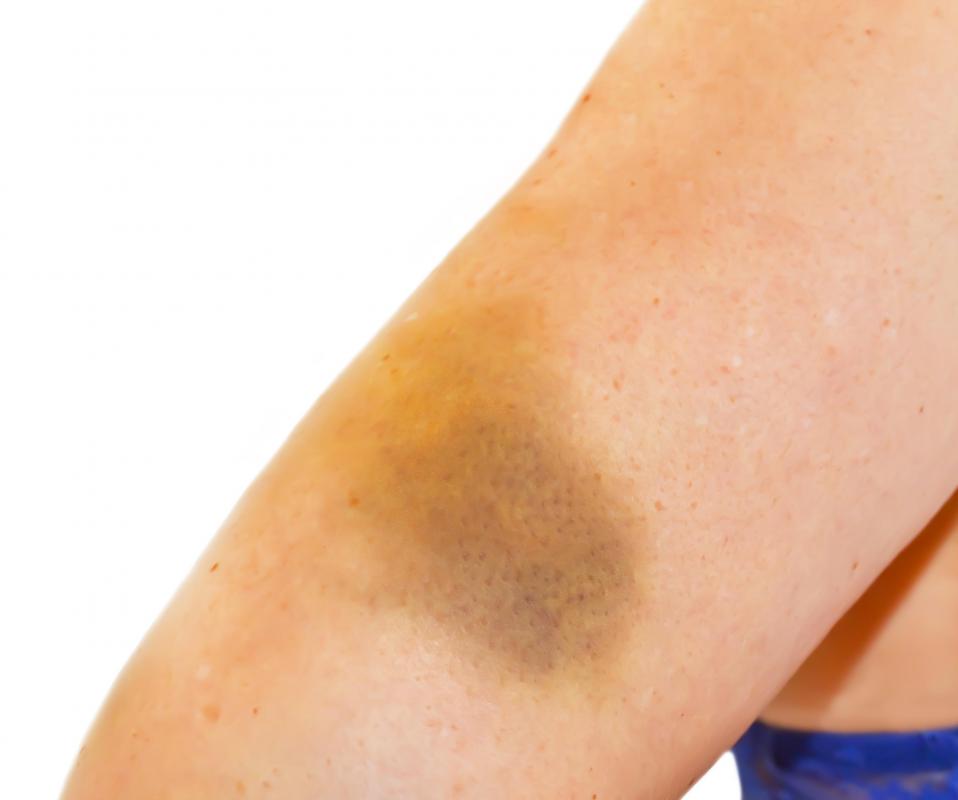
Bilirubin is a reddish-yellow pigment found in bile that is responsible for the distinctive yellow color that tints the skin and eyes of patients with jaundice. It also turns up around bruises, creating the distinctive yellowish shade often associated with a healing bruise. Levels of this pigment can be assessed with a blood test, and they may be checked as part of a workup if a medical professional suspects that a patient is having a problem processing or eliminating it.
This pigment is produced during the breakdown of heme, a component of red blood cells. Initially, the compound is in a state known as “unconjugated” or “indirect.” The unconjugated form of the compound is not water soluble, and it binds to albumin so that it can travel through the body to the liver, where it is treated with an enzyme that turns it into conjugated or direct bilirubin. In this water soluble phase, the pigment moves into the bile.

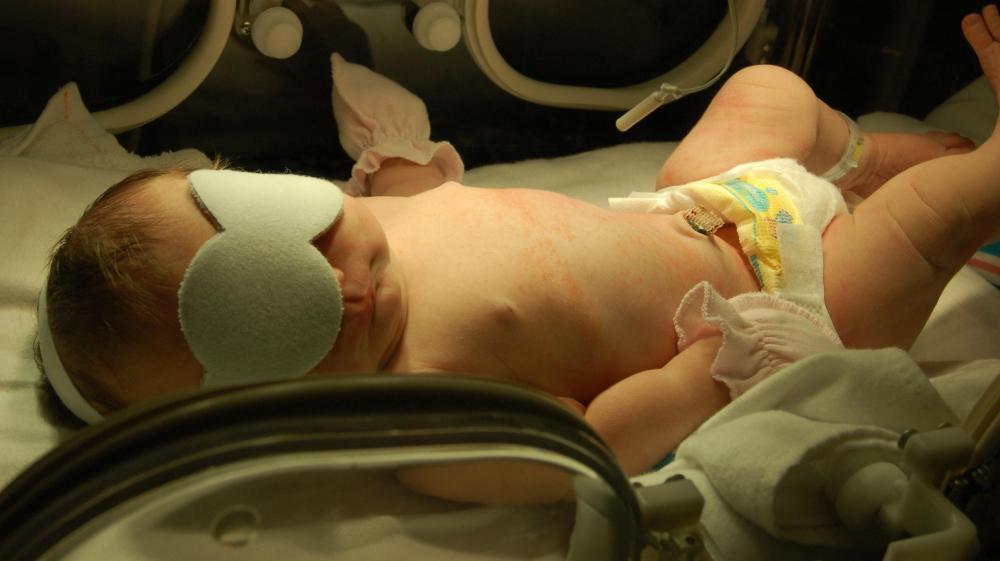
The body normally expresses bilirubin through the urine and stool, keeping levels in the body relatively stable. If the body cannot process the compound, however, the unconjugated form can start to build up. This situation can be very serious for newborns, as the pigment can damage developing brain cells, leading to neurological problems. Buildups can also result in the development of jaundice.

A number of problems can interfere with the processing of the pigment. The body may lack enzymes that are used to create the conjugated form, allowing unconjugated levels to increase. Damage or disease in the liver can also interfere with the liver's ability to process the pigment; the impaired organ may not be able to work quickly enough to keep up with the body's production of the compound. There can also be problems with the expression of bilirubin, allowing levels of conjugated pigment to build up.

A blood test will provide information about levels of direct and indirect forms in the body. The test usually provides a normal range for reference, and levels of other compounds in the blood may be examined as well. Depending on which type is elevated and the level of elevation, a healthcare professional can start to explore the causes for a patient's malaise, and develop treatment options. If levels are dangerously high, emergency treatment may be used to remove excess pigment in the blood and bring the body back to a more normal level, with the medical professional then developing a treatment plan to avoid a recurrence of the problem.
Mary McMahon
Ever since she began contributing to the site several years ago, Mary has embraced the exciting challenge of being a WiseGEEK researcher and writer. Mary has a liberal arts degree from Goddard College and spends her free time reading, cooking, and exploring the great outdoors.
Learn more...
Mary McMahon
Ever since she began contributing to the site several years ago, Mary has embraced the exciting challenge of being a WiseGEEK researcher and writer. Mary has a liberal arts degree from Goddard College and spends her free time reading, cooking, and exploring the great outdoors.
Learn more...AS FEATURED ON:
AS FEATURED ON:









-
![Bilirubin gives bruises a yellowish color.]() By: Harald BiebelBilirubin gives bruises a yellowish color.
By: Harald BiebelBilirubin gives bruises a yellowish color. -
![Newborns with high bilirubin levels are treated before being released.]() By: Cindy MinearNewborns with high bilirubin levels are treated before being released.
By: Cindy MinearNewborns with high bilirubin levels are treated before being released. -
![Bilirubin is a natural byproduct of the body's effort to reuse red blood cells.]() By: Dmitry SunagatovBilirubin is a natural byproduct of the body's effort to reuse red blood cells.
By: Dmitry SunagatovBilirubin is a natural byproduct of the body's effort to reuse red blood cells. -
![Blood tests may be performed to check bilirubin levels.]() By: Von SchonertagenBlood tests may be performed to check bilirubin levels.
By: Von SchonertagenBlood tests may be performed to check bilirubin levels. -
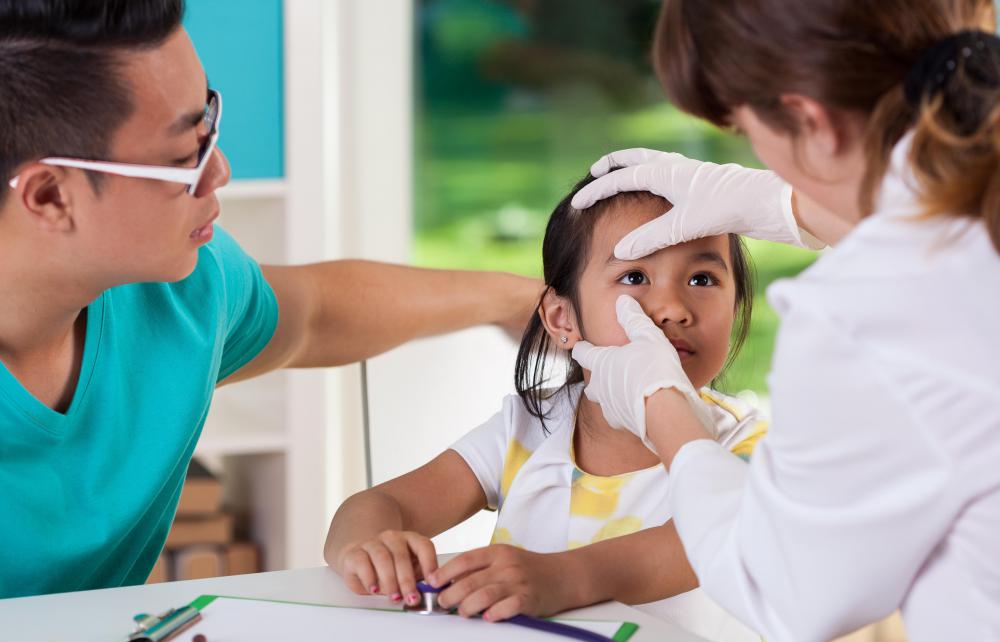
![A person suffering from jaundice may experience a yellowing of the whites of the eyes.]() By: Photographee.euA person suffering from jaundice may experience a yellowing of the whites of the eyes.
By: Photographee.euA person suffering from jaundice may experience a yellowing of the whites of the eyes.


Discussion Comments
@blackDagger – That is very true – adults can get jaundice quite easily as well. And with adults it can indicate something serious is going on, particularly if they take a lot of medicine.
My aunt was diagnosed with cirrhosis of the liver and hepatitis after she developed a case of jaundice that just would not ease up. Now this was a lady who had probably never been drunk in her life, but certainly was not a regular drinker to say the least.
The culprit – a medication she had been on long term (I can’t remember what it was) mixed too often with acetaphetamine.
I know this sounds crazy, but it’s true. Because she wasn’t a drinker, she probably would not have found out for some time that she had these two problems if she hadn’t had bilirubin that was high.
Babies are not the only folks who can have high bilirubin levels! My dad developed jaundice after he had a surgery not too terribly long ago.
Although it still wasn’t a huge concern, the doctor’s did seem a little more worried about it than they did when my newborn son got it.
I think this might have been because they were afraid something was going on with his liver - maybe some sort of side effect to medications he was taking. However, tests showed that his liver was fine and the jaundice did eventually go away.
My daughter developed jaundice not long after she was born. Apparently, increased bilirubin in newborns is very common.
We called the pediatrician, and they said that putting her in sunlight would help along with regular nursing.
Now, they didn’t suggest stripping her naked and putting her in the hot summer sun to bake. But we did take her little diaper off and rock her in front of our glass front door.
It was actually kind of nice – although I think I might have gotten peed on a time or too. (As any mom can tell you, a little pee never hurt anybody anyway.)
We also let her lay under a little lamp that wasn’t too hot, but that would expose her to at least a small amount of light at night. Within a couple of days she was just fine!
@EdRick - First, congratulations on your new baby! Second, she almost certainly does not need a bottle of formula, and giving her one could make it much harder for her to learn to breastfeed.
Jaundice is totally normal in newborns and it is rarely dangerous. Newborns have high bilirubin because their livers are just getting started processing it. Jaundice clears up faster as the baby gets more fluid and pees and poops, so the best thing you can do is encourage your wife to breastfeed often (while you change diapers, start some laundry, etc.). Rarely, though, it can be serious, so you might want to check in with your pediatrician if your baby seems more than slightly yellow.
My five-day-old baby is looking jaundiced. Does this mean she has high bilirubin? Should I be worried? The article mentions neurological damage? My wife is breastfeeding our baby. She says that everything will be fine, but I wonder if the baby should have a bottle of formula. Doesn't that help with jaundice?
Post your comments