
At HomeQuestionsAnswered, we're committed to delivering accurate, trustworthy information. Our expert-authored content is rigorously fact-checked and sourced from credible authorities. Discover how we uphold the highest standards in providing you with reliable knowledge.
What Is Bermuda Grass?
 Tricia Christensen
Tricia Christensen
Tricia Christensen
Bermuda grass (Cynodon dactylon) is a grass native to the African Savannah. It survives well in dry conditions, though the top may die off in droughts. Since it spreads easily, it is a good grass choice for dry areas where it can be watered. This grass is best grown in conditions where rainfall is heavy, however, which will keep the leaves moist and green with purple tips.
In the US, Bermuda grass was first introduced from plantings in Bermuda, and it became popular for lawns in the Southeastern US. It prospers well in most Southeastern states, but Floridians may have difficulty growing it since it is susceptible to a pest called the sting nematode.
This grass quickly recovers from damage, such as cutting, and it also tends to grown well in poor soil. When fires in the African Savanna destroy Bermuda grass, it recovers quickly, and is usually the first grass to grow back.

The long roots can make this grass very difficult to destroy without the applications of herbicides. As a result, when it invades other grasses, it can quickly become an unmanageable weed and can be the bane of people who wish lawns of a different type of grass. It also can disrupt the production of certain low growing fruits and vegetables, like strawberries and summer squash.
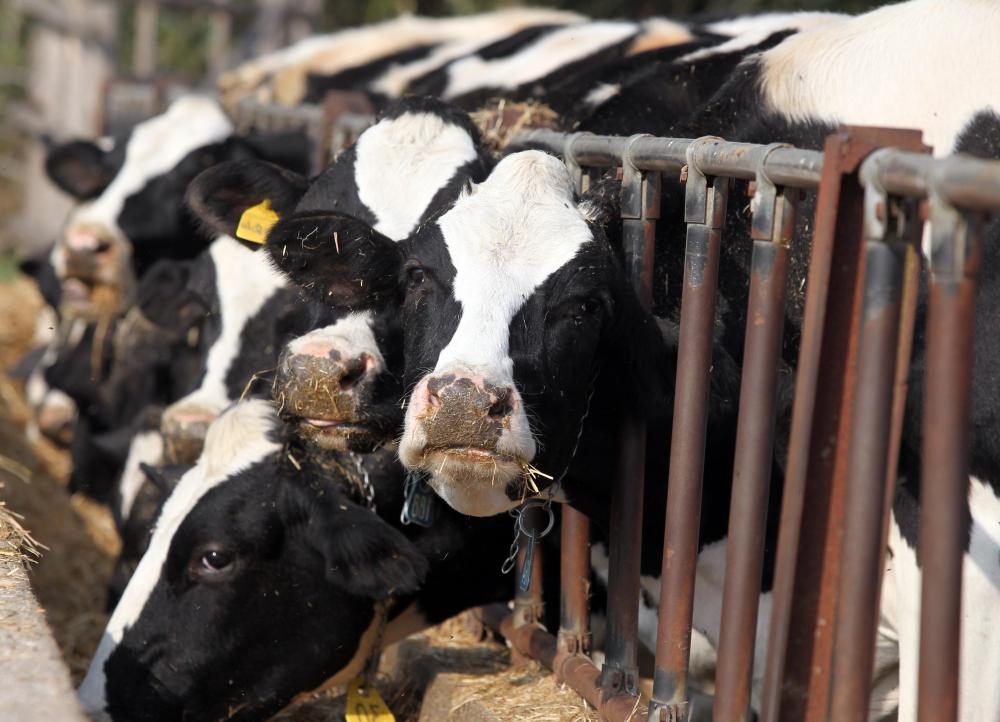
Fortunately, it has helpful applications in the world of farming and animal husbandry. It makes excellent grass for cattle and it also can help stem land erosion from excess rains or over-watering.
Bermuda grass also has ancient significance. It was the chosen grass used to feed the sacred cows of India. The Ancient Romans used liquid derived from the stems as a diuretic.
Modern homeopathy may include juice from Bermuda grass in mixes that are thought to reduce a person's sensitivity to allergies by including tiny amounts of known allergens. It is also thought to possibly provide relief from chronic diarrhea, and may be used as an antiseptic.
This grass is a known allergen, however, and may cause a stuffy nose or other allergy symptoms in both animals and people. As a result, it may cause more problems medicinally that it purportedly cures.
Bermuda grass, with its origins in the African Savannah, thrives in dry conditions and spreads easily, making it an excellent choice for dry areas that receive some watering. However, it flourishes best in regions with heavy rainfall, keeping its leaves lush and green with purple tips. For golf enthusiasts, Bermuda grass is a popular choice for putting greens due to its ability to recover quickly from damage and its tolerance for cutting and foot traffic.
Tricia Christensen
Tricia has a Literature degree from Sonoma State University and has been a frequent HomeQuestionsAnswered contributor for many years. She is especially passionate about reading and writing, although her other interests include medicine, art, film, history, politics, ethics, and religion. Tricia lives in Northern California and is currently working on her first novel.
Learn more...
Tricia Christensen
Tricia has a Literature degree from Sonoma State University and has been a frequent HomeQuestionsAnswered contributor for many years. She is especially passionate about reading and writing, although her other interests include medicine, art, film, history, politics, ethics, and religion. Tricia lives in Northern California and is currently working on her first novel.
Learn more...AS FEATURED ON:
AS FEATURED ON:


-
![Bermuda grass makes excellent grass for cattle.]() By: marco iacobucciBermuda grass makes excellent grass for cattle.
By: marco iacobucciBermuda grass makes excellent grass for cattle.
Discussion Comments
I planted Sahara Bermuda grass and got a good stand. I thought it would put out runners like Common Bermuda, but it grows straight up. It is 3 months old. Any ideas?
My neighbor has zoysia grass in his yard and now it is invading and taking over parts of my lawn. Are there any treatments that will stop this from happening?
Thanks, Dayton, now I've just got to figure out which I'm fighting. It puts out runners up to almost 1/8" thick and burrows down in the ground, very prolific, and wraps itself around my iris rizones.
Nope! A bit of quick research reveals that Bermuda Grass and it's siblings are are cynodon species, while Crab Grass and the like are of the species Digitaria.
Are Bermuda grass and Crab grass the same plant?
Post your comments