
At WiseGEEK, we're committed to delivering accurate, trustworthy information. Our expert-authored content is rigorously fact-checked and sourced from credible authorities. Discover how we uphold the highest standards in providing you with reliable knowledge.
What is Bergenia?
 Tricia Christensen
Tricia Christensen
Tricia Christensen
Bergenia is a perennial plant noted for its hardiness, and for its evergreen leaves. They are sometimes also called elephant’s ears for their large leaf size. In many climates, these plants have wide, heart-shaped, slightly curled leaves for most of the year. Colder weather will cause the leaves to turn a ruddy red during autumn, adding color and interest to gardens.
This plant is native to China, and a few species to other parts of Asia. The plant is named for Karl August von Bergen, an 18th century German botanist who helped introduce the plants to Europe. By the 19th century, several species were in full flower in North America, which has since produced various cultivars.

Different species translate to different plant heights and flower color. One of the most well known is bergenia cordifolia, which grows to about 1.5 feet tall (45.72 cm). In late winter and early spring, tall, one foot (30.48 cm), red stalks produce clusters of bell shaped pink flowers. Other species exhibit a range of white to dark red blooms.
The leaves of this plant can be described as leathery or somewhat rubbery. The shape and texture of the leaves has earned the plants some interesting nicknames. In addition to elephant ear, bergenia may be called heartleaf, pigsqueak, picnic plates, or leather cabbages. Leaf size may vary in length from 2-12 inches (5.08-30.48 cm) and in width from 1-6 inches (2.54-15.24 cm). Plant spread is about 1.5-2 feet (45.72-60.96), so bergenias should be planted about two feet apart for full ground cover.

Bergenia is extremely hardy, and can be planted as far north as Alaska, easily surviving the cold. There are also a few autumn blooming varieties, but often this plant provides some of the first blooms of spring, along with bulb species like crocuses, tulips and daffodils.
It's possible to grow these plants from seed, but they also grow well from cuttings. The plant grows from rhizomes (long tube-like underground roots), which means every two years or so, you may need to break up the rhizomes so the plants do not crowd each other and provide the best blooms. Bergenia prospers well in partly shaded environments, but heavy winds can harm it in colder weather. It’s good to either provide a little wind protection by stacking some pots around the plants during winter, or by growing hedges that provide protection from the wind.
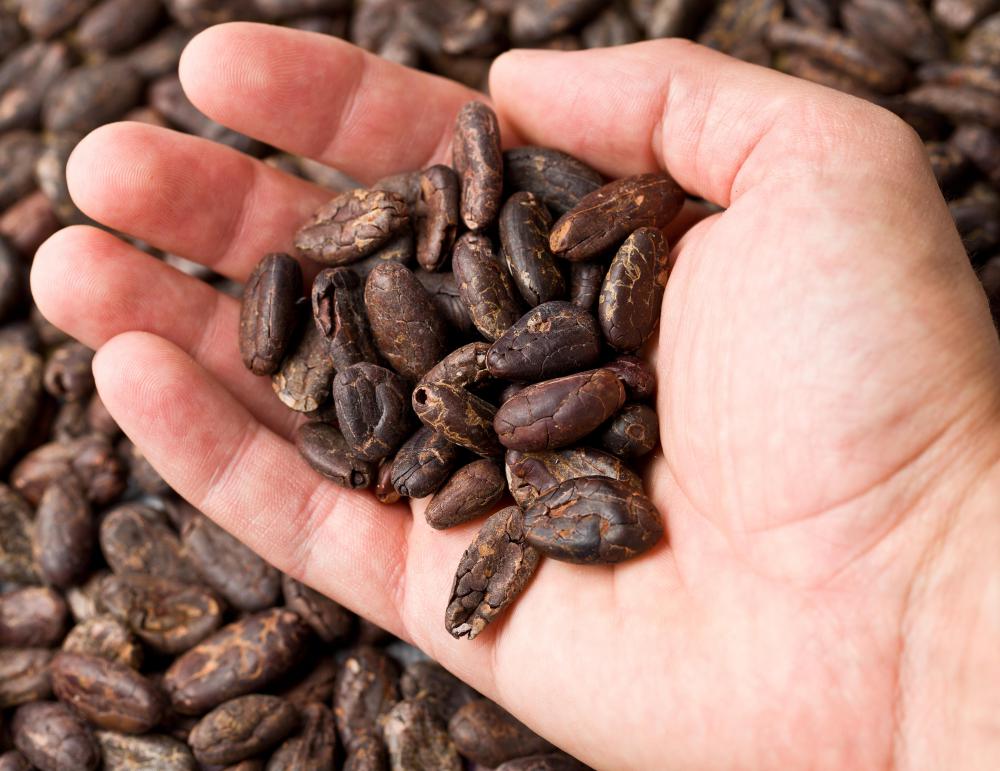
These plants are becoming more popular plants among the environmentally conscious because they are drought resistant. The leaves do tend to attract slugs and snails, though spreading cocoa beans around the plant can help naturally keep these pests away. It also make an excellent choice for families with young children, as the plants are non-toxic. Roots of the plants have been used in Ayurvedic medicine for centuries, and you can find bergenia in over the counter medicinals for weight loss and kidney health.
Tricia Christensen
Tricia has a Literature degree from Sonoma State University and has been a frequent WiseGEEK contributor for many years. She is especially passionate about reading and writing, although her other interests include medicine, art, film, history, politics, ethics, and religion. Tricia lives in Northern California and is currently working on her first novel.
Learn more...
Tricia Christensen
Tricia has a Literature degree from Sonoma State University and has been a frequent WiseGEEK contributor for many years. She is especially passionate about reading and writing, although her other interests include medicine, art, film, history, politics, ethics, and religion. Tricia lives in Northern California and is currently working on her first novel.
Learn more...AS FEATURED ON:
AS FEATURED ON:









-
![Spreading cocoa beans around Bergenia plants can ward off slugs and snails.]() By: Jiri HeraSpreading cocoa beans around Bergenia plants can ward off slugs and snails.
By: Jiri HeraSpreading cocoa beans around Bergenia plants can ward off slugs and snails. -
![Bergenia usually blooms early, along with bulb species like tulips.]() By: palekaBergenia usually blooms early, along with bulb species like tulips.
By: palekaBergenia usually blooms early, along with bulb species like tulips.

Discussion Comments
I wouldn't suggest spreading cocoa beans around plants. The smell is attractive to dogs and the beans are toxic to them.
Post your comments