
At DelightedCooking, we're committed to delivering accurate, trustworthy information. Our expert-authored content is rigorously fact-checked and sourced from credible authorities. Discover how we uphold the highest standards in providing you with reliable knowledge.
What is Bathtub Gin?
 Michael Pollick
Michael Pollick
Michael Pollick
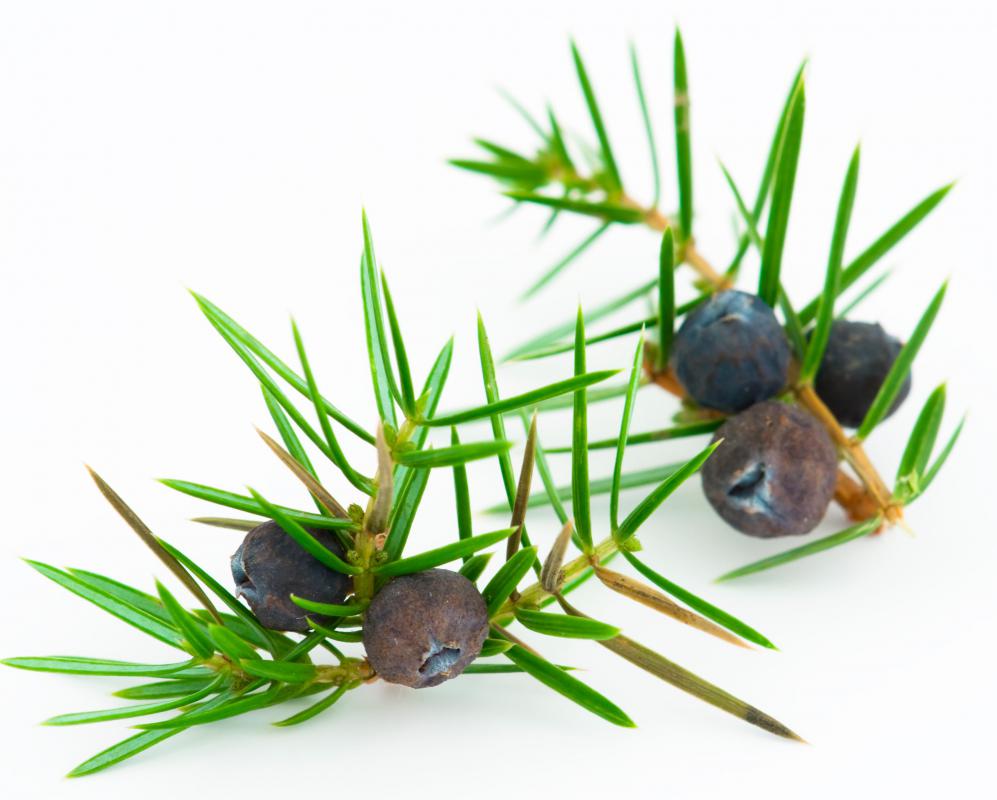
The term bathtub gin often conjures up glamorous images of flapper girls, speakeasies and the Roaring Twenties. In reality, it was the end result of cheap grain alcohols and flavorings, such as juniper berries, allowed to steep in a tub for several hours or even days. Because the 18th Amendment specifically prohibited the sale or manufacture of distilled alcohol, many producers were forced to use denatured alcohol, which may or may not have been thoroughly processed. A number of party-goers died during the 1920s after drinking contaminated liquor.
Traditional gin is not a distillation of grain alcohol and juniper berries, but rather a steeping between the two. This liquor is not considered very drinkable on its own, since it tends to be extremely dry, so it is often mixed with tonic water, vermouth, or fruit juices to make it more palatable. The makers of bathtub gin understood how undrinkable their product would be, so bartenders at secret clubs called speakeasies were encouraged to come up with their own recipes for cocktails. Many of the recipes that were devised to cover up the horrid taste are still around today.

Bathtub gin was usually created in actual bathtubs or other large containers hidden away in a bootlegger's home. The alcohol was either purchased from other bootleggers or from legitimate medical suppliers. The process for converting denatured or wood alcohol into a drinkable form was not always reliable, so some batches of gin were genuinely poisonous. The consumption of wood alcohol often led to blindness or even death. The liquor would later be bottled and sold to individuals or illicit nightclubs and speakeasies.

This form of alcohol declined sharply in the United States after the 18th Amendment was repealed in 1933. Individual states could still make the sale of alcohol illegal, but there was no longer a national prohibition. The days of bathtub gin, gangsters and illicit jazz clubs were nearly over, but as the Prohibition days gave way, the economic Great Depression during the early 1930s began.
Michael Pollick
A regular DelightedCooking contributor, Michael enjoys doing research in order to satisfy his wide-ranging curiosity about a variety of arcane topics. Before becoming a professional writer, Michael worked as an English tutor, poet, voice-over artist, and DJ.
Learn more...
Michael Pollick
A regular DelightedCooking contributor, Michael enjoys doing research in order to satisfy his wide-ranging curiosity about a variety of arcane topics. Before becoming a professional writer, Michael worked as an English tutor, poet, voice-over artist, and DJ.
Learn more...AS FEATURED ON:
AS FEATURED ON:


-
![A traditional martini mixes gin with vermouth to make it more palatable.]() By: dondesignsA traditional martini mixes gin with vermouth to make it more palatable.
By: dondesignsA traditional martini mixes gin with vermouth to make it more palatable. -
![Bathtub gin was made with grain alcohol and juniper berries.]() By: Dani VincekBathtub gin was made with grain alcohol and juniper berries.
By: Dani VincekBathtub gin was made with grain alcohol and juniper berries. -
![Many party-goers died during the 1920s from drinking bathtub gin.]() By: iofotoMany party-goers died during the 1920s from drinking bathtub gin.
By: iofotoMany party-goers died during the 1920s from drinking bathtub gin. -
![Bathtub gin was popular during the Roaring Twenties.]() By: barelko.comBathtub gin was popular during the Roaring Twenties.
By: barelko.comBathtub gin was popular during the Roaring Twenties. -
![Gin is commonly mixed with tonic water.]() By: alexlukinGin is commonly mixed with tonic water.
By: alexlukinGin is commonly mixed with tonic water.




Discussion Comments
Is that how they made moonshine? No, moonshine is distilled corn mash.
Is that how they made moonshine?
yes they were.
where smugglers using underground pathways to transport liquor in boston, during the Prohibition Era?
Post your comments