
At DelightedCooking, we're committed to delivering accurate, trustworthy information. Our expert-authored content is rigorously fact-checked and sourced from credible authorities. Discover how we uphold the highest standards in providing you with reliable knowledge.
What is Baking Soda?
Baking soda, otherwise known as bicarbonate of soda, sodium bicarbonate, and, less commonly, saleratus, is a chemical salt with diverse practical uses. With a chemical formula of NaHCO3, it is a white powder with crystalline grains. Although it can be produced by artificial means, in its natural form, baking soda is called nahcolite, taking its name from its chemical formula.
Sodium bicarbonate is weakly alkaline. As such, it acts to neutralize acids and break down proteins. This quality accounts for its usefulness as a tenderizer and a leaven. Also, its neutralizing action on acidic scent molecules makes it an effective deodorizer. Added to the water when doing laundry, baking soda stabilizes the pH level, enhancing the detergent’s effectiveness. It may also be added to swimming pool water to balance the pH and keep the water clear.

The most common practical use for baking soda is as a leavening agent in baking. In combination with a liquid and an acid, it undergoes a chemical reaction that releases bubbles of carbon dioxide. Trapped in batter or dough, these carbon dioxide bubbles enable the baked good to rise. Baked goods leavened with baking soda, therefore, generally have a light crumb and are aerated with many holes left by the escaping bubbles of carbon dioxide.
This chemical should not be confused with baking powder, which has added acidifying and drying agents (typically cream of tartar and starch, respectively). It is pure bicarbonate of soda.

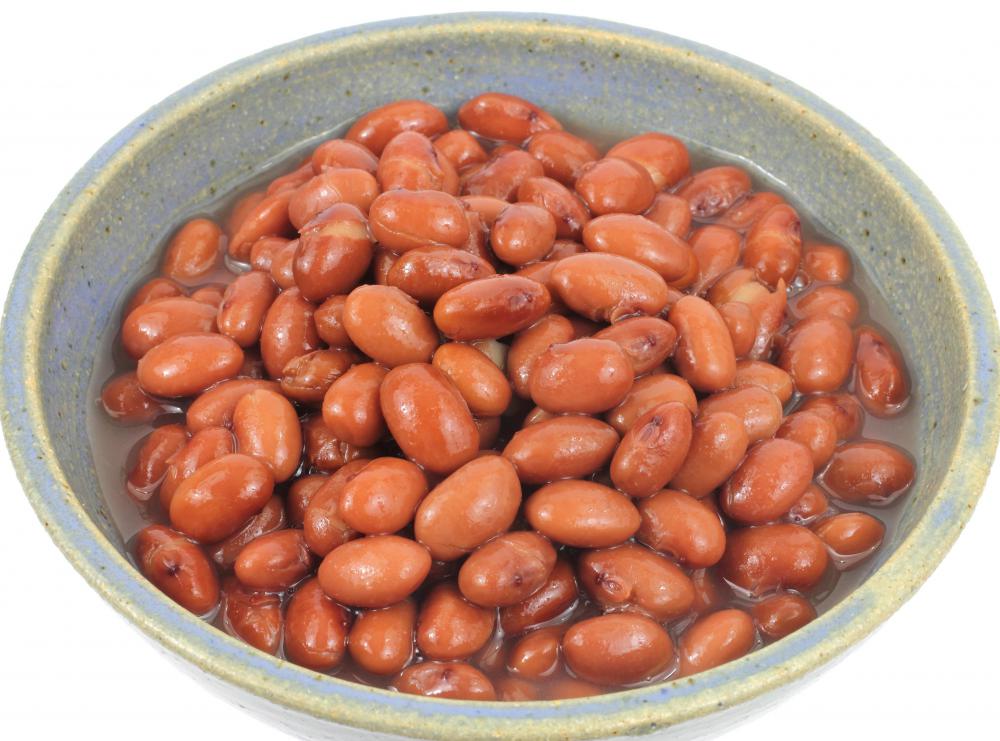
Baking soda also has other uses in cooking. A pinch added to tomato sauce while cooking, or coffee while brewing, will reduce its acidity. A small amount added to the soaking water of beans will hasten the softening and cooking processes and reduce the beans’ propensity to cause flatulence in the eater. It's an effective meat tenderizer, and it can be added to stews or rubbed directly on a cut of meat, and then rinsed off before cooking, to make the meat more tender.
When heated, baking soda undergoes a chemical reaction that gives off carbon dioxide, which makes it useful in extinguishing small grease or electrical fires.

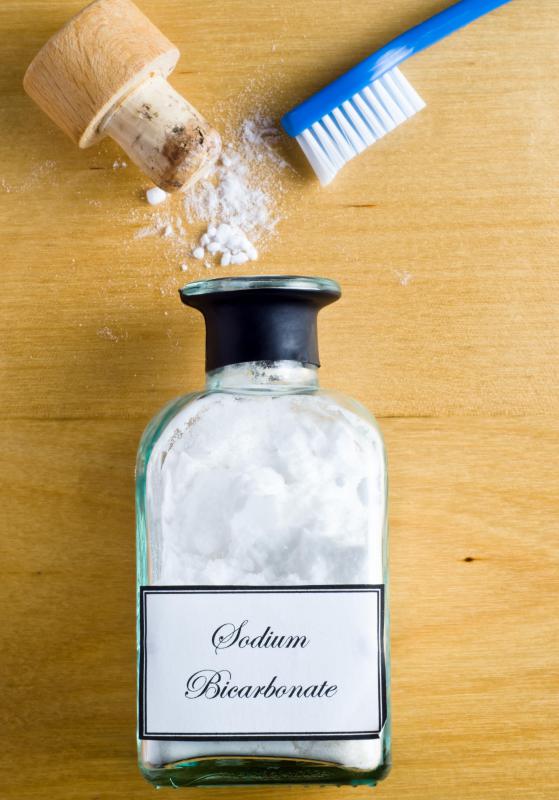
Baking soda’s finely gritty texture makes it an excellent, gently abrasive cleaner. It is inexpensive, environmentally friendly, fragrance-free, and safe for nearly all surfaces, making it ideal for household use. As a mild abrasive agent, it can also be used in place of toothpaste. Sprinkled around the exterior entrances to and foundations of homes, it may stop ants and other insects from crawling in, as it is irritating to their chitinous exoskeletons and they usually avoid it.

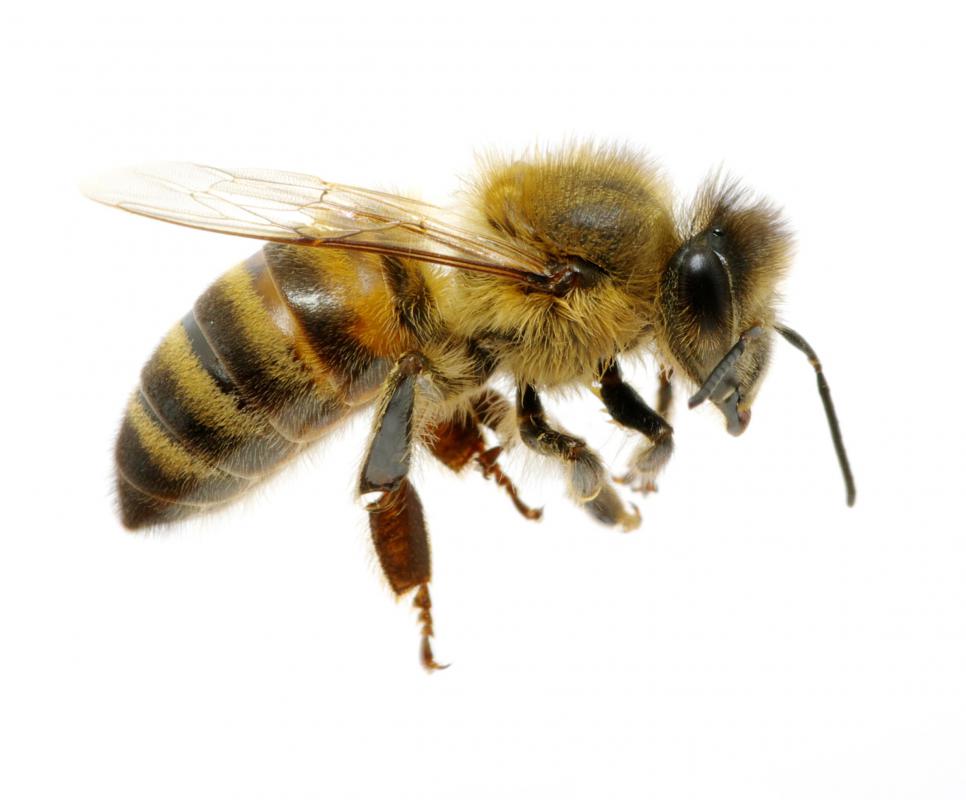
As an acid neutralizer, baking soda has long been favored for its various first-aid applications. Dissolved into a lukewarm bath, it will soothe the discomfort of sunburn and the itch of poison ivy. Made into a paste with cool water and applied directly to the skin, it will ease the pain of bee stings. One-half teaspoon (2.3 g) mixed into 4 ounces (120 ml) of water can be taken as an antacid. Those taking prescription medications or following a reduced-sodium diet should check with a medical professional before consuming sodium bicarbonate.
AS FEATURED ON:
AS FEATURED ON:


-
![Jar and a scoop with baking soda (sodium bicarbonate).]()
Jar and a scoop with baking soda (sodium bicarbonate). -
![Adding baking soda to beans can reduce flatulence.]()
Adding baking soda to beans can reduce flatulence. -
![Baking soda can be used to brighten laundry.]() By: Kayros StudioBaking soda can be used to brighten laundry.
By: Kayros StudioBaking soda can be used to brighten laundry. -
![Baking soda stabilizes the pH level in a load of laundry being washed.]() By: SabineBaking soda stabilizes the pH level in a load of laundry being washed.
By: SabineBaking soda stabilizes the pH level in a load of laundry being washed. -
![Baking soda can be used as an alternative to toothpaste.]() By: Franny-AnneBaking soda can be used as an alternative to toothpaste.
By: Franny-AnneBaking soda can be used as an alternative to toothpaste. -
![Baking soda paste may help treat the symptoms associated with a bee sting.]() By: AlekssBaking soda paste may help treat the symptoms associated with a bee sting.
By: AlekssBaking soda paste may help treat the symptoms associated with a bee sting.


Discussion Comments
Has anyone else had success treating cancer with baking soda, like my sister has had? My mam also used B17 with massive results, turning round from deaths door to full health. Has anyone else seen this happen? --rv
Can I, a lady, use baking soda as a panty powder to neutralize odor?
It is my understanding that soda is actually produced in the stomach, so it should be entirely safe. I am not sure if there is a limit to how much one should take. I know it is very dry, so taking more than a tablespoon might be too drying, especially without drinking water with it.
I have been using pure baking soda in my baked goods for a long time. I use roughly the same amount as the recipe calls for in powder, but you will need a tablespoon or so of an acid like lemon juice, vinegar, or buttermilk. I use buttermilk and some water instead of the milk called for in the recipe. Mostly this is workable but people may not feel the goods taste exactly like professionally baked goods but they are certainly edible.
What happens when you eat baking soda?
Can baking soda helps whiten a dark/brown groin?
Do not mix baking soda with any carbonated drink. It may cause a violent reaction and it could overflow and make a huge mess.
I love eating sea cucumber but it's a chore soaking and cleaning dried ones. Knowing that baking soda is a safe cleaning and cooking agent, I wonder if it can be used to get rid of the black stains on the outside of dried sea cucumbers and at the same time soften it.
Are baking soda and soda ash the same? Can baking soda be used in a swimming pool to raise the ph in the pool water?
Can I use baking soda to take the smell away from my sandals, even after I washed them?
I'm wondering if you can have a bad allergic reaction to it, and what to do if you do have one?
The best way to eliminate bad breath is by using baking soda and lemon in water, drink little spoon after each meal.
I used your site for my science fair project. It was very helpful. I need to know the author of the topic for my bibliography. It has to be in MLA format. Can you help? Thanks so very much!
I have a question. Can baking soda affect snapdragon growth?
I am 25 years old and my face has got acne and I am wondering whether if i use baking soda my face will improve?
I heard that drinking baking soda mixed with distilled water can kill cancer cells. how true is this?
How do you tell if your baking soda is old?
Can Bicarb help treat gout?
does baking soda change the water temp? if so, how?
Where does baking soda come from? Where does it originate? Is it a block like salt, or is it a rock?
Don't try this. I was experimenting with gargling with peroxide during a temporary sore throat. At the same time, I accidentally mixed baking soda in wheat pancakes, instead of baking powder. Then as I felt funny, I ate some vitamin C (lemon), in order to help the peroxide, which I thought was making me feel funny.
With excedrins I took for a headache also, this all caused a chemical reaction, burning my lips until they were blistered. Took a week of eating low acidic foods to get this under control.
Be careful of mixing chemical releasing agents. Thanks.
I am doing a science project on if baking soda can replace baking powder in a recipe, and this sort of helped me. Thanks.
baking soda I know is very good for heartburn.
I heard an old fashioned remedy that half a teaspoon of baking soda in an 8oz glass of water taken several times a day will flush the kidneys. Is this true and if so, how?
Please can baking soda be used in fish ponds to reduce the odor and clean the water of the pond?
If it can, what will be the recommended quantity to be used.
it is said that baking soda can be used as a deodorant too.
what happens to potassium alum and sodium bicarbonate (baking soda) if combined? is it safe to use both on the underarms?
Baking soda does not dissolve faster than salt. it barely even dissolves at all.
What about dropping huge quantities of baking soda on the Gulf oil spill and/or on the beaches where it will land?
My mom has always used baking soda for the laundry, an antacid, toothpaste. she has never had a cavity and she is 53 years old.
Is baking soda harmful for the stomach?
i need to know how are you getting all this info?
thanks.
I'm just wondering if baking soda dissolves better in water than salt does.
This question had been highly debated on all of the forums i have been on: What dissolves faster, baking soda or salt?
i am doing a project on old fashioned fire extinguishers and there is baking soda in it and i need to know a little more information. and i don't really get who is writing this stuff. and i need to know who S.N Smith is.
how is baking soda used in things and what is it all in?
Menopause has caused underarm odor for me. Nothing helped. A cancer survivor told me she can only use baking soda under her arms now. I tried it and have been order free ever since. I put it in a moisturizer jar and put a powder puff in it, and I just puff it on in the morning and I am oder free all day. I am amazed at how it works.
Does baking soda whiten teeth?
Thank you for this article. It helped me with my project.
is it O.K. to use baking soda while on a low iodine diet - is it the same as salt?
yeah, me too, and why does it help in toothpaste and in cleaning? and the neutralizer pH thingy? how does it do that? (I am doing a report)
low does baking soda make toothpaste? and also for deodorizer and cleaning teeth? and what exactly makes it a neutralizer thingy for pH levels? (I am doing a report)
Question no. 12: Baking Soda in basically a form of salt, so any 'whitening' effect would be from the temporary white scale left behind from the salts.
Not sure how this site works, but, question no. 3 is a really good one. Plants thrive on CO2, therefore adding baking soda to your plant's soil should increase the levels of CO2 available to the plant.
The caveat: baking soda is sodium bicarbonate and therefore will increase the level of 'salt' in the plant's growing medium. Plant roots draw up moisture and nutrients by being 'saltier' than their growing medium, and therefore will not draw up moisture/nutrients as well.
I remember reading an article years ago about pouring milk into the plant's pot and the resulting CO2 discharged being beneficial for this very reason. Hope this helps. Kevlarster, Electrical Engineer
Pittsburgh PA
can it kill you?
What is baking soda made of? What is inside it?
What's the difference between this and baking powder?
i have just been told baking soda relieves gout. true or false? i will try it and let people know.
why does baking soda have an expiration date on bottom of box?
I have a question: why is baking soda called "baking soda?"
What is the difference between baking soda and baking powder?
can baking soda eliminate odor from a wardrobe?
can baking soda bring your psa up before a test?
how long does it take for baking soda paste to remove rust?
what are the brands of baking soda that are free from aluminum?
what is the mixture for vinyl cleaning? or does it have to just be gritty?
how would baking soda be used for heat rash in the groin area -- as a paste or in the bath? This is for my son. please help.
when you apply it to skin, do you have to mix it with water first?
i was just a little bit confused because i read in the internet that baking soda can also mix in beauty facial whitening face. can you please give some explanation about baking soda for use in mixing in a beauty facial whitening solution?
I have been advised to brush with a paste of baking soda. Does this have any side-effects or harm in the long run?
Also, doesn't leave a clean feeling in the mouth- is it as effective (although I do know that toothpaste has baking soda) as toothpaste?
Thanks a ton!
Hi Anon8858,
Both baking soda and baking powder make baked goods rise.
Thanks,
S.N. Smith
what is common chemical reaction?
Is it baking soda that makes baked goods rise? Or baking powder? Or something else?
I have a question can baking soda affect plant growth?
hello. i am just wondering why baking soda can act as a deodorizer and what factor does it contain to make it possible?
Post your comments