
At TheHealthBoard, we're committed to delivering accurate, trustworthy information. Our expert-authored content is rigorously fact-checked and sourced from credible authorities. Discover how we uphold the highest standards in providing you with reliable knowledge.
What Is Aspartame Withdrawal?
Aspartame withdrawal is typically identified as the set of physical symptoms that someone might experience while struggling to break an addiction to the chemical sweetener aspartame. Many experts believe that aspartame presents serious health risks, and some think that it may even be deadly. Aspartame is believed to be highly physically addictive, and withdrawal symptoms can last one month or longer. Headaches are a common withdrawal symptom, but others are said to vary significantly from person to person.
It takes about 14 to 30 days for the average person to get through aspartame withdrawal. The length of withdrawal symptoms may vary, depending on the severity of the individual's addiction, and severe addictions may take longer than 30 days to break. Nausea and muscle pain can also occur. Some medical professionals believe that withdrawal symptoms manifest most often in the part of the body most damaged by aspartame consumption, such as skin symptoms, digestive symptoms, eye symptoms, or cognitive symptoms.

The most common symptom may be headache. Some experts believe that headaches occur because aspartame damages the brain, and some studies suggest that aspartame use can cause symptoms that mimic those of attention deficit disorder. In 1992, the United States Air Force warned its pilots that aspartame consumption could trigger flicker vertigo, seizures, memory loss, and vision problems during flight. The use of aspartame has been linked to such a wide range of physical and mental symptoms that some professionals wonder if it isn't responsible for the marked increase in the incidence of diseases such as chronic fatigue syndrome, Alzheimer's disease, and depression in the decades since its use as a sugar substitute began.

Addiction to aspartame is believed to be widespread, since this sugar substitute can be found in almost all diet sodas and sugar-free candies. It's used as a substitute for sugar in many processed foods and it's even used in a wide range of popular prescription and over-the-counter medications.
Aspartame has been linked to Alzheimer's disease, Parkinson's disease, attention deficit disorder, and multiple sclerosis, among other diseases. The United States Food and Drug Administration (FDA) has received more than 10,000 complaints about the adverse effects of this food additive, which appears in a wide range of foods, beverages, and medications. The FDA believes that complaints about aspartame's side effects may comprise as many as 75% of the total adverse reactions complaints submitted for foods and food additives.
What Is Aspartame?

Aspartame is a non-nutritive sweetener added to commercial food products to replace natural sugars. It is responsible for the sweet taste in sugar-free, low- or zero-sugar food items. However, per a study, aspartame is 200 times sweeter than the average sugar, so only a tiny fraction of the chemical does the trick.
Aspartame Uses
This artificial sweetener is an active ingredient in diet sodas and low-sugar juices. You can also find it in dairy products, like low-fat flavored milk and sugar-free ice creams.
Some other everyday items that you should be on the lookout for containing aspartame include:
- Sugar-free gum
- Reduced sugar ketchup
- Light yogurt
- No sugar energy bars
- Sugar-free salad dressing
- Sugarless candy
Products that use aspartame are required to include it in their ingredient lists, so check the label of the foods you like to eat to see if it contains the ingredient.
Aspartame Addiction

The artificial sweetener aspartame is approved for consumption by all major food and drug authorities across the globe. However, it remains a controversial food additive. That is because the chemical derives a direct response from your brain, i.e., neurobehavioral effects.
Research shows that aspartame consumption can alter mood and cognitive performance. Some researchers believe it is responsible for adverse effects such as mood changes, depression, and headaches.
Aspartame tends to modulate neurotransmitter levels in the brain. Thus, it might also play a role in neurodegenerative disorders. Aspartame addiction is attributed to the chemical’s dopamine alterations in the brain.
What Is Withdrawal?

A withdrawal (effect) is the body’s mental and physical response to abstaining from an addictive substance such as alcohol or recreational drugs. Withdrawal is generally characterized by changes in mood, appetite, and physical symptoms such as headaches, sweating, irritability, nausea, etc.
Can Aspartame Have Withdrawal?
Yes, giving up aspartame consumption after you have become an addict can lead to aspartame withdrawal. Giving up aspartame after habitual consumption of large amounts can have substantial adverse effects on the body. Recovered alcoholic patients have reported aspartame withdrawal to be worse than alcohol withdrawal.
Aspartame Withdrawal Symptoms
Some common aspartame withdrawal symptoms include:
Headaches And Migraine
Aspartame consumption in large amounts for long durations is linked to triggering headaches. Therefore, individuals prone to migraines can trigger it by becoming an aspartame addict. In addition, withdrawal from aspartame can cause headaches.
Nausea

As per a study, the most commonly reported aspartame withdrawal symptoms were tension, irritability, and depression. Several male and female participants also complained of sweating, nausea, and tremors on quitting aspartame. Some even compared the symptoms to smoking and cocaine withdrawal.
Psychological Symptoms
Patients also experience psychological symptoms such as anxiety. The neuromodulation by aspartame is responsible for psychological symptoms. Some habitual consumers report having severe anxiety and mood swings when not consuming diet soda. Many diet soda addicts explain their suffering when they travel abroad and can not find diet soda.
Some also experience a decrease in cognitive performance. As already mentioned, since aspartame can mess with the cognitive status, it may cause cognitive symptoms of withdrawal.
Eye Problems
Strange enough, but some aspartame quitters complain of having blurry vision. An aspartame addict stated that she could not walk and see anything after she stopped drinking diet cola. She was sure she had multiple sclerosis, but the doctors found it to be aspartame withdrawal.
Digestive Issues
Some chronic aspartame consumers believe that it keeps their digestive system healthy. So, aspartame withdrawal can also cause digestive issues.
Aspartame Side Effects
Aspartame consumption alters the body’s cortisol (hormone) levels, which might lead to insulin resistance and weight gain. Therefore, type 2 diabetics are generally recommended against the use of aspartame products.
Animal studies have even found a link between aspartame consumption and cancer development. Thus, it is better to avoid aspartame-based products, or at least consume them in small amounts. Check labels to see if it is an included ingredient in the products you regularly consume.
Natural Alternatives to Aspartame
There are several natural alternatives to aspartame that you can use. Consuming diet sodas and desserts or juices made with aspartame have more adverse effects than benefits. Therefore, you should choose natural sweeteners such as allulose, monk fruit, and stevia. Brazzein and sugar alcohols can also be used as safe sweetener alternatives.
AS FEATURED ON:
AS FEATURED ON:


-
![Headaches are the most common side effect of aspartame withdrawal.]() By: Sebastian GauertHeadaches are the most common side effect of aspartame withdrawal.
By: Sebastian GauertHeadaches are the most common side effect of aspartame withdrawal. -
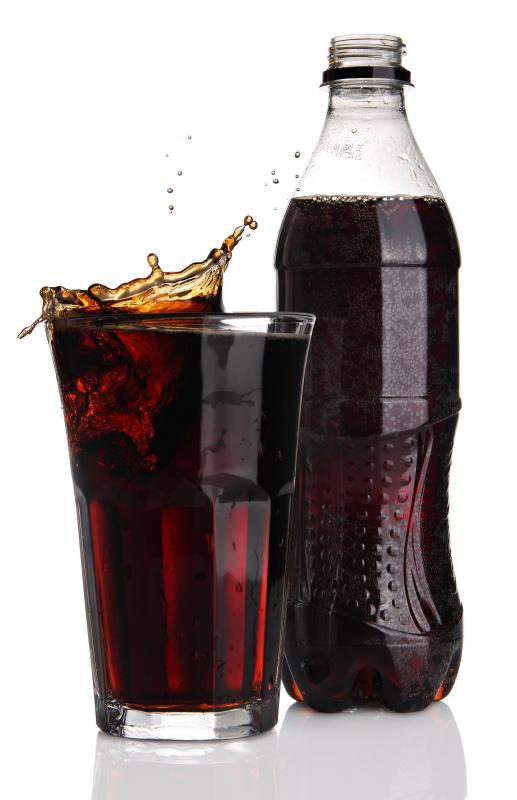
![A diet soda may contain aspartame.]() By: gtranquillityA diet soda may contain aspartame.
By: gtranquillityA diet soda may contain aspartame. -
![A headache may result from aspartame withdrawal.]() By: jedi-masterA headache may result from aspartame withdrawal.
By: jedi-masterA headache may result from aspartame withdrawal. -
![Aspartame has been linked to Alzheimer's disease, which negatively impacts an individual's short-term memory functioning.]() By: chuugoAspartame has been linked to Alzheimer's disease, which negatively impacts an individual's short-term memory functioning.
By: chuugoAspartame has been linked to Alzheimer's disease, which negatively impacts an individual's short-term memory functioning. -
![In some instances, the use of aspartame can trigger vertigo and visual disturbances.]() By: elizalebedewaIn some instances, the use of aspartame can trigger vertigo and visual disturbances.
By: elizalebedewaIn some instances, the use of aspartame can trigger vertigo and visual disturbances. -
![Natural stevia can be a good substitute for aspartame when sweetening coffee and tea.]() By: al62Natural stevia can be a good substitute for aspartame when sweetening coffee and tea.
By: al62Natural stevia can be a good substitute for aspartame when sweetening coffee and tea.




Discussion Comments
Aspartame is also in sparkling water. I thought I was doing good by replacing my cola with the Sparkling water because what I really wanted was the fizz, not necessarily the taste. Now I am going through the withdrawal of Aspartame from the water. As a person who gets migraines, these headaches are really close in symptoms for a migraine. Bottom line: what we have been told for years---you have to read the label. Over the counter Advil Migraine helps with the headache.
I was on Trident gum for only three years and it messed me up pretty bad.
Splenda has aspartame in it.
Thank you for this article. I have been addicted to cigarettes and caffeine. I got off all of these with little or no problems or side effects (after many tries).
Not so with Nutrasweet. There are many benefits to quitting I noticed right away. I no longer have headaches, or a constant tightness in my forehead and muscles, plus I am much more easy going and friendly toward others, because I don't feel wired. However, I go through depression when I get off of it cold turkey, and get tired and am not motivated to do much of anything. Sure enough, when I drink a couple of diet sodas, I start feeling better.
It is by far the most addictive thing I have ever been on, but the one thing that is probably the most dangerous. I am going to try to gradually get off of it, as I think this is the best way to go, since I need to function every day.
I just stopped all aspartame use. It has been a few days. I have been feeling tired and depressed. My body aches so bad. I have to push myself to work at my job. I have had a few bad headaches.
My ears have been ringing for a few months now. The doctor says I have tinnitus. He didn't give me much info other than that. So I looked up tinnitus. I found that there was a connection with tinnitus and aspartame. I have had a lot of the symptoms like major headaches, numbness of fingers and legs at times. I drank a lot of Coke Zero and used sugar substitutes every day.
I really hope this works, but I am getting aspartame withdrawals. I hope I get better soon.
I drank aspartame for years. I quit drinking it in my coffee and switched to honey (more calories) and I lost 10 pounds immediately. I also noticed my anxiety levels dropped right away.
I had terrible withdrawal feelings of lack of focus, irritability, panic attacks and impending doom. These lasted for weeks. I believe it is a sugar alcohol, so it makes sense that it is a lot like alcoholism. I also believe it makes you retain water and bloat; that's why the weight gain is not related to calories. But I am no scientist. This is my observation. I am glad I quit.
I have recently stopped all aspartame; I was having problems getting up from chairs. Since it has been 5 days, today I got up from the couch with no pain and no problems. Although for the past four days, my legs have been giving me a lot of pain.
I was just about to go to the doctor when I read that aspartame withdrawal can cause muscle pain. I drank diet coke for many years and had about seven cans a day. I am on the road to recovery.
All artificial sweeteners are bad, even Splenda. If you have to have it, switch to Stevia or Truvia (natural sweeteners), or even honey. I have been using artificial sweeteners for two years and my anxiety has increased, I have headaches/dizziness daily, and I have horrible acne that I never had. Stay away from the artificial sweeteners!
I am currently trying to stop my Diet Coke addiction. I was told that diet RC cola was better. Any thoughts? There's no aspartame in it but it has sucralose. I am having headaches. But m under a lot of stress so not sure about that.
I am quitting aspartame and on day fur. But I am not quitting caffeine. Aspartame is poison, there is no doubt in my mind, but many of the side effects listed are common with caffeine withdrawal as well.
I am still drinking caffeine in the form of an all natural diet soda I found and although I have some depression, anxiety, pain, etc. I do not have the splitting headaches and fatigue. I would recommend doing it this way. Besides, it is the aspartame we want out of our bodies. We can work on the caffeine later.
Here are my two cents on the topic: I am a diabetic and as such, I was always under the impression that sugar substitutes were best for diabetics. However, a doctor once told me that he would rather have me drink something that contained real sugar in it and deal with the rise in sugar levels than to drink the toxins in diet drinks.
That led me to doing some research on my own. In 2008, I had such severe heart palpitations that I needed a heart monitor for a 24-hour test. My doctor suggested I take the 21-day challenge. What that meant exactly is giving up aspartame for three weeks to see if my symptoms improve. Well, the result was my heart palpitations all but disappeared. Still, I was addicted to diet sodas and I eventually went back to them.
I found a diet iced tea that was absolutely, hands down the best diet iced tea ever! I would sometimes drink a half gallon jug of it a day! The night before Easter, I was reading about splenda and aspartame dangers and was scared to death about what I read. I decided right then and there to stop, cold turkey. I've gone through these last three days with drinking only water. My body is not used to this at all! I am not a water drinker.
What I noticed over these last few days is severe headaches, almost like migraines. I have popped Motrin in hopes that it would help, but to no avail. I almost went into the hospital because I thought something just had to be very wrong. I spoke to my sister and she told me that it might be a combination of caffeine and aspartame withdrawal symptoms. I never heard of such a thing. I did some further research and apparently I must have be living under a rock, because of course, you can get withdrawal from anything you suddenly stop cold turkey.
It was suggested that you cut back slowly before stopping, which I didn't do. I drank a cup of coffee and although my headache did not magically disappear, it does feel slightly better. I might just drink a cup a day for the next few days to see if my headaches improve.
As for aspartame, I have got to stick to my guns and cut that poison out of my life for good. Nothing about it is good. As for Splenda, it is safer than aspartame but it really is not good for you either. If you look up the side effects for Splenda you will see a long list there. The best thing out there, according to experts, is Sugar in The Raw, which is unbleached, natural sugar. As far as sugar subs go, I was told that Stevia (or Truvia) is better than the rest. The problem with that is that it hasn't had enough long-term research done on it to know about its true side effects.
I was wondering what was going on with me. I have not had diet soda for six days now. I was drinking about five 20 ounce bottles per day. I'm so glad I am doing this.
@MikeMason-- Your symptoms don't sound that bad. I have migraines, flu-like symptoms (especially fatigue) and dizziness since I quit five days ago. Aspartame is so bad.
Having some caffeine in the form of tea helps. You can also drink Italian soda if you're craving a carbonated beverage.
What can I do to ease aspartame addiction and withdrawal symptoms?
I've been drinking soda with aspartame every day for more than twelve years. If I don't drink it, I get a terrible craving for it as well as migraines and sleepiness. I feel like I can't wake up and gather my energy after lunch if I don't have a can of soda.
Is there a way to lessen these symptoms so that I can quit? Is there a safe, healthy drink I can replace soda with during the withdrawal period?
I heard a doctor on TV say that artificial sweeteners like aspartame replace omega 3 molecules in the brain which support the communication between neurons. This is how aspartame is linked with Alzheimer's.
It's interesting if withdrawal from aspartame causes lack of concentration. I think removing aspartame from the diet should improve concentration over time since it will improve brain function.
Can Splenda be addictive?
Post your comments