
At TheHealthBoard, we're committed to delivering accurate, trustworthy information. Our expert-authored content is rigorously fact-checked and sourced from credible authorities. Discover how we uphold the highest standards in providing you with reliable knowledge.
What is Asafoetida?
Asafoetida is a plant from the Apiaceae family, which includes carrots, parsley, dill, celery, caraway, fennel, and lovage. Most similar in appearance to fennel, this herb has a smell that's often compared to rotting feet, which causes many cooks to feel nervous about using it. In fact, some countries refer to it as Devil's Dung because of the foul smell.
Native to the Middle East, asafoetida is a perennial plant that grows about 6 feet (1.83 m) high and bears bright yellow clusters of flowers. The hollow stem and roots of the plant house a milky substance that is rich in organic sulfur. This substance is sometimes dried and blended with rice flour to create a flour that is used in cooking. This type of flour has grown in popularity in the United States and has been used worldwide for years. In India, for example, asafoetida is used in all lentil dishes, primarily because the herb is known to prevent and alleviate smelly flatulence.

Though it smells offensive, asafoetida tastes much like a combination of strong onions with a touch of earthy truffles. The rich, distinctive taste is popular with many chefs because it can be used in a variety of applications, including in soups and stews. Many cooks enjoy adding a pinch of this powder while stir-frying vegetables and meats.
As a strong tasting herb, a small amount of it goes a long way. Therefore, large quantities are not needed for most recipes.

Asafoetida has been used as a medicinal herb for many decades, with some people choosing to make a tea from it in order to drink it plain. Despite its pungent aroma, it is known to alleviate stomach ailments, cold symptoms, anxiety issues, chronic fatigue, yeast infections, and painful gas and flatulence. It's crucial for anyone who is pregnant, hoping to become pregnant, or breastfeeding to avoid this herb, as it can work as a contraceptive, cause miscarriages, and cause blood disorders in children.
The plant cannot be eaten raw, and the raw root can cause severe diarrhea and vomiting. In the United States, powder is the only form available for purchase.
AS FEATURED ON:
AS FEATURED ON:


-
![Asafoetida is often dried and ground into powder, whereupon it is commonly used in flour or soups.]() By: CRAIG MCATEERAsafoetida is often dried and ground into powder, whereupon it is commonly used in flour or soups.
By: CRAIG MCATEERAsafoetida is often dried and ground into powder, whereupon it is commonly used in flour or soups. -
![Asafoetida is a plant native to the Middle East.]() By: TRITOOTHAsafoetida is a plant native to the Middle East.
By: TRITOOTHAsafoetida is a plant native to the Middle East. -
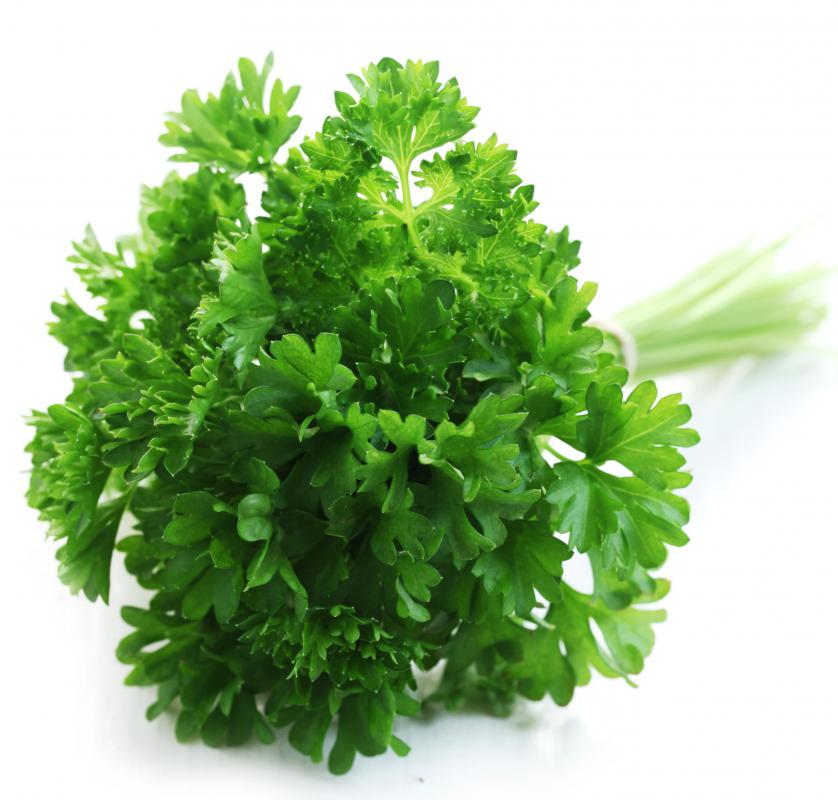
![Parsley is part of the Apiaceae family.]() By: Barbara PhebyParsley is part of the Apiaceae family.
By: Barbara PhebyParsley is part of the Apiaceae family. -
![A pinch of asafoetida can be added to stir-fried dishes.]() By: Periwinkle StudioA pinch of asafoetida can be added to stir-fried dishes.
By: Periwinkle StudioA pinch of asafoetida can be added to stir-fried dishes. -
![It's crucial that pregnant women avoid using asafoetida, as the herb could trigger a miscarriage.]() By: Radek SturgolewskiIt's crucial that pregnant women avoid using asafoetida, as the herb could trigger a miscarriage.
By: Radek SturgolewskiIt's crucial that pregnant women avoid using asafoetida, as the herb could trigger a miscarriage.




Discussion Comments
When we were young my father had rock/crystal asafoetida in a glass bottle with other things and we took a teaspoon of it when we had stomach aches. I always remember it smelling so bad but it always worked.
Wow! Sounds great for the body, provided you aren't wanting offspring.
Kayam or asafoetida is using for south Indian cooking to reduce gastric disorders for stomach.
@ post 10 214050: This site does not say it is safe for pregnant women. It says it should be avoided because of the danger of abortion/miscarriage.
Where does it say it is safe? I think you misread it.
Put it in the freezer if the smell is too strong for your kitchen.
My grandmother mixed asafetida with whiskey to soak, then a few drop of the mixture was mixed with a few drops of water and taken for stomach problems.
I bought some asafoetida for Indian cooking. I haven't even opened it yet and it is stinking up the whole kitchen. How do you keep asafoetida from stinking?
The information you have here about asafoetida may be very incorrect in regards to pregnancy. Yours is the only site that says it is good in pregnancy. Every other site says to avoid it because it is a mild abortive substance.
Somehow (maybe a sick joke?) some raw asafoetida was embedded in the carpet under my bed. The foul smell has invaded the bed, bedding, clothing in the wardrobe, and, probably, me! I shampooed the affected area of carpet but the smell remains. Any thoughts on how to eliminate it?
In Portland, Oregon, you can get this at Curry Leaf on Central Drive.
It's called kaayam in malayalam.
Some variations of the popular Indian dish garam masala call for asofoetida.
Asofoetida is known by many alternate names depending on which country/region it is being used in. The yellowish spice may be referred to as Hing, Ingua, Hilteet, giant fennel, asant, Ingu, and Perungayam. Some of the more interesting and literal names for asofoetida are stinking gum and food of the gods.
Asafoetida can be substituted with garlic or onions if you are unable to locate the spice at your local grocery store.
To replace a half teaspoon of asafoetida, use two peeled and minced garlic gloves sautéed in some ghee or vegetable oil. There is hardly a difference in the flavor.
You can also substitute a 1/4 teaspoon of asafoetida with a mixture of 1/4 teaspoon of garlic powder and 1/4 teaspoon of onion powder.
In the United States, you can get rock/crystal asafoetida at your local Indian groceries.
Post your comments