
At TheHealthBoard, we're committed to delivering accurate, trustworthy information. Our expert-authored content is rigorously fact-checked and sourced from credible authorities. Discover how we uphold the highest standards in providing you with reliable knowledge.
What is Anemia?
Anemia is a medical condition in which a person’s red blood cell count is below normal, which can cause a range of health concerns and risks. Human blood is made up of both red and white cells. While white blood cells fight infection, red blood cells are responsible for transporting oxygen throughout the body. When red blood cell levels drop too low, the body feels tired due to lack of oxygen, which is why people with anemia are sometimes said to have “tired blood.”
Symptoms

Most people who are anemic do not realize that there is anything wrong with them, at least not right away. Symptoms typically start out small, but increase as the condition worsens. A person with a low red blood cell count might notice some or all of the following symptoms:
- Paleness
- Tiring quickly or easily
- Dizziness
- Pain in the chest
- Cold hands and feet
- Confusion
- Fatigue
- Headaches
- Increased heartbeat
- The desire to eat or chew ice, known medically as pagophagia
Most of these symptoms are relatively harmless at first, but can lead to serious problems if left untreated. In worst-case scenarios, anemia can create a serious oxygen deficiency in bodily organs that can lead to heart attack.
Correlation with Iron

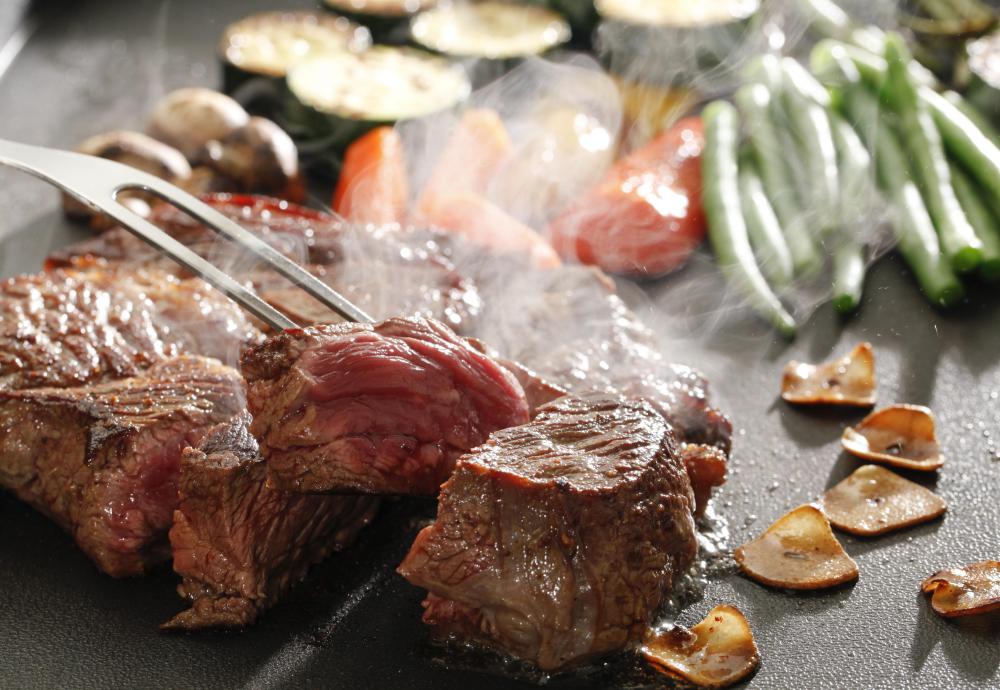
A number of different conditions can cause anemia, but it is most commonly associated with iron deficiency. Iron is a mineral that the body needs to promote red blood cell production. Many different foods are rich in iron, particularly red meats and beans, and most people are able to get enough just by eating a healthy diet. Those who aren’t often become anemic as a consequence.
Heavy blood loss can also result in temporary, iron-related anemia. This is most common in women with very heavy menstrual periods, or in people who have been badly injured or have lost a lot of blood during surgery.
Vitamin Deficiencies

Vitamin B12 and folate deficiencies can also cause the condition. Bone marrow requires B12 and folate along with iron to produce healthy red blood cells. Intestinal disorders and some medications, particularly those used in chemotherapy, can prohibit the absorption of these elements, which can lead to anemia.
Special Risks in Pregnancy
Pregnant women are at a heightened risk for becoming anemic because of the stress that growing a fetus places on the blood. It is for this reason that doctors usually recommend that expectant mothers take iron and vitamin supplements, even if they are eating healthful diets. Women who are anemic during pregnancy often give birth to sickly, underweight babies, and may also experience a range of negative health consequences themselves.
Treatment Options

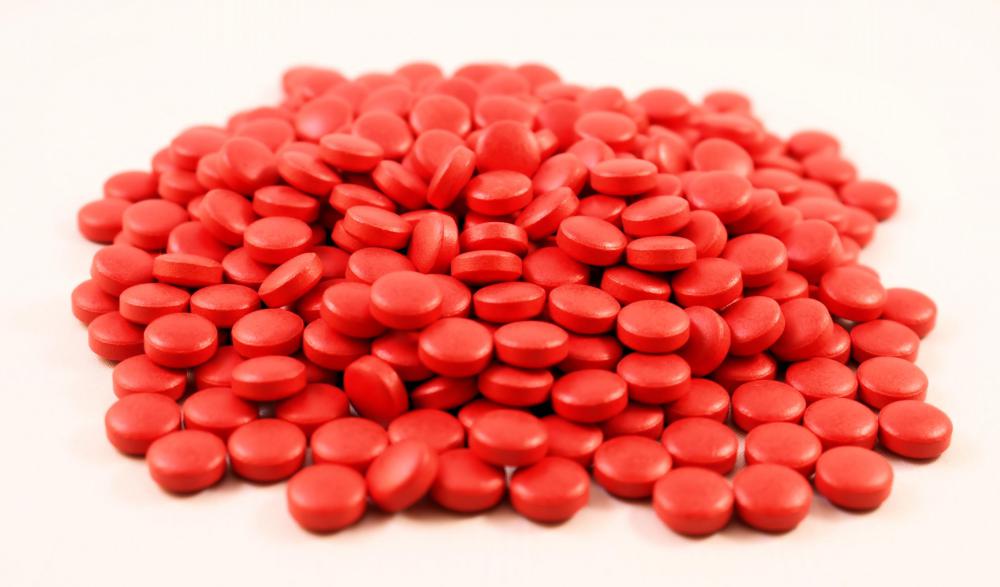
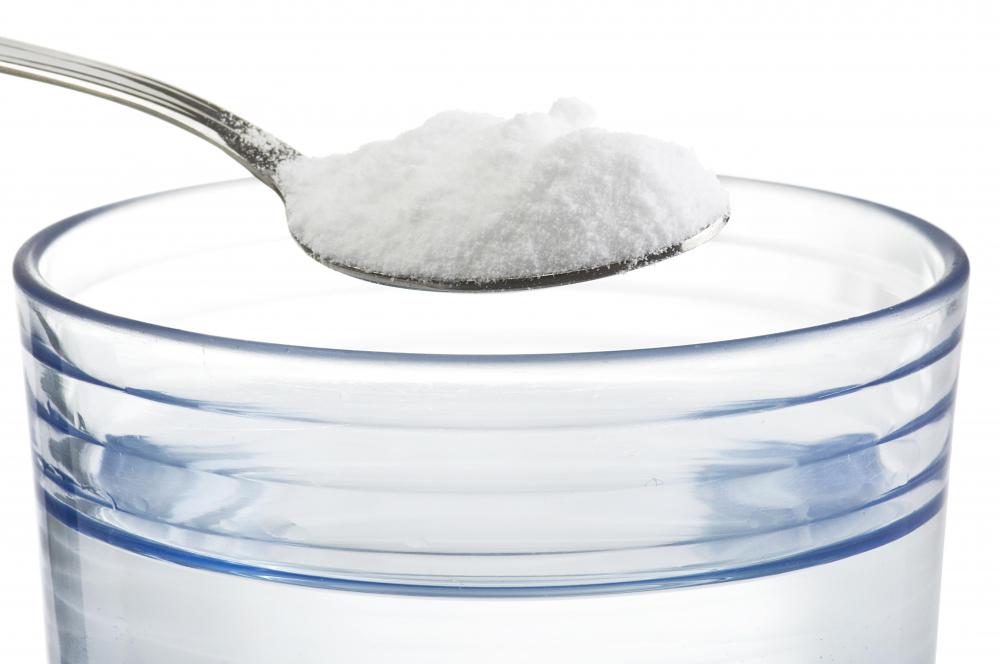
Once properly diagnosed, anemia is usually easy to cure. Most healthcare professionals will start patients off on an iron supplement regimen, usually in the form of pills or powdered drink mixes, alongside vitamin C — vitamin C, also known as ascorbic acid, is widely believed to help the body absorb iron. Boosting an anemic person’s vitamin B or folate intake also proves helpful in many cases.

Chronic conditions often need more powerful treatment. Some medications can help stimulate red blood cell production, and certain drug therapies are often helpful for people whose immune systems are destroying or inhibiting red blood cell production. Synthetic hormones and certain antibiotics have also cured the condition in some studies.
In very serious cases, blood transfusions or bone marrow transplants may be required. These are very invasive procedures, and are typically only recommended when the condition is life-threatening.
Sickle Cell Anemia

A small group of people have a hereditary blood condition called “sickle cell anemia,” which impacts the way red blood cells are formed and used by the body. Most people who are anemic do not have this condition. It is characterized by crescent, or “sickle” shaped blood cells — healthy cells are round and full. Sickle cell disease causes intense pain in the bones, as well as fatigue and rapid heart rate. It cannot be cured, but treatments are often aggressive and comprehensive, allowing many sufferers to live normal, pain-free lives.
AS FEATURED ON:
AS FEATURED ON:


-
![Iron supplements.]() By: bart30000Iron supplements.
By: bart30000Iron supplements. -
![A fetus puts stress on the blood, which is a risk factor for anemia.]() By: Oleksandr BondarA fetus puts stress on the blood, which is a risk factor for anemia.
By: Oleksandr BondarA fetus puts stress on the blood, which is a risk factor for anemia. -
![Blood transfusions are often used to treat anemia.]() By: PavleBlood transfusions are often used to treat anemia.
By: PavleBlood transfusions are often used to treat anemia. -
![A powdered drink mix with iron and vitamin C may be prescribed for anemia.]() By: Orlando BelliniA powdered drink mix with iron and vitamin C may be prescribed for anemia.
By: Orlando BelliniA powdered drink mix with iron and vitamin C may be prescribed for anemia. -
![Dizziness and fatigue are common symptoms of anemia.]() By: dundanimDizziness and fatigue are common symptoms of anemia.
By: dundanimDizziness and fatigue are common symptoms of anemia. -
![Red meat and other iron-rich foods can help to relieve anemia.]() By: kazoka303030Red meat and other iron-rich foods can help to relieve anemia.
By: kazoka303030Red meat and other iron-rich foods can help to relieve anemia. -
![Women who have heavy periods may be more susceptible to anemia.]() By: Vlad IvantcovWomen who have heavy periods may be more susceptible to anemia.
By: Vlad IvantcovWomen who have heavy periods may be more susceptible to anemia. -
![A severe iron deficiency, which is linked to anemia, may cause muscle spasms.]() By: Photographee.euA severe iron deficiency, which is linked to anemia, may cause muscle spasms.
By: Photographee.euA severe iron deficiency, which is linked to anemia, may cause muscle spasms.





Discussion Comments
@anon311725: To answer your question, it depends on how deficient your iron levels are, along with your B vitamin levels and folate levels or your levels of hemoglobin. Hemoglobin is an iron-rich protein in red blood cells that carries oxygen from the lungs to tissues in the body. I suggest you increase the amount of iron you get in your food. One suggestion is you eat iron in three of your meals during the day. There are a lot foods that are high in iron. A few of them are: nuts and seeds; lentils and beans; tofu; animal proteins; dairy products and eggs.
At the same time, you will want to increase your vitamin C levels as well. Fruits are very high in vitamin C. Grapefruit has extremely high levels of vitamin C. So you can incorporate these things into your diet. At breakfast, for example, eat an iron fortified cereal with orange juice or some type of freshly squeezed juice with beans or eggs. Your Vitamin B6 and B12 levels may be down also, so I would suggest a multivitamin with all of the B vitamins in it because when you cook food, say meat, you lose a lot of the content of vitamins B 6 B12 and B2. This is because B2 and magnesium are needed so the body can properly digest B12.
@anon183059: To answer your question, I kind of on it. But it all depends on what is the cause of your anemia. It could be many things. Maybe your hemoglobin levels are low, your folate levels are low or you are deficient in iron so your oxygen can't flow properly to the blood. So follow the steps to make sure you have folate, B vitamins and magnesium and iron in your diet. B vitamins are best taken as a supplement because when you cook the food, mostly all of the nutrients are stripped.
@anon154649: The reason you are so tired is because that is a symptom of anemia. The drink she gave you probably contained all of the above vitamins I discussed. All of these vitamins are available in supplement form at GNC or your local vitamin shop. I am a personal trainer and I take iron pills, folate, Brand amino acid pill, Omega 3 and Omega 6 and zinc and magnesium.
Now to answer the thing about the ice. Somerset is right. It is called Pagophagia, but it can actually be doing you more harm than good. The American Dental Association recommends not chewing ice because it can crack teeth; instead ice should be allowed to melt in the mouth. Also, depending on where you are, the soil and water may contain different levels of minerals. Hard water, for example, contains way more minerals than filtered water.
I am not a licensed physician or MD. These are all just suggestions, and based on the information I know about the human body and what I have read online. If you have any questions, feel free to ask me.
Best way to reach me is Facebook: Thomas Loiacono
Prenatal vitamins along with B6 and B12 injections weekly helped me. The problem now is that I don't have the money. Medical care is expensive.
I was anemic when I was 7. The doctor gave me some type of shot and I was better from then on. I could never gain weight. Now I can't get it off. I think my thyroid has slowed down because I don't have enough iron in my system. I am also losing my hair. Ladies, please be careful. All of our body parts function together. If you keep looking you will find that your thyroid and red oxygen blood count go hand in hand.
i felt really tired, and my skin itches badly whenever I sweat. After attending the doctor and having some blood tests I was told than I am anemic, and I am supposed to take some multi vitamins with iron. Do you think this is good enough?
I am someone who has been anemic. I've had it since i was young. Taking iron pills didn't do much, it made my nose bleed so i stopped taking it. I am very tired all the time. All i want to do is sleep and sometimes it is so bad I can't get out of bed. I am the one who has cold hands and feet and my ankles. they get so cold i call them icicles.
I know someone i worked with had the same problem. She gave me this drink you mix with water or juice. It seems to have helped me a lot but since i did not get anymore i am back to the same thing again with being tired and cold.
wow it's amazing. I just reading other comments and think how i used to hate the cold thing and now i can't stay away from the refrigerator. I chew ice all day. My heavy periods caused me to have anemia and i wonder how long it will take for my red blood cells to build up.
Why is that when you are anemic you suck and chew on ice?
i wondered why i started doing it. I thought it was just a silly craving while being pregnant.
Due to heavy menstrual periods all my life I'm anemic. I'm now taking iron pills (vitron c). does anyone know how long it would take to build up my red blood cells, because I'm tired of being tired and having no energy to do almost anything. the only joy i get out of this is sucking and chewing on ice all day. it's ridiculous because i need it.
A need to suck and chew on ice, also known as pagophagia, might be a sign of anemia.
Post your comments