
At AllThingsNature, we're committed to delivering accurate, trustworthy information. Our expert-authored content is rigorously fact-checked and sourced from credible authorities. Discover how we uphold the highest standards in providing you with reliable knowledge.
What is an Owl Pellet?
Owls, like most birds, are not able to chew their food. However, unlike other birds, they do not have an organ called a crop, which is used to store swallowed food to be digested at a later time. Owls have a unique way of ridding themselves of any parts of their prey that cannot be digested. The indigestible parts are expelled from the owl's body in an owl pellet.
Owls generally swallow their prey, small rodents and anything else they can manage to catch, whole. Their food travels directly from their mouth to their gizzard, an organ that uses sand particles, gravel, and digestive fluids to grind and dissolve the parts of the prey that can be digested. After the fat, muscle, skin, and internal organs have been broken down by the owl's gizzard and intestines, the owl is left with parts that cannot be digested. The teeth, claws, bones, fur, and other indigestible parts of the owl's prey become part of the pellet.

In order to excrete these bones, fur, teeth, and other odds and ends of the prey, the material is compacted in the owl's gizzard into a neat mass called an owl pellet. If multiple animals are eaten by the owl in a short period of time, the pellet will contain remains of more than one animal. Baby owls do not make pellets until they start eating their prey whole.

A few hours after eating, an owl's pellet is usually fully formed, but it usually remains in the body for at least several hours more. The pellet is stored in a part of the owl's body known as the proventriculus for up to 20 hours before it is ejected from the body. The owl cannot eat again until the pellet is disgorged, as it blocks the digestive system's entrance.

Regurgitating the pellet is not an attractive process. The owl appears to be coughing and in pain, but is actually not hurt by the pellet. The esophagus begins to spasm, forcing the pellet out. These spasms appear painful, but the pellet remains moist and soft until it is outside of the owl's body. The entire process of regurgitation can last anywhere from just a few seconds to two or three minutes.

An owl pellet can provide important clues to how an owl lives. The bones of the owl's prey are generally not broken in the process and can be quickly identified. A pellet will generally include a skull, making it even easier to identify the specific type of prey.
The texture and shape of the pellet varies depending on the species of owl and the prey it has consumed. Pellets can be tightly or loosely compacted, irregularly shaped or oval, furry or dry. Owl pellets are generally found in locations where owls perch, such as under trees and under rafters in barns.

Owl pellets are unique and make excellent teaching tools. Any curious learner including young children and adults may enjoy dissecting an owl pellet in order to discover what the owl had to eat. Owl pellet kits are available through many educational or teacher supply stores. They usually include one or more pellets, an explanation of how the pellets are produced, tweezers or something with which to separate the pellet elements, and often a diagram of the common bones found in a pellet for easier identification.
Frequently Asked Questions
What exactly is an owl pellet?
An owl pellet is a regurgitated mass composed of the indigestible parts of an owl's prey, such as bones, fur, and feathers. Owls have a unique digestive process where these materials are compacted into a pellet within the gizzard and later expelled through the mouth, typically 12-24 hours after eating.
Why do owls produce pellets?
Owls produce pellets as a way to expel undigested material that cannot pass through their intestines. This is a crucial process for their health because it prevents sharp bones and other hard items from damaging their digestive tract. By regurgitating these items, owls can continue hunting and eating without accumulation of indigestible matter.
Can you tell what an owl has eaten by looking at its pellet?
Yes, by examining an owl pellet, one can often identify what the owl has consumed. The pellet contains the remains of the prey, such as bones, teeth, and claws, which can be analyzed to determine the species and number of animals eaten. This provides valuable information for studying owl diets and local ecosystems.
How often do owls produce pellets?
Owls typically produce pellets once or twice a day, depending on their feeding habits and the size of their prey. The frequency can also vary with the species of owl and the type of prey they consume. For instance, larger prey may result in less frequent pellet production due to longer digestion times.
Where can you find owl pellets?
Owl pellets are often found beneath roosting or nesting sites of owls. These locations can include the bases of trees, abandoned barns, or caves where owls are known to reside. Enthusiasts and researchers seeking to collect pellets for study should look in these areas, especially where droppings and feathers are visible.
Are owl pellets safe to handle?
Owl pellets are generally safe to handle, especially if they are dry and have been aged. However, it is recommended to use gloves or tweezers to avoid direct contact with potential pathogens. For educational purposes, commercially available pellets are often sterilized to ensure they are free from bacteria and safe for handling by students.
AS FEATURED ON:
AS FEATURED ON:









-
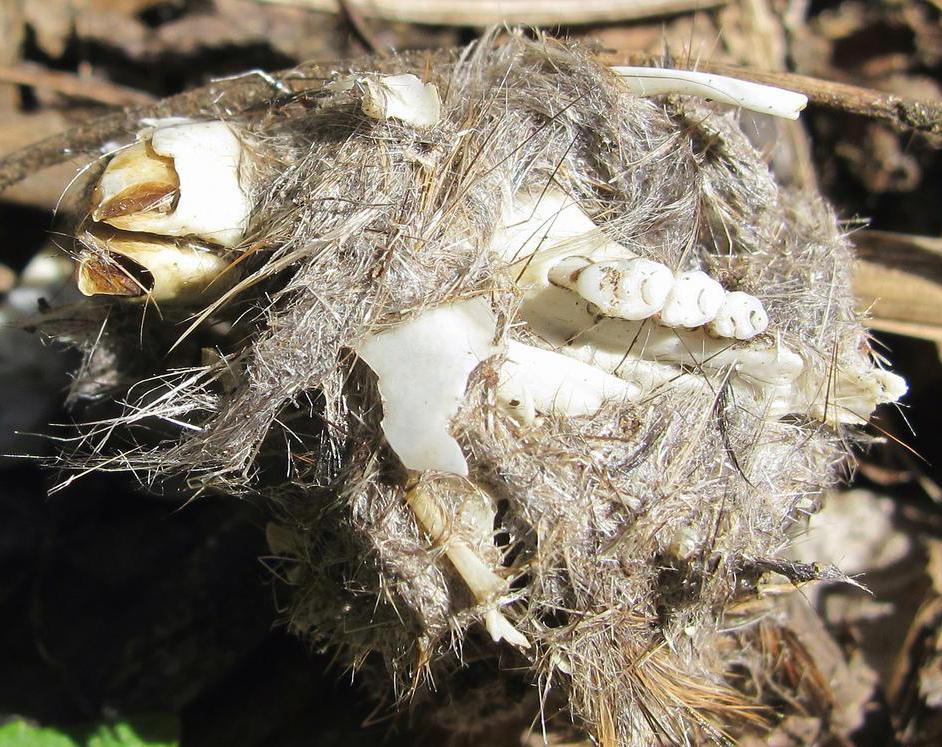
![Owl pellets have hair and bone remnants.]() By: Kristine PaulusOwl pellets have hair and bone remnants.
By: Kristine PaulusOwl pellets have hair and bone remnants. -
![Owl are predators and swallow their prey whole.]() By: hitman1234Owl are predators and swallow their prey whole.
By: hitman1234Owl are predators and swallow their prey whole. -
![Tweezers can be used to sift through and separate the elements of a owl pellet.]() By: TarzhanovaTweezers can be used to sift through and separate the elements of a owl pellet.
By: TarzhanovaTweezers can be used to sift through and separate the elements of a owl pellet. -
![Owl pellets may be found where owls tend to perch, such as under trees.]()
Owl pellets may be found where owls tend to perch, such as under trees. -
![An owl pellet is made of bones, fur, teeth, and other bits of an owl's prey that has been compacted into a neat mass in the bird's gizzard.]()
An owl pellet is made of bones, fur, teeth, and other bits of an owl's prey that has been compacted into a neat mass in the bird's gizzard.


Discussion Comments
Thank you so much. At school we did this thing with what do barn owls eat, then my mom said that we need to put how the pellet is formed. Everyone else just had like it is fur and bones, but this has so much more info. Thanks.
I have to make an experiment on owl pellets. This is awesome info. Thanks.
This is awesome! My class dissected owl pellets last year.
I found one this spring. they're very neat little things!
Thank you so much. this website has helped me out tremendously!
we have found one owl with a broken wing. He cannot hunt anymore. What shall we give him to eat? thanks and regards --vic.
I think owls are so cool! Raptors too - falcons and hawks are amazing birds. I am just fascinated by these birds!!
Great information, very straight forward and easy to understand! This has been such a great help with research! Thanks
Post your comments