
At HomeQuestionsAnswered, we're committed to delivering accurate, trustworthy information. Our expert-authored content is rigorously fact-checked and sourced from credible authorities. Discover how we uphold the highest standards in providing you with reliable knowledge.
What is an Interlining?
 Mary McMahon
Mary McMahon
Mary McMahon
Interlining is a layer of fabric inserted between the face and the lining of a garment, drapery, or quilt. It is similar to batting, a thick layer of fiber designed to provide insulation, loft, and body to quilts, pillow toppers, and heavy winter jackets. Depending on the application, the materials in this layer can be woven, knitted, or created by fusing fibers together. Silk, wool, and artificial fibers with good insulating qualities are common choices for interlining.
Generally, interlinings are soft, thick, and flexible. Some are designed to be fused, while others are intended to be sewn to one or both layers of the textile. As an inner lining within textiles, it is used in a number of applications. Though the consumer never sees it, it is the difference between a good winter coat and a great one, or lush full drapes and listless hanging fabrics.

In many cases, interlining serves as an additional layer of insulation. For example, drapes are often interlined with flannel or a similarly thick material to keep rooms warmer in winter and cooler in summer, while many winter coats and pants use a thick layer to protect the wearer from the elements. Some of these garments also feature removable interlinings, so that they can be worn in warmer weather as well.

Interlining can also be used to protect fabrics, especially those used in drapes and consequently often exposed to direct light. Delicate fabrics like silk and velvet can suffer from sun damage if hung with a liner alone, and most drapers recommend the use of an interlining for the life of the fabric. In addition to protecting the fabric, it also gives drapes a better form and fuller body. In quilting, the layer can offer an extra bit of fluffiness, along with warmth in the winter.

Garments with interlining tend to be stronger, because of the added layer of fabric support. In addition, they drape better, while keeping the wearer's temperature relatively stable. Interlining generally bespeaks a higher level of quality in a garment, because of the additional manufacturing time involved.
Mary McMahon
Ever since she began contributing to the site several years ago, Mary has embraced the exciting challenge of being a HomeQuestionsAnswered researcher and writer. Mary has a liberal arts degree from Goddard College and spends her free time reading, cooking, and exploring the great outdoors.
Learn more...
Mary McMahon
Ever since she began contributing to the site several years ago, Mary has embraced the exciting challenge of being a HomeQuestionsAnswered researcher and writer. Mary has a liberal arts degree from Goddard College and spends her free time reading, cooking, and exploring the great outdoors.
Learn more...AS FEATURED ON:
AS FEATURED ON:


-
![Many winter garments have an interlining.]() By: ludmilafotoMany winter garments have an interlining.
By: ludmilafotoMany winter garments have an interlining. -
![Silk, which comes from the cocoon of the silkworm, is often used in interlining.]() By: lilySilk, which comes from the cocoon of the silkworm, is often used in interlining.
By: lilySilk, which comes from the cocoon of the silkworm, is often used in interlining. -
![Interlining provides insulation so wearers can enjoy snow activities.]() By: GorillaInterlining provides insulation so wearers can enjoy snow activities.
By: GorillaInterlining provides insulation so wearers can enjoy snow activities. -
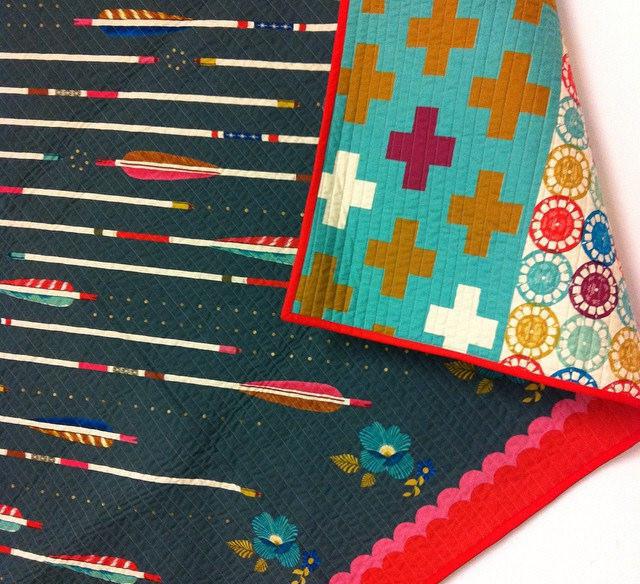
![Many quilts have a quilted interlining.]()
Many quilts have a quilted interlining.


Discussion Comments
I need to know about types of interlining and how to apply them.
i need types of interlining and usage.
I am working on a vogue pattern and would like to know what I need to do first. Should I sew the polyester organza to the fabric first then the fuse the interfacing over top of it or should it be done the other way?
Thanks for your help.
what are polyethylene coated interlinings?
what are the different types of interlining?
is underlining and interlining the same thing? and also are these what they call underpinning?
for fusing of silk fabrics (particularly drapes in your case) you must ensure that the adhesive is polyamide based to get a good bond strength which can withstand all types of dry cleaning solvents. A good bond strength is achieved between the interlining and silk fabrics due to polyamides having good affinity towards silk fabrics. The dot size has to be bigger for heavier fabrics and smaller for sheer /transparent silk to avoid any strike through(shine mark) on the fused fabric. You can fuse the vshell fabrics to give you a better drape.
Hope you got satisfactory answer to your query.!
rajkumar
Can anyone tell me the proper TECHNIQUE for attaching interlining in silk drapes. For example, is it sewn as a single piece with the silk (as in garments)? or with the lining? or neither? Thanks.
Willidog2
Post your comments