
At SmartCapitalMind, we're committed to delivering accurate, trustworthy information. Our expert-authored content is rigorously fact-checked and sourced from credible authorities. Discover how we uphold the highest standards in providing you with reliable knowledge.
What is an Estate Sale?
 Tricia Christensen
Tricia Christensen
Tricia Christensen
An estate sale is one means of selling goods not willed to or disputed by survivors of a deceased person. In some cases, the sale can also be used as a means of paying a deceased person’s debts. Generally, auctioneers, experts in antiques, or simply a professional organization that takes a profit runs the sale. Still, for many, disposing of the goods of a person’s estate is simply too onerous to take on, particularly when people are grieving. When no one in the family wants the goods, then selling them often makes the most sense, especially if the family needs to empty a house in order to sell it.
The difference between an estate sale and a garage or yard sale is that it is normally run by professionals, and the goods being sold probably belonged to someone who is now deceased. This can give people some qualms, particularly when purchasing clothing or beds. Shoppers may want to remember that the sale will likely benefit the family who has lost someone, and that it tends to be the easiest way for them to discharge a parent or family member’s debts or claim an inheritance.

In the absence of a will or family members to inherit the items, the sale is almost always a way of paying for debts, particularly if the person ran up bills at the end of his or her life. Frequently, funeral costs, hospitalization, or long-term care can be very expensive, and difficult to afford by a person on a limited income. It’s therefore helpful to creditors, hospitals, funeral homes, and the like when such losses can be compensated for.

Additionally, some people specify in wills that their goods be sold in an estate sale to benefit some charitable organization. Shoppers can ask the person running the sale if this is the case. It may help some who feel squeamish purchasing the items of a deceased person to know that their purchases might benefit a worthy charity.
An estate sale may last for a day or two, or may be held for two subsequent weekends. Shoppers can also find them occurring during the week, and people who are looking for bargains might look to a non-weekend sale to find them. These naturally tend to draw fewer people, and prices may be lower. The person running the sale may also contact or have dealings with antique stores, consignment shops, or a variety of other stores that may get first dibs on certain large items.

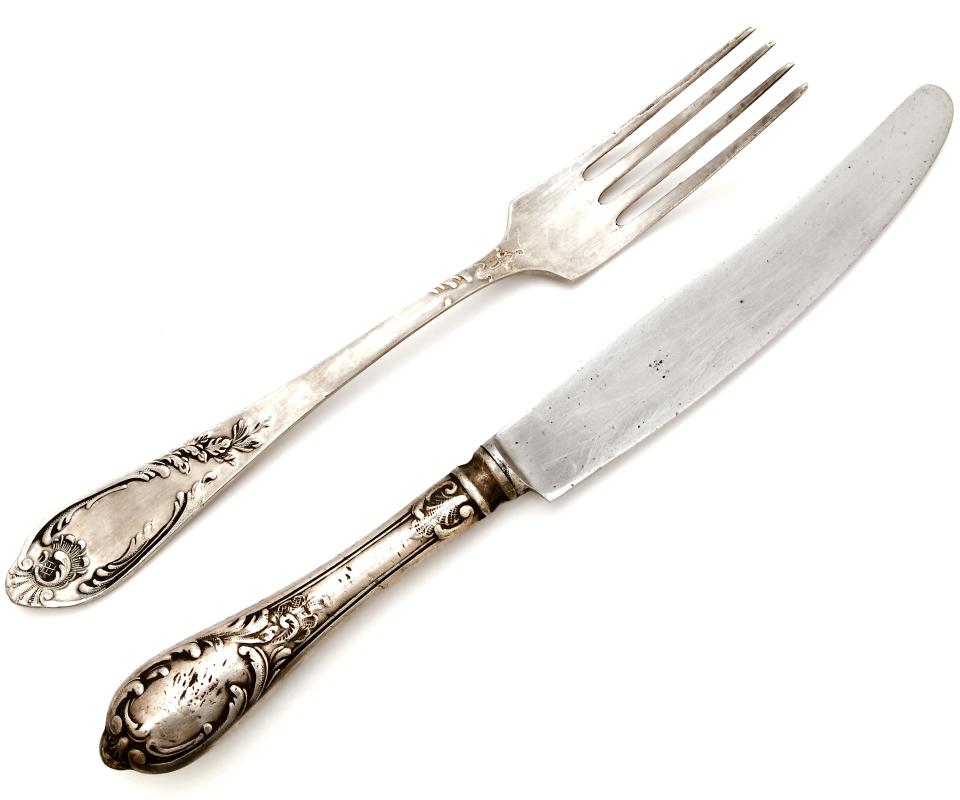
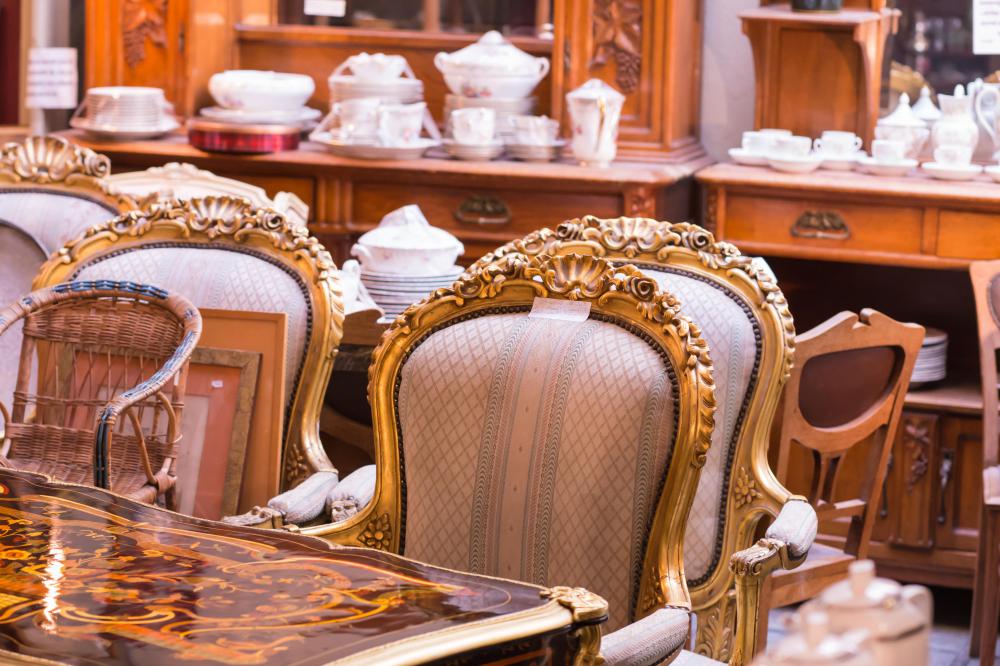
Shoppers will find a lot of variety at most estate sales. They can include clothes, appliances, household items, linen, silverware and china, but also occasionally cars or boats. People will usually get the best deal on items during the last days of a sale, because at that point, the goal is to sell everything. When a shopper finds something that she likes, though, she might not want to wait because it could be quickly sold to someone else. It is possible for shoppers to bargain at an estate sale, since even a slightly reduced price will still normally profit the family and the sale manager or company.
Tricia Christensen
Tricia has a Literature degree from Sonoma State University and has been a frequent SmartCapitalMind contributor for many years. She is especially passionate about reading and writing, although her other interests include medicine, art, film, history, politics, ethics, and religion. Tricia lives in Northern California and is currently working on her first novel.
Learn more...
Tricia Christensen
Tricia has a Literature degree from Sonoma State University and has been a frequent SmartCapitalMind contributor for many years. She is especially passionate about reading and writing, although her other interests include medicine, art, film, history, politics, ethics, and religion. Tricia lives in Northern California and is currently working on her first novel.
Learn more...AS FEATURED ON:
AS FEATURED ON:









-
![An estate sale is often used to pay for a deceased person's debts.]() By: alexskopjeAn estate sale is often used to pay for a deceased person's debts.
By: alexskopjeAn estate sale is often used to pay for a deceased person's debts. -
![Having a will is a good way to prevent an estate sale from happening after a person passes on.]() By: Lane EricksonHaving a will is a good way to prevent an estate sale from happening after a person passes on.
By: Lane EricksonHaving a will is a good way to prevent an estate sale from happening after a person passes on. -
![Silverware from an estate sale.]()
Silverware from an estate sale. -
![Unlike yard sales, estate sales are usually run by professionals.]() By: ilyashapovalovUnlike yard sales, estate sales are usually run by professionals.
By: ilyashapovalovUnlike yard sales, estate sales are usually run by professionals. -
![Estate sales differ from garage sales in that estate sales are general run by professionals.]() By: Alexey StiopEstate sales differ from garage sales in that estate sales are general run by professionals.
By: Alexey StiopEstate sales differ from garage sales in that estate sales are general run by professionals. -
![Vintage jewelry may be sold at an estate sale.]() By: FedeCandoniPhotoVintage jewelry may be sold at an estate sale.
By: FedeCandoniPhotoVintage jewelry may be sold at an estate sale.


Discussion Comments
If you are wanting to host an estate sale but only have a limited amount of collectible dolls, whiskey containers and clothes and other miscellaneous things, would it still be advisable to go through an estate sale or would other options be better?
Sunny27- There are also sites that have historic estates for sale. The historic preservation society offers information on historic homes that available for sale.
You select the geographic region that you are interested in and you can then see the available listings. The site offers you a picture of the home along with the architectural style and brief history of the home.
There is also contact information along with the price of the home. You can find a real estate agent that specializes in historic homes as well.
Moldova-When looking for real estates for sale, you should check out Trulia and Zillow. Trulia offers a lot of information which include real estate listings and a forum to ask questions.
It will offer a rating system of the neighborhood in which the property is located. Zillow will offer you an estimate of what a property is worth in addition to property record information.
It includes when the previous sale was and what the assessed value is. In addition, there are forums for buyers, sellers, and real estate professional and mortgage brokers. It also provides information on what the most recent property taxes were.
Some times property sales occur when an estate is liquated. Usually these sales are referred to as probate sales and are usually bargains.
Since the heirs of the property want to get their money as soon as possible, or perhaps to pay the probate fees they are very motivated sellers. Some of the large estates for sale are often historic estates for sales that are very valuable and costly to maintain.
Some real estate investors focus on probate sales because the sellers are very eager to sell due to impending taxes. If a revocable living trust were drawn up in addition to the will, the assets would go directly to the heirs with no probate taxes.
Post your comments