
At AllThingsNature, we're committed to delivering accurate, trustworthy information. Our expert-authored content is rigorously fact-checked and sourced from credible authorities. Discover how we uphold the highest standards in providing you with reliable knowledge.
What is an Endemic Species?
An endemic species is one whose habitat is restricted to a particular area. The term could refer to an animal, a plant, a fungus, or even a microorganism. The definition differs from “indigenous,” or “native,” species in that the latter, although it occurs naturally in an area, is also found in other areas. Endemic species are often endangered, and particular examples may become a focus point for campaigns to protect biodiversity in a given environment. Some have become national, or regional, emblems.
The term can sometimes be used relatively. A species may be said to be endemic to one tiny area or to a large land mass, such as Australia. When it comes to birds, which are less land-bound than mammals or other animals, biologists might use slightly different terms to talk about what habitats a bird is “endemic” to. Bird experts talk about Endemic Bird Areas or EBAs that represent the total habitat for a bird species. An EBA may include temporary habitats or regions for a bird, as migration patterns broaden the spaces that bird types live in.
How Endemic Species Arise

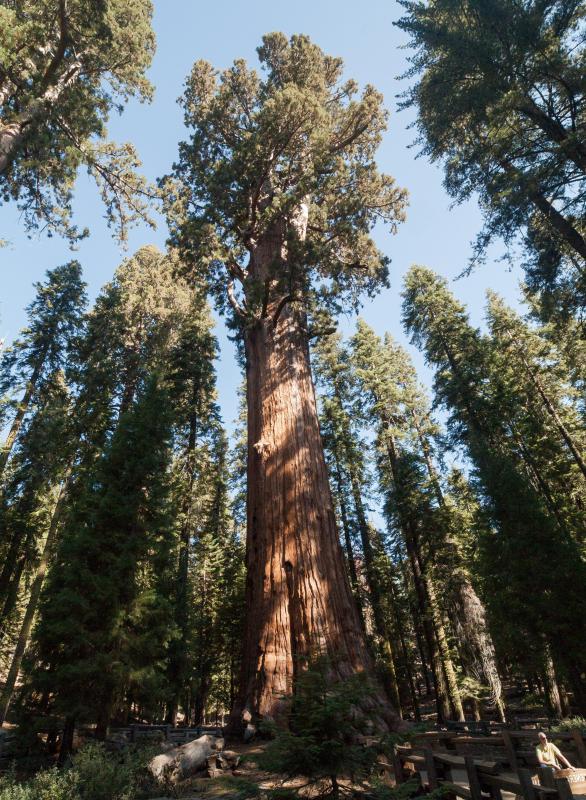
There are two ways in which a species may come to be endemic to a particular area. An initially widely distributed population may disappear from many of its habitats, due to changes which have occurred. These could be climate changes, an influx of predators, or human activities. Eventually, the organism may be confined to just one area: this type is known as a paleoendemic species. A good example is the giant sequoia tree, which used to be found over large parts of North America, but is now confined to a small part of California.

Alternatively, various factors could cause two populations of a given species to become isolated from one another. For example, as a result of plate tectonics, a continent may split apart, forming two new continents, each with its own population of a given organism. Over long periods of time, these two populations evolve differently, because they cannot interbreed with one another, and eventually they are sufficiently different from one another to be classified as separate species. These are known as neoendemic species. In some cases, where a population has been isolated for a very long time, the members may look very different from anything elsewhere on the planet; for example, Australia has a number of unique animals, such as kangaroos and koala bears.

Determining whether a species is paleoendemic or neoendemic may not always be easy. Occasionally, when an organism has declined in relatively recent times, it is known from historical records that it was once more widely distributed. In other cases, this can be determined from fossil records, but this depends on such evidence being available — it requires exposed rocks of the right age and type to preserve identifiable fossil remains. An organism may be classed as neoendemic if there is no evidence of it having ever existed outside its current range. Such species may sometimes have specific adaptations for some unique aspect of their habitat.
Endemic Species and Evolution

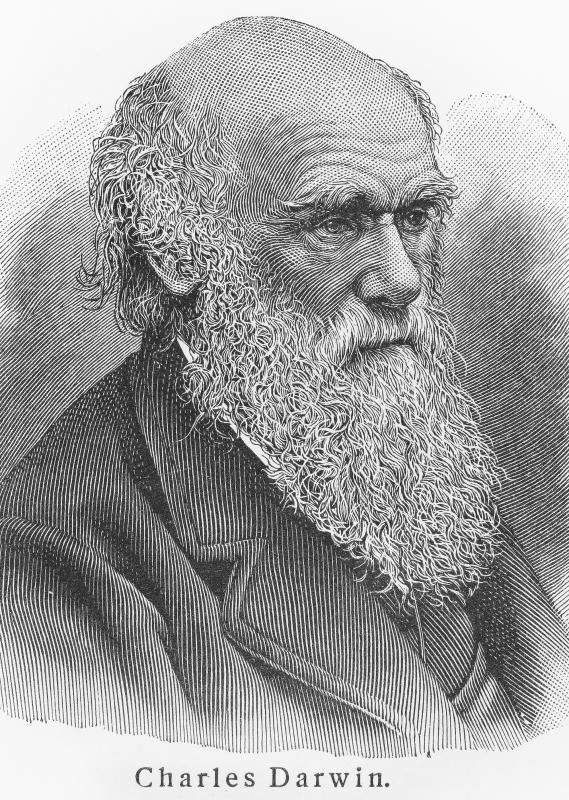
Many classic examples of neoendemic species can be found on the Galapagos Islands, 600 miles (966 kilometers) off the coast of Ecuador in South America. One example is the marine iguana, a lizard that has evolved to adapt to a coastal environment, and is the only type of lizard that can swim. When Charles Darwin visited the islands in 1835, he made a study of the different types of finch that he found. He noticed that they had different types of beaks, each ideally adapted to a particular type of food, such as nuts or fruit. He concluded that they had all originated from one type that had reached the islands from the mainland a long time ago, and had since then diversified over many generations; it was these observations that led to his theory of evolution.
Biogeography

The study of endemic species is part of a wider subject called biogeography. This encompasses all the factors affecting the distribution of organisms on the planet; for example climates and microclimates, soil types, ecology, and human activities. Biogeographical zones can be defined for endemic organisms, and understanding these can help biologists to decipher the past of a type of animal or plant, and predict its future.
Threats and Protection

Since they are often confined to very small areas, and sometimes to unusual and sensitive habitats within these localities, many endemic species are endangered. Among the threats they face are land use by humans for agriculture or building, and invasive species introduced either intentionally or accidentally. Biogeographical studies can be a way for biologists to defend a dwindling organism against encroachment on its habitat from human communities or commercial activity. A life form whose sole habitat is under attack can be classified as an endangered species. If the total population is below a certain number, it might be classified as critically endangered.
Biologists and biogeographers looking at species' habitats may be part of an effort to protect a certain environment against local development plans. In some cases, a major public campaign may be launched, aimed at protecting such a habitat from development, but this is more likely for animals that are considered beautiful or cute. In the case of an obscure beetle or fungus, a biologist or research group may be the only force involved in attempts to save an endangered endemic species.
Frequently Asked Questions
What exactly is an endemic species?
An endemic species is one that is found naturally in only one geographic region and nowhere else in the world. This could be a specific island, country, or even a habitat type like a particular lake or mountain range. Their distribution is limited due to various factors such as isolation or unique habitat conditions.
Why are endemic species important to ecosystems?
Endemic species are vital for maintaining ecological balance as they often have unique roles in their environments. They can be keystone species, meaning their presence is crucial for the survival of other species and the overall health of the ecosystem. Their adaptations also provide insights into evolutionary processes and biodiversity.
How do endemic species become endangered?
Endemic species become endangered primarily due to habitat loss, invasive species, pollution, overexploitation, and climate change. Their limited distribution makes them more vulnerable to these threats, as they cannot easily relocate or adapt to rapid changes in their environment.
Can a species be both endemic and invasive?
A species is considered endemic to the region where it naturally occurs. However, if it is introduced to a new area where it does not face natural predators or competition, it can become invasive there. In its native range, it maintains an endemic status, but in the new region, it's an invasive species disrupting local ecosystems.
What are some examples of endemic species?
Examples of endemic species include the lemurs of Madagascar, which are not found naturally anywhere else in the world, and the marine life of Australia's Great Barrier Reef. The Galápagos Islands are also famous for their endemic species, such as the Galápagos tortoise and the marine iguana.
How can we protect endemic species from extinction?
Protecting endemic species requires preserving their natural habitats, enforcing strict regulations against poaching and overharvesting, controlling invasive species, and addressing climate change. Conservation efforts often involve creating protected areas, breeding programs, and ecological research to understand the needs of these unique species better.
AS FEATURED ON:
AS FEATURED ON:









-
![Now found only in California, giant sequoia trees are an example of a paleoendemic species, as they once grew throughout North America.]() By: Sébastien ClossNow found only in California, giant sequoia trees are an example of a paleoendemic species, as they once grew throughout North America.
By: Sébastien ClossNow found only in California, giant sequoia trees are an example of a paleoendemic species, as they once grew throughout North America. -
![Neoendemic species, such as Australia's koala, arise when the land masses they inhabit become isolated.]() By: FriedbergNeoendemic species, such as Australia's koala, arise when the land masses they inhabit become isolated.
By: FriedbergNeoendemic species, such as Australia's koala, arise when the land masses they inhabit become isolated. -
![Discovered by Charles Darwin in 1835, the marine iguana, which is the only lizard that can swim, is an example of an endemic species that has developed unique traits.]() By: KjerstiDiscovered by Charles Darwin in 1835, the marine iguana, which is the only lizard that can swim, is an example of an endemic species that has developed unique traits.
By: KjerstiDiscovered by Charles Darwin in 1835, the marine iguana, which is the only lizard that can swim, is an example of an endemic species that has developed unique traits. -
![Lemurs are endemic to Madagascar.]() By: DhoxaxLemurs are endemic to Madagascar.
By: DhoxaxLemurs are endemic to Madagascar. -
![Darwin dove further into the study of endemic species when he observed the differing species of finches living on the Galápagos Islands.]() By: nickolaeDarwin dove further into the study of endemic species when he observed the differing species of finches living on the Galápagos Islands.
By: nickolaeDarwin dove further into the study of endemic species when he observed the differing species of finches living on the Galápagos Islands. -
![Endemic species can be threatened by economic development, such as the construction of resorts and communities along shorelines.]() By: carballoEndemic species can be threatened by economic development, such as the construction of resorts and communities along shorelines.
By: carballoEndemic species can be threatened by economic development, such as the construction of resorts and communities along shorelines.



Discussion Comments
I like it. Can you tell me the name of endemic species in Pakistan?
@Hawthorne - Yes, and the threats endemic species' homes are often created by people.
People contribute to this by destroying ecosystems with deforestation, by polluting the environment, by causing global warming, and perhaps the most damaging for a species to remain endemic: introducing species of animals that aren't native to that environment.
An example of a non-endemic species taking over is Africanized bees, commonly known as killer bees. Africanized bees were once native to Tanzania, but they were brought to Europe and accidentally released into the wild by a Brazilian beekeeper in 1957.
Just 26 queens escaped, but those 26 queens were enough to start hives of Africanized bees in Europe. Africanized bees are an example of a species that arose right where it is now -- they are the hybrid results of interbreeding between European bees and the original Tanzanian bees.
Africanized bees are so aggressive that not only do they swarm and often kill livestock and even people, but they also assault European bees' nests, killing the bees inside and doing a hostile takeover.
In this way, Africanized bees introduced by humans have damaged the endemic European bees' chances of surviving. We need to be more careful, or we could cause some serious damage.
Does anybody else notice how endemic animals tend to be on the endangered species list more than other animals do?
People are partly to blame for this, but so is environmental change. See, endemic species, because they only have one place that they are native to, are susceptible to extinction if their limited environment is threatened. Imagine how fast koala bears would go extinct if the eucalyptus tree went extinct!
@VivAnne - You said it yourself -- species tend to become endemic when they are in an area of ecological isolation, such as islands and the Australian continent.
There are actually two different kinds of endemic species: neoendemism and paleoendemisn.
Neoendemism is the term for species that used to be widespread but ended up isolated down to one location. This is how animals can have "cousins" across the world from them that have evolved into slightly different species because the two populations have been separated from each other for so long.
Neoendemism is the term for species that never used to be widespread, but simply evolved in the location that they are currently endemic to and haven't spread out of it, either. This is how animals can be unique to one place on the entire planet.
So to answer your question with endemic species examples, animals like the duck-billed platypus and the kangaroo are neoendemic, while animals like Australia's dogs and alligators are paleoendemic -- they likely have the same ancestors as the dogs and alligators across the world, but their populations were separated long ago.
I would imagine a mix of paleoendemic animals and neoendemic animals is caused because the paleoendemic ones get isolated before the neoendemic ones evolve in the same location.
@seHiro - Australia is a great example of this. How do species become endemic, anyway? I mean, animals like the kangaroo and the duck-billed platypus are so unique they don't even have distant cousins on other continents.
It's like somebody just dropped them on that one spot on earth and they never wandered anywhere else because the continent was isolated by wide expanses of sea on all sides. But some animals in Australia, like dogs and such, match animals elsewhere on earth.
Why is that? Why are only some of the animals in Australia endemic? Or did humans introduce all of the non-endemic ones as they came and settled over the places the native Australians had been living? I somehow doubt the British brought along the alligators, though, and those aren't endemic to Australia...
I think some of the most obvious and dramatic examples of the endemic species definition are the unique and wonderful animals that live in Australia.
Australia is the only place in the world where marsupials are a native species. Kangaroos, koala bears and wombats are all marsupials -- and all endemic to Australia. They are so exclusive that the very sight of any of these species is synonymous with Australia.
Also endemic to Australia are monotremes. If you've never heard of this type of animal, that's because it's one of the smallest animal families in the world: there are only two members, the duck-billed platypus and the echidna. Both are mammals with beaks that lay eggs rather than giving birth to live young.
These are just a few examples of endemic Australian animals. I think endemic species are very important to maintain genetic diversity worldwide. They've been separated for so long; we should be respectful of the natural order that things have ended up in and be careful not to introduce animals to places that don't belong in.
If one of these endemic animals happens to end up somewhere outside of its normal environment, how are they able to adapt? I read somewhere a while back that rats came to North America as stowaways on ships, and they seem to have adjusted very well unfortunately.
Post your comments